



TL;DR: Indian traders must classify trading profits under appropriate income heads (speculation or non-speculation) and calculate tax based on their income slab, filing it through the Income Tax Return (ITR) form that suits their trading activities.
Key Stats at a Glance:
- SEBI registered intermediaries: Over 5,000+
- Average daily trading volume on NSE (equity derivatives): ₹10 Lakh Crore+ (as of recent data)
- Tax slabs for individuals (FY 2023-24): Up to ₹3 Lakh (Nil), ₹3-6 Lakh (5%), ₹6-9 Lakh (10%), ₹9-12 Lakh (15%), ₹12-15 Lakh (20%), Above ₹15 Lakh (30%)
- ITR forms available: ITR-1 to ITR-7, with ITR-2 and ITR-3 most common for traders.
- Long-Term Capital Gains (LTCG) tax on listed equities (held > 1 year): 10% on gains exceeding ₹1 Lakh per financial year.
What is Income Tax on Trading Profits?
Income tax on trading profits in India refers to the tax levied by the Indian government on the gains made from buying and selling financial instruments like stocks, derivatives, commodities, and cryptocurrencies on exchanges. The tax treatment depends on the nature of the trading activity and the holding period of the asset.

How are Trading Profits Taxed in India?
Trading profits in India are taxed based on how they are classified by the Income Tax Department, primarily falling under either ‘speculative business income’ or ‘non-speculative business income’ (short-term or long-term capital gains for investments). This classification dictates the applicable tax rates and eligible deductions.
Understanding Business Income vs. Capital Gains
The fundamental distinction lies in the intention and frequency of trades. Regular, short-term trading with the intent to profit from price fluctuations is generally treated as business income. Investing with the intention of holding for a longer period, aiming for capital appreciation, leads to capital gains.
Speculative Business Income
Transactions in derivatives (futures and options) and intraday equity trading, where delivery is not taken, are typically considered speculative business income. This income is taxed at your applicable income tax slab rates. Losses from speculative business can only be set off against speculative gains.
Non-Speculative Business Income
This category often includes trades where delivery is taken, and assets are held for a short period (less than 12 months for unlisted shares, or for listed shares if not qualifying for LTCG). Gains are taxed at your applicable income tax slab rates. Losses can be set off against other business income.
Capital Gains – Short-Term vs. Long-Term
For investments (not speculative trading), profits are capital gains. Short-Term Capital Gains (STCG) arise from selling an asset held for 12 months or less (for unlisted shares) or for listed equity shares/units of equity-oriented funds sold within 12 months. STCG on listed shares is taxed at 15%.
Long-Term Capital Gains (LTCG) arise from selling an asset held for more than 12 months (for unlisted shares) or for listed equity shares/units of equity-oriented funds sold after 12 months. LTCG on listed equities is taxed at 10% on gains exceeding ₹1 Lakh per financial year, without indexation benefits. Gains up to ₹1 Lakh are exempt.
Taxation of Commodity and Crypto Trading
Profits from commodity trading are generally treated as non-speculative business income and taxed at slab rates. For cryptocurrencies and other virtual digital assets (VDAs), a flat 30% tax is levied on profits under Section 115BBH of the Income Tax Act, irrespective of the holding period, with no deductions allowed for any expenditure except the cost of acquisition. Losses from VDA cannot be set off against any other income.
How to Calculate Tax on Trading Profits?
Accurate calculation of tax on trading profits requires meticulous record-keeping and understanding the different categories of income. The process involves summing up gains and losses from various trading activities and applying the relevant tax rules.
Step 1: Categorise Your Trades
The first and most crucial step is to accurately categorise each trade. Differentiate between intraday equity trades, F&O transactions, positional trades (held overnight), equity investments sold after 12 months, and commodity/crypto trades. Your broker’s contract notes and statements are essential here.
Step 2: Calculate Gains and Losses for Each Category
For each category, calculate the net profit or loss. For speculative income (intraday, F&O), sum all buy and sell transactions. For capital gains, calculate the difference between the sale price and the purchase price (plus eligible expenses like brokerage, STT where applicable).
Step 3: Apply Tax Rules for Each Category
Intraday/F&O (Speculative): Sum net profits and deduct net losses from this category only. Taxed at slab rates.
Short-Term Capital Gains (STCG): Aggregate all STCGs. If the net result is a gain, it’s taxed at 15%.
Long-Term Capital Gains (LTCG): Calculate net LTCG. The first ₹1 Lakh is exempt. Gains above ₹1 Lakh are taxed at 10%.
Commodities: Net profits are typically taxed at slab rates as non-speculative business income.
Cryptos/VDAs: Sum all profits. Taxed at a flat 30%.
Step 4: Set-off and Carry Forward Losses
Indian tax laws allow for setting off losses against profits. However, the rules are specific:
- Speculative losses can only be set off against speculative profits.
- Capital losses can be set off against capital gains (STCG against STCG/LTCG, LTCG against LTCG).
- Business losses (non-speculative) can be set off against other business income.
- VDAs losses cannot be set off against other income, and VDA profits cannot be reduced by losses from other sources.
If losses cannot be fully set off in the current year, they can typically be carried forward for a specified number of future assessment years, provided the tax return is filed on time.
Step 5: Consolidate Total Taxable Income
Add up all your taxable profits from different heads after considering set-offs. This consolidated figure, along with income from other sources (salary, rent, etc.), forms your total taxable income.
Step 6: Calculate Tax Liability
Apply the relevant tax rates (slab rates, 15% for STCG, 10% for LTCG above ₹1 Lakh, 30% for VDAs) to your taxable income. Deduct any applicable tax credits (like TDS, Advance Tax paid) to arrive at the final tax payable.

How to File Income Tax on Trading Profits?
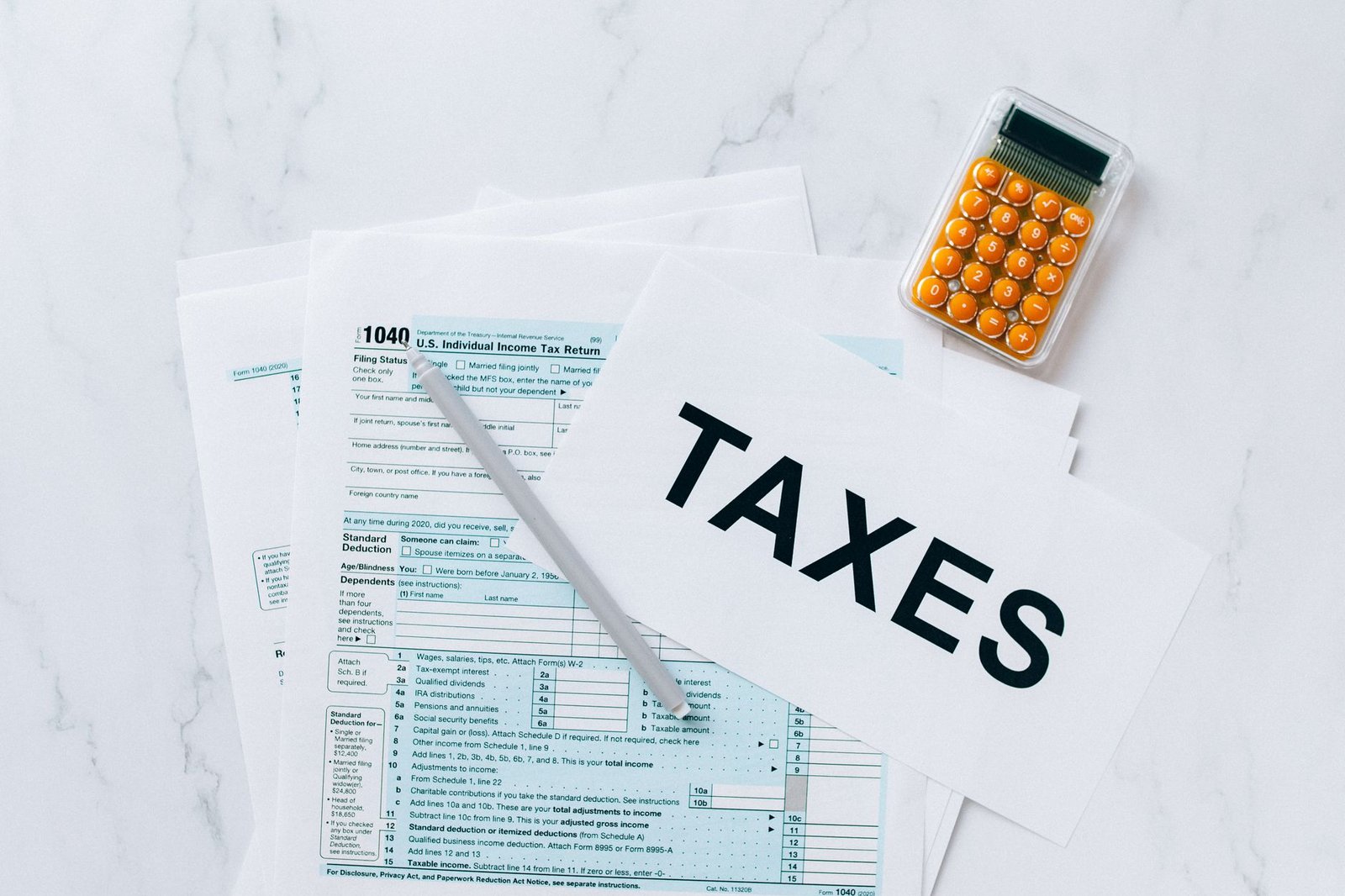
Filing your income tax return correctly is essential to report your trading profits and pay the due taxes. The process involves selecting the appropriate Income Tax Return (ITR) form and accurately reporting all income and loss figures.
Choosing the Right ITR Form
For most individual traders and investors, the relevant ITR forms are:
- ITR-2: For individuals and HUFs not having income from profits and gains of business or profession. This might be suitable if your trading activities are very limited and primarily considered capital gains, not business income.
- ITR-3: For individuals and HUFs having income from profits and gains of business or profession. This is the most common form for active traders involved in intraday trading, F&O, or commodity trading, as these are treated as business income.
It’s vital to select the form that accurately reflects your income sources. If you’re unsure, consulting a tax professional is recommended.
Reporting Trading Income and Losses
Within the chosen ITR form, you will need to report your trading profits and losses under the specific schedules:
- Business Schedule: For speculative and non-speculative business income/loss. Details like profit and loss accounts and balance sheets might be required for ITR-3.
- Capital Gains Schedule: For STCG and LTCG from selling shares, mutual funds, property, etc. You’ll need to provide details like acquisition date, sale date, cost of acquisition, sale proceeds, and expenses.
- Schedule VDA: Specifically for reporting gains or losses from Virtual Digital Assets.
Ensure that the calculations from the previous section are correctly transcribed into the respective fields in the ITR form.
When to File and Pay Taxes?
The due date for filing income tax returns for individuals not liable for tax audit is typically July 31st of the assessment year. For example, for income earned in FY 2023-24 (April 1, 2023, to March 31, 2024), the ITR filing due date is July 31, 2024.
Advance Tax: If your estimated tax liability for the year exceeds ₹10,000, you are required to pay advance tax in quarterly installments. Failure to do so can attract interest penalties under Sections 234B and 234C of the Income Tax Act.
Using Tax Software or Professionals
While you can file manually, using tax filing software or hiring a Chartered Accountant (CA) can simplify the process and minimise errors. Many platforms offer features like auto-population of data from Form 26AS and AIS, making it easier to reconcile your trading statements with official tax records. Investing in a good TradingView indicator can also help in tracking trades and generating reports for tax purposes.
What are the Common Mistakes to Avoid?
Navigating the complexities of tax on trading profits can lead to errors if not careful. Awareness of common pitfalls can save traders from penalties and legal issues.
1. Incorrect Classification of Income
The most frequent mistake is misclassifying speculative income as capital gains or vice-versa. For instance, treating intraday equity trades as capital gains is incorrect and can lead to issues during tax assessment. Always refer to SEBI and Income Tax Department guidelines for accurate classification.
2. Inadequate Record Keeping
Failing to maintain detailed records of all trades—including contract notes, broker statements, purchase and sale dates, costs, and expenses—is a significant oversight. This makes it difficult to calculate profits/losses accurately and substantiate claims if audited.
3. Mismatch in Reporting
Discrepancies between the income reported in your ITR and the data available with the Income Tax Department (e.g., through Form 26AS, Annual Information Statement (AIS)) can trigger scrutiny. Ensure all reported transactions align with your broker statements and the information provided by financial institutions.
4. Ignoring Loss Set-off and Carry Forward Rules
Not correctly applying the rules for setting off losses against gains, or failing to carry forward eligible losses within the stipulated timelines, means missing out on tax benefits. For example, carrying forward a speculative loss to offset against salary income is not permitted.
5. Late Filing and Non-Payment of Advance Tax
Missing the filing deadline or failing to pay advance tax on time can result in penalties and interest. These are avoidable costs that eat into your trading profits.

Frequently Asked Questions
What is the tax rate on intraday trading profits?
Intraday trading profits in equities are typically treated as speculative business income and are taxed at your applicable income tax slab rates, ranging from 5% to 30% plus surcharge and cess.
Can trading losses be set off against salary income?
Generally, no. Speculative business losses can only be set off against speculative business profits. Capital losses can be set off against capital gains. Business losses can be set off against other business income. Losses from VDAs cannot be set off against any other income.
Do I need to pay tax on F&O trading profits?
Yes, profits from trading in futures and options (F&O) are usually considered speculative business income and are taxed at your applicable income tax slab rates.
What is the difference between ITR-2 and ITR-3?
ITR-2 is for individuals without business/profession income, while ITR-3 is for individuals with income from business/profession. Active traders usually file ITR-3.
How do I report short-term capital gains (STCG)?
STCG from equity shares sold within 12 months is reported in the Capital Gains schedule of your ITR. It is taxed at a flat rate of 15%.
Is there any exemption for Long-Term Capital Gains (LTCG) on stocks?
Yes, LTCG on listed equity shares held for over 12 months is exempt up to ₹1 Lakh in a financial year. Gains exceeding ₹1 Lakh are taxed at 10%.
Key Takeaways
- Trading profits in India are classified as speculative business income, non-speculative business income, or capital gains (STCG/LTCG), each with different tax treatments.
- Intraday equity and F&O trading are usually classified as speculative business income, taxed at slab rates.
- LTCG on listed stocks held over 12 months are taxed at 10% on gains exceeding ₹1 Lakh annually; STCG is taxed at 15%.
- Virtual Digital Assets (cryptos) are taxed at a flat 30% with no deductions except acquisition cost.
- Accurate record-keeping is crucial for calculating profits, losses, and claiming eligible deductions/set-offs.
- ITR-3 is generally the correct form for active traders, while ITR-2 might suffice for investors with limited trading activity.
- Timely filing of ITRs and payment of advance tax are essential to avoid penalties and interest.
Investing and trading in the stock market inherently involve risks. Consult with a qualified tax advisor for personalised guidance.






 Finovatives