



TL;DR: FMCG stocks are defensive investments offering stability in Indian portfolios because demand for their essential products remains relatively constant, even during economic slowdowns, making them a go-to for risk-averse investors.
Key Stats at a Glance:
- FMCG sector market share in Indian retail: Over 60%
- Hindustan Unilever’s market cap: ₹5.7 Trillion (as of Q1 2024)
- Nestle India’s revenue growth (FY23): 9.03%
- ITC’s consumer goods revenue contribution: 45% (FY23)
- Average dividend yield in FMCG sector: 1.5% – 3%
What is the FMCG sector in India?
The Fast-Moving Consumer Goods (FMCG) sector encompasses everyday products that are sold quickly and at a relatively low cost. This includes items like packaged foods, beverages, toiletries, soaps, detergents, and other household essentials that consumers purchase regularly.
Why are FMCG stocks considered defensive?
FMCG stocks are considered defensive because their products are essential and have consistent demand, irrespective of economic cycles, making them less volatile than cyclical sectors.
The Pillars of Stability: Essential Demand
The core reason FMCG stocks are perceived as defensive lies in the inelastic nature of demand for their products. Whether the economy is booming or in a recession, people will continue to buy toothpaste, soap, basic food staples, and essential beverages. This fundamental stability shields FMCG companies from the sharp revenue drops often seen in sectors like real estate or automobiles during downturns.
Low Beta and Reduced Volatility
Defensive stocks, including those in the FMCG space, typically exhibit a low beta. Beta measures a stock’s volatility in relation to the overall market. A beta less than 1 indicates lower volatility. This means FMCG stocks tend to move less dramatically than the broader market indices like the Nifty 50, offering a smoother ride for investors during turbulent times.

Consistent Revenue and Profitability
Thanks to predictable demand, FMCG companies often demonstrate more consistent revenue streams and profitability compared to companies in more cyclical industries. Even when consumer spending tightens, people prioritise essential goods, ensuring that FMCG firms can maintain sales volumes and, often, their profit margins. This steady financial performance makes them attractive for long-term wealth creation and capital preservation.
Which Indian FMCG companies are top performers?
Several Indian FMCG companies have consistently delivered strong performance, driven by robust brands, extensive distribution networks, and an understanding of local consumer preferences.
Hindustan Unilever Limited (HUL)
As a behemoth in the Indian FMCG landscape, HUL boasts a vast portfolio of household brands across various categories, including home care, personal care, and food & beverages. Its extensive distribution network ensures its products reach even remote corners of India, giving it a significant competitive advantage.
ITC Limited
While historically known for its cigarettes, ITC has significantly diversified into FMCG, with substantial growth in its packaged foods, personal care, and stationery segments. The company’s ‘One India, One ITC’ strategy aims to leverage synergies across its diverse businesses, with its consumer goods segment increasingly contributing to its bottom line.
Nestle India
Nestle India is a dominant player in the food and beverage segment, renowned for iconic brands like Maggi, Nescafe, and KitKat. Its focus on innovation, product quality, and strong brand recall has cemented its position as a favourite among Indian consumers and investors alike.
Other Notable FMCG Stocks
Beyond these giants, companies like Britannia Industries (biscuits and dairy), Dabur India (Ayurvedic products and personal care), and Godrej Consumer Products (personal care and home care) also represent strong investment opportunities within the FMCG sector. These firms, while perhaps smaller in scale than HUL or ITC, often exhibit strong niche market positions and growth potential.
How to invest in FMCG stocks?
Investing in FMCG stocks can be approached through direct equity investments, mutual funds, or Exchange Traded Funds (ETFs). A systematic approach can help manage risk and capture potential growth.
- Research and Selection: Identify FMCG companies with strong brand equity, consistent financial performance, good management, and a wide distribution network. Analyse their market share and competitive advantages.
- Understand Valuation: Compare the Price-to-Earnings (P/E) ratio, Price-to-Book (P/B) ratio, and dividend yield of potential FMCG stocks against their peers and historical averages. Look for reasonable valuations.
- Consider Diversification: Don’t put all your capital into a single FMCG stock. Diversify across different sub-segments (e.g., food, personal care, home care) and companies to spread risk.
- Utilize a Trading Platform: Open a demat and trading account with a SEBI-registered broker. Many platforms offer advanced charting tools, including TradingView indicators, to help analyse stock trends.
- Systematic Investment Plans (SIPs): For mutual funds or ETFs focused on the FMCG sector, consider investing through SIPs to average out your purchase cost over time and reduce the impact of market volatility.
- Monitor Your Investments: Regularly review the performance of your chosen FMCG stocks and the overall sector. Stay updated on industry trends, company news, and economic factors that could impact your investments.

Risks associated with FMCG investments
Despite their defensive nature, FMCG stocks are not entirely risk-free. Several factors can impact their performance, and investors should be aware of these potential challenges.
Input Cost Volatility
Many FMCG products rely on agricultural commodities (like palm oil, sugar, wheat) or petrochemical derivatives. Fluctuations in the prices of these raw materials can squeeze profit margins if companies are unable to pass on the increased costs to consumers immediately. For instance, rising crude oil prices can impact packaging and transportation costs. This is a critical factor to monitor, especially for companies with less pricing power.
Intense Competition
The FMCG sector is highly competitive, with numerous domestic and international players vying for market share. Intense competition can lead to price wars, increased advertising spending, and pressure on margins. Companies need to constantly innovate and maintain strong brand loyalty to stay ahead. The entry of new players or aggressive strategies by existing ones can disrupt market dynamics.
Regulatory Changes
Changes in government regulations, such as altered taxation policies, import/export duties, or food safety standards, can impact the profitability and operations of FMCG companies. For example, new regulations on plastic packaging or advertising standards could require significant operational adjustments and investments.
Changing Consumer Preferences
While FMCG products are essential, consumer preferences can evolve. Trends towards healthier options, sustainable products, or premiumisation can shift demand. FMCG companies that fail to adapt to these changing tastes and preferences risk losing market share. Companies that actively invest in R&D to align with these shifts are better positioned for long-term success.
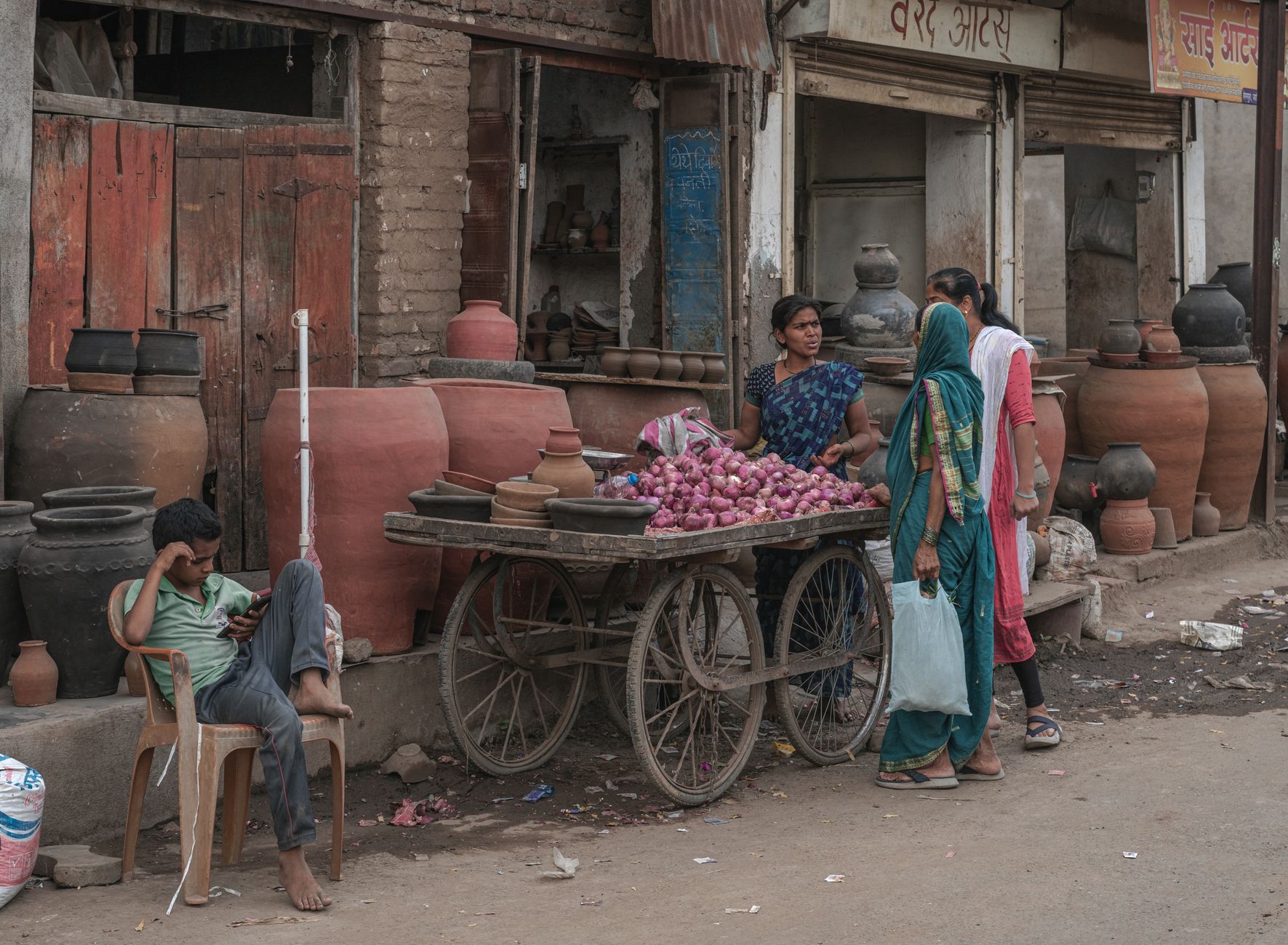
FMCG Sector Outlook for India
The outlook for the Indian FMCG sector remains positive, driven by favourable demographic trends, rising disposable incomes, and increasing rural penetration. As the Indian economy grows, so does the purchasing power of its vast population, leading to sustained demand for consumer goods.
Demographic Dividend and Urbanisation
India’s young population and the ongoing trend of urbanisation are significant tailwinds for the FMCG sector. Urban consumers typically have higher disposable incomes and a greater appetite for branded goods. Simultaneously, improvements in rural infrastructure and connectivity are expanding market access for FMCG companies in tier-2 and tier-3 cities and villages.
Digitalisation and E-commerce Growth
The rapid growth of e-commerce and digital platforms in India is revolutionising how FMCG products are sold and consumed. Online channels provide companies with new avenues to reach consumers, offer convenience, and gather valuable data. This digital push is crucial for enhancing reach and engagement, particularly among younger demographics.
Focus on Premiumisation and Health
Consumers are increasingly willing to spend more on products perceived as premium, healthier, or offering enhanced benefits. This trend towards ‘premiumisation’ and a greater focus on health and wellness presents opportunities for companies that can innovate and cater to these evolving demands with superior product offerings. Investing in capabilities like product development and marketing tailored to these trends is key.
Frequently Asked Questions
What are the main categories within the FMCG sector in India?
The main categories include food and beverages, personal care (like soaps, shampoos, skincare), home care (detergents, cleaners), and tobacco products. Packaged foods and beverages form the largest segment.
Are FMCG stocks a good investment for beginners?
Yes, FMCG stocks are often recommended for beginners due to their relative stability and lower volatility compared to other sectors, providing a less intimidating entry point into the stock market.
How do rural markets impact FMCG growth in India?
Rural markets are crucial, representing a large and growing consumer base. Increased incomes, better distribution, and government initiatives are driving significant demand growth for FMCG products in these areas.
What is the typical dividend yield for Indian FMCG stocks?
The dividend yield for Indian FMCG stocks typically ranges between 1.5% and 3%. Established players often distribute a portion of their profits to shareholders regularly.
Can FMCG stocks be affected by inflation?
Yes, FMCG companies can be affected by inflation through rising input costs (raw materials, packaging, logistics). However, their ability to pass on some of these costs to consumers helps mitigate the impact.
Key Takeaways
- FMCG stocks are defensive bets, providing stability to Indian portfolios due to consistent demand for essential products.
- Companies like HUL, ITC, and Nestle India are market leaders with strong brand presence and distribution networks.
- Factors like input cost volatility, intense competition, and regulatory changes pose risks to the sector.
- Demographic trends, rising incomes, and e-commerce growth present a positive long-term outlook for Indian FMCG companies.
- For investors, understanding company fundamentals, valuation, and diversification is key when investing in this sector.
- Consider tools like the Trend Traders Tool for technical analysis alongside fundamental research.
Investing in the stock market involves risks. Please consult with a qualified financial advisor before making any investment decisions.






 Finovatives