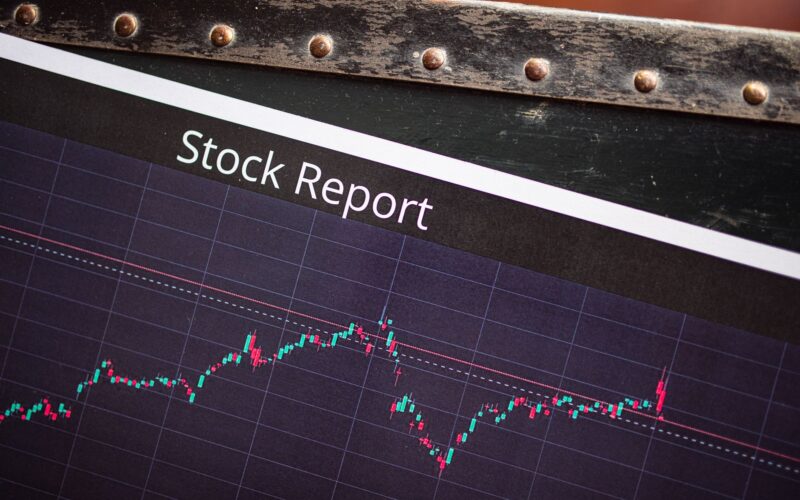



TL;DR: Investor patience is the most crucial skill for achieving long-term wealth, allowing individuals to withstand market fluctuations and harness the power of compounding. It involves disciplined decision-making, a focus on fundamental value, and emotional resilience against short-term market noise.
Key Stats at a Glance:
- Nifty 50’s average annual return over 20 years (approx.): 12-14%
- Number of trading days in Indian stock market annually: ~250
- Typical market correction depth: 10-20%
- Average time to achieve significant wealth growth: 10+ years
- SEBI’s mandate: Investor protection and market development
What is Investor Patience?
Investor patience is the ability to maintain a calm, rational, and long-term perspective despite market volatility, price fluctuations, and short-term news cycles. It means resisting the urge to make impulsive decisions based on fear or greed, trusting the investment strategy, and allowing capital to grow over extended periods.
In the Indian stock market, characterised by its rapid growth and occasional sharp corrections, patience acts as an investor’s bedrock. It’s not about doing nothing; rather, it’s about making informed, deliberate choices and sticking to them even when the market tests your conviction. Without patience, traders often fall prey to the ‘herd mentality’, buying at market tops and selling at bottoms, thereby eroding their potential for wealth creation. The NSE and BSE provide ample opportunities, but these are best capitalised upon by those who can wait.
Why is Investor Patience the Most Important Skill?
Investor patience is paramount because it underpins all other successful investing behaviours and directly combats the psychological pitfalls that derail most retail traders. It is the discipline that allows strategies to work and the emotional fortitude that prevents costly mistakes.
The Indian stock market, like any other, is inherently cyclical. Periods of rapid ascent are inevitably followed by periods of correction or consolidation. A patient investor understands this rhythm and uses it to their advantage. They recognise that short-term drops are often temporary and do not necessarily reflect a deterioration in the long-term prospects of fundamentally sound companies. This allows them to either hold their investments or even add to them during downturns – a strategy that has historically yielded superior returns.
Furthermore, patience is the fertiliser for compounding. The magic of compound returns – earning returns on your returns – requires time. The longer your money is invested, and the more consistently you allow it to grow without premature withdrawals or panicked selling, the more powerful the compounding effect becomes. A study by AMFI often highlights the benefits of long-term systematic investments, directly correlating duration with enhanced wealth.
Combating Emotional Biases
Fear of missing out (FOMO) and fear of loss can drive irrational decisions. Patience acts as an antidote, providing the mental space to assess situations objectively rather than reactively. For instance, during a market rally, FOMO might push an investor to buy overpriced stocks. Conversely, during a crash, fear of further losses can lead to panic selling. A patient investor, however, relies on their research and investment plan, understanding that market noise is just that – noise.
Benefiting from Compounding
The power of compounding is legendary, often described as the eighth wonder of the world. However, it demands time. Impatience leads to exiting investments prematurely, thus cutting off the compounding cycle before it can truly gain momentum. Allowing investments to grow over years, or even decades, is where the exponential wealth-building potential lies.
Navigating Market Volatility
The Indian stock market can be volatile, influenced by global events, domestic policies, and corporate news. Patience allows investors to view these fluctuations not as threats, but as natural parts of the market cycle. This perspective shift enables them to avoid making rash decisions during turbulent times and stay focused on their long-term financial goals.
Sticking to a Strategy
A well-researched investment strategy is crucial. Without patience, even the best strategy can be abandoned at the first sign of trouble. Patience provides the mental fortitude to stick with a plan, whether it’s value investing, growth investing, or dividend investing, and allows the strategy’s inherent strengths to manifest over time.

How Can Indian Investors Cultivate Patience?
Cultivating patience is an active process, not a passive state. It involves developing specific habits, adopting certain mindsets, and implementing practical strategies to manage emotional responses to market movements. For Indian retail traders, who often operate with limited capital and might feel more pressure from short-term fluctuations, developing this skill is particularly vital.
The journey begins with self-awareness and a commitment to long-term financial well-being over short-term trading thrills. It requires understanding your own psychological triggers and building a robust framework to counter them. Tools like TradingView indicators can help in identifying long-term trends, which can reinforce patience, but the core resides within the investor.
This involves educating oneself on market cycles, understanding the historical performance of asset classes, and setting realistic expectations. It also means structuring one’s portfolio in a way that aligns with their patience level and financial goals. For instance, incorporating assets with lower volatility or focusing on companies with strong fundamentals can provide a psychological buffer during market downturns.
How to Build Investor Patience: A Step-by-Step Guide
- Define Clear Long-Term Financial Goals: Understand *why* you are investing. Whether it’s retirement, a child’s education, or wealth accumulation, having concrete goals provides a strong ‘why’ to stay the course.
- Develop a Well-Researched Investment Plan: Create a plan based on your risk tolerance, time horizon, and financial goals. This plan should include your investment criteria, asset allocation strategy, and rebalancing rules. Consult resources from SEBI or AMFI for guidance.
- Focus on Fundamentals, Not Just Price: Invest in companies with strong underlying businesses, solid management, and sustainable competitive advantages, rather than chasing speculative stocks or short-term price movements.
- Automate Investments: Use Systematic Investment Plans (SIPs) for mutual funds or set up regular buying instructions for stocks. Automation removes the temptation to time the market and enforces discipline.
- Limit Market Monitoring: Avoid checking your portfolio obsessively. Excessive monitoring amplifies the impact of daily fluctuations and can trigger emotional reactions. Check your portfolio periodically (e.g., quarterly) to assess progress against your plan.
- Educate Yourself Continuously: Deepen your understanding of market dynamics, economic principles, and investment strategies. Knowledge builds confidence and reduces fear. Read reports from reputable sources like NSE or BSE.
- Practice Mindfulness and Emotional Regulation: Learn techniques to manage stress and emotional responses. Recognize your emotional triggers and develop strategies to respond rationally rather than impulsively.
- Seek Diversification: A diversified portfolio across different asset classes (equities, debt, real estate) and within asset classes can help mitigate risk and reduce portfolio volatility, making it easier to remain patient during market downturns.

The Role of a Long-Term Perspective
A long-term perspective is the bedrock upon which investor patience is built. It’s the mental framework that allows investors to see beyond the daily or weekly noise of the market and focus on the ultimate destination – their financial goals. Without this broader view, short-term market movements can appear overwhelmingly significant, leading to misguided decisions.
For instance, an investor with a 20-year horizon for retirement will view a 10% market correction very differently from someone who needs the funds in the next two years. The former sees it as a potential opportunity to buy assets at a discount, understanding that over two decades, the market has historically recovered and grown. The latter, facing a near-term need, will likely experience significant anxiety, as the immediate impact on their capital is far more critical.
This perspective is nurtured through continuous learning and by understanding historical market data. The Nifty 50, for example, has demonstrated resilience and growth over decades, weathering numerous economic cycles, political changes, and global crises. Recognizing these patterns instills confidence that current downturns, while uncomfortable, are part of a larger, often upward, trajectory. This understanding reinforces the belief that staying invested through the cycles is more rewarding than trying to time them.
Understanding Market Cycles
Markets move in cycles – expansion, peak, contraction, and trough. A patient investor understands that they are in one of these phases and that the cycle will eventually turn. This foresight prevents panic during downturns and excessive exuberance at peaks, promoting a balanced approach.
Setting Realistic Expectations
Chasing unrealistic returns in the short term is a recipe for disappointment and impatience. Setting achievable goals, aligned with historical market returns and one’s own risk profile, helps maintain a grounded perspective. This aligns with the prudent advice often dispensed by financial regulators like SEBI.
Reviewing and Rebalancing Periodically
While patience means resisting impulsive changes, it doesn’t mean ignoring your portfolio entirely. Periodic reviews (e.g., annually or semi-annually) to rebalance your asset allocation back to your target weights are essential. This disciplined process ensures your portfolio remains aligned with your goals and risk tolerance without requiring constant intervention.

When Patience Becomes Detrimental
While patience is overwhelmingly beneficial, there are rare instances where an excessive or misguided form of it can be detrimental. This usually stems from a misunderstanding of what true patience entails, leading to stubbornness rather than thoughtful perseverance.
Blindly holding onto an investment without reassessment, even when fundamental conditions have drastically changed, is not patience; it’s negligence. True patience involves a commitment to a sound strategy but also an openness to admitting when a thesis is no longer valid. It’s about differentiating between temporary market noise and genuine, long-term deterioration in an asset’s value or a company’s prospects.
For instance, holding onto a stock whose company has become terminally ill due to technological disruption or severe mismanagement, simply because you bought it years ago, is not a virtue of patience. It’s a costly mistake born from an inability to let go. Similarly, refusing to rebalance a portfolio that has become overly concentrated in a single, high-flying sector due to fear of triggering capital gains tax, can expose an investor to undue risk if that sector subsequently crashes.
Recognising a Failing Investment Thesis
It’s crucial to periodically revisit the original reasons you invested in a particular stock or asset. If those reasons are no longer valid due to new information or a shift in the company’s or market’s fundamentals, it may be time to exit, regardless of how long you’ve held it.
Avoiding Stubbornness and Rigidity
Patience is about measured persistence, not blind adherence. If new, compelling evidence suggests a change in strategy is warranted, a patient investor will adapt, albeit thoughtfully and deliberately, rather than rigidly sticking to a past decision.
Frequently Asked Questions
Is patience the only skill an investor needs?
No, while patience is arguably the most crucial, other skills like research, analysis, risk management, and discipline are also vital for long-term success in the stock market.
How can I avoid making emotional investment decisions?
Develop a clear investment plan, focus on long-term goals, limit how often you check your portfolio, and practice mindfulness techniques to manage stress and emotional responses.
Does patience mean never selling an investment?
Not necessarily. Patience means avoiding impulsive selling due to market fear. It involves selling strategically when an investment thesis breaks down, financial goals are met, or for portfolio rebalancing, not based on short-term price fluctuations.
How does understanding market cycles help build patience?
Knowing that markets move in cycles helps investors understand that downturns are temporary. This perspective reduces panic during corrections and prevents irrational selling, reinforcing the belief in eventual recovery and growth.
What is the role of compounding in patient investing?
Compounding, or earning returns on returns, requires time. Patient investing allows investments to grow undisturbed over long periods, maximising the power of compounding for exponential wealth creation.
Key Takeaways
- Investor patience is the ability to maintain a long-term, rational outlook amidst market volatility and emotional pressures.
- It is the most critical skill as it enables investors to benefit from compounding and avoid costly emotional mistakes.
- Patience helps in navigating market cycles, sticking to a sound investment strategy, and combating biases like FOMO and fear of loss.
- Cultivating patience involves defining clear goals, having a solid plan, focusing on fundamentals, automating investments, and limiting excessive market monitoring.
- A long-term perspective is fundamental to patience, helping investors see beyond short-term fluctuations and trust in historical market growth.
- While vital, patience should not translate to stubbornness; investors must be willing to reassess and adapt if an investment thesis fundamentally breaks down.
Investing in the stock market involves inherent risks, and past performance is not indicative of future results. Please consult with a qualified financial advisor before making any investment decisions.





 Finovatives