


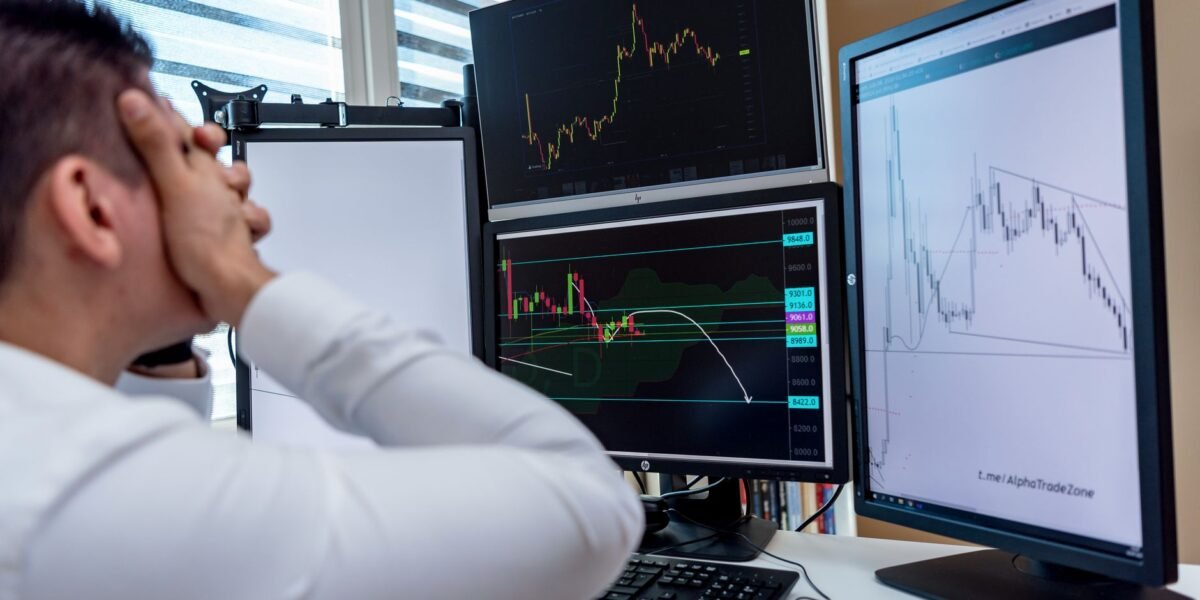
TL;DR: Common cognitive biases like confirmation bias, overconfidence, and herd mentality significantly impair Indian investors’ decision-making, leading to suboptimal trades and financial losses; recognizing these mental traps and employing disciplined strategies is key to mitigating their impact.
Key Stats at a Glance:
- An estimated 70% of retail traders lose money in their first year.
- Indian equity markets have seen a 20% year-on-year growth in demat accounts as of 2023.
- Over 75% of trading decisions can be influenced by emotional biases.
- The Nifty 50 index has delivered an average annual return of approximately 12-14% over the last decade.
- SEBI mandates strict disclosure norms to protect investors from mis-selling, but psychological biases remain a personal challenge.
What are cognitive biases in investing?
Cognitive biases are systematic patterns of deviation from norm or rationality in judgment, essentially mental shortcuts that can lead to flawed decision-making, particularly in the volatile Indian stock market.
How do cognitive biases impact Indian investors?
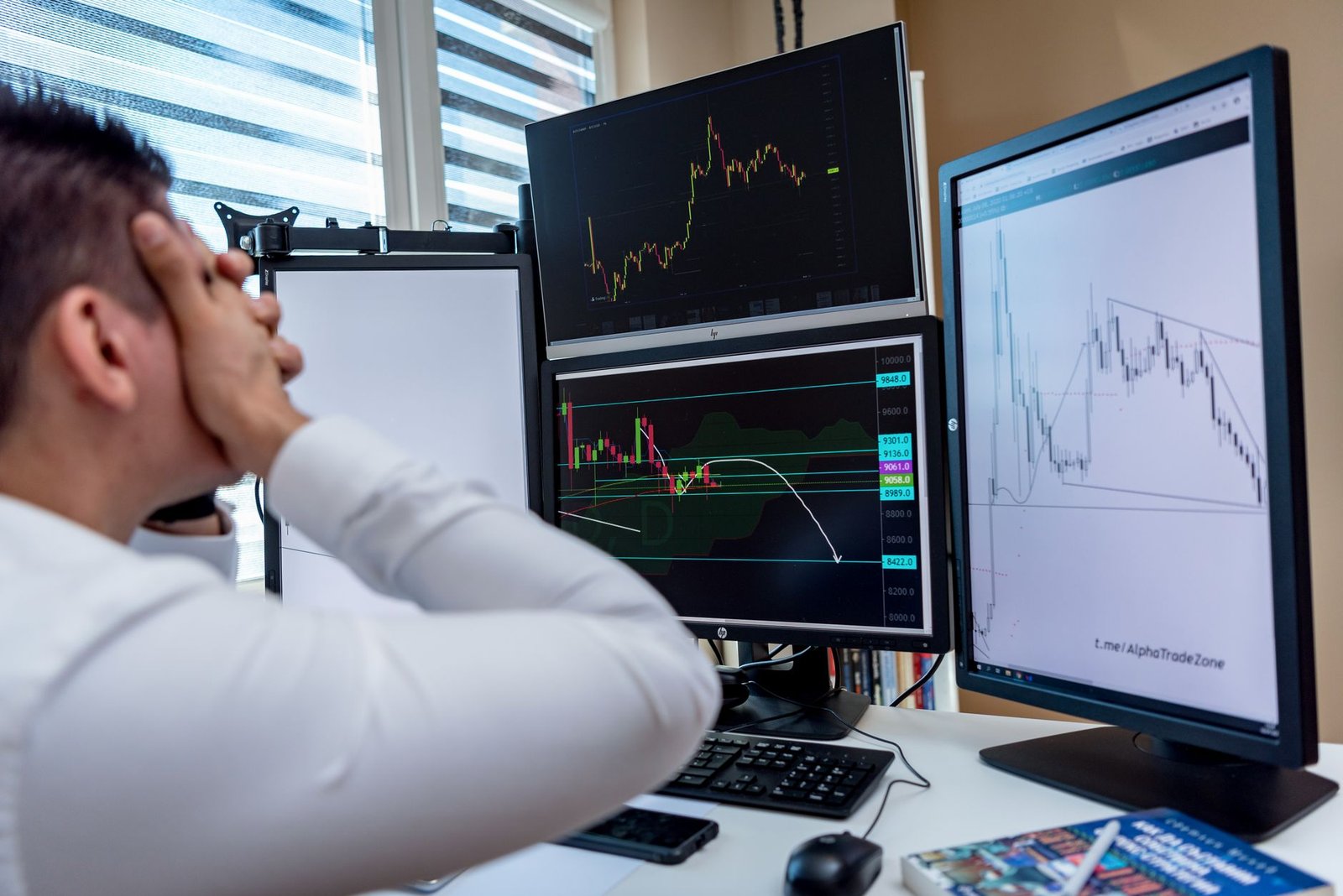
Cognitive biases significantly impact Indian investors by causing them to make irrational decisions based on emotions, flawed logic, or herd behaviour, rather than objective analysis, leading to increased risk and reduced returns.
Confirmation Bias: The Echo Chamber Effect
Confirmation bias is the tendency to search for, interpret, favour, and recall information in a way that confirms one’s pre-existing beliefs or hypotheses. For Indian investors, this means actively seeking out news or opinions that validate their existing stock picks while ignoring contradictory evidence. This can lead to holding onto losing investments for too long or missing out on better opportunities because they don’t fit the narrative.
Overconfidence Bias: Believing You’re a Market Guru
Overconfidence bias arises when investors overestimate their own abilities, knowledge, or the precision of their information. This can manifest as excessive trading, taking on too much risk, or believing they can consistently beat the market. Many Indian traders, especially after a few successful trades, fall prey to this, leading to impulsive decisions and larger-than-usual losses when the market inevitably corrects.
Herd Mentality: Following the Crowd
Herd mentality, or the fear of missing out (FOMO), causes investors to mimic the actions of a larger group, often without independent analysis. In India, this is frequently seen during speculative bubbles or market crashes, where investors jump on a trending stock or panic-sell alongside everyone else. This ‘wisdom of the crowd’ can quickly turn into ‘madness of the crowd,’ leading to buying at the peak and selling at the bottom.
Loss Aversion: The Pain of Losing
Loss aversion describes the psychological phenomenon where the pain of losing is felt more intensely than the pleasure of an equivalent gain. Indian investors might hold onto losing stocks far longer than they should, hoping to ‘break even,’ rather than cutting losses and reallocating capital to more promising opportunities. Conversely, they might sell winning stocks too early to lock in a small profit, fearing it might turn into a loss.
Anchoring Bias: Getting Stuck on a Number
Anchoring bias occurs when investors rely too heavily on the first piece of information offered (the ‘anchor’) when making decisions. For example, an investor might fixate on the purchase price of a stock and be reluctant to sell it unless it reaches that price again, even if market conditions have fundamentally changed. This can prevent objective valuation and timely exit or entry decisions.

How to overcome cognitive biases in trading
Overcoming cognitive biases requires a conscious effort to develop disciplined trading habits and logical decision-making processes. It involves acknowledging these psychological pitfalls and actively implementing strategies to counteract them.
- Educate Yourself: Understand the common cognitive biases and how they manifest in your own trading behaviour. Awareness is the first step.
- Develop a Trading Plan: Create a detailed trading plan with clear entry and exit rules, risk management parameters, and position sizing strategies before entering any trade. Stick to it rigorously.
- Keep a Trading Journal: Document all your trades, including the rationale behind each decision, your emotional state at the time, and the outcome. Reviewing this journal regularly helps identify patterns of biased behaviour.
- Seek Objective Data: Base your decisions on fundamental and technical analysis, not on tips, rumours, or emotional reactions. Utilise reliable data sources and analytical tools.
- Set Realistic Goals: Avoid setting overly ambitious return targets that can fuel overconfidence or lead to excessive risk-taking. Focus on consistent, sustainable growth.
- Practice Mindfulness: Be aware of your emotional state before and during trading. If you feel stressed, angry, or overly excited, step away from the screen.
- Automate Where Possible: Use stop-loss orders and limit orders to automate certain decisions, reducing the temptation to deviate from your plan due to emotional impulses. Consider using a sophisticated TradingView indicator to help automate some of these checks.
- Diversify Your Portfolio: While not a direct bias countermeasure, diversification can help mitigate the impact of a single bad decision driven by bias, as it spreads risk across different assets.
The Role of Technology in Mitigating Bias
Modern trading tools and platforms can play a crucial role in helping Indian investors overcome cognitive biases. For instance, a robust TradingView indicator can provide objective data-driven signals, reducing reliance on gut feelings. Automated alerts can prevent impulsive decisions, and backtesting tools allow traders to validate strategies based on historical data rather than emotional conviction. Finovatives.com offers such advanced tools, helping traders stay disciplined.

The Importance of Discipline and Patience
Discipline and patience are the cornerstones of successful investing, especially when battling cognitive biases. Discipline means adhering to your pre-defined trading strategy even when emotions urge you to deviate. Patience means waiting for the right opportunities that align with your strategy, rather than chasing every market fluctuation. Cultivating these virtues, perhaps through consistent practice with a ‘Trend Traders Tool’ or similar objective system, allows for rational decision-making over the long term, turning potential bias-induced losses into steady gains.
Frequently Asked Questions
What is the most common cognitive bias in investing?
Confirmation bias is widely considered the most common, where investors seek information confirming their existing beliefs and ignore contradicting data, leading to poor decision-making.
How does herd mentality affect stock prices in India?
Herd mentality can cause irrational exuberance, driving stock prices up beyond their intrinsic value, or panic selling, causing sharp market declines unrelated to fundamentals.
Can AI help in overcoming cognitive biases?
Yes, AI-powered tools can provide objective data analysis, identify emotional trading patterns, and offer unbiased recommendations, helping investors make more rational decisions.
Is loss aversion always bad for investors?
While it can lead to holding losing stocks too long, loss aversion can also encourage risk-averse behaviour, which can be beneficial for long-term investors aiming for capital preservation.
How can a new investor avoid falling for biases?
New investors should focus on education, create a strict trading plan, keep a journal to track decisions, and rely on objective data rather than tips or emotions.
What is the ‘sunk cost fallacy’ in trading?
The sunk cost fallacy is related to loss aversion, where investors continue to hold a losing asset because of the money already invested, rather than cutting losses based on future potential.
Key Takeaways
- Cognitive biases are psychological traps that systematically distort investment decisions.
- Confirmation bias, overconfidence, herd mentality, loss aversion, and anchoring are prevalent among Indian investors.
- These biases lead to irrational choices, increasing risk and reducing potential returns in the stock market.
- Developing a rigorous trading plan and keeping a detailed journal are essential mitigation strategies.
- Utilising objective data, practising mindfulness, and leveraging technology can help counter emotional decision-making.
- Discipline and patience are critical virtues for long-term investment success, helping to overcome emotional impulses.
- Financial education and self-awareness are the first lines of defence against cognitive biases.
Disclaimer: Investing in the stock market involves risks. Please consult with a qualified financial advisor before making any investment decisions. The information provided is for educational purposes only and does not constitute investment advice.







 Finovatives