


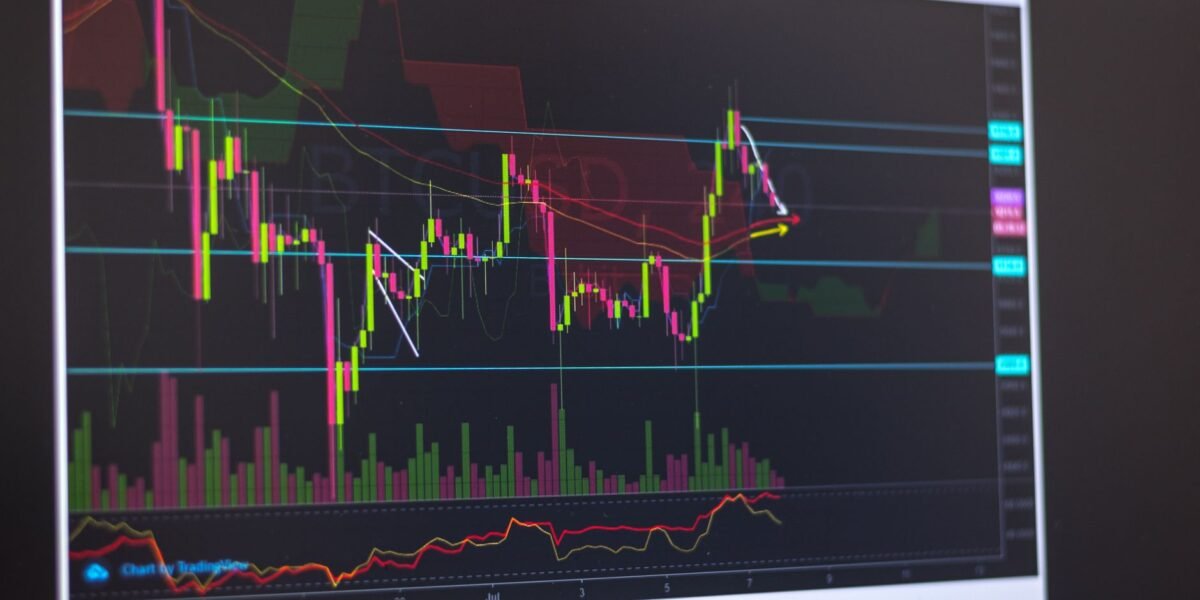
TL;DR: To calculate and file income tax on trading profits in India, you must first determine the nature of your trading activity (speculative or non-speculative business income, or capital gains) and then apply the relevant tax rates and deductions as per the Income Tax Act, 1961, before filing your Income Tax Return (ITR) accurately.
Key Stats at a Glance:
- Indian Income Tax Act, 1961 governs the taxation of trading profits.
- Capital Gains Tax rates in India: 10% (short-term on listed shares with STT) or 20% (long-term after indexation) or 15% (short-term on other assets).
- Business Income Tax rates: Applicable as per individual income tax slabs (5% to 30%).
- Over 7.5 crore retail investors registered on Indian stock exchanges as of early 2024.
- The due date for filing Income Tax Returns (ITRs) for individuals is typically July 31st of the assessment year.
Understanding the Taxation of Trading Profits in India
The taxation of trading profits in India is not a one-size-fits-all scenario; it depends critically on the nature of the trading activity and the instruments traded.
What are the different categories of trading income?
Trading income in India can broadly be classified into three main categories: Capital Gains, Business Income (non-speculative), and Speculative Business Income.
Capital Gains
This applies to profits from selling assets like stocks, mutual funds, property, gold, etc., held as investments. The tax treatment depends on the holding period.
- Short-Term Capital Gains (STCG): Profit from selling an asset held for 12 months or less (36 months for property, 24 months for some unlisted shares). Taxed at specific rates. For listed equity shares and equity-oriented mutual funds, if Securities Transaction Tax (STT) is paid, STCG is taxed at 15%. For other assets, it’s added to your total income and taxed at your slab rate.
- Long-Term Capital Gains (LTCG): Profit from selling an asset held for more than the specified period. For listed equity shares and equity-oriented mutual funds held for over 12 months and sold with STT, LTCG exceeding ₹1 lakh in a financial year is taxed at 10% without indexation. For other assets, LTCG is taxed at 20% after indexation benefits.
Business Income (Non-Speculative)
This typically applies to frequent trading activities where the intention is not long-term investment but profit from price fluctuations. If your trading is considered a business activity, the profits are treated as ‘Profits and Gains from Business or Profession’. These profits are then taxed at your applicable income tax slab rates (5% to 30%). This often applies to trading in F&O (Futures and Options), currency, commodities, and even intraday stock trading if it’s regular and substantial.
Speculative Business Income
As per Section 43(5) of the Income Tax Act, a speculative transaction is one where a contract for the purchase or sale of a commodity, including stocks and shares, is periodically offset either by a corresponding sale or purchase or by actual delivery or transfer. Only derivatives transactions that are settled by actual delivery are not considered speculative. Most intraday trading in stocks, if not squared off, and many commodity trades can fall under this. Speculative business income is taxed at your individual income tax slab rates, but importantly, losses from speculative business can only be set off against profits from other speculative business.
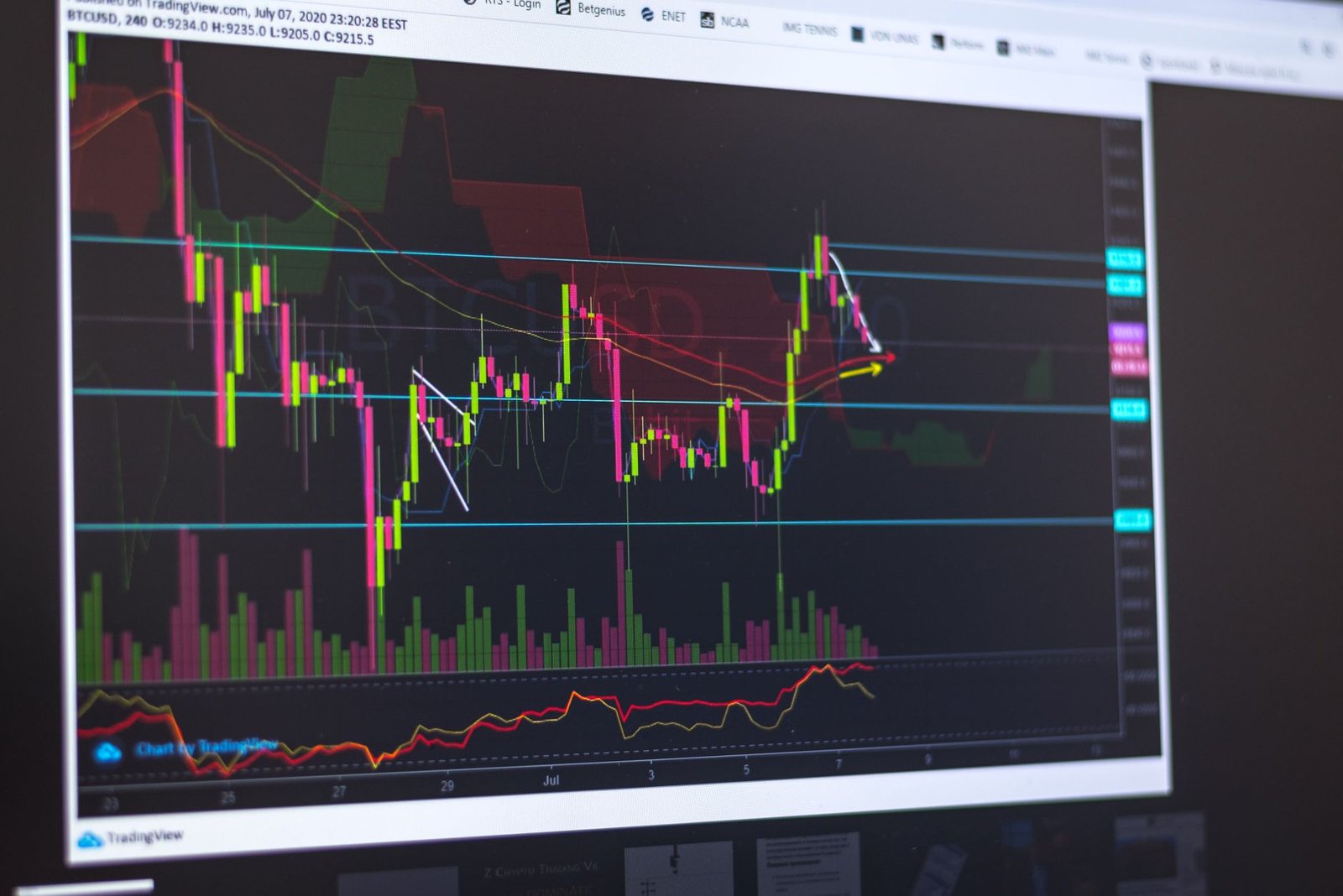
How to Calculate Your Trading Profits for Tax Purposes
Accurate calculation is the cornerstone of tax compliance. It involves identifying your trading transactions and categorising them correctly.
Distinguishing Between Capital Gains and Business Income
The Income Tax Department looks at several factors to determine if trading is a business or investment activity:
- Frequency and Volume of Trades: High frequency and volume often point towards business.
- Intention: Was the asset bought for investment appreciation or for short-term trading profits?
- Holding Period: Short holding periods are characteristic of trading.
- Nature of Instruments: Futures and Options are generally treated as business income.
- Source of Funds: Using business loans for trading can indicate a business activity.
Calculating Capital Gains
For STCG (listed shares with STT): Selling Price – Purchase Price = STCG. Taxable at 15%.
For LTCG (listed shares with STT): Selling Price – Indexed Purchase Price = LTCG. Taxable at 10% on gains over ₹1 lakh.
For other assets/non-STT transactions: Use cost inflation index for LTCG calculation. Add STCG to total income and tax at slab rates.
Calculating Business Income
Gross Profit: Total Revenue from Sales – Cost of Goods Sold (or relevant trading expenses). This is often calculated by summing up profits and losses from all trades within the financial year (April 1st to March 31st).
Net Profit: Gross Profit – Allowable Business Expenses. Expenses like brokerage, STT, exchange transaction charges, SEBI turnover fees, internet, software subscriptions, and a portion of home office expenses (if applicable) can be deducted.
Allowable Expenses for Trading Income
Deducting eligible expenses can significantly reduce your taxable trading income. It’s crucial to maintain detailed records for all your trading activities and related expenses.
What expenses can traders claim?
Expenses that can be claimed depend on whether your trading is classified as a business or capital gains. For business income, the following are generally allowable:
- Brokerage charges
- Securities Transaction Tax (STT)
- Exchange transaction charges (NSE, BSE, MCX)
- SEBI turnover fees
- DP charges
- Internet and telephone expenses (proportionate if used for personal use too)
- Depreciation on computers and software used for trading
- Interest paid on loans taken for trading purposes
- Subscription fees for financial news and research platforms
- Professional fees (accountant, tax advisor)
- Travel expenses related to attending trading seminars or client meetings (if applicable)
- A portion of home office expenses (rent, electricity, internet, etc.)
Deducting Losses
Capital Losses: Can be carried forward for up to 8 years to set off against future capital gains. Short-term capital losses can only be set off against short-term or long-term capital gains. Long-term capital losses can only be set off against long-term capital gains.
Business Losses (Non-Speculative): Can be carried forward for 8 years and set off against any head of income (business, salary, house property, etc.) in future years. Losses from intraday trading, if treated as business income, can be set off against other business income in the same year, but only if not speculative.
Speculative Losses: Can only be carried forward for 4 years and set off exclusively against speculative business profits.
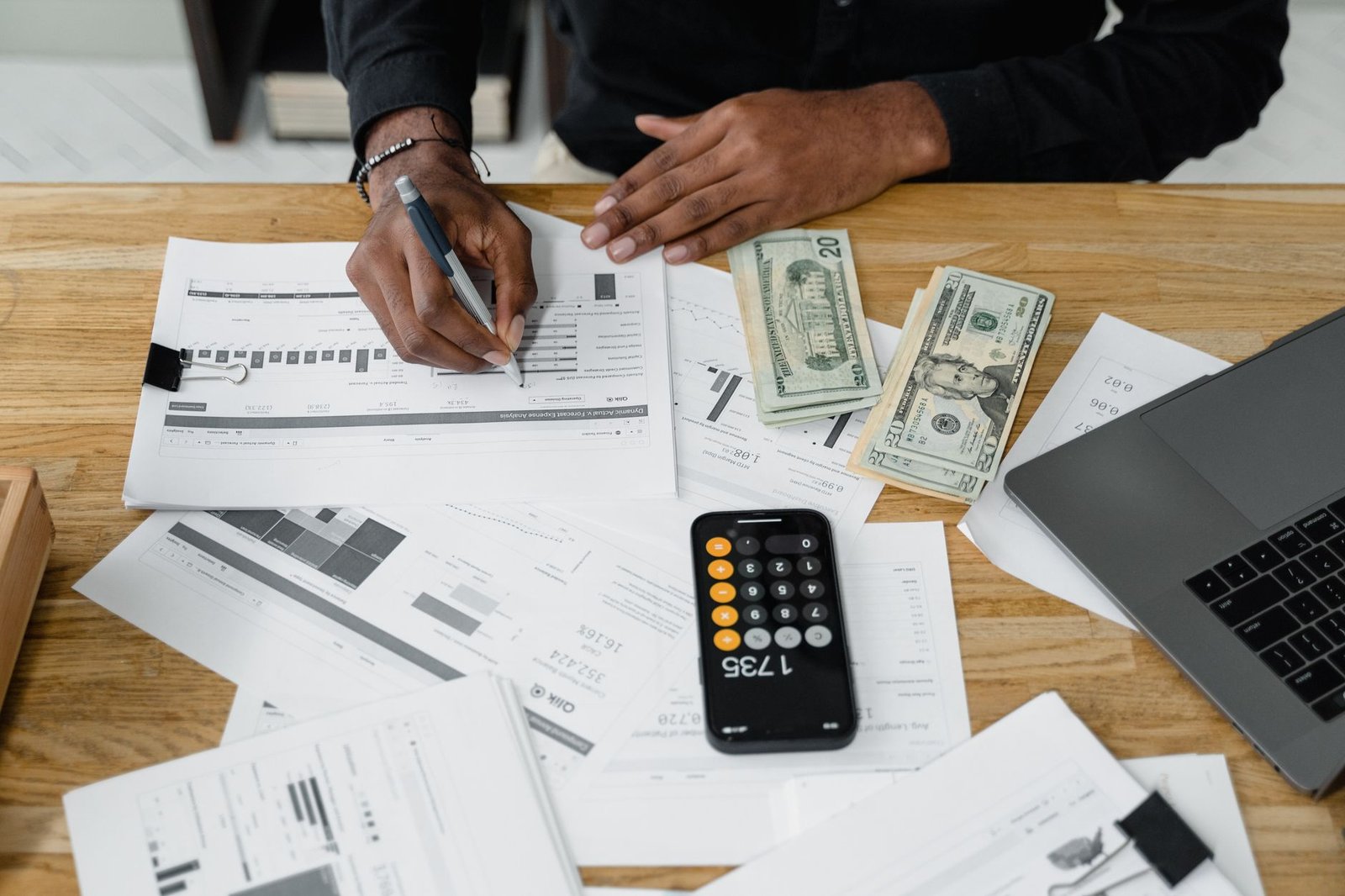
How to File Income Tax on Trading Profits
Filing your Income Tax Return (ITR) correctly is vital to report your trading income and pay the due tax. The process involves selecting the right ITR form and accurately reporting your income and deductions.
- Obtain Transaction Statements: Gather all contract notes, trade confirmations, and account statements from your broker(s) for the financial year.
- Categorise Your Trades: Classify each transaction as STCG, LTCG, or Business Income (speculative/non-speculative).
- Calculate Taxable Income: Calculate the net profit or loss for each category after deducting eligible expenses and considering carry-forward losses.
- Determine Applicable Tax Rates: Apply the correct tax rates for capital gains or slab rates for business income.
- Choose the Correct ITR Form: For most individual traders, ITR-2 (if only capital gains and no business income) or ITR-3 (if reporting business income, including speculative) is appropriate.
- Report Income in ITR: Accurately report your capital gains, business income, and losses under the respective schedules in your chosen ITR form.
- Claim Deductions and Losses: Ensure all allowable expenses and brought-forward losses are claimed.
- Calculate Total Tax Liability: Sum up the tax payable on all income sources.
- Pay Self-Assessment Tax: If tax is due, pay it before filing the return.
- File Your ITR: File the return electronically on the Income Tax Department’s portal (e-Filing portal) before the due date (usually July 31st).
- Verify Your Return: Complete the verification process (e-verify or send signed ITR-V) to submit your return.
Navigating Tax Implications: Common Scenarios
Understanding how specific trading instruments are taxed can prevent common errors.
Futures and Options (F&O) Trading
Profits and losses from F&O trading (stocks, indices, commodities, currencies) are generally treated as non-speculative business income. This means they are taxed at your individual income tax slab rates. Losses from F&O trading can be set off against other business income or carried forward for 8 years.
Intraday Trading
Intraday trading, where you buy and sell the same stock on the same day, can be tricky. If it’s a regular, substantial activity aimed at profit, it’s often treated as non-speculative business income taxed at slab rates. However, if it’s sporadic or considered a speculative transaction by the Income Tax Department, it falls under speculative business income, taxed at slab rates, with losses only set off against speculative profits.
Currency and Commodity Trading
Similar to F&O, profits and losses from trading in currency and commodity derivatives on recognised exchanges in India are typically treated as non-speculative business income and taxed accordingly. For direct trading of foreign currency or physical commodities, specific rules might apply.
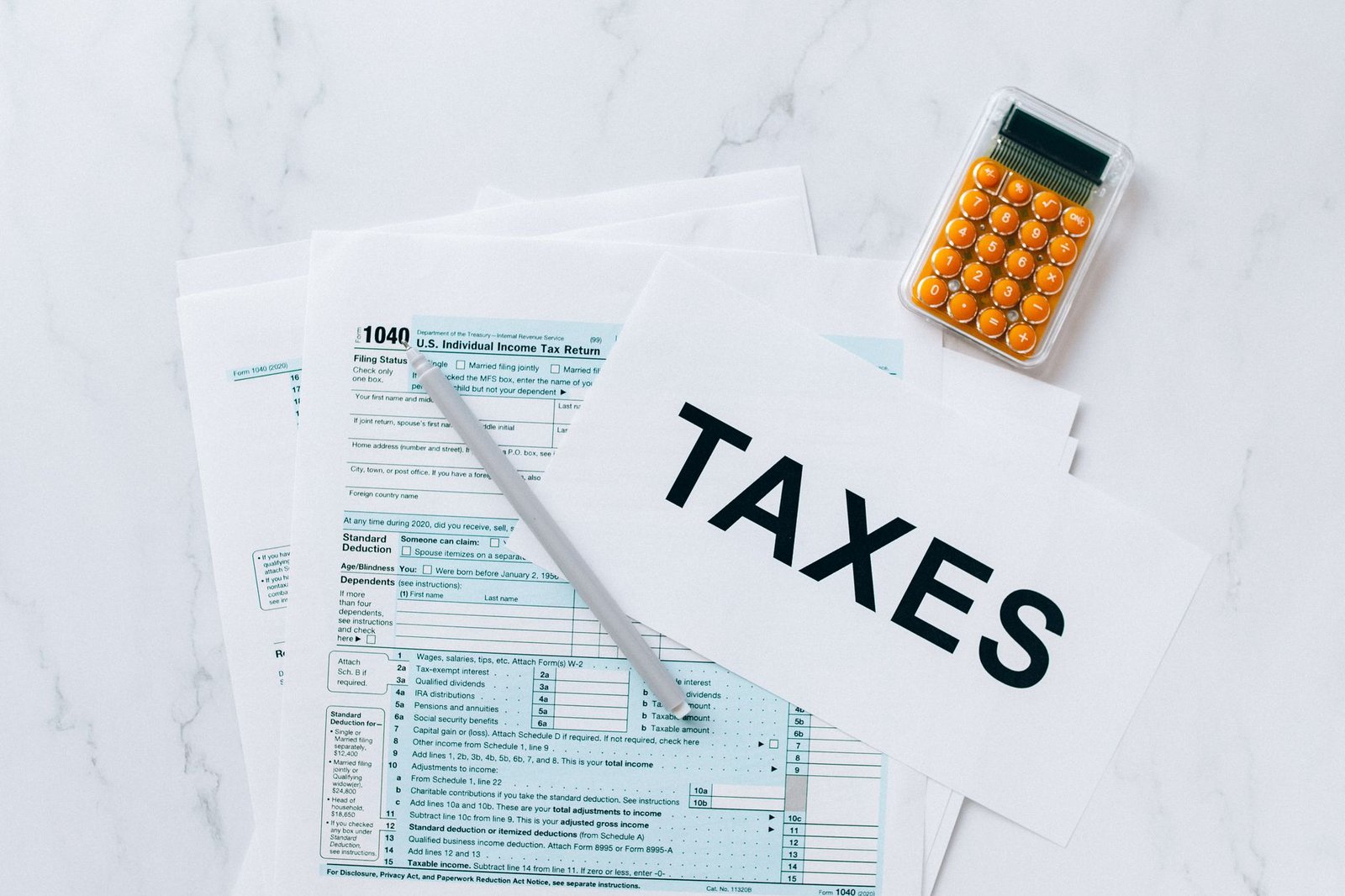
Tax Loss Harvesting Strategies
Tax loss harvesting is a strategy where you intentionally sell investments that have lost value to offset capital gains and potentially reduce your overall tax liability. This is applicable for capital gains. You can sell assets at a loss to offset realised capital gains in the same financial year. If your capital losses exceed your capital gains, you can carry forward the unused loss for up to 8 years to offset future capital gains.
Frequently Asked Questions
What is the tax rate for short-term capital gains from shares?
Short-term capital gains (STCG) on listed equity shares held for not more than 12 months, where Securities Transaction Tax (STT) has been paid, are taxed at a flat rate of 15%.
Can I set off losses from intraday trading against salary income?
If intraday trading is classified as speculative business income, losses can only be set off against speculative profits. If treated as non-speculative business income, it can be set off against other business income in the same year and carried forward for 8 years against any head of income.
Do I need to pay advance tax on trading profits?
Yes, if your estimated tax liability for the financial year from all sources, including trading profits, exceeds ₹10,000, you are required to pay advance tax in instalments throughout the year.
What if I don’t report my trading income?
Failure to report trading income can lead to penalties, interest charges, and scrutiny from the Income Tax Department. It can also affect your ability to obtain loans or visas.
Is STT deductible as an expense?
STT paid on the purchase and sale of listed equity shares is not deductible as a business expense. However, it is considered while calculating capital gains. For business income, it’s an allowable expense.
Key Takeaways
- Trading profits are taxed as Capital Gains, Non-Speculative Business Income, or Speculative Business Income, each with different rules.
- STCG on listed shares with STT is taxed at 15%; LTCG over ₹1 lakh is taxed at 10%.
- F&O, currency, and commodity derivative profits are generally treated as business income taxed at slab rates.
- Maintain meticulous records of all transactions and expenses for accurate tax calculation and claiming deductions.
- Understand the rules for setting off and carrying forward capital losses and business losses.
- File your Income Tax Return (ITR) accurately using the appropriate form (ITR-2 or ITR-3) before the due date.
- Consider consulting a tax professional for complex trading scenarios or significant profits/losses.
Disclaimer: All investments in the stock market are subject to market risks. This article is for informational purposes only and not intended as financial or tax advice. Consult with a qualified tax advisor for personalised guidance.






 Finovatives