



TL;DR: India’s auto sector is poised for robust growth, propelled by a young demographic, increasing disposable incomes, robust government policies favouring EVs, and a shift towards premiumisation, presenting lucrative investment avenues.
Key Stats at a Glance:
- India’s passenger vehicle sales expected to reach 5.5 million units by FY25.
- Electric vehicle (EV) penetration in India’s auto market projected to hit 30% by 2030.
- Automotive sector contributes 8% to India’s GDP.
- Over 60% of India’s population is below 35 years old, a key demographic for vehicle sales.
- Government’s PLI scheme for automotive sector aims to boost domestic manufacturing by ₹50,000 crore.
India’s Automotive Sector: A Growth Engine
India’s automotive sector is a cornerstone of its economy, experiencing dynamic shifts and offering compelling investment prospects driven by increasing consumer demand and government initiatives.
The Current Landscape
The Indian auto industry, a significant contributor to the nation’s Gross Domestic Product (GDP) and employment, is navigating a complex but promising phase. From a predominantly two-wheeler and budget car market, it’s evolving towards SUVs, premium vehicles, and electric mobility. Factors like a burgeoning middle class, rising disposable incomes, favourable demographics, and a push towards sustainable transportation are reshaping the market dynamics. Regulatory changes, such as stricter emission norms (BS-VI), have also spurred technological advancements and investments in cleaner technologies.
What are the key growth drivers for the Indian auto sector?
Key growth drivers include a young and aspirational population, increasing urbanisation leading to higher demand for personal mobility, government incentives for manufacturing and EV adoption, and export potential.
- Demographic Dividend: A large, young population entering their prime car-buying years fuels demand.
- Economic Growth: Rising per capita income and a growing middle class enhance purchasing power for vehicles.
- Government Support: Policies like the Faster Adoption and Manufacturing of Hybrid and Electric Vehicles (FAME) scheme and Production Linked Incentive (PLI) schemes for automobiles and components provide significant impetus.
- Infrastructure Development: Improved road networks make vehicle ownership more practical and desirable.
- Technological Advancements: Adoption of global technologies, including connected car features and advanced safety systems.

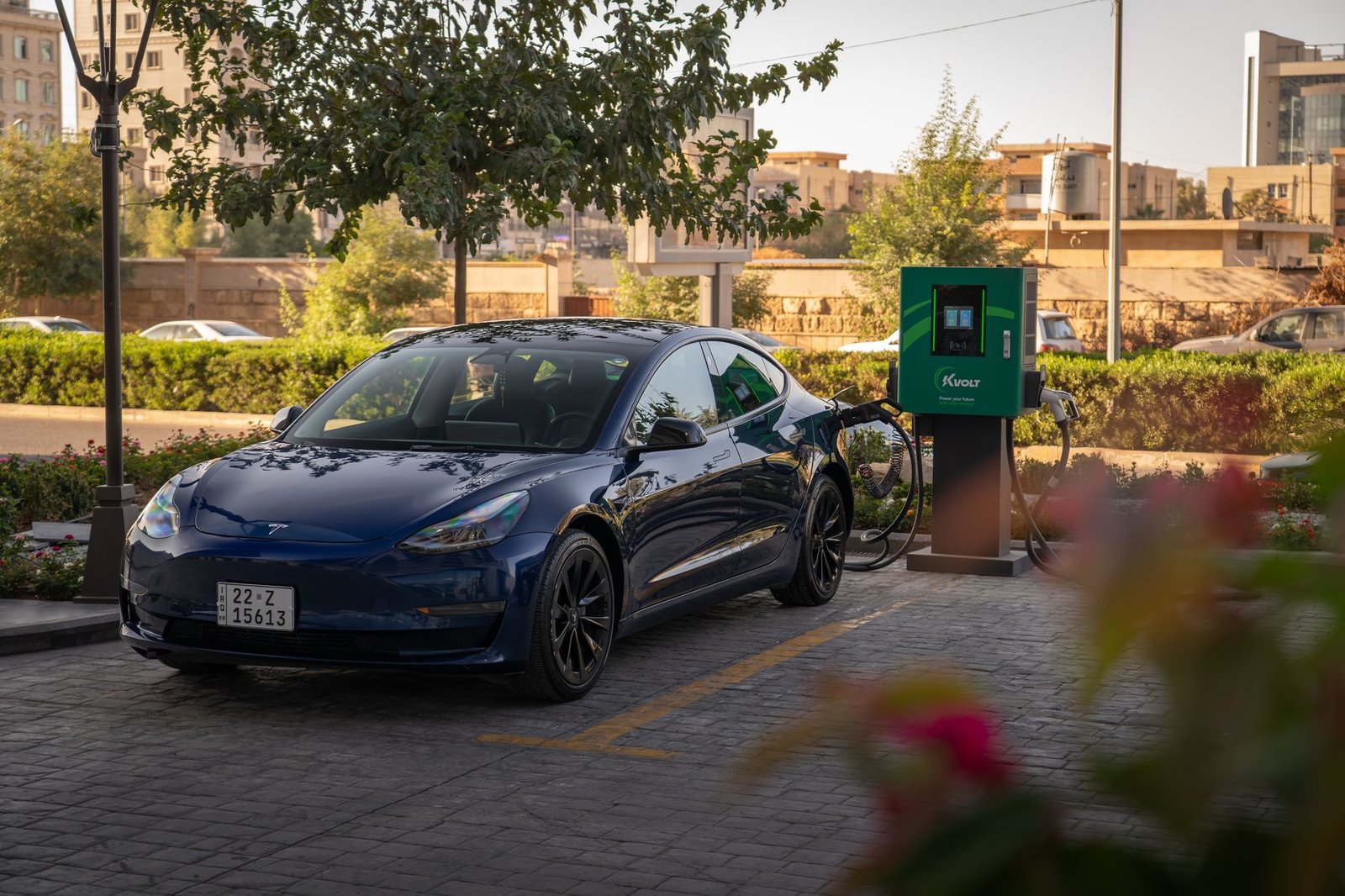
Shifting Gears: The Electric Vehicle (EV) Revolution
The transition to electric vehicles is arguably the most significant trend reshaping the Indian automotive landscape, presenting both challenges and immense opportunities for investors.
Why is the EV transition important for India?
The EV transition is crucial for India to reduce its reliance on fossil fuel imports, curb air pollution in urban centres, and meet its climate change commitments, aligning with global sustainability goals.
- Environmental Imperative: Reducing carbon emissions and improving air quality in heavily polluted cities.
- Energy Security: Decreasing dependence on imported crude oil, thus improving the trade balance.
- Technological Leapfrog: An opportunity for India to become a global manufacturing hub for EVs and components.
- Cost Savings for Consumers: Lower running costs due to cheaper electricity compared to petrol/diesel and reduced maintenance.
Challenges in EV Adoption
Despite the strong push, widespread EV adoption faces hurdles such as high upfront costs of EVs, inadequate charging infrastructure, range anxiety among consumers, and the need for a robust battery manufacturing ecosystem and recycling processes. Addressing these challenges requires sustained policy support, technological innovation, and significant private sector investment.
Opportunities in the EV Ecosystem
The burgeoning EV market opens doors for various players, from vehicle manufacturers and component suppliers to charging infrastructure providers, battery technology companies, and software developers. Companies focusing on electric two-wheelers and three-wheelers are currently leading the charge due to lower price points and suitability for short urban commutes. The passenger EV segment is also gaining traction, albeit slowly.
How to Invest in India’s EV Growth Story
- Identify Key Players: Research established automotive manufacturers actively investing in EV technology and new-age EV startups.
- Focus on Components: Look for companies manufacturing EV-specific components like batteries, motors, power electronics, and charging equipment.
- Infrastructure Development: Consider companies involved in setting up and operating EV charging networks.
- Battery Technology: Invest in firms developing advanced battery chemistries, manufacturing capabilities, or battery recycling solutions.
- Ancillary Services: Explore opportunities in areas like battery swapping, fleet management for EVs, and EV software solutions.
- Diversify: Spread investments across different segments of the EV value chain to mitigate risks.
Premiumisation and Feature Enhancement
Alongside electrification, a noticeable trend is the ‘premiumisation’ of the Indian auto market. Consumers, especially in urban areas, are increasingly willing to spend more on vehicles offering better features, enhanced safety, superior performance, and advanced connectivity.
What is meant by premiumisation in the auto sector?
Premiumisation refers to the consumer trend of opting for higher-value, feature-rich, and more sophisticated products over basic or entry-level options, reflecting aspirations and improved purchasing power.
- Feature-Rich Vehicles: Demand for vehicles equipped with sunroofs, advanced infotainment systems, connected car technology, and sophisticated driver-assistance systems (ADAS) is rising.
- SUV Dominance: Sport Utility Vehicles (SUVs) continue to capture a significant market share, driven by their perceived robustness, space, and commanding road presence.
- Brand Aspirations: Consumers are increasingly associating vehicle brands with lifestyle and status, leading them towards premium offerings.
Technological Integration and Digitalisation
Technology is not just about EVs; it’s about transforming the entire ownership experience. Connected car technologies, AI-driven diagnostics, over-the-air (OTA) updates, and digital sales platforms are becoming standard expectations.
What role does technology play in the modern auto industry?
Technology is revolutionising vehicle design, manufacturing, performance, safety, and the customer experience, driving innovation and creating new business models within the automotive ecosystem.
- Connected Cars: Vehicles equipped with internet connectivity allow for real-time navigation, remote diagnostics, entertainment, and communication.
- Autonomous Driving Features: While full autonomy is distant, advanced driver-assistance systems (ADAS) like adaptive cruise control, lane-keeping assist, and automatic emergency braking are increasingly common.
- Digital Sales & Service: Online booking, virtual showrooms, contactless deliveries, and app-based servicing are enhancing customer convenience.
- Data Analytics: Utilising vehicle data for predictive maintenance, performance optimisation, and personalised customer experiences.
Investment Opportunities in the Auto Sector
The confluence of these trends presents a fertile ground for astute investors. Identifying companies that are well-positioned to capitalise on these shifts is key.
Automotive Manufacturers
Focus on manufacturers with strong product pipelines in both internal combustion engine (ICE) vehicles and EVs, a robust distribution network, and a proven track record of innovation. Companies leading in specific segments like electric two-wheelers or those aggressively expanding their SUV portfolio are attractive.
Component Suppliers
The ‘Make in India’ initiative and the rise of EVs create significant opportunities for component manufacturers. Companies supplying critical EV components like batteries, electric powertrains, and advanced electronics, as well as those modernising their ICE component offerings, are worth considering. A company offering a robust TradingView indicator like the Trend Traders Tool can help identify entry points for these stocks.
Ancillary Services and Infrastructure
The EV charging infrastructure and battery swapping/recycling segments represent nascent but high-growth areas. Companies involved in developing, manufacturing, or operating charging stations, or those involved in battery lifecycle management, could offer substantial long-term returns.
Financial Services & Insurance
The growth in vehicle sales directly benefits auto finance companies and general insurance providers that cater to the automotive sector. As vehicle complexity increases, so does the need for specialised insurance products.

How to Analyse Auto Sector Stocks
- Financial Health: Examine revenue growth, profitability (margins), debt levels, and cash flow generation.
- Market Share & Competition: Assess the company’s market position, competitive advantages, and ability to gain or maintain market share.
- Product Portfolio & R&D: Evaluate the strength and relevance of their current product offerings and their investment in future technologies (especially EVs and hybrids).
- Management Quality: Consider the experience and strategic vision of the management team.
- Regulatory Environment: Stay informed about government policies related to emissions, safety, EVs, and manufacturing incentives.
- Valuation: Compare key valuation multiples (P/E, P/B, EV/EBITDA) against industry peers and historical averages.
- Macroeconomic Factors: Understand how interest rates, inflation, and overall economic growth impact vehicle demand.
Frequently Asked Questions
What is the outlook for the Indian auto sector in the next five years?
The outlook is highly positive, driven by increasing demand, government support for EVs and manufacturing, and a growing economy. Expect strong growth, particularly in the EV segment.
Which sub-sectors within the auto industry are most promising?
Electric vehicles (especially two and three-wheelers), component manufacturers catering to EVs, charging infrastructure providers, and companies focusing on premiumisation and advanced features are the most promising.
Are there any risks associated with investing in the auto sector?
Risks include intense competition, supply chain disruptions (like semiconductor shortages), fluctuating raw material prices, dependence on government policies, and the high capital expenditure required for R&D and manufacturing.
How does government policy impact the auto sector?
Government policies significantly impact the sector through incentives for EV adoption (FAME, PLI), emission norms (BS-VI), taxation, and infrastructure development, directly influencing growth and investment trends.
What is the role of technology in the future of the Indian auto industry?
Technology is central, driving the EV transition, enabling connected and autonomous features, improving manufacturing efficiency, and reshaping customer sales and service experiences. It’s key to future competitiveness.
Key Takeaways
- India’s auto sector is experiencing a robust growth phase, fuelled by demographic, economic, and policy tailwinds.
- The electric vehicle revolution is a dominant trend, creating significant investment opportunities across the value chain.
- Premiumisation and technological integration (connected cars, ADAS) are reshaping consumer preferences and product development.
- Component manufacturers, especially those aligned with EV technology, are poised for substantial growth.
- Ancillary services like EV charging infrastructure and battery management are emerging high-potential areas.
- Thorough analysis of financial health, market position, technological adoption, and regulatory landscape is crucial for investment decisions.
Investing in the stock market involves inherent risks, and the value of investments can fluctuate. Consult with a qualified financial advisor before making any investment decisions.






 Finovatives