


TL;DR: A disciplined trading mindset in the Indian stock market involves mastering emotional control, adhering strictly to a trading plan, and continuously learning from every trade, ultimately leading to consistent profitability.
Key Stats at a Glance:
- Nifty 50 volatility: Typically ranges from 10-20% annually.
- Average retail investor success rate: Estimated below 15% in the first year.
- Trading plan adherence impact: Can reduce trading errors by up to 70%.
- Psychological trading errors: Account for an estimated 80% of trading losses.
- Average recovery time for a single trading loss: 3-5 subsequent winning trades.
What is a Disciplined Trading Mindset?
A disciplined trading mindset is the ability to consistently execute a pre-defined trading strategy without succumbing to emotional impulses like fear, greed, or impatience.

This mental fortitude is paramount for navigating the inherent volatility of markets like the NSE and BSE. It means sticking to your trading plan, managing risk meticulously, and making rational decisions based on analysis rather than gut feelings. Without discipline, even the most sophisticated trading strategies can lead to significant losses. It’s the bedrock upon which successful trading careers are built, allowing traders to capitalize on opportunities while mitigating potential downsides. For Indian retail traders, who often face unique market dynamics and psychological pressures, cultivating this discipline is not just beneficial – it’s essential.
Why is Trading Discipline Crucial for Indian Retail Traders?
Trading discipline is crucial for Indian retail traders because it directly combats the emotional pitfalls that lead to most trading losses, thereby enhancing consistency and profitability in volatile markets.
Overcoming Emotional Trading
Emotions like fear and greed are the antithesis of rational trading. Fear can cause a trader to exit profitable positions prematurely or avoid entering trades altogether, while greed can lead to over-leveraging or holding onto losing positions for too long. The Indian stock market, with its rapid movements, can amplify these emotions. A disciplined approach involves acknowledging these feelings but making decisions based on pre-set rules, not emotional reactions. For instance, a stop-loss order, when placed and adhered to, acts as a barrier against fear-driven exits.
Adhering to a Trading Plan
A well-defined trading plan is the roadmap for any successful trader. It outlines entry and exit criteria, risk management rules (like position sizing and stop-loss levels), and profit targets. Discipline means following this plan religiously, even when faced with tempting deviations or the urge to chase short-term gains. The National Stock Exchange (NSE) and Bombay Stock Exchange (BSE) offer vast opportunities, but without a plan, these opportunities can become traps. Consistency in executing the plan is key to identifying what works and what doesn’t over the long term.

Managing Risk Effectively
Risk management is not just about setting stop-losses; it’s a holistic approach to protecting capital. Discipline ensures that risk per trade is kept within acceptable limits, typically 1-2% of total trading capital. This prevents a single losing trade from devastating an account. It also means understanding position sizing, which is directly linked to volatility and the trader’s risk tolerance. A disciplined trader never risks more than they can afford to lose, understanding that capital preservation is the first step to sustained trading success.
Key Components of a Disciplined Trading Mindset
A disciplined trading mindset is built upon several foundational elements: rigid adherence to a trading plan, robust risk management, and constant emotional self-awareness.
1. Develop a Comprehensive Trading Plan
A trading plan is the cornerstone of a disciplined approach. It must be detailed, covering your trading goals, risk tolerance, market analysis methods, entry and exit strategies, and even your daily routine. The plan should be realistic and tailored to your individual circumstances and experience level. Reviewing and refining this plan periodically, based on performance data, is also part of the discipline.
2. Master Emotional Control
This involves recognizing your emotional triggers and developing coping mechanisms. Techniques like mindfulness, deep breathing exercises, and journaling your trading emotions can be highly effective. The goal is to achieve a state of detachment where decisions are made logically, not reactively. Understanding that losses are an inevitable part of trading helps in managing the psychological impact of setbacks.
3. Implement Strict Risk Management Rules
This is non-negotiable. Discipline means adhering to your pre-defined risk-per-trade percentage, using stop-loss orders diligently, and avoiding over-leveraging. It also extends to position sizing – ensuring that the amount invested in any single trade is proportionate to your overall capital and risk appetite. SEBI regulations also emphasize risk disclosure, underscoring the importance of capital protection.

4. Practice Patience and Consistency
Discipline fosters patience. It means waiting for the right trading setups that align with your plan, rather than forcing trades out of boredom or impatience. Consistency in executing your strategy, even during periods of drawdown, is vital. This unwavering approach allows for reliable performance tracking and strategy refinement.
5. Embrace Continuous Learning and Review
A disciplined trader views every trade, win or lose, as a learning opportunity. Regularly reviewing your trading journal helps identify patterns in your decision-making, emotional responses, and the effectiveness of your strategy. This self-assessment is critical for ongoing improvement and adaptation to changing market conditions.
How to Develop a Disciplined Trading Mindset
Cultivating a disciplined trading mindset requires a structured, step-by-step approach focused on self-awareness, planning, and consistent execution.
- Define Clear Trading Objectives: Understand why you are trading and what you aim to achieve. Set realistic short-term and long-term goals.
- Create a Detailed Trading Plan: Document your strategy, including entry/exit rules, risk management (stop-loss, position size), and profit targets. Make it your trading bible.
- Start with a Demo Account: Practice your strategy and discipline without risking real capital. This helps build confidence and identify flaws.
- Implement Strict Risk Management: Decide on your maximum risk per trade (e.g., 1%) and stick to it. Never deviate, even on a ‘sure thing’.
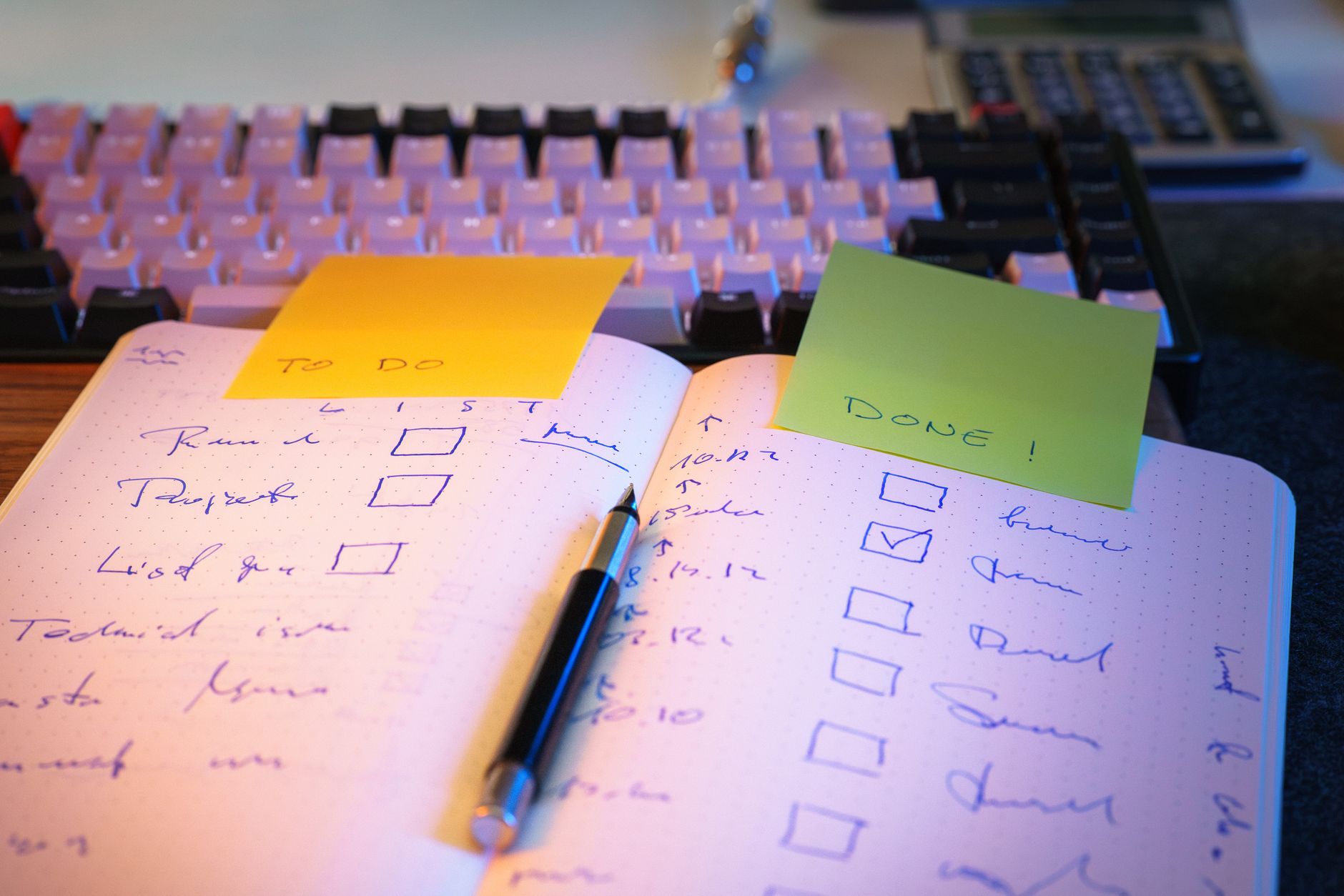
- Keep a Trading Journal: Record every trade, including your rationale, emotional state, and the outcome. Review it regularly to identify patterns and mistakes.
- Practice Emotional Detachment: Acknowledge emotions but don’t act on them. Use techniques like mindfulness or step away from the screen if feeling overwhelmed.
- Set Realistic Expectations: Understand that trading involves losses. Focus on the process and long-term profitability, not just quick wins.
- Seek Feedback and Mentorship: Discuss your trading with experienced traders or mentors to gain new perspectives and identify blind spots.
Common Pitfalls to Avoid
Navigating the path to trading discipline is fraught with common psychological traps that can derail even the most well-intentioned trader.
Revenge Trading
This is the urge to immediately re-enter the market after a loss to ‘win back’ the money lost. It’s driven by ego and frustration and rarely involves a sound trading strategy, often leading to further losses.
Overtrading
Excessive trading, often driven by boredom, a fear of missing out (FOMO), or the belief that more trades equal more profit. It increases transaction costs and the likelihood of making poor decisions.
Chasing the Market
Jumping into a trade late, after a significant price move has already occurred, driven by FOMO. This often results in entering at unfavourable prices and facing immediate reversals.
Ignoring the Trading Plan
Deviating from the established rules due to impulse, a sudden ‘hunch’, or the allure of a ‘special opportunity’. This undermines the entire purpose of having a plan.
Frequently Asked Questions
How can I control my emotions while trading?
Practice mindfulness, deep breathing, and take short breaks. Keep a trading journal to understand your emotional triggers and develop strategies to manage them objectively.
What is the most important aspect of a trading plan?
Risk management is paramount. A robust plan must clearly define your maximum risk per trade and your stop-loss strategy to protect your capital.
Should I always follow my trading plan, even if it feels wrong?
Yes, discipline means sticking to your tested plan. If the plan is consistently underperforming, the discipline lies in objectively reviewing and adjusting it, not in abandoning it impulsively.
How long does it take to develop a disciplined trading mindset?
Developing true discipline is an ongoing journey, not a destination. It can take months to years of consistent practice, self-reflection, and learning from mistakes.
Can I use TradingView indicators to help with discipline?
Yes, reliable TradingView indicators can help by providing objective signals that align with your strategy, reducing reliance on subjective judgment and emotional impulses.
What is the role of a trading journal in discipline?
A trading journal is crucial for self-awareness. It helps you track your trades, identify emotional biases, and review the effectiveness of your strategy, reinforcing disciplined behaviour.
Key Takeaways:
- A disciplined trading mindset is essential for consistent profitability in volatile markets like India’s.
- Emotional control is key; avoid decisions driven by fear, greed, or impatience.
- Always adhere to a well-defined trading plan and strict risk management rules.
- Patience, consistency, and continuous learning are hallmarks of a disciplined trader.
- Regularly review your trades and emotional responses to identify areas for improvement.
- Tools like TradingView indicators can support a disciplined approach by providing objective data.
- Developing discipline is an ongoing process requiring self-awareness and commitment.
Trading involves significant risk and is not suitable for all investors. Ensure you understand the risks before trading.



 Finovatives