


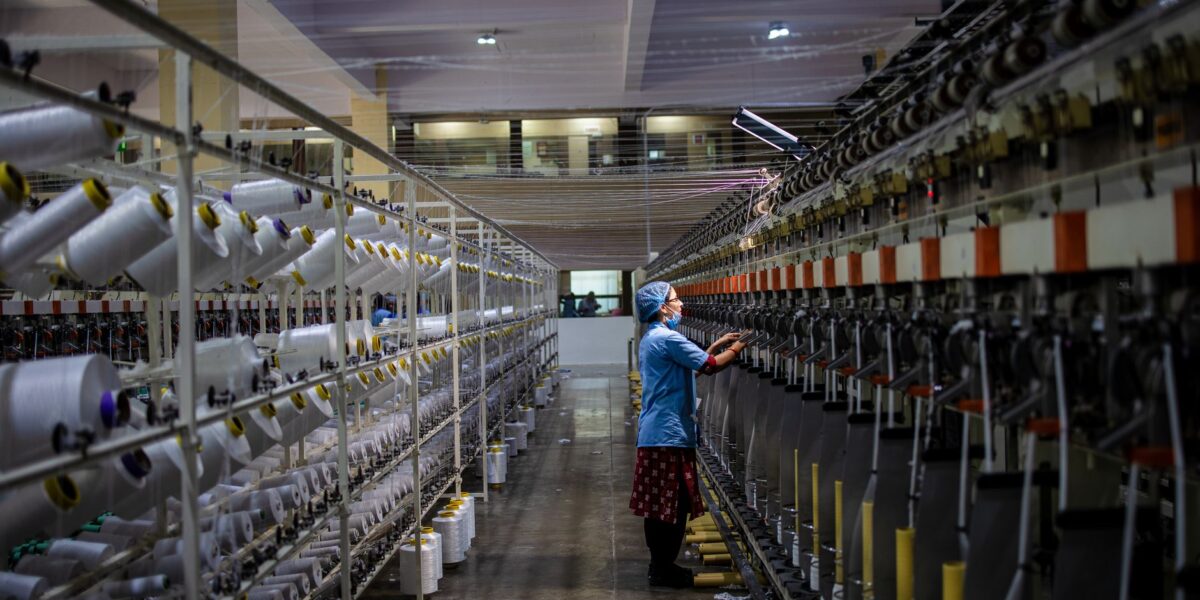
TL;DR: The Indian pharmaceutical sector offers robust long-term growth prospects for investors, underpinned by strong domestic demand, increasing export competitiveness, and favourable government policies, making it a strategic addition to diversified portfolios.
Key Stats at a Glance:
- Indian Pharmaceutical Market Size (2023): Estimated at US$50 billion.
- Projected Market Growth (2026): Expected to reach US$65 billion.
- Exports Contribution: Pharmaceuticals account for approximately 50% of the industry’s revenue.
- R&D Spending: Leading Indian pharma companies invest 8-10% of revenue in research and development.
- API Dominance: India is the 3rd largest producer of Active Pharmaceutical Ingredients (APIs) globally.
What is the long-term outlook for the Indian pharma sector?
The long-term outlook for the Indian pharma sector is exceptionally bright, driven by consistent domestic consumption, a growing focus on generics and biosimilars for export markets, and government initiatives promoting manufacturing and innovation.
India’s pharmaceutical industry has established itself as a global powerhouse, often dubbed the ‘Pharmacy of the World’. This reputation is built on a foundation of cost-effective manufacturing, skilled scientific talent, and a large domestic market experiencing rising healthcare awareness and affordability. The sector’s resilience, demonstrated even during global economic downturns, highlights its defensive characteristics. For long-term investors, this translates into a potentially stable yet growing asset class. Factors like an ageing population, increasing prevalence of lifestyle diseases, and a burgeoning middle class will continue to fuel domestic demand. Simultaneously, India’s strength in producing high-quality, affordable generic medicines positions it favourably for sustained growth in international markets, particularly in regulated markets like the US and Europe.
Furthermore, government initiatives such as the Production Linked Incentive (PLI) schemes are designed to boost domestic manufacturing capabilities, reduce import dependence for critical raw materials (like Key Starting Materials and Drug Intermediates), and encourage R&D. These policies are expected to further enhance the sector’s competitiveness and attract further investment. The increasing focus on specialty pharmaceuticals, biologics, and contract research and manufacturing services (CRAMS) also presents new avenues for growth and value creation.
How can investors approach pharma sector analysis?
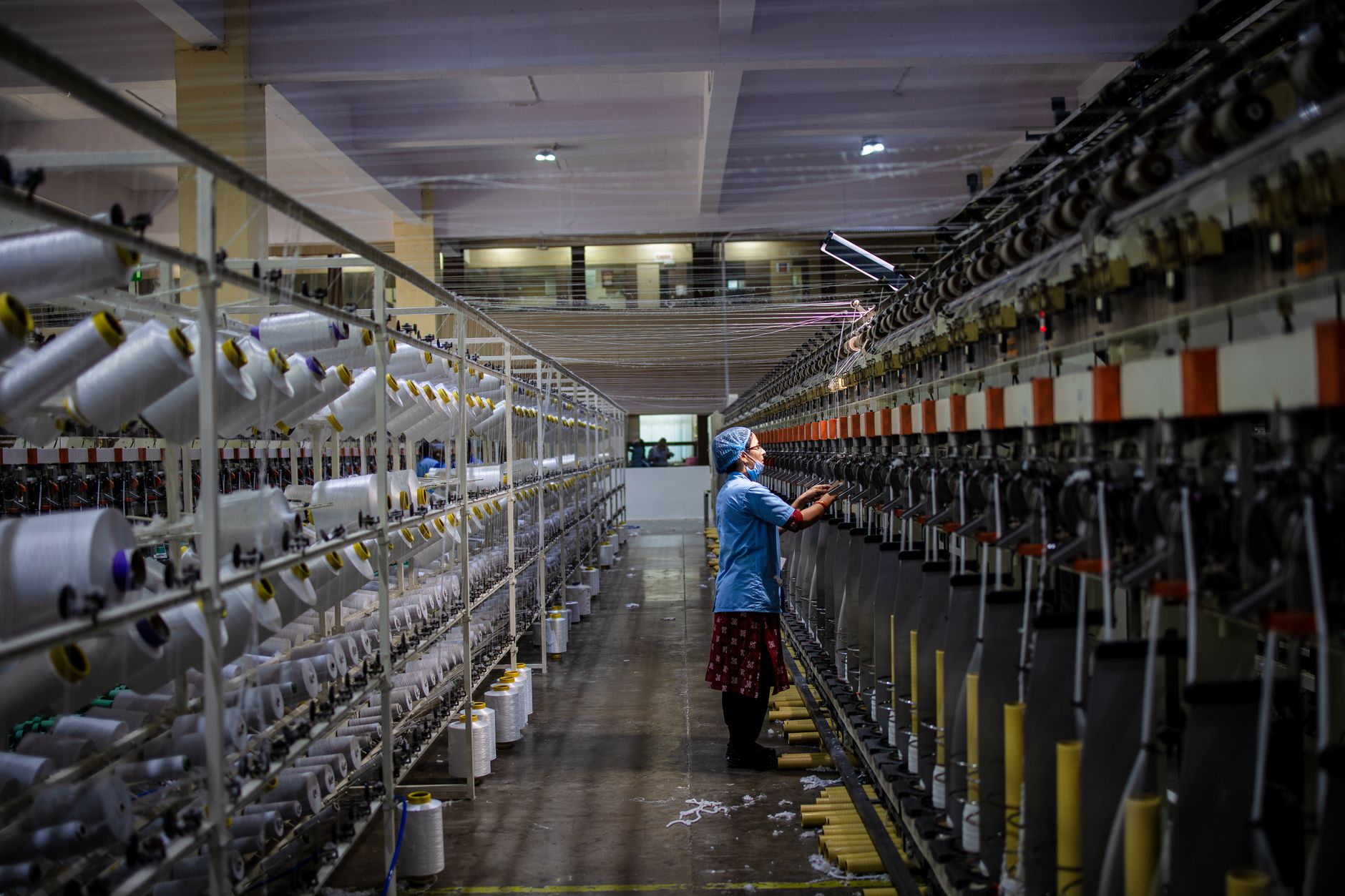
Investors can approach pharma sector analysis by evaluating macroeconomic trends, regulatory environments, sub-segment growth drivers, and individual company fundamentals, focusing on R&D capabilities, product pipelines, and market positioning.
A comprehensive analysis requires looking beyond surface-level metrics. Understanding the global and domestic healthcare landscape is paramount. This includes tracking disease prevalence, healthcare spending patterns, and demographic shifts. For instance, the rising incidence of chronic diseases like diabetes and cardiovascular conditions in India directly impacts demand for specific drug categories. Similarly, the global push for accessible healthcare solutions sustains the demand for generic drugs, a forte of Indian manufacturers.
The regulatory landscape is another critical component. Adherence to stringent quality standards set by bodies like the US FDA and EMA is non-negotiable for export-oriented firms. Investors must monitor regulatory approvals, import alerts, and compliance issues, as these can significantly impact a company’s revenue and reputation. India’s own regulatory framework, overseen by authorities like the Central Drugs Standard Control Organisation (CDSCO), also plays a role in shaping the domestic market dynamics.
Understanding Sub-Segments
The pharmaceutical sector is not monolithic. It comprises several distinct sub-segments, each with its own growth trajectory and risk profile:
- Generics: This remains the largest segment, driven by patent expiries of blockbuster drugs and demand for affordable alternatives. Indian companies have a strong global presence here.
- Formulations: These are the finished dosage forms (tablets, capsules, injectables) sold to consumers. Both domestic and export markets are significant.
- APIs (Active Pharmaceutical Ingredients): India is a major global supplier of APIs, the core chemical components of drugs. Supply chain dynamics and import reliance are key factors here.
- Biosimilars and Biologics: This is a high-growth area, involving complex protein-based drugs. It requires significant R&D investment and regulatory expertise.
- Contract Research and Manufacturing Services (CRAMS): Indian companies are increasingly becoming preferred partners for global pharma giants for R&D and manufacturing, offering cost advantages and skilled services.

Key Financial Metrics to Track
When analysing individual pharma companies, investors should focus on:
- Revenue Growth: Consistent year-on-year growth, both in domestic and international markets.
- Profitability Margins: Operating Profit Margin (OPM) and Net Profit Margin (NPM) indicate efficiency and pricing power.
- R&D Expenditure: A sustained investment in R&D as a percentage of sales (typically 5-10%) signals a focus on future growth and pipeline development.
- Debt-to-Equity Ratio: Lower ratios indicate financial stability and reduced risk.
- Return Ratios: Return on Equity (ROE) and Return on Capital Employed (ROCE) show how effectively management is using shareholder funds and capital.
What are the growth drivers for Indian pharma companies?
Key growth drivers include increasing domestic healthcare expenditure, a rising demand for generic and biosimilar drugs globally, government support through policy initiatives, and the expanding capabilities in contract manufacturing and research.
The ‘Pharmacy of the World’ narrative continues to be strengthened by several interconnected factors. Domestically, India’s population, with its growing middle class, increasing health consciousness, and the rising burden of non-communicable diseases, provides a substantial and expanding market. Government health insurance schemes and increased out-of-pocket spending on healthcare further bolster this demand. The ‘Make in India’ initiative, coupled with specific pharmaceutical sector PLI schemes, incentivises local manufacturing, potentially reducing import dependence and fostering self-sufficiency, especially for critical drug intermediates and APIs.
Internationally, the demand for affordable generics remains robust, particularly in developed markets facing healthcare cost pressures. Indian companies, with their established expertise in complex chemistry and large-scale manufacturing, are well-positioned to capture this market share. The growing acceptance and adoption of biosimilars, which offer significant cost savings over originator biologics, present another major growth avenue. Furthermore, the global trend of outsourcing R&D and manufacturing activities to reliable, cost-effective partners has propelled the CRAMS segment. Indian players are increasingly investing in capabilities to attract more complex projects, moving up the value chain from simple contract manufacturing to integrated research and development services.

Emerging Trends to Watch
- Specialty Chemicals & APIs: Greater focus on complex APIs and intermediates, reducing reliance on imports.
- Digital Health Integration: Adoption of digital tools for patient engagement, supply chain management, and R&D.
- Sustainability Focus: Growing emphasis on Environmental, Social, and Governance (ESG) factors in operations and reporting.
- Vaccine Manufacturing: India’s established strength in vaccine production continues to be a key growth area, particularly for global health security.
How to Invest in the Indian Pharma Sector
Investing in the Indian pharma sector requires a strategic approach, from understanding market dynamics to selecting specific companies and managing risk.
- Educate Yourself: Understand the basics of the pharmaceutical industry, its sub-segments, and the key drivers of growth and risk. Follow reputable financial news sources and industry reports.
- Macroeconomic Assessment: Analyse government policies (like PLI schemes), healthcare spending trends, and global pharmaceutical market dynamics.
- Sub-Segment Analysis: Identify which sub-segments (generics, APIs, biosimilars, CRAMS) are likely to perform best and align with your investment horizon.
- Company Research: Dive deep into individual company financials, R&D pipelines, manufacturing capabilities, regulatory compliance record, management quality, and competitive positioning. Look for companies with a strong track record and clear growth strategies.
- Valuation Check: Assess whether the stock price is justified by the company’s earnings potential and growth prospects. Use metrics like P/E ratio, P/B ratio, and EV/EBITDA, comparing them with industry peers. Consider if a particular stock might be a good fit for your portfolio, perhaps using a tool like our TradingView indicator to spot potential entry points.
- Diversification: Avoid concentrating your investment in a single company or sub-segment. Diversify across different pharma companies and potentially other sectors to mitigate risk.
- Long-Term Perspective: Pharma investments often require patience. Focus on companies with sustainable competitive advantages and a long-term vision, rather than short-term speculative plays.
- Monitor Regularly: Keep track of company performance, regulatory changes, and industry news. Be prepared to adjust your portfolio based on new information or changes in market conditions.

Frequently Asked Questions
Is the Indian pharma sector a good long-term investment?
Yes, the Indian pharma sector is widely considered a good long-term investment due to consistent domestic demand, strong export growth potential, government support, and the sector’s essential nature.
What are the biggest risks in pharma investing?
Key risks include stringent regulatory hurdles and compliance issues, pricing pressures in key markets, intense competition, dependence on API imports, and the high cost and uncertainty associated with R&D.
How do government policies affect Indian pharma companies?
Government policies, such as Production Linked Incentive (PLI) schemes, import restrictions on certain chemicals, and faster drug approval processes, can significantly boost domestic manufacturing, reduce costs, and enhance competitiveness.
Should I invest in large-cap or small-cap pharma stocks?
Large-cap pharma companies generally offer stability and a strong regulatory track record, while small-cap companies might offer higher growth potential but come with increased risk and volatility.
What is the role of R&D in pharma company success?
R&D is crucial for developing new drugs, improving existing formulations, creating differentiated products, and securing intellectual property. Sustained R&D investment is vital for long-term competitive advantage and revenue growth.
How can I use technical analysis for pharma stocks?
Technical analysis can help identify optimal entry and exit points by studying price charts, patterns, and indicators. Tools like Moving Averages, RSI, and MACD, often available via a TradingView indicator, can complement fundamental analysis.






 Finovatives