

TL;DR: Fear and greed are powerful emotional drivers that significantly impact stock market decisions; managing them through discipline, data-driven analysis, and a long-term perspective is key to successful trading and investing in India.
Key Stats at a Glance:
- Nifty 50 experienced a drawdown of over 30% during the March 2020 COVID-19 crash.
- The average daily turnover on NSE in FY23 was ₹1.05 lakh crore across all segments.
- Retail investor participation in Indian equity markets has surged by over 50% in the last two years.
- The VIX (India Volatility Index) can spike over 40 during periods of intense market fear.
- Over 70% of retail traders reportedly lose money in the derivatives segment, often due to emotional trading.
What are Fear and Greed in the Stock Market?
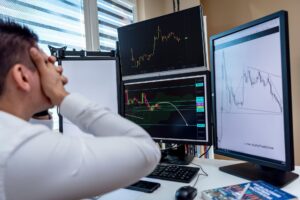
Fear and greed are fundamental human emotions that manifest intensely in financial markets, driving irrational buying and selling behaviours. Fear causes investors to panic-sell assets during downturns, while greed encourages them to chase rapidly rising stocks, often at inflated prices.
These emotions are not unique to the Indian stock market; they are universal psychological forces at play globally. However, in a dynamic market like India’s, with its rapid growth and occasional volatility, understanding and managing them becomes paramount for retail traders and investors. The constant flow of news, social media sentiment, and the immediacy of trading platforms can amplify these feelings, leading to impulsive decisions that deviate from a well-thought-out investment strategy. Ignoring these psychological undercurrents can lead to significant financial losses, while acknowledging and controlling them can pave the way for consistent profitability and capital preservation.
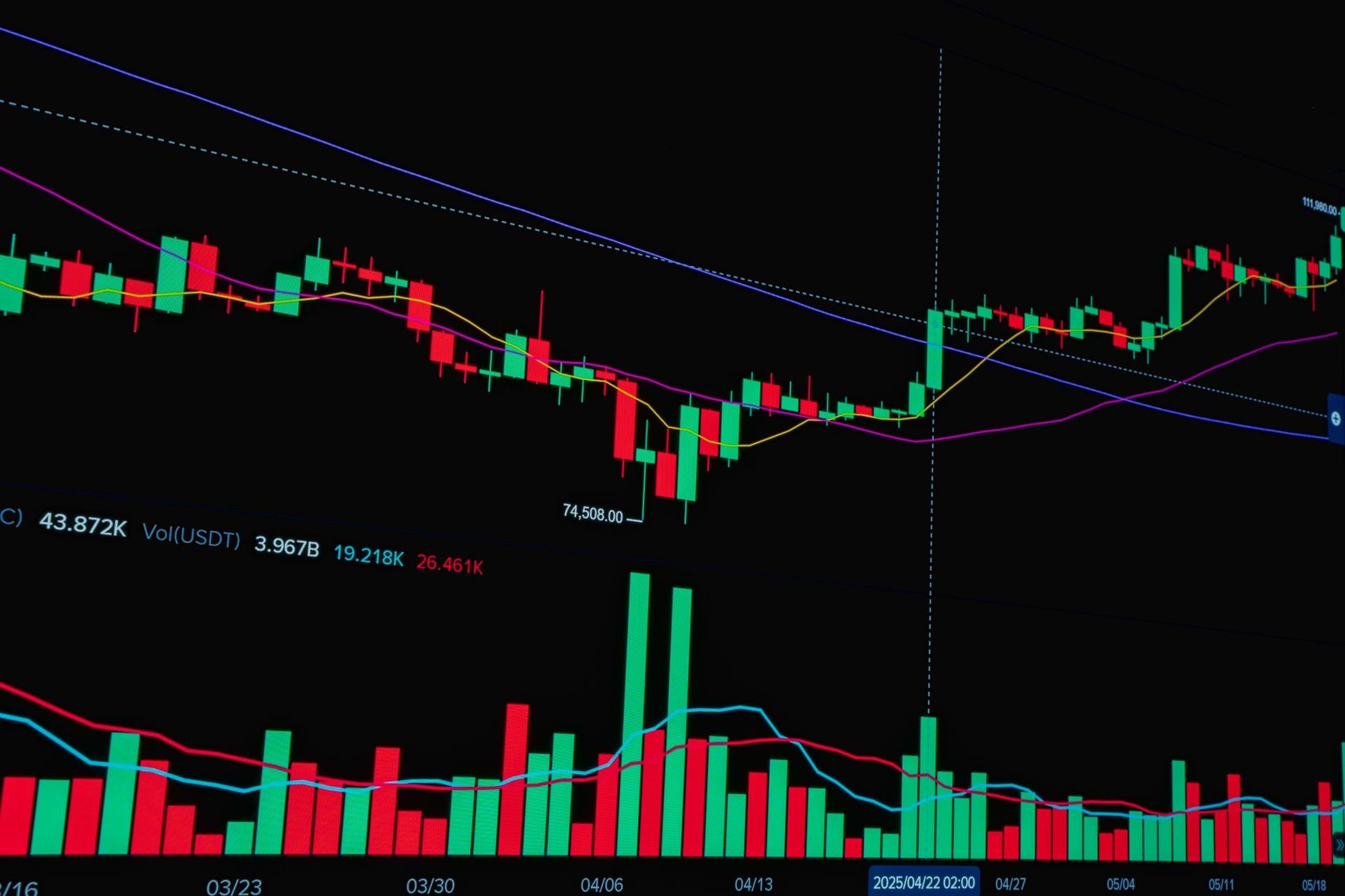
The interplay of fear and greed can create market cycles. During periods of widespread fear, asset prices can fall below their intrinsic value, presenting opportunities for contrarian investors. Conversely, during periods of excessive greed, markets can become overvalued, leading to bubbles that eventually burst. Recognising these patterns is the first step towards developing emotional resilience.
The Psychology Behind the Emotions
At its core, the fear and greed dynamic is rooted in our innate survival instincts. Fear triggers the ‘fight or flight’ response, making us want to escape perceived danger (selling stocks to protect capital). Greed, on the other hand, is linked to the desire for reward and abundance, pushing us to take risks to achieve greater gains (buying more as prices rise).
Fear-Driven Decisions
When fear grips the market, often triggered by negative news, economic downturns, or geopolitical events, investors tend to flock to safety. This can lead to:
- Panic selling, regardless of an asset’s fundamental value.
- Avoiding potentially good investment opportunities out of apprehension.
- Over-diversification as a misguided attempt to reduce risk.
Greed-Driven Decisions
Greed, conversely, typically surfaces during bull markets or when specific stocks experience rapid appreciation. This can result in:
- Chasing ‘hot’ stocks without due diligence.
- Taking excessive leverage to magnify potential gains.
- Holding onto losing positions for too long, hoping for a turnaround (which is often wishful thinking driven by greed, not logic).
- Selling winning positions too early for fear of missing out on further gains (FOMO).
How Do Fear and Greed Affect Trading and Investment Outcomes?
The influence of fear and greed on trading and investment outcomes is profound, often leading to decisions that are detrimental to wealth creation. These emotions can cause investors to buy high (driven by greed) and sell low (driven by fear), the exact opposite of the ideal investment strategy advocated by seasoned professionals and institutions like SEBI.
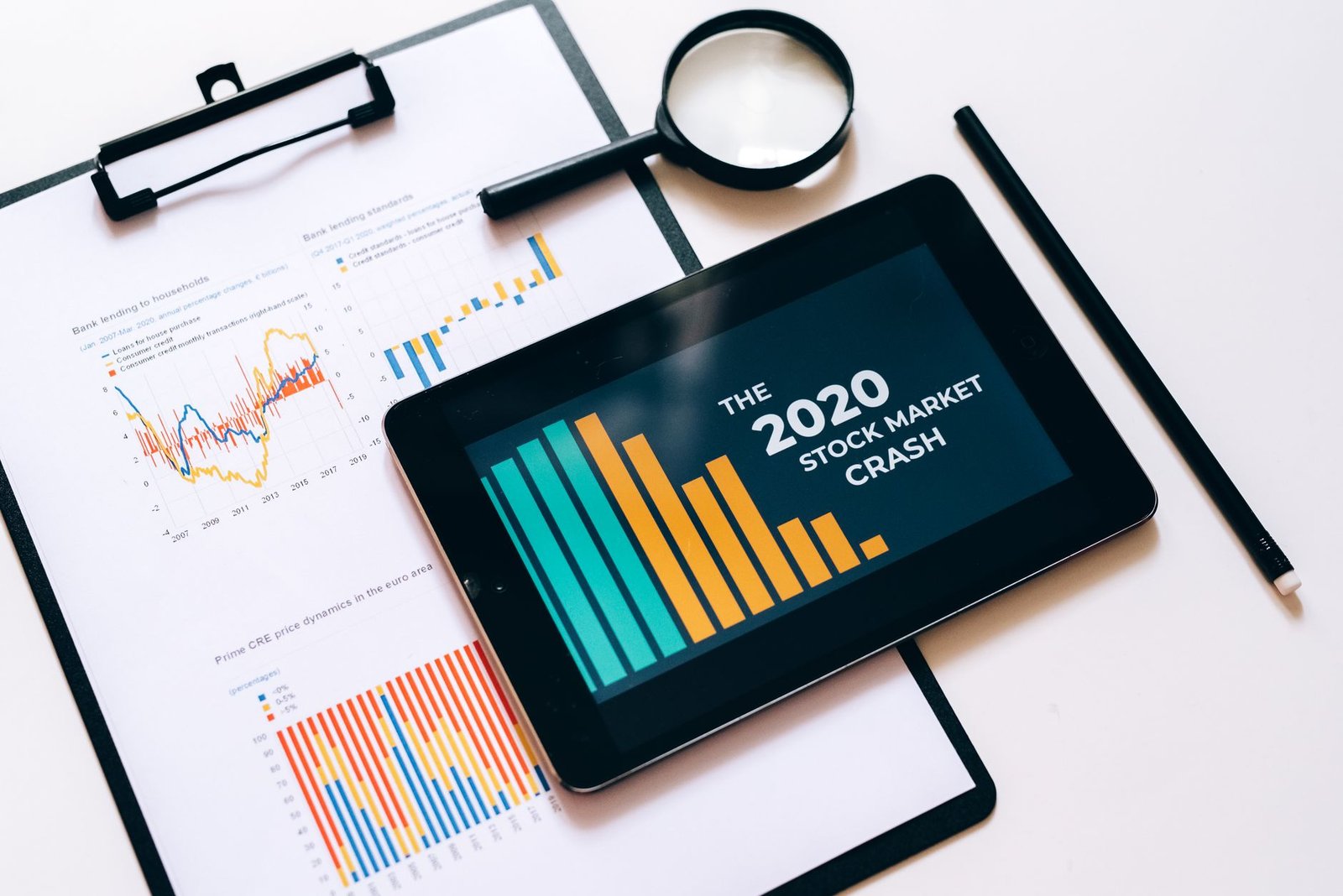
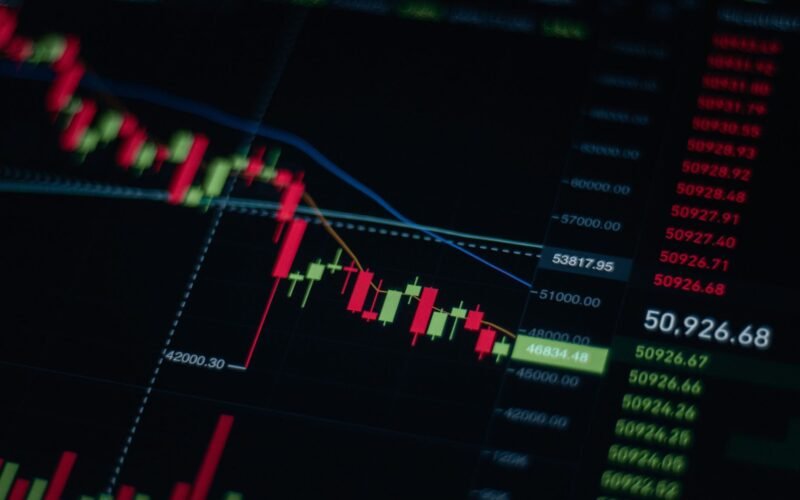
When investors act on fear, they often sell their holdings during market corrections or crashes. This means they lock in losses and miss out on the subsequent recovery when the market inevitably bounces back. For instance, many investors who sold during the COVID-19 induced crash in March 2020 missed the significant rally that followed. On the other hand, when greed takes over, investors might jump onto a stock that has already seen substantial gains, believing it will continue to rise indefinitely. This often leads to buying at or near the peak, only to suffer losses when the stock corrects. The narrative around ‘easy money’ or ‘getting rich quick’ often fuels this greed, pushing individuals to take undue risks.
The ‘Herd Mentality’ Trap
Fear and greed also contribute to the ‘herd mentality’ in markets. When investors see others buying enthusiastically (greed), they feel compelled to join in, fearing they’ll miss out on profits. Conversely, when panic selling begins (fear), the desire to avoid being left behind can trigger a stampede for the exits. This collective emotional response can exacerbate market swings, pushing prices far from their fundamental values.
Impact on Different Investor Types
- Beginners: Are often most susceptible due to a lack of experience and emotional discipline.
- Short-term traders: Can be heavily influenced by daily price fluctuations and market noise.
- Long-term investors: Can also be affected, but a well-defined strategy and a focus on fundamentals can provide a buffer.
Strategies to Manage Fear and Greed
Effectively managing fear and greed requires a conscious effort and the implementation of specific strategies designed to foster discipline and objectivity. These methods help investors detach their emotional state from their financial decisions, leading to more rational choices.
The key is to build a robust framework that acts as a shield against emotional impulses. This involves pre-defined rules, a focus on data rather than sentiment, and a clear understanding of one’s financial goals and risk tolerance. For example, having a clear entry and exit strategy before initiating a trade, and sticking to it, can prevent impulsive decisions driven by fear or greed. Similarly, conducting thorough fundamental analysis ensures that investment decisions are based on the intrinsic value of an asset, rather than speculative price movements. Many institutional investors and successful traders religiously follow such disciplined approaches, often aided by sophisticated tools and indicators available on platforms like Finovatives.com, which can help identify trends and manage risk systematically.
Develop a Trading/Investment Plan
A well-defined plan is your roadmap. It should include:
- Your financial goals (e.g., retirement, down payment).
- Your risk tolerance (how much loss you can stomach).
- Your investment horizon (short-term, long-term).
- Asset allocation strategy.
- Specific entry and exit criteria for trades/investments.
Stick to Your Plan Religiously
Once your plan is in place, the discipline comes in executing it consistently, even when emotions run high. This means not deviating based on market noise or speculative tips.
Focus on Data and Fundamentals
Base your decisions on objective data – company financials, economic indicators, market trends – rather than on rumours, news headlines, or the ‘hot stock’ tips circulating on social media. A deep dive into financial statements and understanding the business model is crucial.
Set Realistic Expectations
Understand that no market consistently goes up. Volatility is inherent. Aim for steady, sustainable growth rather than ‘get rich quick’ schemes. Celebrate small, consistent wins rather than chasing huge, risky profits.
Practice Mindfulness and Emotional Detachment
Learn to recognise when fear or greed is influencing your thoughts. Take a step back, breathe, and remind yourself of your plan. Sometimes, stepping away from the screen for a while can provide clarity.
Utilise Technical and Fundamental Analysis
These analytical tools help provide an objective basis for decisions. Technical indicators can signal potential entry/exit points, while fundamental analysis assesses the intrinsic worth of an asset. Combining both provides a more robust decision-making framework.
Diversify Your Portfolio
Proper diversification across different asset classes and sectors can mitigate risk. If one investment performs poorly, others may perform well, cushioning the overall impact and reducing the emotional response to a single loss.

How to Implement an Emotionally Resilient Trading Strategy
Building emotional resilience in trading and investing is an ongoing process that involves conscious practice and the application of specific techniques. It’s about creating a mental framework that allows you to execute your strategy consistently, irrespective of market conditions or the prevailing emotional sentiment.
Here’s a step-by-step guide to cultivating a more emotionally resilient approach:
- Define Your Investment Philosophy: Clearly articulate whether you are a value investor, growth investor, swing trader, etc. This anchors your decisions.
- Create a Detailed Trading Plan: Document your strategy, including entry/exit rules, risk management (stop-loss levels), and position sizing. Write it down and refer to it.
- Conduct Thorough Research: Before investing in any stock, understand its business, financials, industry, and management. Knowledge reduces uncertainty and fear.
- Start Small and Gain Experience: Begin with smaller capital to get comfortable with the market’s emotional ebb and flow without risking significant financial loss.
- Keep a Trading Journal: Record every trade, noting the rationale, emotions felt, and the outcome. Reviewing this journal helps identify patterns in your emotional responses.
- Implement Strict Risk Management: Always use stop-losses to limit potential downside and never invest more than you can afford to lose. This is non-negotiable.
- Automate Where Possible: Use tools or features that can automate certain actions, like stop-loss orders or take-profit targets, reducing the need for real-time emotional decision-making.
- Seek Objective Feedback: Discuss your strategy and decisions with a trusted, experienced mentor or a community of like-minded traders.
Understanding the Fear & Greed Index
The Fear & Greed Index is a popular sentiment indicator that attempts to gauge the overall mood of the market. It typically aggregates several market indicators to assign a score, often ranging from 0 (extreme fear) to 100 (extreme greed).
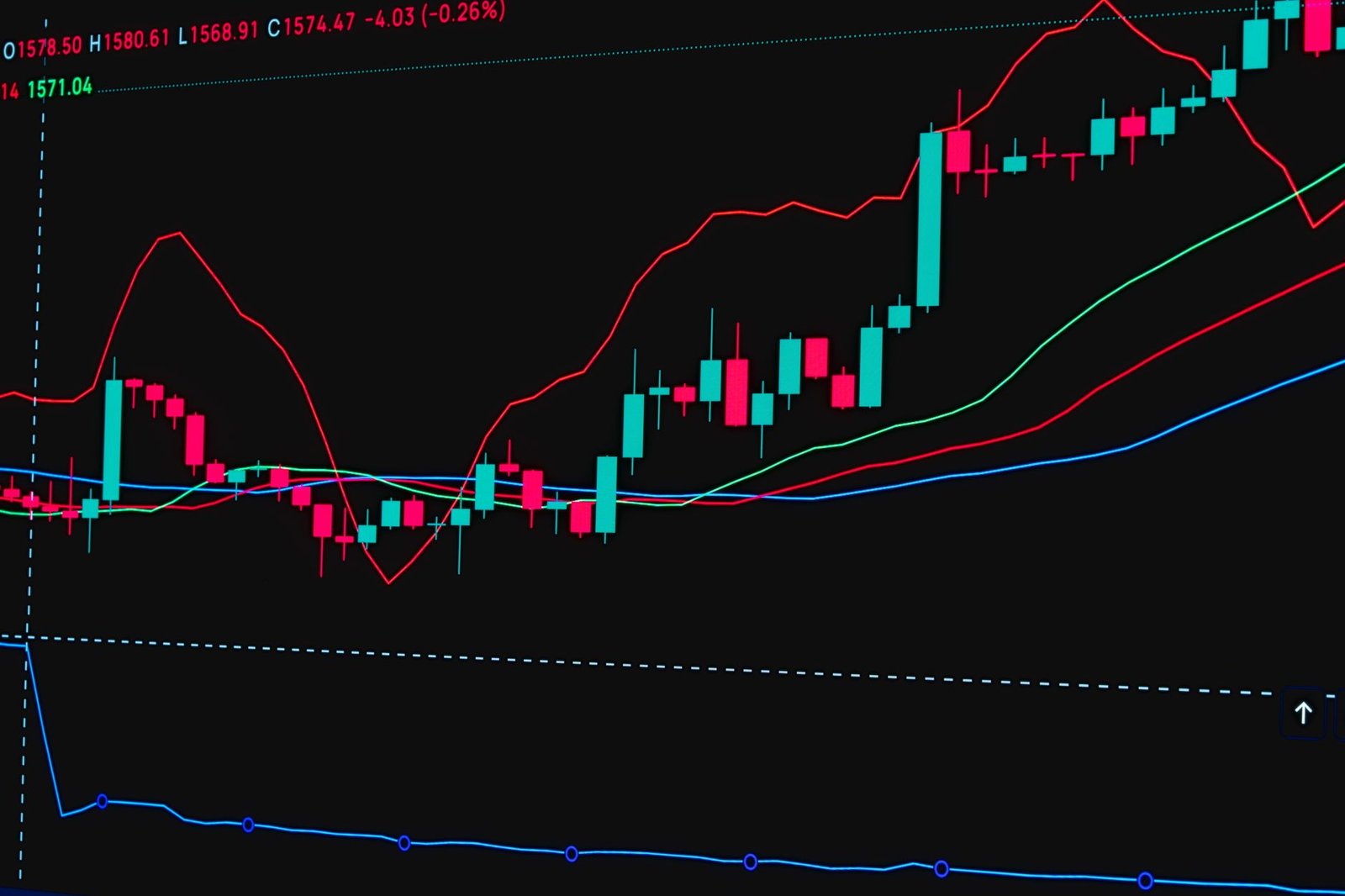
While not a direct predictor of market movements, it provides a snapshot of market psychology. For example, an extremely high reading (e.g., 90-100) might suggest the market is overly optimistic and potentially due for a correction, while a very low reading (e.g., 0-10) could indicate that fear is pervasive and an oversold market might be poised for a rebound. Many financial news outlets and trading platforms provide versions of this index. It’s important to use it as one piece of the puzzle, alongside fundamental and technical analysis, rather than relying on it exclusively.
Interpreting the Index
A reading in the ‘extreme fear’ zone often signals potential buying opportunities as pessimism may have driven prices too low. Conversely, readings in the ‘extreme greed’ zone may suggest caution, as enthusiasm could be inflating asset prices beyond sustainable levels.
Limitations of the Index
The index is a sentiment indicator, not a predictive tool. Extreme readings can persist for extended periods. It’s best used to complement other forms of analysis.
Frequently Asked Questions
Is it possible to completely eliminate fear and greed from trading?
No, it is not possible to eliminate these emotions entirely, as they are inherent to human psychology. The goal is to manage and control their influence on decision-making, not to eradicate them.
How can beginners best manage their emotions in the stock market?
Beginners should focus on education, starting with small investments, developing a trading plan, using stop-losses, and learning from their mistakes by keeping a trading journal.
Can market news trigger emotional responses?
Yes, market news, especially sensational or negative headlines, can significantly trigger fear or greed, leading to impulsive reactions. It’s vital to filter news and focus on facts and long-term trends.
What is the role of discipline in overcoming emotional trading?
Discipline is paramount. It involves adhering strictly to your trading plan, executing pre-determined strategies, and resisting impulsive decisions driven by short-term market fluctuations or emotional urges.
How often should I review my trading plan and emotional state?
Regular reviews, perhaps weekly or monthly, are beneficial. More importantly, conduct a review immediately after experiencing a significant emotional trading event, such as a large loss or a missed opportunity.
What is ‘FOMO’ and how does it relate to greed?
FOMO (Fear Of Missing Out) is a manifestation of greed. It’s the anxiety that others are making profits from an investment opportunity you’re not part of, driving you to jump in without proper analysis.
Key Takeaways:
- Fear and greed are powerful, natural emotions that heavily influence investment decisions.
- These emotions can lead to irrational behaviours like buying high during greed and selling low during fear.
- A well-defined trading and investment plan is crucial for navigating market volatility.
- Focusing on data, fundamentals, and technical analysis provides an objective basis for decisions.
- Discipline, mindfulness, and setting realistic expectations are key to emotional control.
- The Fear & Greed Index can offer insights into market sentiment but should not be used in isolation.
- Developing emotional resilience is an ongoing process that requires practice and self-awareness.
Disclaimer: All investments in the stock market are subject to market risks. Please read all related documents carefully before investing. This content is for informational purposes only and does not constitute investment advice.


 Finovatives