


TL;DR: Effective trading psychology involves actively managing emotional responses like fear and greed through discipline, preparation, and self-awareness to make rational decisions, thereby enhancing profitability and reducing losses for Indian traders.
Key Stats at a Glance:
- Estimated 90% of retail traders lose money in the first year.
- Nifty 50 experienced an average drawdown of over 15% in the last decade.
- SEBI mandates risk disclosure for all investment products.
- Studies show emotional trading can lead to 20-30% poorer returns compared to rational trading.
- Average trader spends 1-2 hours daily on market analysis.
What is Trading Psychology?
Trading psychology is the study of the mental and emotional factors that influence trading decisions and outcomes in financial markets.
Understanding and mastering trading psychology is paramount for any Indian trader aiming for consistent success. It delves into how emotions like fear, greed, hope, and regret can override logical analysis, leading to suboptimal decisions. For retail traders in the dynamic Indian stock market, particularly those trading on NSE and BSE, cultivating a strong mental game is often the differentiator between persistent losses and sustainable profits. It’s not just about picking the right stocks or timing the market; it’s about managing the inner turmoil that the market inevitably generates.
The market is a battlefield of emotions. Every tick of the price, every piece of news, every broker’s recommendation can trigger an emotional response. A trader who lets fear dictate their actions might sell a good stock at a loss during a minor correction, only to see it rebound later. Conversely, greed can lead a trader to hold onto a losing position for too long, hoping for a miraculous recovery, or to chase a rapidly rising stock, only to buy at its peak. This emotional rollercoaster is a common experience, and acknowledging it is the first step toward overcoming it.
How Can Indian Traders Control Emotions While Trading?
Indian traders can control their emotions by developing a robust trading plan, practicing discipline, managing risk effectively, and engaging in continuous self-reflection.
The Indian stock market, with its inherent volatility and diverse instruments like NSE futures and options, presents unique challenges. To navigate this effectively, traders must develop coping mechanisms. This isn’t about suppressing emotions entirely—an impossible task—but about understanding their triggers and learning to respond rationally rather than react impulsively. A structured approach, combining preparation with real-time emotional regulation techniques, is key to staying on track.
For instance, the fear of missing out (FOMO) can drive impulsive entries, while the fear of loss can lead to premature exits. Greed can manifest as over-trading or taking excessive risks. Recognizing these patterns in oneself is crucial. This self-awareness, coupled with a commitment to a predefined strategy, forms the bedrock of strong trading psychology.
The Role of Fear and Greed
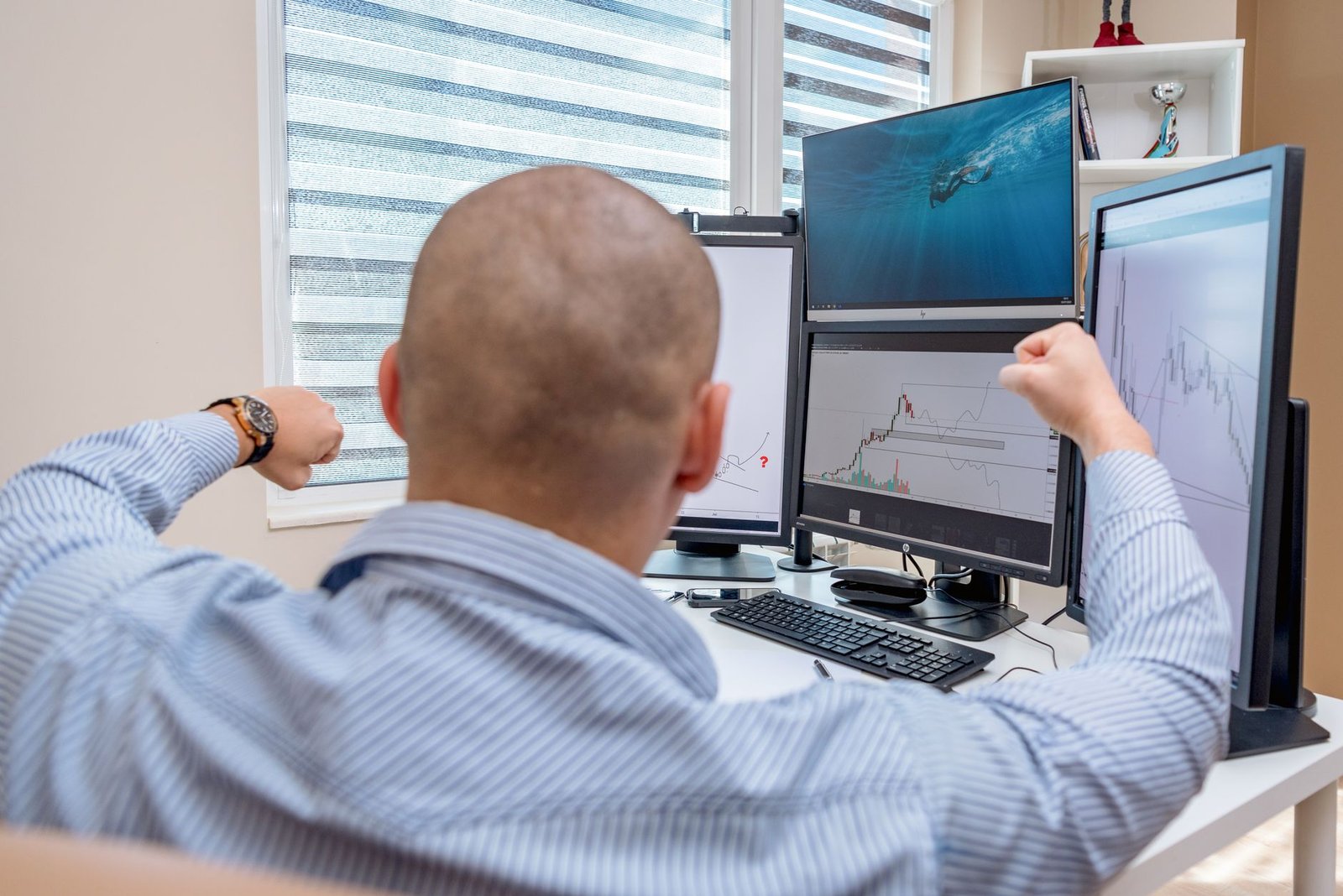
Fear and greed are perhaps the most potent emotions affecting traders. Fear often stems from the possibility of loss, leading to hesitation, indecision, or panic selling. Greed arises from the desire for more profit, potentially leading to excessive risk-taking, over-leveraging, or holding positions beyond optimal profit targets. The famous investor adage, ‘Be fearful when others are greedy, and greedy when others are fearful,’ highlights the importance of counter-intuitive thinking, which is only possible when one’s own emotions are in check.
Developing a Trading Plan
A well-defined trading plan acts as a psychological anchor. It outlines entry and exit criteria, risk management rules, position sizing, and the types of market conditions a trader will operate in. Having a plan reduces the need for spontaneous, emotionally charged decisions. When market conditions are chaotic, referring back to the plan provides a sense of control and objectivity. For Indian traders, this might involve adhering to strategies tested on specific indices like Nifty or Bank Nifty, or even specific commodity cycles on MCX.
Risk Management as an Emotional Buffer
Implementing strict risk management rules is a powerful way to mitigate emotional distress. This includes setting predetermined stop-losses for every trade, limiting the percentage of capital risked per trade (e.g., 1-2%), and avoiding over-leveraging. Knowing that potential losses are capped and controlled significantly reduces anxiety and allows traders to focus on execution rather than worrying about catastrophic outcomes.
How to Build a Resilient Trading Mindset
Building a resilient trading mindset involves consistent practice, learning from mistakes, and maintaining a healthy perspective on trading results.
This resilience is not built overnight. It requires conscious effort and a commitment to continuous improvement, much like mastering a technical skill. For Indian traders, this means actively engaging with the market, not just as a place to make money, but as a platform for personal growth and learning.
- Educate Yourself Continuously: Stay updated on market trends, economic indicators, and new trading strategies. Knowledge builds confidence and reduces fear of the unknown. Resources from SEBI and NSE are invaluable here.
- Set Realistic Expectations: Understand that losses are an inevitable part of trading. Aim for consistent, sustainable growth rather than get-rich-quick schemes.
- Practice Mindfulness and Meditation: Techniques like deep breathing or short meditations before and during trading sessions can help calm the nerves and improve focus.
- Keep a Trading Journal: Documenting trades, including the reasoning behind them and the emotional state during the trade, provides invaluable insights into behavioural patterns. Reviewing this journal regularly helps identify and correct psychological biases.
- Seek Support: Connect with other traders, join forums, or even consider mentorship. Sharing experiences and challenges can provide perspective and encouragement.

The Importance of Discipline
Discipline is the unwavering commitment to follow one’s trading plan and rules, regardless of emotional impulses. It means sticking to stop-loss levels even when the market seems poised for a reversal, taking profits when the target is hit, and avoiding impulsive trades when emotions run high. Cultivating discipline requires regular self-monitoring and a strong willpower, often developed through consistent practice and adherence to a structured routine.
Detaching from Outcomes
A crucial aspect of advanced trading psychology is learning to detach from the outcome of individual trades. This means understanding that a single winning trade doesn’t make you a genius, and a single losing trade doesn’t make you a failure. The focus should be on the process—executing your strategy consistently and managing risk effectively. When traders become overly attached to profits or losses, their emotional state is dictated by short-term market fluctuations, hindering long-term success.
How to Implement Emotional Control in Daily Trading
- Prepare Your Trading Environment: Ensure you are in a calm, distraction-free space before you start trading. Minimize external stressors.
- Review Your Trading Plan Daily: Before the market opens, re-read and mentally commit to your strategy and risk rules.
- Practice ‘If-Then’ Scenarios: Mentally rehearse how you will react to common market events (e.g., ‘If the market gaps down 2%, then I will wait for confirmation before entering’).
- Use Timed Breaks: Schedule short breaks every hour or two to step away from the screen, stretch, and clear your head. This prevents emotional fatigue.
- Focus on Your Process, Not Profits: During trading, concentrate on executing your plan correctly. Assess performance based on adherence to rules, not just P&L.
- Conduct Post-Trade Analysis: Immediately after a trade (win or lose), briefly note your emotional state and adherence to the plan. Avoid making impulsive revenge trades.
- End Your Trading Day Rationally: Whether it was a good or bad day, close your terminal at the planned time. Avoid reviewing P&L obsessively.

Leveraging Tools for Emotional Stability
Technology can be a significant aid. Trading platforms offer features like automated stop-losses and take-profit orders, which execute trades based on predefined rules, removing the need for manual intervention during emotional moments. Advanced tools, like those found on Finovatives.com, can provide objective data analysis, reducing reliance on gut feelings. For instance, using a robust TradingView indicator can offer clear signals, helping traders stick to a data-driven approach.
The Long-Term Perspective
Developing strong trading psychology is a marathon, not a sprint. It requires patience, persistence, and a willingness to learn from every experience. By consistently applying these principles, Indian traders can build the mental fortitude necessary to navigate the complexities of the market and achieve their financial goals.
Frequently Asked Questions
What is the most common emotion traders struggle with?
The most common emotions traders struggle with are fear (of loss, of missing out) and greed (for excessive profits). These primal emotions often lead to irrational decision-making.
How does fear impact trading decisions?
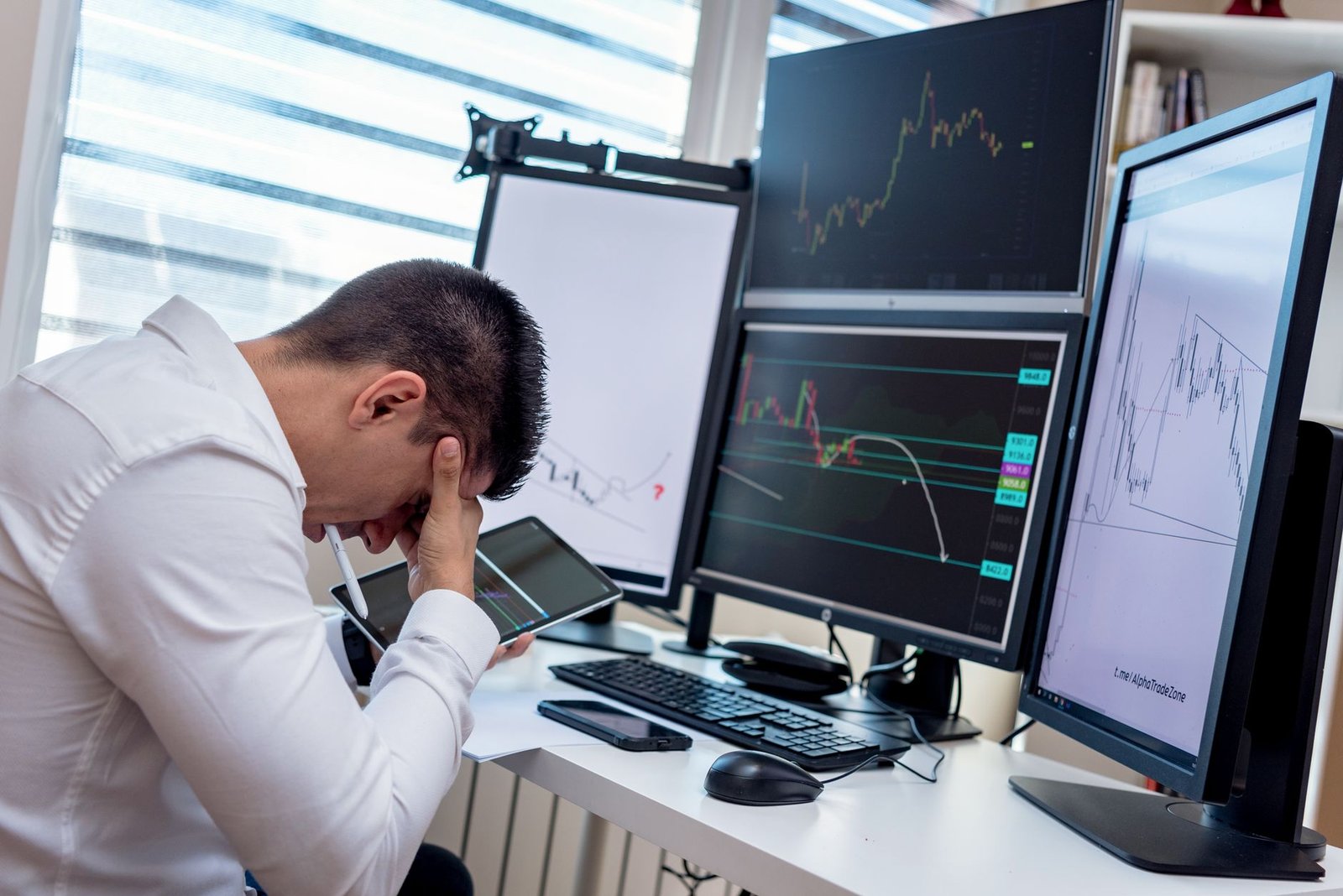
Fear can cause traders to exit profitable positions prematurely, avoid entering potentially good trades, or panic sell during market downturns, often locking in losses.
How does greed affect trading?
Greed can lead to over-trading, taking excessive risks, not cutting losses quickly, or holding onto winning trades for too long in pursuit of unrealistic profits.
Can trading psychology be improved?
Yes, trading psychology can significantly be improved through self-awareness, disciplined adherence to a trading plan, effective risk management, and continuous learning.
What is a trading journal and why is it important?
A trading journal is a record of all trades, including the rationale, emotions, and outcome. It’s vital for identifying recurring mistakes, understanding emotional triggers, and tracking progress.
How can I avoid emotional trading in volatile markets?
Stick rigidly to your pre-defined trading plan, use automated stop-losses, take regular breaks, and focus on executing your strategy rather than reacting to short-term price swings.
Key Takeaways
- Trading psychology is critical for success, often more so than technical skills.
- Fear and greed are primary emotional drivers that lead to poor trading decisions.
- A well-defined trading plan provides a framework to mitigate emotional reactions.
- Strict risk management, including stop-losses, acts as a psychological buffer.
- Discipline is the ability to consistently follow your plan despite emotional urges.
- Detaching from individual trade outcomes promotes a focus on the long-term process.
- Continuous self-reflection via a trading journal is key to identifying and correcting behavioural biases.
- Leveraging technology and tools can support emotional stability during trading.
Trading involves substantial risk of loss and is not suitable for all investors. The information provided is for educational purposes only and does not constitute financial advice.


 Finovatives