


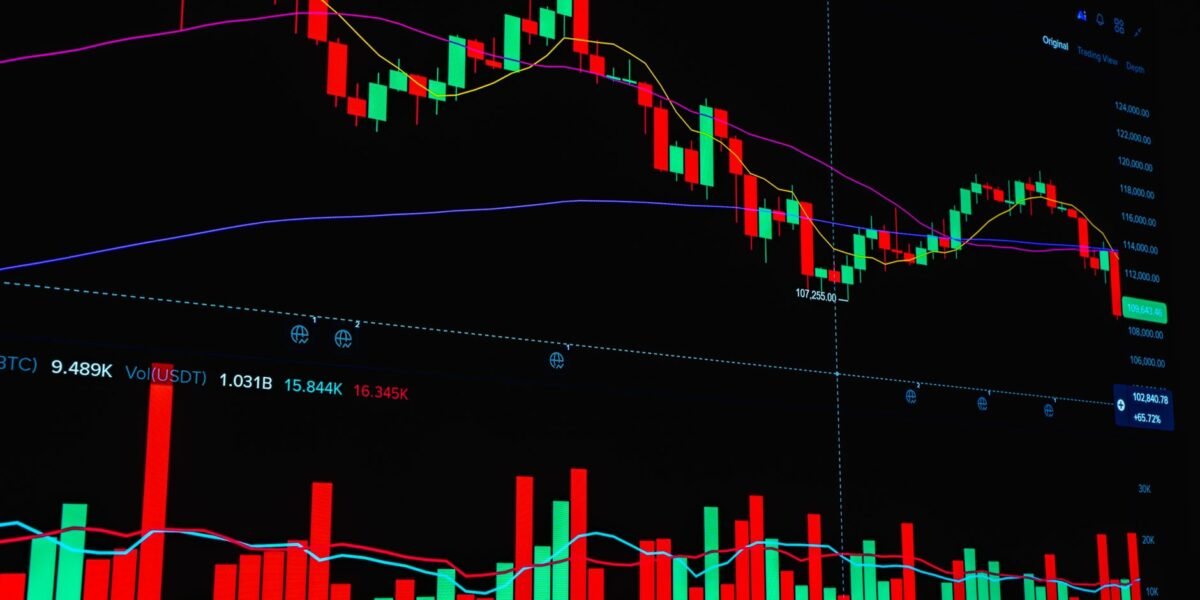
TL;DR: Gap trading in Indian markets involves identifying and capitalizing on price movements between a security’s closing price on one trading day and its opening price on the next, often presenting opportunities after significant news or events.
Key Stats at a Glance:
- Nifty 50’s average daily trading volume: Over ₹20,000 Crores in 2024.
- Over 4,000+ listed companies on NSE and BSE combined.
- Average daily volatility in Indian equities can exceed 1.5%.
- SEBI mandates strict T+1 settlement for most trades.
- Over 80% of intraday traders face losses annually.
What is a Gap in Stock Trading?
A gap in stock trading occurs when a security’s opening price is significantly higher or lower than its previous day’s closing price, creating a visible ‘gap’ on a price chart. These gaps often signal strong market sentiment shifts, driven by overnight news, earnings announcements, or significant economic events impacting Indian equities.
Why Do Gaps Occur in the Indian Market?
Gaps occur in Indian markets primarily due to events unfolding outside regular trading hours (9:15 AM to 3:30 PM IST). This includes corporate announcements like earnings reports, mergers, acquisitions, regulatory changes from SEBI or RBI, global market movements, or significant geopolitical news that influences investor sentiment towards Indian stocks and indices like Nifty 50 and Bank Nifty.
Types of Gaps
Understanding different gap types is crucial for effective gap trading. Each type offers unique insights into market psychology and potential future price movements.
1. Common Gaps
Common gaps, often seen in ranging markets, are typically filled quickly as the price moves back to cover the gap area. They usually lack significant trading volume and don’t necessarily signal a trend change. These are less actionable for significant profits.
2. Breakaway Gaps
Breakaway gaps occur at the beginning of a new trend, often accompanied by high trading volume, indicating strong conviction from market participants. They signify a decisive move away from a previous consolidation or trend, suggesting the new trend is likely to persist.
3. Runaway (Measuring) Gaps
Runaway gaps appear in the middle of an established trend, signifying accelerating momentum. They indicate that the existing trend is gaining strength and can be used to estimate the potential extent of the trend’s continuation.
4. Exhaustion Gaps
Exhaustion gaps appear near the end of a strong trend, often on high volume, signaling that the buying or selling pressure is waning. They can precede a trend reversal as latecomers enter the market, but the existing trend participants begin to exit.
How to Trade Stock Market Gaps?
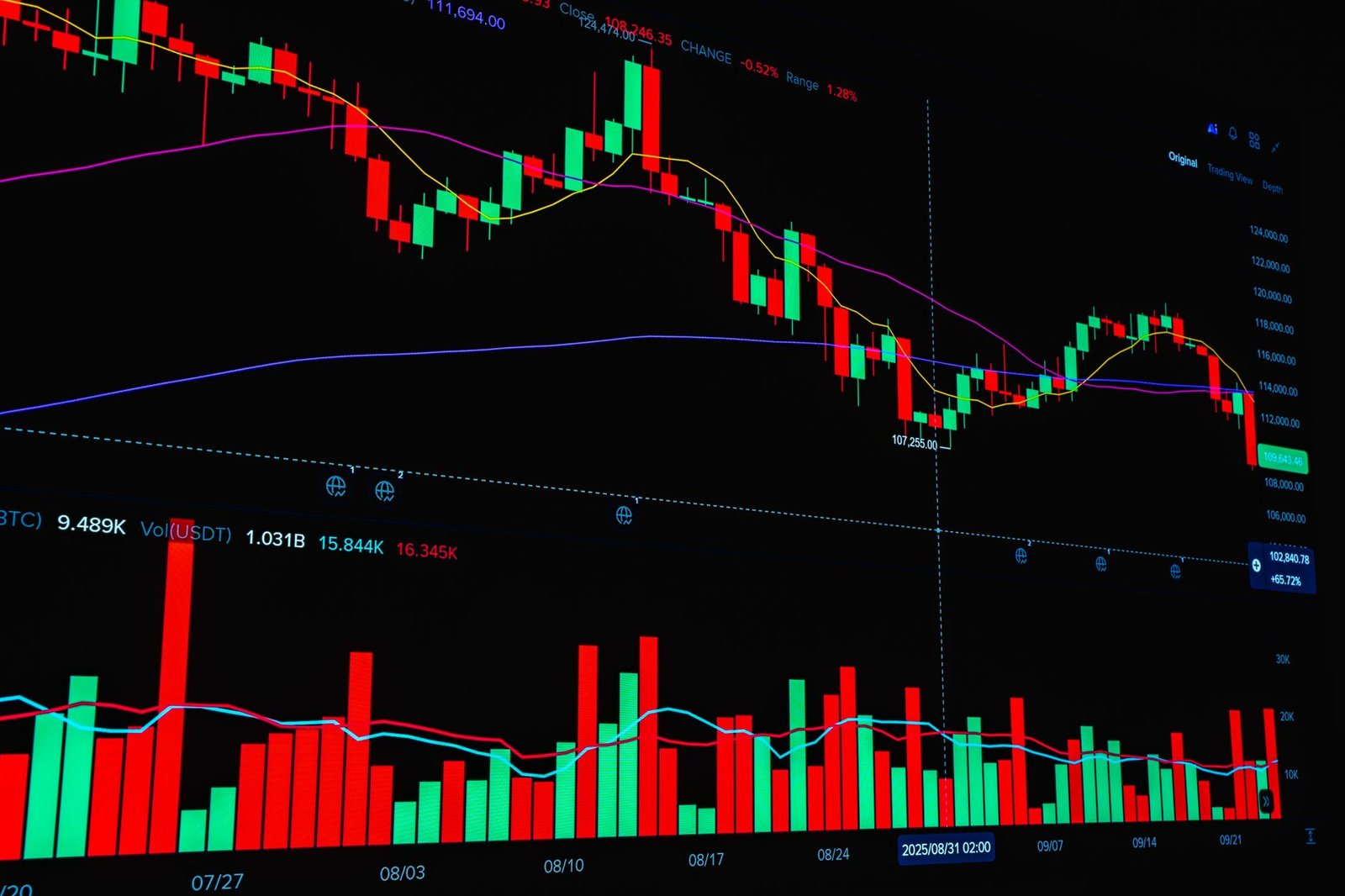
Trading stock market gaps requires a systematic approach, combining chart analysis with risk management. The goal is to identify high-probability setups and enter trades with defined exit points.
- Identify the Gap: Scan stock charts for visible gaps between the previous day’s close and the current day’s open. Focus on stocks with significant news or corporate actions.
- Analyze Gap Type and Volume: Determine if it’s a breakaway, runaway, exhaustion, or common gap by observing the price action and associated trading volume. High volume often confirms the significance of the gap.
- Check for Confirmation: Use technical indicators like Moving Averages, RSI, or MACD to confirm the strength and direction of the move post-gap. For instance, a gap supported by strong volume and breaking a key resistance level is a strong signal.
- Consider the Context: Evaluate the broader market trend and the specific stock’s fundamental news. A gap against the prevailing trend might be riskier.
- Formulate a Trading Plan: Decide on your entry point (often on a pullback towards the gap or on a breakout above/below the gap level), stop-loss placement (usually beyond the gap or the previous day’s high/low), and profit target (e.g., measuring the gap’s range or targeting the next resistance/support).
- Enter the Trade: Execute the trade based on your plan once confirmation is received.
- Manage the Trade: Monitor the trade closely, adjusting stop-losses to lock in profits as the trade moves in your favour, or exiting if the initial thesis is invalidated.
Key Indicators for Gap Trading Success
While price action is paramount in gap trading, several technical indicators can enhance decision-making and provide crucial confirmation. These tools help gauge momentum, identify potential reversals, and confirm breakout strength.
Volume Analysis
Volume is perhaps the most critical indicator for confirming the significance of a gap. A gap accompanied by significantly higher-than-average trading volume suggests strong conviction behind the price move, making it more likely to be a breakaway or runaway gap, indicative of a sustained trend.
Moving Averages
Moving averages (like the 50-day or 200-day MA) can act as support or resistance levels. A gap that breaks decisively through a significant moving average, especially on high volume, can signal a strong directional move and a potential start of a new trend.
Relative Strength Index (RSI)
The RSI, a momentum oscillator, can help identify overbought or oversold conditions. For gap trading, it can confirm the strength of the move. A strong bullish gap might see the RSI rising sharply from oversold levels, while a bearish gap could push it down from overbought territory.
MACD (Moving Average Convergence Divergence)
MACD can signal trend changes and momentum shifts. A bullish MACD crossover occurring concurrently with a bullish gap can strengthen the signal, while a bearish crossover alongside a bearish gap can indicate a potential downtrend initiation.
Risk Management in Gap Trading
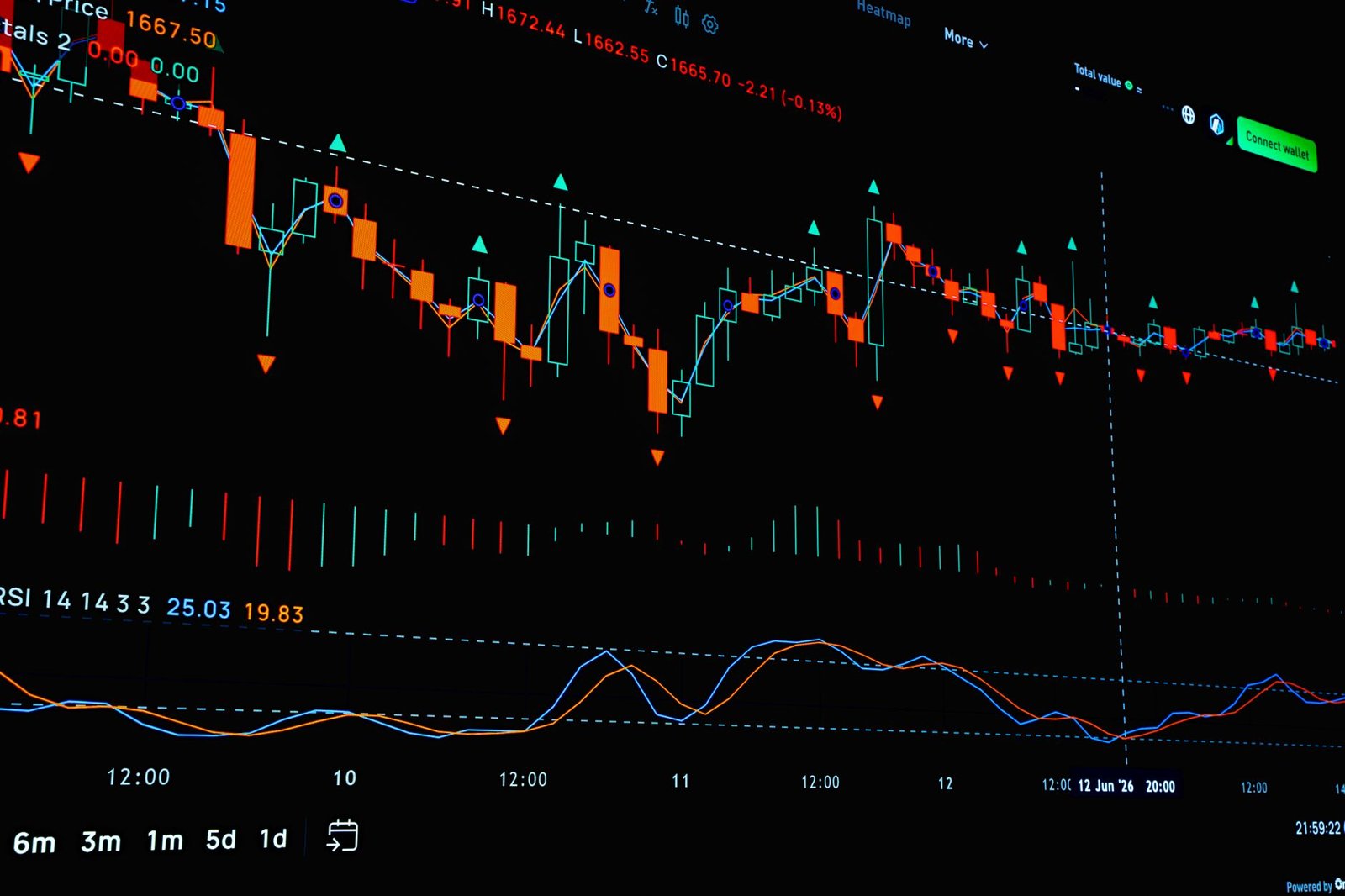
Gap trading, while potentially lucrative, carries inherent risks due to the sudden price movements. Implementing robust risk management techniques is non-negotiable for survival and profitability in the Indian stock market.
Stop-Loss Orders
Always place a stop-loss order immediately after entering a trade. For gap-up trades, a common stop-loss is just below the day’s low or the gap’s lower boundary. For gap-down trades, it’s typically just above the day’s high or the gap’s upper boundary. This limits potential losses if the trade moves against you.
Position Sizing
Never risk more than a small percentage (e.g., 1-2%) of your trading capital on any single trade. Adjust your position size based on the distance to your stop-loss to ensure that even if stopped out, the loss is manageable.
Trading Volume Confirmation
Prioritize trading gaps that occur on high volume. Gaps with low volume are often ‘common gaps’ that are more likely to be filled, leading to potential losses if you are on the wrong side.
Avoid Gap Fills Blindly
While gaps often get filled, attempting to trade every gap fill without confirmation can be a losing strategy. Wait for price action to confirm a reversal or continuation after the gap before committing capital. Using a TradingView indicator can help automate some of these checks.
Diversification
Don’t put all your capital into a single gap trade or a single stock. Spread your risk across different assets or sectors, although for gap trading, focusing on a few high-conviction setups might be more effective than broad diversification.
Trading Strategies for Specific Gap Scenarios
Different gap scenarios call for different strategic approaches. Understanding these nuances can significantly improve your success rate.
Gap and Go Strategy
This is a popular strategy for breakaway gaps. The idea is to enter a trade as soon as the gap is confirmed, often with strong volume, and ride the initial momentum. The entry might be just above the opening price if it holds the gap level, with a tight stop-loss below the opening price or the day’s low.
Gap Fill Strategy
This strategy aims to profit from the price moving back to cover the gap. It’s typically employed when a gap appears to be a common gap or an exhaustion gap. The entry might occur on a price pullback towards the gap area, with the expectation that the price will reverse and move towards filling the gap. Stop-loss would be placed beyond the extreme of the gap.
Gap Fade Strategy
Similar to the gap fill, but specifically targets reversals. If a gap opens strongly but then shows signs of weakness and rejection (e.g., long wicks on candles), traders might ‘fade’ the gap, betting on a reversal back into the previous day’s trading range. This requires careful observation of price action and often uses indicators to confirm weakening momentum.

Frequently Asked Questions
What is the best time frame for gap trading?
Gap trading can be applied across various time frames, from intraday charts (15-minute, 30-minute) to daily and weekly charts. Daily charts are often preferred for identifying significant gaps driven by overnight news, while intraday charts can be used for refining entries and exits on those larger gaps.
How reliable are gap trading strategies?
Gap trading strategies can be reliable when executed with proper analysis, confirmation, and risk management. However, no strategy is foolproof, and losses are inevitable. Success depends on consistent application and discipline.
Should I always expect a gap to be filled?
No, not all gaps are filled. Breakaway and runaway gaps, in particular, often signify the start or continuation of strong trends and may never be filled. Focusing on the type of gap and market context is crucial.
Which Indian stocks are best for gap trading?
Highly liquid stocks and indices like Nifty 50, Bank Nifty, and large-cap stocks with significant news flow or earnings announcements tend to offer more reliable gap trading opportunities. Avoid illiquid stocks where gaps can be volatile and difficult to trade.
What is the role of news in gap trading?
News is a primary catalyst for gaps. Understanding corporate announcements, economic data releases, and global events impacting Indian markets helps anticipate potential gaps and their significance, thereby improving trading decisions.
Can beginners use gap trading strategies?
Beginners can learn gap trading, but it requires a solid understanding of technical analysis and strict risk management. Starting with paper trading or small capital on well-understood stocks is advisable before committing significant funds.
Key Takeaways
- Gaps represent significant price discrepancies between trading sessions, often driven by overnight news or events.
- Identifying gap types (common, breakaway, runaway, exhaustion) and confirming with volume is crucial.
- High-volume breakaway gaps often signal the start of new, sustained trends.
- Risk management, including strict stop-losses and proper position sizing, is paramount.
- Technical indicators like Volume, RSI, and MACD can aid in confirming gap signals.
- Strategies like ‘Gap and Go’ and ‘Gap Fill’ cater to different gap scenarios.
- Focus on liquid stocks and indices for more reliable gap trading opportunities in India.
Trading in the stock market involves risk and may not be suitable for all investors. Past performance is not indicative of future results.





 Finovatives