



TL;DR: India’s auto sector is poised for significant growth, driven by rising disposable incomes, government support for electric vehicles (EVs), and an expanding rural market, presenting compelling investment opportunities for discerning investors.
Key Stats at a Glance:
- India’s passenger vehicle sales crossed 4 million units in FY24.
- The EV segment is projected to capture 30% of the market share by 2030.
- Automotive exports contributed over ₹3.2 lakh crore in FY23.
- Motorcycle and scooter sales are expected to rebound, especially in rural areas.
- The overall automotive market size is estimated to reach $250 billion by 2026.
What is Driving the Indian Auto Sector Boom?
The Indian auto sector’s remarkable growth is fueled by a confluence of factors including increasing per capita income, a young demographic favouring personal mobility, favourable government policies like ‘Make in India’ and PLI schemes, and a burgeoning export market.
The demand for personal transportation has been on a consistent upward trajectory. As disposable incomes rise, more Indians aspire to own vehicles, ranging from two-wheelers to passenger cars and even commercial vehicles. This fundamental economic driver, coupled with a vast population, creates a large and resilient domestic market. Furthermore, government initiatives aimed at boosting manufacturing and promoting electric mobility are providing significant tailwinds. The Production Linked Incentive (PLI) scheme for the automotive sector, for instance, is encouraging domestic production and innovation. The focus on infrastructure development, especially in rural and semi-urban areas, also plays a crucial role, enhancing connectivity and demand for both personal and commercial vehicles.

The competitive landscape is also evolving, with established players expanding their product portfolios and new entrants, particularly in the EV space, bringing innovative technologies. This dynamic environment, while presenting challenges, ultimately benefits consumers and investors through increased choice and technological advancement.
What are the Dominant Trends in the Indian Auto Sector?
Key trends reshaping the Indian auto sector include the rapid adoption of electric vehicles, a strong revival in rural demand, increasing focus on SUVs, and the growth of connected and autonomous technologies.
The transition towards Electric Vehicles (EVs) is perhaps the most significant transformation underway. Driven by environmental concerns, government subsidies (like FAME II), and falling battery costs, the EV market is expanding at an unprecedented pace. Both two-wheeler and four-wheeler segments are witnessing new model launches and increasing consumer acceptance. Beyond EVs, rural demand is showing robust signs of recovery, buoyed by better monsoons and government support for agriculture. This is particularly benefiting the two-wheeler segment, which remains the backbone of Indian mobility. The preference for Sport Utility Vehicles (SUVs) continues to dominate the passenger car market, with manufacturers introducing a variety of models across different price points. Additionally, the integration of advanced technology, including connected car features, AI-driven diagnostics, and advanced driver-assistance systems (ADAS), is becoming a key differentiator, enhancing safety, comfort, and user experience.
The Electric Vehicle Revolution
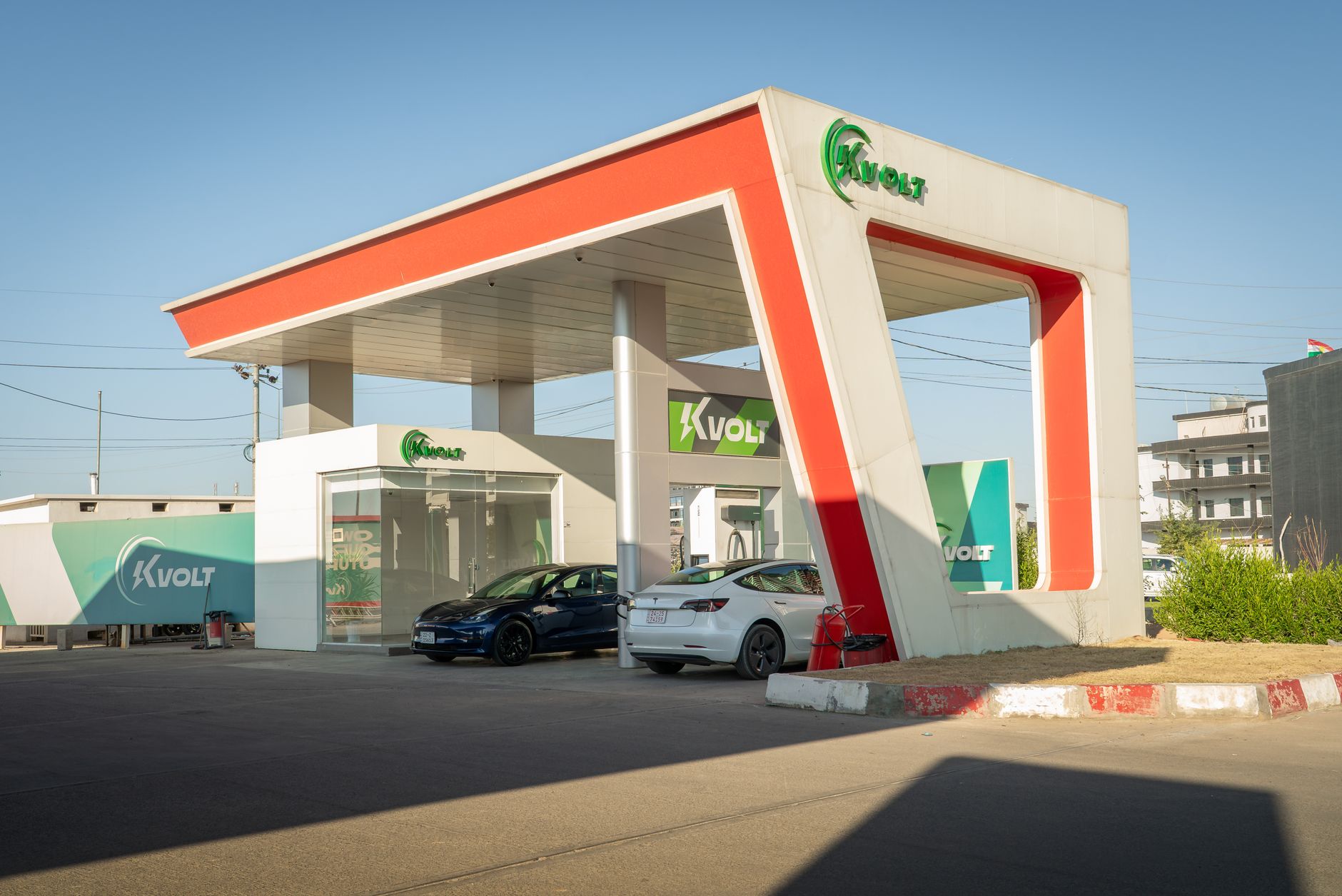
The EV segment is experiencing exponential growth, propelled by government incentives, falling battery prices, and increasing environmental consciousness. Both established automakers and new startups are aggressively launching electric models across two-wheeler, three-wheeler, and four-wheeler categories. The FAME (Faster Adoption and Manufacturing of Electric Vehicles) India scheme, alongside state-level EV policies, provides crucial support through subsidies and tax benefits, making EVs more accessible to consumers. Charging infrastructure development is also gaining momentum, addressing a key concern for potential buyers. Companies are investing heavily in battery technology, local manufacturing, and grid integration to build a sustainable EV ecosystem.
Rural Demand Rebound
A significant upturn in rural consumption is providing a substantial boost to the automotive sector, particularly for two-wheelers and entry-level passenger vehicles. Improved agricultural output, government spending on rural infrastructure, and higher disposable incomes in these regions are translating into increased vehicle purchases. The demand for motorcycles and scooters remains strong, acting as essential tools for personal mobility and livelihoods in rural India. As connectivity improves and financial access expands, the rural market is expected to continue its growth trajectory, offering a vital growth engine for the industry.
SUV Dominance and New Segments
The preference for SUVs has become a defining characteristic of the Indian passenger vehicle market. Their robust build, higher ground clearance, and perceived safety appeal strongly to Indian consumers. Manufacturers are responding by launching a wide array of SUV models, from compact SUVs to larger, feature-rich variants, catering to diverse budget segments. This trend is driving innovation in design, technology, and engine options within the SUV category. Alongside SUVs, we are seeing emerging interest in micro-SUVs and compact hatchbacks that offer SUV-like styling at more affordable price points.
Technological Integration and Connected Mobility
The integration of advanced technologies is transforming the driving experience. Connected car features, offering remote access, real-time diagnostics, and infotainment integration, are becoming standard in mid-to-high-end vehicles. The adoption of ADAS features is also gradually increasing, enhancing safety through functionalities like adaptive cruise control, automatic emergency braking, and lane-keeping assist. The focus is shifting towards creating a more intelligent, safer, and personalized mobility experience for the end-user.
What are the Key Investment Opportunities in the Auto Sector?
Investment opportunities in the Indian auto sector span across established automakers, auto ancillary companies, EV manufacturers, and charging infrastructure providers, offering diverse avenues for wealth creation.
Retail investors can find attractive opportunities by identifying companies that are well-positioned to capitalize on these evolving trends. Established automotive giants with strong brand equity and diverse product portfolios are generally considered safer bets, benefiting from economies of scale and established distribution networks. However, the real growth potential often lies with companies at the forefront of innovation. Auto ancillary companies that are pivoting towards EV components, lightweight materials, or advanced electronics are likely to see significant demand. The burgeoning EV ecosystem itself presents multiple investment prospects. This includes not only EV manufacturers but also companies involved in battery production, charging solutions, and software development for electric vehicles. Investing in the broader ecosystem rather than individual vehicle manufacturers can offer a more diversified approach to capturing the EV growth story.
Established Automakers
Leading Indian auto manufacturers, with their extensive market presence, wide product range, and robust financial performance, continue to be attractive investment choices. Companies like Maruti Suzuki, Hyundai India, Tata Motors, and Mahindra & Mahindra have consistently demonstrated their ability to adapt to market dynamics and cater to diverse consumer needs. Their strong brand loyalty, expansive dealership networks, and ongoing investments in research and development provide a solid foundation for sustained growth. Investors can evaluate these companies based on their market share, profitability, new product launches, and strategic initiatives, particularly in the EV and hybrid segments.
Auto Ancillary Companies
The auto ancillary sector, comprising companies that manufacture components and parts for vehicles, offers significant investment potential, especially those adapting to the EV transition. Companies supplying critical components like batteries, electric motors, power electronics, and lightweight materials for EVs are poised for substantial growth. Many traditional component manufacturers are also retooling their operations to cater to the evolving demands of electric and connected vehicles. Researching companies that demonstrate a clear strategy for diversification into EV components or have secured long-term contracts with major automakers can be a prudent investment approach. The demand for sophisticated automotive electronics and software solutions also presents growth opportunities for specialized ancillary firms.

Electric Vehicle Ecosystem
The entire EV ecosystem, from battery manufacturers and charging infrastructure providers to software developers, presents a high-growth investment landscape. Companies involved in setting up and operating EV charging stations, developing advanced battery management systems, or producing EV-specific components are crucial for the sector’s expansion. Investors looking for high-growth potential can explore companies actively involved in manufacturing lithium-ion batteries, developing hydrogen fuel cell technology, or creating smart charging solutions that integrate with renewable energy sources. The government’s push for localisation and manufacturing of EV components further enhances the prospects of domestic players in this space.
Component Suppliers for Advanced Technologies
As vehicles become more sophisticated with advanced driver-assistance systems (ADAS), connected features, and enhanced safety electronics, the demand for specialized component suppliers is set to surge. Companies that manufacture sensors, cameras, ECUs (Electronic Control Units), advanced infotainment systems, and related software are well-positioned to benefit. The trend towards autonomous driving and increased vehicle intelligence will further drive demand for these high-tech components. Investors should look for companies with strong R&D capabilities, intellectual property, and partnerships with global technology leaders in automotive electronics.
How to Invest in the Indian Auto Sector
Investing in the Indian auto sector requires a strategic approach, involving thorough research, understanding market dynamics, and choosing appropriate investment vehicles.
- Identify Sectoral Trends: Stay updated on the dominant trends such as EV adoption, rural demand, and technological advancements. Understand which segments are likely to experience the most significant growth.
- Research Companies: Conduct in-depth analysis of individual companies, evaluating their financial health, management quality, market position, product pipeline, and strategic vision, especially concerning future technologies like EVs.
- Analyse Valuations: Assess the current stock prices and valuations of potential investments. Look for companies that are trading at reasonable multiples relative to their growth prospects and industry peers.
- Consider Diversification: Do not put all your capital into a single stock or segment. Diversify across different types of auto companies (OEMs, ancillaries, EV players) and consider mutual funds or ETFs focused on the auto sector for broader exposure.
- Evaluate Management & Innovation: Pay close attention to the management’s ability to navigate industry shifts and their commitment to innovation. Companies investing in R&D and future-ready technologies are more likely to succeed long-term.
- Monitor Government Policies: Keep track of government policies, incentives, and regulations related to the automotive sector, particularly those concerning EVs, emissions, and manufacturing.
- Long-Term Perspective: Invest with a long-term horizon, as the automotive sector is cyclical and capital-intensive. Short-term fluctuations are common, but the long-term growth potential remains significant.

Frequently Asked Questions
What is the outlook for the Indian auto sector in 2024-25?
The outlook remains positive, driven by continued demand for passenger vehicles, a strong revival in rural demand, and aggressive expansion in the EV segment. Government support and new model launches are expected to sustain growth.
Are electric vehicles a good investment in India?
Yes, EVs represent a high-growth segment. While individual EV manufacturers carry risks, investing in the broader EV ecosystem, including component suppliers and charging infrastructure, offers significant potential.
Which segments of the auto market are growing fastest?
The electric vehicle segment (especially two-wheelers and commercial vehicles) is growing fastest. Within passenger vehicles, SUVs continue to dominate sales, and demand for vehicles catering to rural markets is also robust.
What are the risks associated with investing in the auto sector?
Key risks include intense competition, dependence on global supply chains for components like semiconductors, regulatory changes, interest rate sensitivity, and cyclical demand patterns influenced by economic conditions.
How can I invest in auto ancillary companies?
You can invest by buying stocks of individual companies that are pivoting towards EV components or supplying advanced technologies. Alternatively, consider auto sector mutual funds or ETFs that have exposure to a basket of ancillary players.
What role does government policy play in the auto sector?
Government policy is crucial. Initiatives like FAME for EVs, PLI schemes for manufacturing, and infrastructure development directly impact industry growth, investment decisions, and consumer adoption rates.
Key Takeaways:
- The Indian auto sector is undergoing a significant transformation driven by EVs and evolving consumer preferences.
- Rising disposable incomes and government support are key growth drivers.
- Electric vehicles are poised to capture a substantial market share in the coming decade.
- Rural demand is a critical factor, especially for two-wheeler sales.
- Investment opportunities exist across OEMs, ancillaries, and the burgeoning EV ecosystem.
- Technological integration, such as connected car features and ADAS, is reshaping vehicle offerings.
- A long-term perspective and thorough research are essential for successful investing in this dynamic sector.
Investment in securities markets is subject to market risks. Read all the related documents carefully before investing. Past performance is not indicative of future results.






 Finovatives