

TL;DR: The Indian stock market functions as a regulated marketplace where investors buy and sell shares of listed companies, primarily on exchanges like the NSE and BSE, enabling capital raising for businesses and wealth creation for individuals.
Key Stats at a Glance:
- NSE (National Stock Exchange) is the world’s largest by trading volume in equity derivatives.
- BSE (Bombay Stock Exchange) is Asia’s oldest stock exchange, established in 1875.
- Over 5,000 companies are listed across NSE and BSE combined.
- India ranks among the top 10 largest stock markets globally by market capitalization.
- The Nifty 50 index has historically provided a CAGR of over 12% for long-term investors.
What is the Indian Stock Market?
The Indian stock market is a sophisticated financial ecosystem where investors can buy and sell ownership stakes (shares or equities) in publicly listed companies. It operates through organised exchanges, primarily the National Stock Exchange (NSE) and the Bombay Stock Exchange (BSE), under the strict supervision of the Securities and Exchange Board of India (SEBI).
At its core, the market serves two primary functions: it allows companies to raise capital by issuing shares to the public (an Initial Public Offering or IPO), and it provides a platform for investors to participate in the growth of these companies, potentially earning returns through capital appreciation and dividends.
How do the NSE and BSE operate?
The National Stock Exchange (NSE) and the Bombay Stock Exchange (BSE) are the principal stock exchanges in India, acting as regulated marketplaces for trading securities. They provide the infrastructure, rules, and surveillance mechanisms necessary for fair and transparent trading, ensuring that buyers and sellers can transact with confidence.
The NSE, established in 1992, introduced electronic trading and demutualisation early on, becoming known for its technology-driven approach. The BSE, founded in 1875, is Asia’s oldest exchange and maintains a vast listing base. Both exchanges list a wide array of companies across various sectors, allowing investors to diversify their portfolios. Trading occurs through registered stockbrokers who are members of these exchanges, facilitating buy and sell orders electronically.
Key Functions of Exchanges
- Listing Platform: Companies must meet stringent criteria to list their shares, ensuring a certain level of transparency and financial health.
- Trading Facilitation: Providing an electronic platform where buy and sell orders are matched based on price and time priority.
- Price Discovery: The constant interaction of buyers and sellers determines the market price of a stock.
- Regulation and Surveillance: Monitoring trading activity to prevent manipulation and ensure market integrity.
Market Participants
The Indian stock market involves various participants, each playing a crucial role:
- Companies (Issuers): Businesses that raise capital by selling shares.
- Investors: Individuals (retail investors) and institutions (mutual funds, FIIs, DIIs) who buy shares.
- Stockbrokers: Intermediaries registered with SEBI who execute trades on behalf of investors.
- Regulators: SEBI is the primary regulator, overseeing market conduct and investor protection.
- Depositories: NSDL and CDSL hold securities in electronic form.
What are Stock Indices in India?
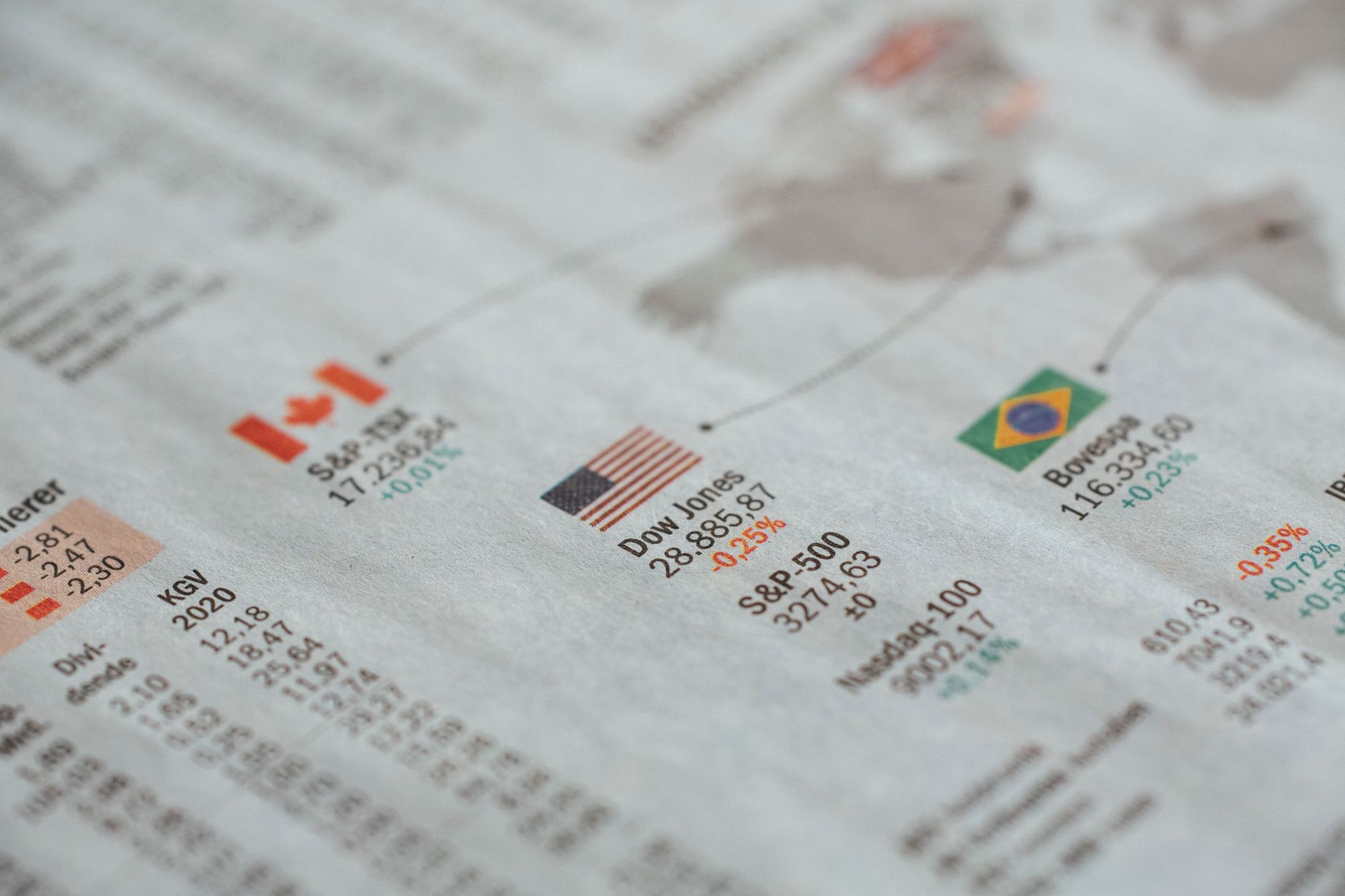
Stock indices, such as the Nifty 50 and the BSE Sensex, are benchmarks that represent the performance of a basket of stocks from specific sectors or the broader market. They provide a snapshot of the market’s direction and are widely used by investors to gauge overall market sentiment and the performance of their investments.
The Nifty 50, managed by the India Index Services and Products Ltd. (a subsidiary of NSE), comprises the 50 largest and most liquid Indian companies listed on the NSE, reflecting the performance of the large-cap segment. The BSE Sensex comprises 30 prominent stocks listed on the BSE. These indices are crucial for benchmarking portfolio performance and are the underlying assets for index funds and exchange-traded funds (ETFs).
Understanding the Nifty 50
The Nifty 50 is a free-float market capitalization-weighted index. This means stocks with larger market capitalizations (adjusted for public float) have a greater influence on the index’s movement. It’s rebalanced semi-annually to ensure it accurately reflects the current market dynamics and includes leading companies across various industries like banking, IT, energy, and FMCG.
Understanding the BSE Sensex
Similarly, the BSE Sensex is also a market-capitalization-weighted index, representing 30 of the largest and most actively traded stocks on the BSE. It serves as a bellwether for the Indian equity market, offering insights into the performance of India’s blue-chip companies.
How can a Beginner Start Investing in the Indian Stock Market?
Starting your investment journey in the Indian stock market requires a systematic approach, focusing on education, preparation, and disciplined execution. Begin by understanding your financial goals and risk tolerance, as this will guide your investment strategy.
For beginners, it’s often advisable to start small and gradually increase investment as your knowledge and confidence grow. Utilizing tools and resources that simplify market analysis, like TradingView indicators, can be beneficial. Many platforms also offer a free trial, allowing you to explore their features before committing.
How to Open a Demat and Trading Account
- Research Stockbrokers: Compare different stockbrokers based on their brokerage charges, platform usability, customer service, and available research tools. Look for SEBI-registered brokers.
- Gather Documents: Prepare necessary documents like PAN card, Aadhaar card, bank account details (cancelled cheque), and passport-sized photographs.
- Complete Application: Fill out the account opening form, either online or offline, and submit the required KYC (Know Your Customer) documents.
- In-Person Verification (IPV): Undergo a brief IPV, usually a video call or in-person meeting, as mandated by SEBI.
- Account Activation: Once approved, you will receive your trading account login credentials and your Demat account will be activated, linked to your bank account.
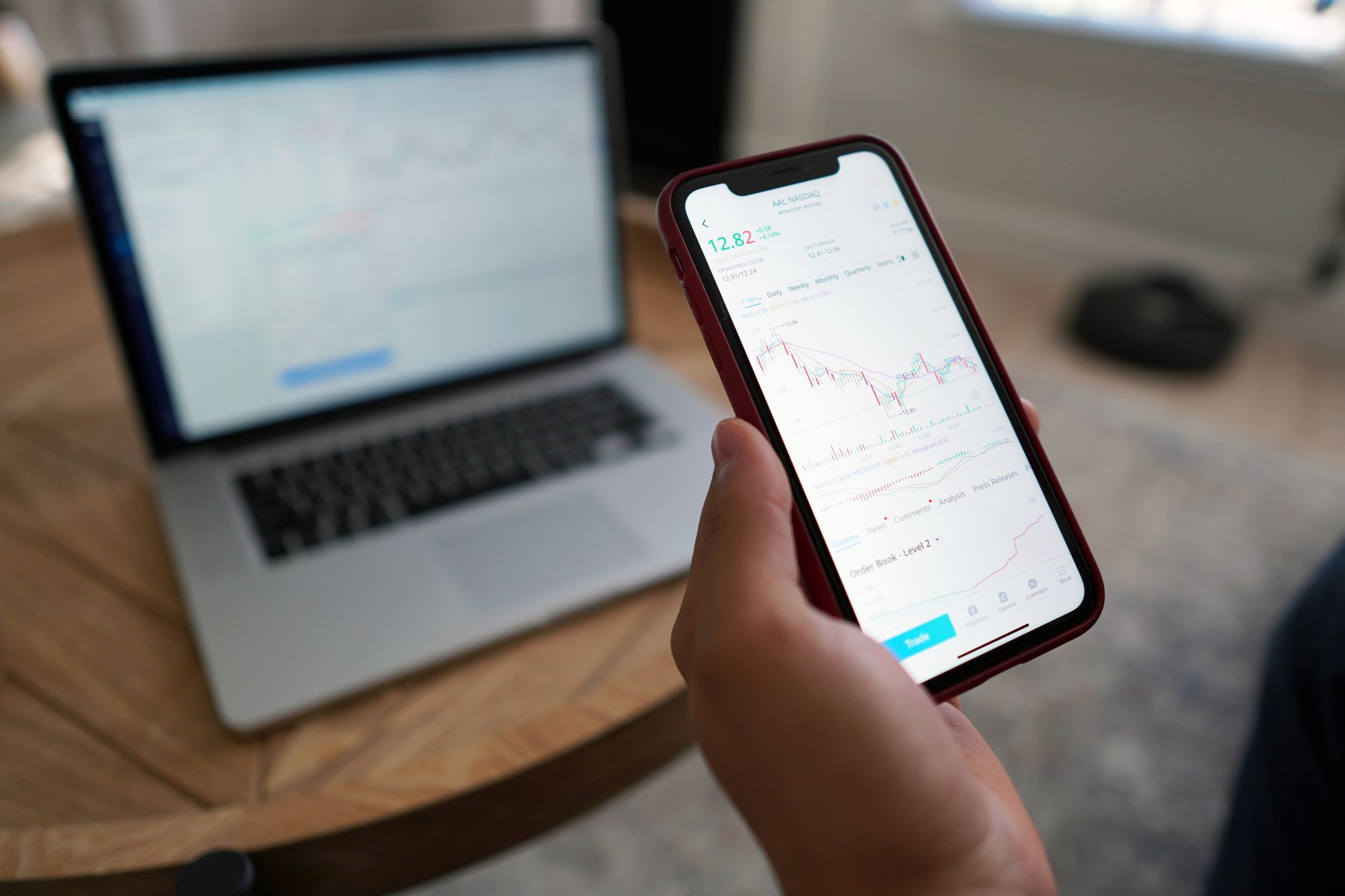
Your Demat account holds your shares in electronic form, while your trading account is used to place buy and sell orders.
Choosing Your First Investments
For beginners, a good starting point is often investing in index funds or ETFs that track the Nifty 50 or BSE Sensex. This provides instant diversification and lower risk compared to picking individual stocks. Alternatively, consider large-cap stocks with strong fundamentals and a history of consistent performance. Platforms like Finovatives.com offer tools that can help identify such opportunities.
The Trend Traders Tool, for instance, can assist in analysing market trends, which is crucial for making informed decisions. Remember to start with a sum you can afford to lose, as the stock market involves inherent risks.
How to Place Your First Trade
- Log in to Your Trading Platform: Access your broker’s online trading portal or mobile app.
- Search for the Stock: Enter the company’s name or stock ticker symbol.
- Select Order Type: Choose between a ‘Market Order’ (buy/sell at the current best available price) or a ‘Limit Order’ (buy/sell at a specific price you set). For beginners, understanding the difference is key.
- Enter Quantity: Specify the number of shares you wish to buy or sell.
- Review and Confirm: Double-check the order details (stock, quantity, price, order type) before submitting.
- Monitor Your Trade: Once executed, the shares will appear in your Demat account, or the sale proceeds will be credited to your trading account ledger.
Frequently Asked Questions
What is the role of SEBI in the Indian stock market?
SEBI (Securities and Exchange Board of India) is the primary regulator. It protects investor interests, promotes market development, and regulates the securities market to prevent fraudulent and unfair trade practices.
Is it safe to invest in the Indian stock market?
Investing in the stock market carries inherent risks, but it is relatively safe when done through regulated exchanges (NSE, BSE) and registered brokers, with proper research and diversification.
What is the difference between NSE and BSE?
Both are stock exchanges, but NSE is known for its technology and derivatives trading, while BSE is Asia’s oldest exchange with a larger number of listed companies.
What is a Demat account and why do I need one?
A Demat account holds your shares and other securities in electronic form. You need it to buy or sell shares on the stock market, as physical share certificates are no longer commonly used.
How can I find reliable information about stocks?
Reliable information can be found through SEBI’s website, exchange websites (NSE India, BSE India), financial news portals, company annual reports, and reputable financial advisory services.

What is a stockbroker?
A stockbroker is a SEBI-registered intermediary who buys and sells securities on behalf of investors through stock exchanges. They provide trading platforms and execute orders.
Key Takeaways
- The Indian stock market, primarily comprising NSE and BSE, allows companies to raise capital and investors to trade shares.
- SEBI acts as the regulator, ensuring fair and transparent market practices.
- Stock indices like Nifty 50 and Sensex serve as market benchmarks.
- Opening a Demat and trading account through a SEBI-registered broker is the first step for investors.
- Beginners should consider index funds, ETFs, or large-cap stocks for initial investments.
- Thorough research, understanding risk, and disciplined trading are crucial for success.
Disclaimer: Investing in the stock market is subject to market risks. Please read all related documents carefully before investing. Past performance is not indicative of future results.





 Finovatives