


TL;DR: Breakout trading strategies for Nifty and Bank Nifty involve identifying and trading when prices decisively move beyond established support or resistance levels, aiming to profit from the subsequent trend continuation.
Key Stats at a Glance:
- Nifty 50 average daily trading volume: ~1.5 Lakh Crores (as of early 2024)
- Bank Nifty volatility can be 1.5x-2x that of Nifty 50
- NSE Cash Market has over 4,000 listed securities
- Breakout strategies can yield 10-20% gains in short periods when successful
- Over 60% of retail traders experience losses, highlighting the need for robust strategies
What is Breakout Trading?
Breakout trading is a strategy where traders enter a position when the price of an asset moves decisively beyond a predefined price level, such as a support or resistance line, or a chart pattern boundary. The fundamental belief is that this breach signals the start of a new, strong trend.
How Do Breakouts Occur in Nifty and Bank Nifty?
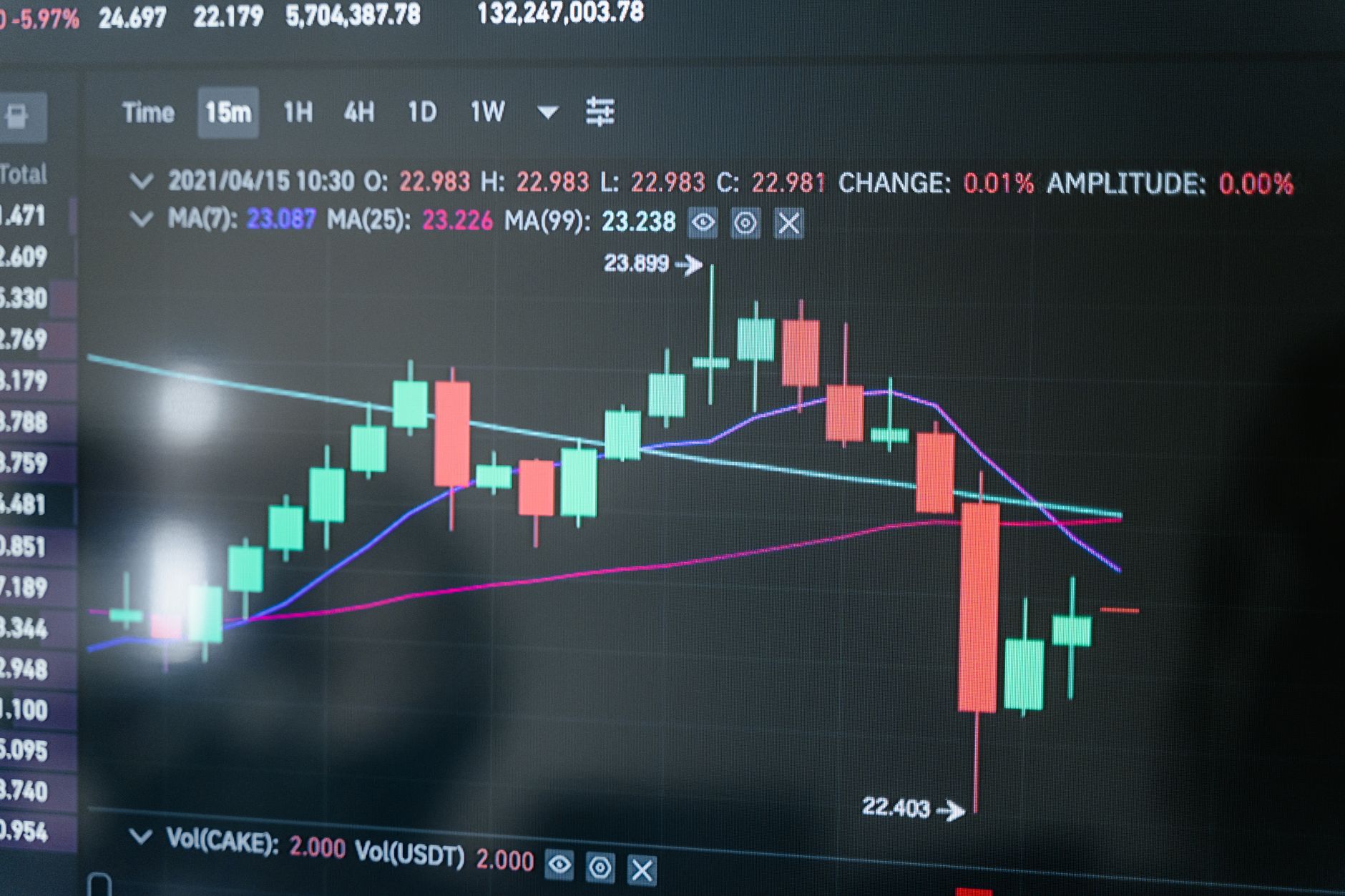
Breakouts in Nifty and Bank Nifty occur when buying or selling pressure becomes strong enough to overcome the prevailing consolidation or trend, pushing the price beyond significant technical levels. These levels are often defined by historical price action, chart patterns, or moving averages, and their breach indicates a shift in market sentiment and momentum.
Identifying Support and Resistance Levels
Support and resistance levels are price points where an asset has historically found it difficult to move beyond. Support acts as a floor, preventing prices from falling further, while resistance acts as a ceiling, hindering upward movement. Traders identify these using historical price charts, trendlines, and chart patterns like triangles, flags, and ranges.
Chart Patterns Signaling Breakouts
Certain chart patterns are highly indicative of potential breakouts. These include:
- Triangles: Ascending, descending, and symmetrical triangles often precede a sharp price move in the direction of the breakout.
- Flags and Pennants: These are short-term continuation patterns that form after a sharp price move, suggesting a pause before the trend resumes.
- Rectangles (Ranges): When prices trade within a defined horizontal channel, a breakout above resistance or below support can initiate a significant trend.
- Head and Shoulders (and Inverse): These patterns signal potential trend reversals, with the breakout occurring at the neckline.
Volume Confirmation
A crucial element in validating a breakout is volume. A breakout accompanied by significantly higher trading volume than average suggests strong conviction behind the move. Low volume breakouts are often false signals, prone to reversal. The NSE’s daily volume data is a key indicator for Indian market traders.
What Makes a Breakout Strategy Effective?
An effective breakout strategy is effective because it aims to capture the initial, most powerful phase of a new trend, often characterized by rapid price movement and increasing momentum. By entering as the breakout occurs, traders position themselves to benefit from this momentum, provided the breakout is genuine and not a false signal.
The Importance of Momentum
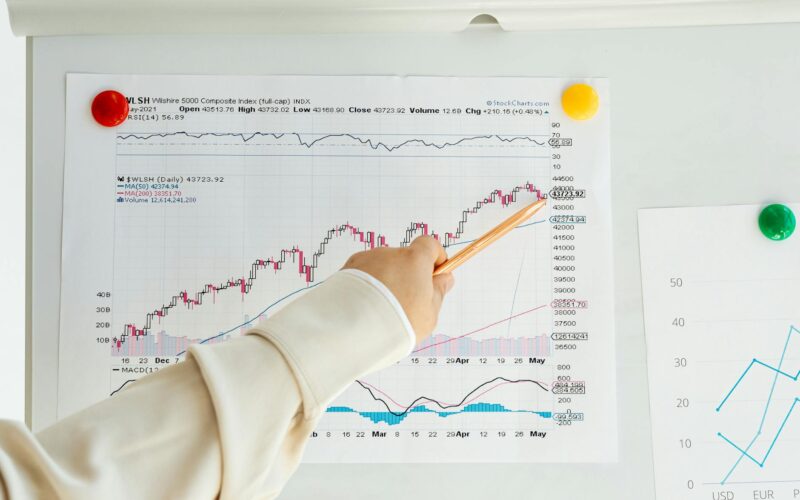
Momentum indicators, such as the Relative Strength Index (RSI) or Moving Average Convergence Divergence (MACD), are vital for confirming breakouts. A breakout is often supported by increasing momentum in the direction of the move. For instance, a breakout above resistance should ideally coincide with an RSI moving above 60 or a bullish MACD crossover.
Risk Management in Breakout Trading
Effective risk management is paramount. This involves setting stop-loss orders just below the breakout level (for long breakouts) or above it (for short breakouts) to limit potential losses if the breakout fails. Position sizing should also be conservative, ensuring that no single trade can significantly damage the overall capital.

False Breakouts and How to Avoid Them
False breakouts, or ‘fakeouts’, occur when the price briefly breaches a key level but then reverses, trapping traders who entered on the breakout. Avoiding them involves waiting for confirmation (e.g., closing price beyond the level, high volume, momentum indicators) and using tight stop-losses.
How to Implement a Breakout Trading Strategy
- Identify Key Levels: Analyse Nifty or Bank Nifty charts to pinpoint significant support and resistance zones or chart patterns.
- Watch for Consolidation: Wait for the price to consolidate or trade within a defined range near these key levels.
- Monitor Volume: Keep an eye on trading volume. Look for an increase in volume as the price approaches the breakout level.
- Await the Breach: Wait for the price to decisively close beyond the support or resistance level. A candlestick closing well beyond the level is a strong signal.
- Confirm with Indicators: Check momentum indicators (RSI, MACD) to see if they support the breakout direction.
- Enter the Trade: Place an order to enter the trade immediately after confirmation. For a bullish breakout, buy; for a bearish breakout, sell.
- Set Stop-Loss: Immediately place a stop-loss order below the breakout level (for long trades) or above it (for short trades).
- Manage the Trade: Trail your stop-loss as the price moves in your favour to lock in profits and consider partial profit booking at key targets.

Breakout Strategies for Nifty and Bank Nifty
Trend Following Breakouts
This is the most common type. When Nifty or Bank Nifty is in an established uptrend and breaks above a resistance level, it’s a signal to buy, expecting the uptrend to continue. Conversely, a break below support in a downtrend signals a short-selling opportunity.
Range Breakouts
When Nifty or Bank Nifty consolidates within a horizontal range for a period, a decisive move above the upper boundary (resistance) or below the lower boundary (support) can initiate a strong new trend. These often occur after periods of low volatility.
Moving Average Breakouts
Key moving averages (e.g., 50-day, 200-day) can act as dynamic support or resistance. A strong move that closes decisively above a significant moving average resistance, or below a support, can signal a trend shift or continuation.
Volatility-Based Breakouts
Indicators like the Bollinger Bands can help identify periods of low volatility (bands narrowing) preceding a potential breakout. Trading strategies can then be employed to capture the expansion of volatility following such a period.
Frequently Asked Questions
What is the best indicator for breakout trading?
While no single indicator is foolproof, a combination of volume, RSI, and MACD often provides strong confirmation for breakout trades in Nifty and Bank Nifty. Price action itself remains paramount.
How much profit can I expect from a breakout trade?
Profit potential varies greatly. Successful breakout trades can yield quick gains of 5-15% or more within days or weeks, but losses can also be significant if the breakout fails.
When should I exit a breakout trade?
Exit when your stop-loss is hit, when a trailing stop-loss is triggered, or when momentum indicators show signs of divergence or reversal. Partial profit booking at predefined targets is also advisable.
Are breakout strategies suitable for beginners?
Breakout strategies can be simple to understand but difficult to execute flawlessly due to the risk of false breakouts. Beginners should start with small positions and focus on risk management, perhaps utilizing a tool like Finovatives’ Trend Traders Tool for enhanced analysis.
What is a ‘fakeout’ in breakout trading?
A fakeout is when a price briefly moves beyond a support or resistance level, leading traders to believe a breakout has occurred, only for the price to quickly reverse and move back into the previous range.
Can breakout strategies be used for Intraday trading?
Yes, breakout strategies are very popular for intraday trading in Nifty and Bank Nifty, where traders look for price to break out of short-term consolidation patterns or key intraday levels to capture quick profits.
Key Takeaways
- Breakout trading capitalizes on decisive price movements beyond support or resistance.
- Volume and momentum indicators are critical for confirming genuine breakouts and avoiding false signals.
- Robust risk management, including stop-losses, is essential for survival and profitability.
- Chart patterns like triangles and ranges often precede significant breakout moves.
- Waiting for confirmation before entering a trade significantly reduces the risk of fakeouts.
- Both Nifty and Bank Nifty exhibit distinct characteristics that traders can leverage for breakout strategies.
- Continuous learning and adaptation are key, especially considering the dynamic nature of market conditions.
Trading in securities is subject to market risks. Read all related documents carefully before investing.





 Finovatives