


TL;DR: The Nifty Bank index presents substantial opportunities for Indian traders and investors due to strong economic tailwinds, credit growth, and digital banking adoption, making it a key sector for strategic investment and trading based on fundamental and technical analysis.
Key Stats at a Glance:
- Nifty Bank Index constituents: 12 leading banks
- Average Nifty Bank P/E Ratio (as of recent data): ~20x
- Estimated Indian banking sector credit growth (FY24-25): 15-17%
- Digital transaction volume growth in India: Over 50% YoY
- Non-Performing Asset (NPA) ratio for Indian banks: Below 3.5% (lowest in years)
What is the Nifty Bank index?
The Nifty Bank index is a composite index representing the banking sector’s performance on the National Stock Exchange of India (NSE), comprising the most liquid and large-capitalised Indian banking stocks.
The Nifty Bank index serves as a crucial barometer for the health and direction of India’s banking and financial services sector. It is a free-float, market capitalization-weighted index derived from calculations by NSE Indices. The index consists of 12 banking stocks selected based on criteria like free-float market capitalization, trading frequency, and liquidity. Its movements often reflect broader economic trends and investor sentiment towards the financial sector.
Understanding the Nifty Bank index is fundamental for any trader or investor looking to tap into the potential of India’s banking domain. It allows for sector-specific analysis, helping to identify leading performers and potential laggards within one of the country’s most vital economic pillars.
Why should traders and investors focus on Nifty Bank stocks?
Traders and investors should focus on Nifty Bank stocks due to the sector’s integral role in India’s economic growth, its sensitivity to interest rate cycles, and the potential for significant returns driven by credit expansion and digital transformation.
India’s banking sector is the engine of its economy, facilitating credit flow, savings, and investments. As the nation continues its growth trajectory, demand for banking services, loans, and financial products escalates. This expansion directly benefits banking companies, translating into higher revenues and profits. Furthermore, the Reserve Bank of India’s (RBI) monetary policies, particularly interest rate adjustments, significantly impact bank profitability through net interest margins (NIMs). Opportunities abound during periods of economic expansion and favourable interest rate environments. The ongoing digital revolution in India, with initiatives like UPI, has also spurred transaction volumes and customer acquisition for banks, creating new revenue streams and operational efficiencies.
Key Drivers for the Banking Sector
- Economic Growth: A robust GDP growth rate fuels credit demand across retail, MSME, and corporate segments.
- Interest Rate Sensitivity: Banks’ profitability is closely tied to interest rate movements. Strategic positioning can yield substantial gains.
- Digital Adoption: The surge in digital payments and online banking services offers avenues for customer acquisition and reduced operational costs.
- Regulatory Environment: Favourable regulatory policies and improved asset quality (lower NPAs) enhance investor confidence.
- Government Initiatives: Schemes promoting financial inclusion and credit availability often support the sector.
Credit Growth and Profitability
The sustained credit growth witnessed in India is a primary catalyst for the banking sector. As businesses expand and consumer demand rises, the need for borrowing increases, directly benefiting banks’ core lending business. This growth in loan books, coupled with effective management of Net Interest Margins (NIMs), drives profitability. Banks that can effectively manage their cost of funds and lend at attractive rates stand to gain significantly.
Asset Quality Improvement
A crucial factor influencing the banking sector’s health is asset quality, often measured by the Non-Performing Asset (NPA) ratio. Over the past few years, Indian banks have made considerable progress in cleaning up their balance sheets, leading to a significant reduction in NPAs. This improvement strengthens banks’ financial positions, enhances their lending capacity, and boosts investor confidence, making Nifty Bank stocks more attractive.

How can traders analyse Nifty Bank stocks?
Traders can analyse Nifty Bank stocks by combining fundamental analysis of key financial metrics, understanding macroeconomic indicators, and employing technical analysis tools to identify entry and exit points.
A comprehensive analysis involves looking beyond just stock prices. Fundamental analysis requires delving into a bank’s financial statements to assess its health and growth prospects. This includes examining profitability ratios, asset quality, capital adequacy, and management efficiency. Concurrently, understanding the broader economic environment, such as inflation, GDP growth, and RBI’s monetary policy, provides context for the sector’s performance. Technical analysis then helps pinpoint optimal trading opportunities by studying price charts, patterns, and indicators. Tools like moving averages, RSI, and MACD can signal potential trend reversals or continuations.
Fundamental Analysis Checklist
When evaluating individual bank stocks within the Nifty Bank index, a thorough fundamental analysis is paramount. This involves scrutinizing several key financial parameters that indicate a bank’s operational efficiency, financial stability, and growth potential.
- Net Interest Margin (NIM): A higher NIM generally signifies better profitability from lending activities.
- Asset Quality (GNPA/NNPA): Lower Gross and Net Non-Performing Assets indicate healthier loan portfolios.
- Capital Adequacy Ratio (CAR): A CAR above the regulatory minimum (e.g., Basel III norms) shows the bank’s ability to absorb losses.
- Return on Assets (ROA) & Return on Equity (ROE): These profitability ratios measure how effectively the bank is using its assets and shareholder equity.
- Cost-to-Income Ratio: A lower ratio suggests better operational efficiency.
- Deposit Growth & CASA Ratio: Strong deposit growth and a high Current Account Savings Account (CASA) ratio are positive indicators.
Technical Analysis for Trading Decisions
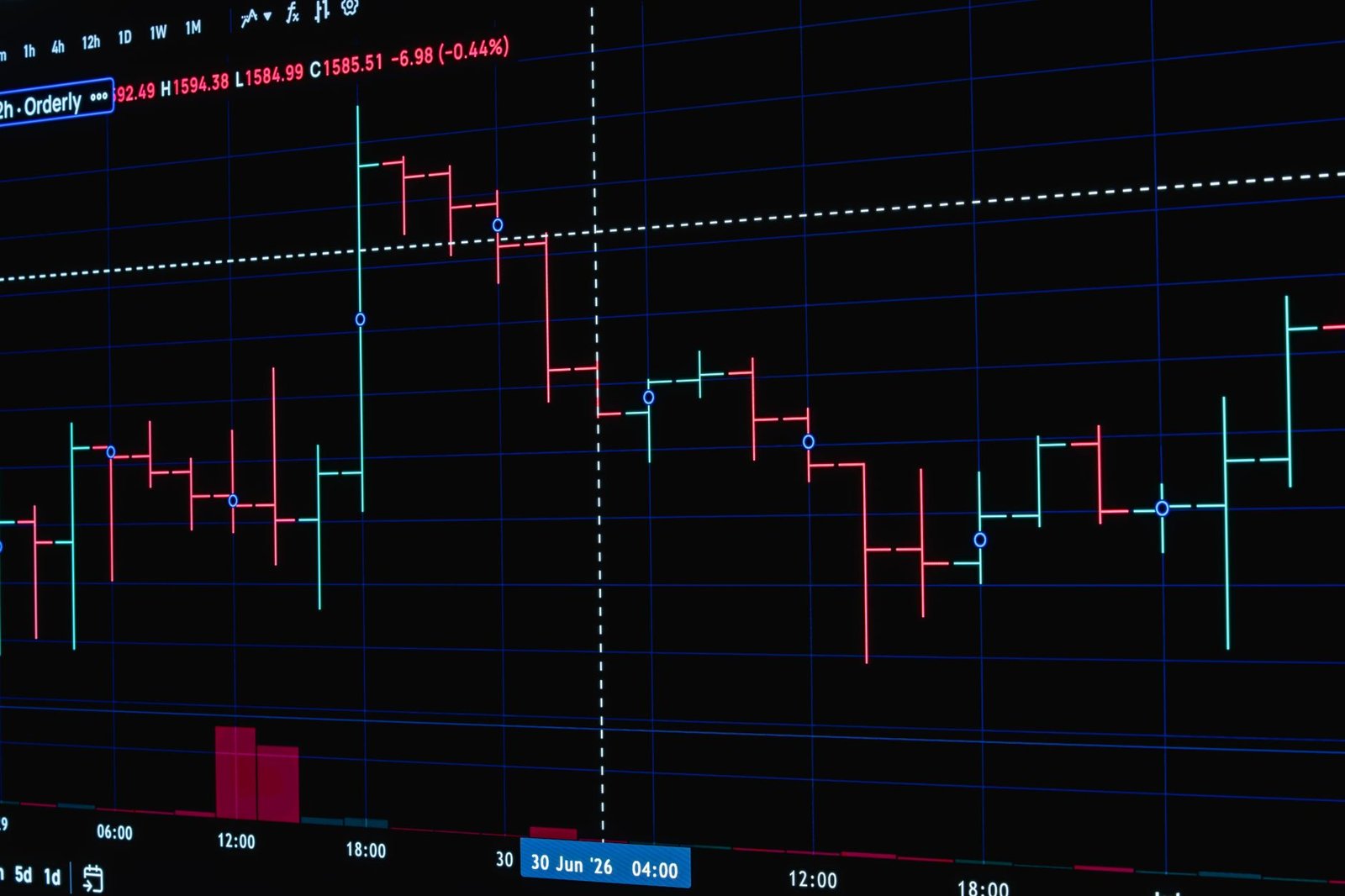
Technical analysis focuses on historical price and volume data to predict future price movements. For Nifty Bank stocks, this involves identifying trends, support and resistance levels, and potential trading signals.
How to apply technical analysis to Nifty Bank stocks:
- Identify the Trend: Use moving averages (e.g., 50-day, 200-day) to determine the primary trend (uptrend, downtrend, or sideways).
- Determine Support & Resistance: Plot horizontal lines on price charts where the stock has historically found buying (support) or selling (resistance) pressure.
- Utilize Oscillators: Employ indicators like the Relative Strength Index (RSI) to gauge overbought or oversold conditions. An RSI below 30 might signal a buying opportunity, while above 70 could indicate an overbought situation.
- Monitor Volume: Significant price movements accompanied by high trading volume are generally more reliable.
- Chart Patterns: Look for formations like head and shoulders, double tops/bottoms, or flags that can predict future price direction.
- Use Fibonacci Retracements: These tools can help identify potential support and resistance levels within a trend.
- Incorporate TradingView Indicators: Leverage specialized TradingView indicators like the Trend Traders Tool, available through platforms like Finovatives.com, for enhanced signal generation.
Impact of Macroeconomic Factors
Macroeconomic factors like inflation, GDP growth, and the repo rate set by the RBI play a pivotal role. For instance, rising inflation might lead to interest rate hikes, potentially widening NIMs but also increasing borrowing costs for customers, which could slow credit growth. Conversely, a stable or falling interest rate environment might compress NIMs but stimulate loan demand.
Sectoral News and Regulatory Changes
Staying abreast of news related to the banking sector and regulatory changes announced by SEBI or the RBI is critical. Announcements regarding capital infusion requirements, new lending norms, or digital banking policies can significantly impact stock prices.
What are the potential opportunities in Nifty Bank stocks?
Potential opportunities in Nifty Bank stocks lie in capitalizing on consistent credit growth, benefiting from digital transformation initiatives, and strategically trading during interest rate cycle shifts and periods of improved asset quality.
The Indian economy’s growth trajectory fuels demand for credit across all segments – retail, MSMEs, and large corporations. Banks are at the forefront of facilitating this credit expansion. The digital banking revolution presents another massive opportunity. Banks investing heavily in technology, offering seamless digital experiences, and leveraging data analytics are likely to gain market share and improve operational efficiency. Furthermore, as the NPA situation continues to improve, banks with strong balance sheets are better positioned to increase lending and improve profitability. Strategic investors can also look at opportunities arising from potential mergers and acquisitions within the sector or specific banks showing strong turnaround stories.

Growth in Retail Lending
The burgeoning Indian middle class and increasing disposable incomes are driving significant growth in retail lending, including home loans, vehicle loans, and personal loans. Banks with a strong retail franchise are well-positioned to capture this segment’s growth.
MSME Sector Support
The Micro, Small, and Medium Enterprises (MSME) sector is a vital contributor to India’s economy. Government support and increased credit flow to this segment create substantial opportunities for banks catering to MSME financing needs.
Digital Transformation and Fintech Collaboration
Banks embracing digital transformation, investing in mobile banking, and collaborating with Fintech companies are poised for growth. This allows them to reach wider customer bases, offer innovative products, and reduce costs.
Interest Rate Cycle Plays
Traders can benefit from anticipating shifts in the interest rate cycle. When rates are expected to rise, banks with a higher proportion of floating-rate assets might benefit. Conversely, during falling rate cycles, focus might shift to banks with strong fee-based income streams.
Frequently Asked Questions
What is the outlook for the Indian banking sector?
The outlook for the Indian banking sector remains positive, supported by robust economic growth, manageable NPAs, and increasing credit demand. Digitalization and government initiatives further bolster prospects.
Which are the largest banks in the Nifty Bank index?
The largest banks in the Nifty Bank index typically include HDFC Bank, ICICI Bank, State Bank of India, and Axis Bank, based on their market capitalization.
How does RBI policy affect Nifty Bank stocks?
RBI policies, particularly changes in the repo rate and liquidity management, directly influence banks’ borrowing costs and lending rates, thereby impacting their Net Interest Margins (NIMs) and overall profitability.
Is it a good time to invest in bank stocks?
The timing depends on individual analysis. Factors like valuation, economic outlook, interest rate trends, and specific bank performance should guide investment decisions. Current trends suggest continued opportunity.
What are the risks associated with investing in Nifty Bank stocks?
Risks include interest rate volatility, potential economic slowdowns, regulatory changes, increased competition from new-age banks and Fintechs, and cyclical credit risks.
How can I access advanced TradingView indicators for bank stock analysis?
Platforms like Finovatives.com offer access to specialized TradingView indicators, including tools like the Trend Traders Tool, which can assist in detailed technical analysis and signal generation for Nifty Bank stocks. They often provide a free trial period.
Key Takeaways:
- The Nifty Bank index offers significant investment and trading potential driven by India’s economic expansion.
- Key growth drivers include retail and MSME credit demand, and digital banking adoption.
- Thorough analysis requires a combination of fundamental (NIM, Asset Quality) and technical (Trends, Support/Resistance) approaches.
- Macroeconomic factors and RBI policies significantly influence sector performance.
- Improving asset quality has strengthened the financial health of many Indian banks.
- Specialized tools and indicators can enhance trading analysis.
Investing in the stock market involves inherent risks. Please consult with a qualified financial advisor before making any investment decisions.






 Finovatives