



TL;DR: Position sizing is the process of determining how much capital to allocate to a single trade to manage risk effectively, crucial for protecting capital and maximising profits in the Indian stock market.
Key Stats at a Glance:
- Nifty 50 constituents: 50 blue-chip Indian companies
- Average daily trading volume on NSE: Over ₹10,000 crore (approx.)
- SEBI mandates risk disclosure for all investment products.
- Retail investor participation in Indian equity markets has grown by 60% in the last 5 years.
What is Position Sizing?
Position sizing is the process of determining the appropriate amount of capital to allocate to a single trade, balancing potential profit with acceptable risk. It’s a fundamental component of risk management that helps traders avoid catastrophic losses and stay in the game long-term.
Many new traders focus solely on entry and exit points, overlooking the critical aspect of how much they’re actually betting on each trade. In the dynamic Indian stock market, where volatility is a given, a robust position sizing strategy can be the difference between consistent profitability and account depletion. Think of it as the ‘how much’ in your trading plan, just as important as the ‘when’ and ‘where’.
How Can Position Sizing Protect My Capital?
Position sizing protects your capital by ensuring that no single losing trade can significantly damage your overall trading account. It enforces discipline by pre-determining the maximum loss you’re willing to accept on any given trade, directly limiting your downside exposure.
The core principle is that you should never risk more than a small, predetermined percentage of your total trading capital on any single trade. For instance, if you decide to risk only 1% of your capital per trade, and your account is ₹1,00,000, you would never risk more than ₹1,000 on that trade. This systematic approach prevents emotional decision-making during volatile market swings, which are common in the NSE and BSE.
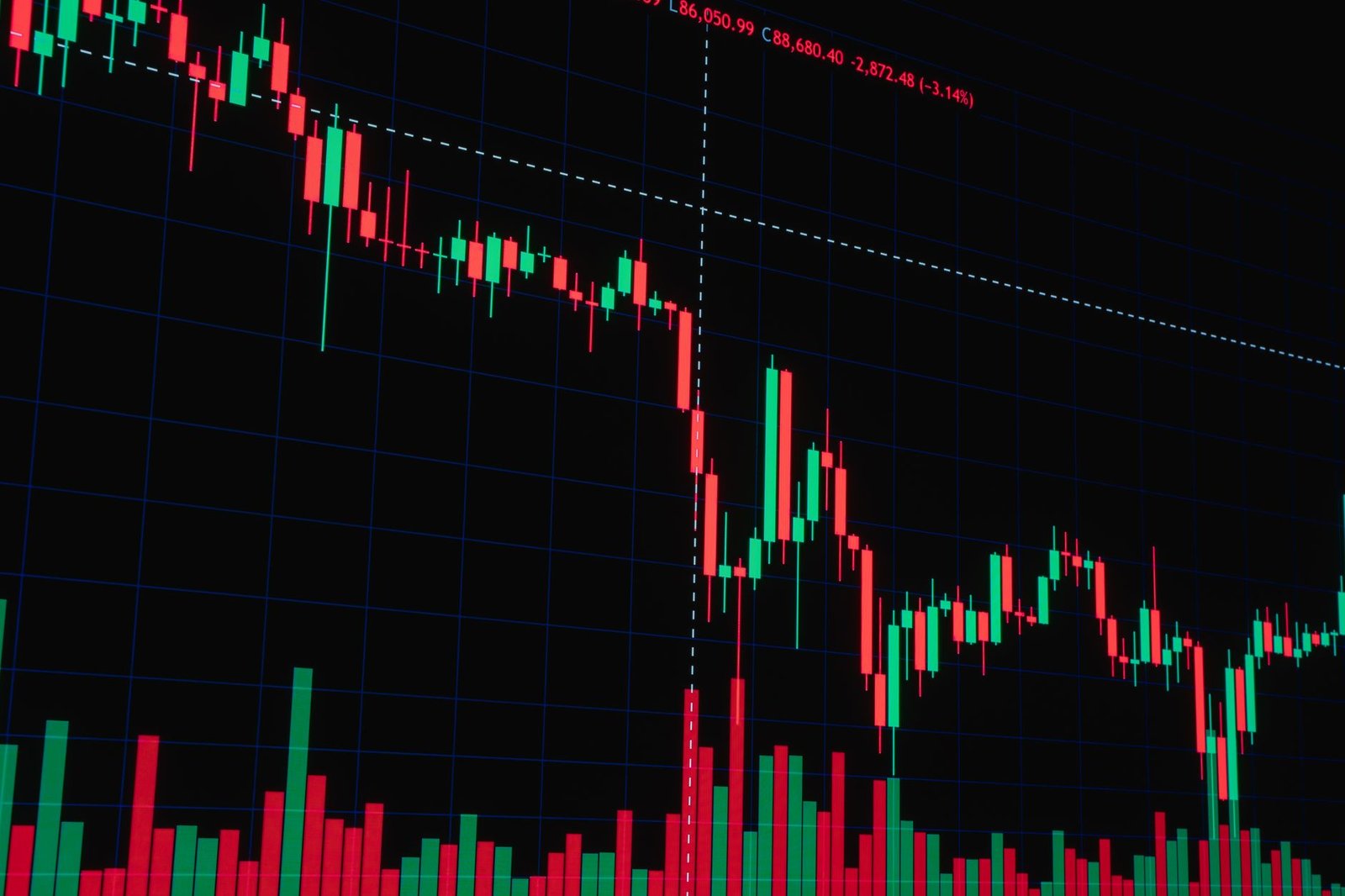
This disciplined approach is vital for survival in the competitive Indian stock market environment. It ensures that even a string of consecutive losses, which can happen to any trader, doesn’t wipe out your account. Instead, losses remain manageable, allowing you to continue trading and seeking profitable opportunities.
What Are the Key Position Sizing Strategies for Indian Traders?
Several position sizing strategies can be effectively employed by Indian stock traders, each offering a slightly different approach to risk management. The best strategy often depends on an individual’s risk tolerance, trading style, and capital base.
Fixed Fractional Position Sizing
This is arguably the most popular and widely recommended strategy. It involves risking a fixed percentage of your trading capital on each trade. As your capital grows, the position size increases proportionally, and as it shrinks, the position size decreases, automatically adjusting to your account’s equity.
Percentage of Equity Position Sizing
This strategy is very similar to fixed fractional sizing. You determine the maximum percentage of your total equity you are willing to risk on any single trade. For example, if you have ₹2,00,000 in your trading account and decide to risk 1% per trade, your maximum risk per trade is ₹2,000. This risk amount is then used to calculate the number of shares or lots you can trade based on your stop-loss level.
Fixed Dollar Amount Position Sizing
In this method, you allocate a fixed amount of money for each trade, regardless of your total account equity. For example, you might decide to risk ₹5,000 per trade. This strategy is simpler to implement but doesn’t adapt as dynamically to account growth or decline as fractional methods do.
The 1% or 2% Rule
This is a specific application of the fixed fractional or percentage of equity strategy. Traders decide to risk no more than 1% or 2% of their total trading capital on any single trade. This is a conservative approach, often favoured by beginners or those trading with smaller accounts, as it provides a substantial buffer against significant losses.
Risk-Reward Ratio Based Sizing
Some traders adjust their position size based on the desired risk-reward ratio. If they are aiming for a 1:3 risk-reward ratio, they might slightly increase their position size if they have high confidence in a trade setup, or decrease it if the setup is less convincing, while still adhering to an overall capital risk percentage.

How Does Volatility Affect Position Sizing?
Market volatility directly impacts the calculation of position size. In highly volatile markets, the price of a stock can fluctuate significantly within a short period. This means that for a given stop-loss distance, a higher position size could lead to a much larger loss than intended if volatility increases unexpectedly. Conversely, in less volatile markets, you might be able to take a slightly larger position size for the same risk percentage.
Why is Stop-Loss Essential for Position Sizing?
A stop-loss order is an indispensable tool when implementing any position sizing strategy. It automatically closes your trade at a predetermined price level, limiting your potential loss. The distance between your entry price and your stop-loss price is the ‘risk’ per share or unit. This ‘risk per unit’ is then used in conjunction with your chosen risk percentage to calculate the maximum number of units you can trade.
Without a stop-loss, your position size calculation is meaningless, as there’s no defined exit point for a losing trade. SEBI guidelines often emphasise risk management, and a stop-loss is a practical manifestation of this.
How to Calculate Position Size
Calculating your position size is a straightforward process once you understand the key variables. It involves a few simple steps:
- Determine Your Total Trading Capital: This is the total amount of money you have allocated for trading across all your positions. Let’s say it’s ₹5,00,000.
- Choose Your Risk Percentage Per Trade: Decide on the maximum percentage of your capital you are willing to risk on a single trade. A common recommendation is 1% to 2%. Let’s choose 1%. Your maximum risk per trade is ₹5,00,000 * 1% = ₹5,000.
- Identify Your Stop-Loss Price: Determine where you will exit the trade if it moves against you. For example, you plan to buy Reliance Industries at ₹2,800 and set a stop-loss at ₹2,750.
- Calculate the Risk Per Share: Subtract the stop-loss price from your entry price. In this example, the risk per share is ₹2,800 – ₹2,750 = ₹50.
- Calculate the Number of Shares: Divide your maximum risk per trade (from step 2) by the risk per share (from step 4). Number of shares = ₹5,000 / ₹50 = 100 shares.
- Determine Your Position Size: Your position size is the number of shares you can buy multiplied by the entry price. In this case, 100 shares * ₹2,800 = ₹2,80,000. This is the capital allocated to this single trade.
- Adjust for Leverage (If Applicable): If you are using margin or leverage, ensure that your total position size (including leverage) does not exceed your risk tolerance or regulatory limits imposed by exchanges.
- Review and Re-evaluate: Regularly review your capital and adjust your risk percentage and position size as your account grows or shrinks.

Frequently Asked Questions
What is the most common position sizing strategy in India?
The Fixed Fractional or Percentage of Equity method, often simplified to the 1% or 2% rule, is the most commonly recommended and used strategy among Indian retail traders due to its adaptability and robust risk management.
Can I use position sizing with options trading?
Yes, position sizing is equally crucial, if not more so, for options trading due to the inherent leverage and time decay involved. You must calculate the number of option contracts based on the premium and your risk tolerance, always using a defined exit strategy.
How does trading psychology relate to position sizing?
Effective position sizing enforces trading discipline. It prevents impulsive decisions driven by fear or greed by pre-defining the acceptable loss, thereby helping traders stick to their plan even during stressful market conditions.
What if my trading capital is very small?
Even with small capital, position sizing is vital. You might risk a smaller absolute amount, but the percentage remains consistent. Focus on a low risk per trade (e.g., 1%) and gradually increase your position size as your capital grows through profitable trades.
Does SEBI recommend a specific position sizing method?
While SEBI does not mandate a specific position sizing formula, it strongly emphasises robust risk management practices for all market participants. Strategies like the 1% or 2% rule align well with SEBI’s objective of investor protection.
Key Takeaways
- Position sizing is critical for managing risk in the Indian stock market, helping to protect capital and ensure longevity.
- The Fixed Fractional or Percentage of Equity method (e.g., 1% or 2% rule) is highly recommended for its adaptability.
- A stop-loss order is essential for defining your risk per share and accurately calculating position size.
- Always consider market volatility when determining your position size to avoid unexpected losses.
- Regularly review and adjust your position sizing strategy as your trading capital changes.
- Disciplined execution of position sizing can significantly improve trading consistency and profitability over time.
Trading involves inherent risks, and past performance is not indicative of future results. Always conduct your own research and consult with a SEBI-registered investment advisor before making any investment decisions.






 Finovatives