


TL;DR: Safeguarding your Indian stock market portfolio during crashes requires proactive diversification across asset classes, hedging strategies, maintaining liquidity, and avoiding emotional decision-making, focusing on long-term goals rather than short-term panic.
Key Stats at a Glance:
- Nifty 50 witnessed a drawdown of over 30% during the March 2020 COVID-19 crash.
- SEBI mandates risk-o-meter disclosures for mutual funds to inform investors.
- Indian equity markets have historically shown resilience, with average recovery times post-major corrections varying between 6-18 months.
- Over 50% of retail investors surveyed in FY23 reported experiencing losses during periods of high market volatility.
- The average asset allocation for a balanced Indian portfolio includes 60-70% equities, 20-30% debt, and 5-10% gold/real estate.
What is a Market Crash?
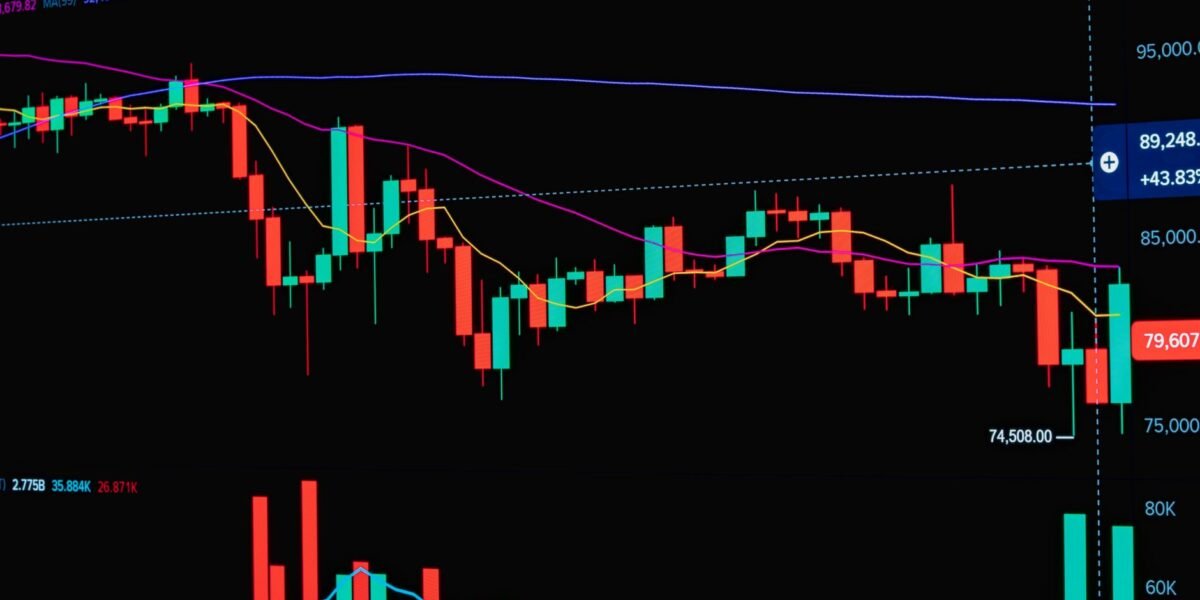
A market crash is a sudden, dramatic decline in stock prices across a significant portion of the market, often triggered by unexpected economic or geopolitical events, leading to widespread panic and selling pressure.
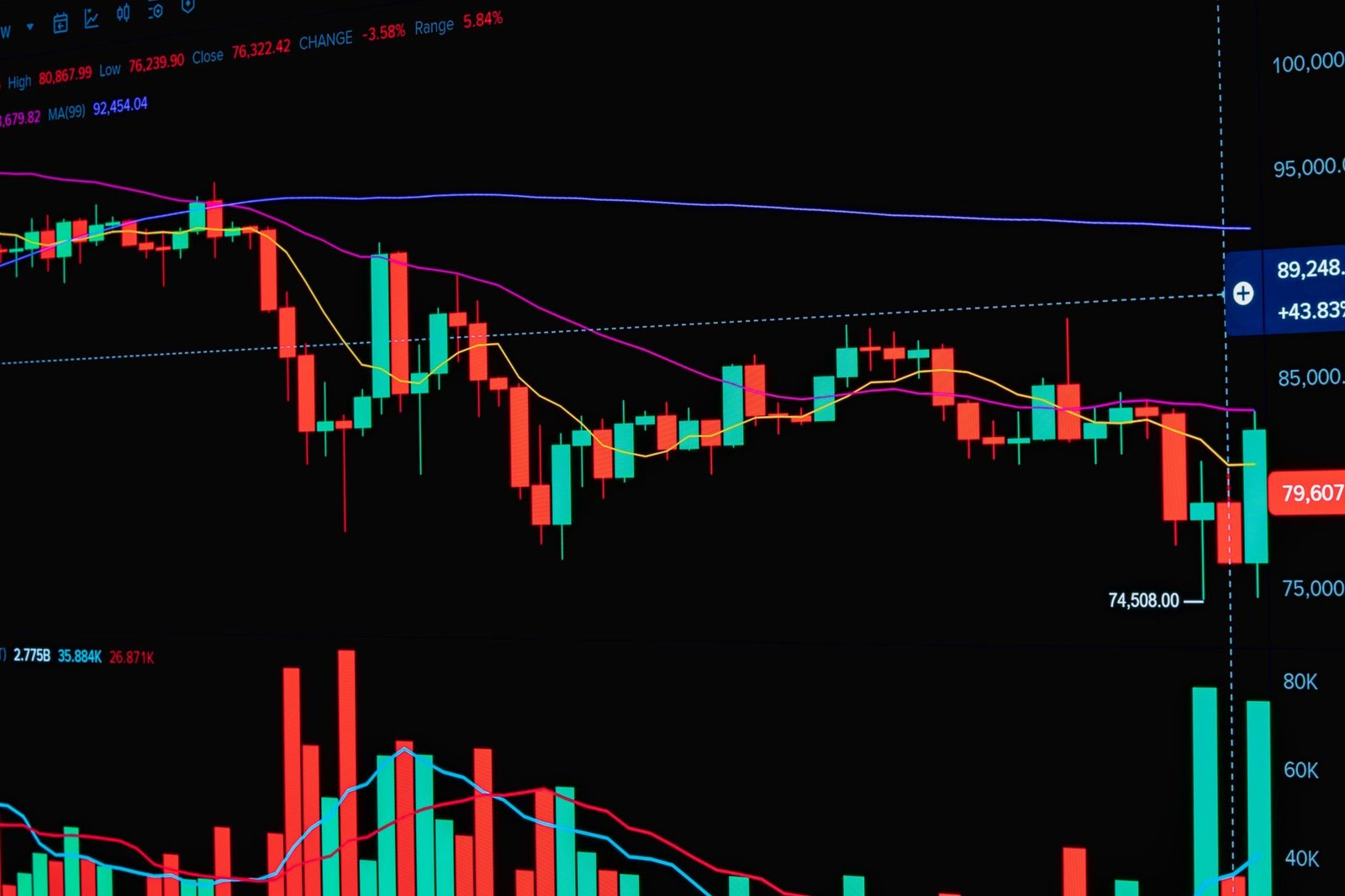
Market crashes are characterized by extreme volatility, sharp price drops, and a significant loss of investor confidence, often occurring over a short period, sometimes within a single trading day or a few days. Historical examples include the 1929 Wall Street Crash, the 1987 Black Monday, the 2008 Global Financial Crisis, and the 2020 COVID-19 pandemic-induced sell-off. These events, while alarming, are typically followed by periods of recovery, though the timeline can vary significantly.
Why Do Market Crashes Happen?
Market crashes are typically caused by a confluence of factors, including economic downturns, geopolitical instability, bursting asset bubbles, or sudden liquidity crises, which erode investor confidence and trigger mass sell-offs.
Economic Factors
Recessions, high inflation, rising interest rates, and adverse corporate earnings can collectively contribute to a fragile market environment. When these factors intensify or combine with other shocks, they can lead to a loss of faith in the market’s future prospects, prompting investors to liquidate their holdings.
Geopolitical Events
Wars, political instability, pandemics, or major policy changes can create uncertainty and fear. Such events disrupt global supply chains, impact trade, and can lead to capital flight as investors seek safer havens for their money, thereby triggering a sell-off in riskier assets like equities.
Asset Bubbles and Speculation
Periods of excessive speculation can lead to asset bubbles, where prices detach from their intrinsic value. When these bubbles burst, typically due to a change in market sentiment or a trigger event, the subsequent correction can be swift and severe, leading to a crash.
Liquidity Crises
A sudden shortage of cash or easily convertible assets in the financial system can force investors and institutions to sell assets at any price to meet their obligations. This forced selling can exacerbate price declines, creating a domino effect that resembles a market crash.
How to Protect Your Portfolio During a Market Crash
Protecting your portfolio during a market crash involves a strategic combination of diversification, risk management techniques, maintaining liquidity, and emotional discipline to avoid panic-driven decisions.

Diversification is Key
Spreading investments across different asset classes (equities, debt, gold, real estate) and within asset classes (across sectors and market capitalizations) is crucial. This ensures that if one asset class or sector performs poorly, others may perform better, cushioning the overall impact on the portfolio. For instance, during equity market downturns, gold or certain debt instruments might offer stability or even gains.
Hedging Strategies
Employing hedging instruments like options or futures can protect against downside risk. For example, buying put options on an index or specific stocks can provide a payout if prices fall, offsetting losses in the underlying portfolio. While these strategies can be complex and incur costs, they are effective for sophisticated investors seeking to limit potential losses.
Maintain Liquidity
Having a portion of your portfolio in highly liquid assets, such as cash, liquid mutual funds, or short-term government securities, is vital. This liquidity allows you to meet unexpected expenses without being forced to sell investments at a loss during a downturn, and also provides ‘dry powder’ to buy assets at attractive valuations when the market recovers.
Rebalance Your Portfolio
Periodically rebalancing your portfolio back to its target asset allocation is a disciplined approach. During a crash, the value of equities will likely decrease, falling below their target weight. Rebalancing involves selling some of the relatively stable assets (like debt or gold) and buying more equities at lower prices, effectively ‘buying low’. This strategy aligns with the principle of value investing.
Avoid Emotional Decisions
Panic selling is often the biggest detractor from long-term investment success. Crashes are psychologically taxing, but it’s essential to stick to your investment plan and avoid making impulsive decisions based on fear. A well-defined investment strategy, coupled with a long-term perspective, helps in overriding emotional responses during turbulent times.
Focus on Quality Investments
During volatile periods, fundamentally strong companies with robust balance sheets, consistent earnings, and strong management tend to weather storms better and recover faster. Prioritizing such quality investments within your equity allocation can reduce the risk of permanent capital loss.
Review Your Risk Tolerance
Market downturns are a good time to reassess your personal risk tolerance. If a crash significantly impacted your mental peace or financial goals, you might need to adjust your asset allocation to a more conservative mix moving forward. This is a personal decision and should align with your life stage and financial objectives.
Strategies for Different Investor Types
The best approach to protecting your portfolio during a market crash varies based on your investment horizon, risk appetite, and financial goals.
Long-Term Investors
For investors with a horizon of 10+ years, market crashes can be seen as buying opportunities. The strategy often involves continuing systematic investment plans (SIPs) to accumulate assets at lower prices, benefiting from rupee cost averaging. Their primary focus is on wealth creation over the long haul, and short-term volatility is expected.
Short-Term Investors and Traders
Those with shorter investment horizons or active traders need to be more defensive. This might involve reducing overall exposure, utilizing stop-loss orders to limit potential downside on individual positions, and potentially taking short positions to profit from falling prices. Employing tools like our proprietary Trend Traders Tool can be beneficial here. Hedging strategies become more critical for this group.
Risk-Averse Investors
Investors with a very low risk tolerance should have a higher allocation to fixed-income instruments, gold, or even fixed deposits. They might consider capital protection-oriented mutual funds or annuity plans. The goal is capital preservation rather than aggressive growth, and they must accept potentially lower returns during bull markets.

How to Implement a Protective Strategy
Implementing a robust strategy to protect your portfolio requires careful planning and consistent execution, particularly during periods of market stress.
- Define Your Financial Goals: Clearly outline your short-term and long-term financial objectives, as these will dictate your investment horizon and risk tolerance.
- Assess Your Risk Tolerance: Honestly evaluate how much volatility you can stomach without compromising your financial well-being or peace of mind. Consider your age, income stability, and dependents.
- Create a Diversified Asset Allocation Plan: Based on your goals and risk tolerance, decide on the optimal mix of asset classes (e.g., 60% Equity, 30% Debt, 10% Gold). This plan should be realistic and achievable.
- Choose Appropriate Investment Vehicles: Select specific instruments within each asset class, such as index funds, actively managed equity funds, corporate bonds, government securities, or physical gold/gold ETFs, ensuring they align with your risk profile and investment objectives. Consider SEBI-regulated products.
- Set Up Rebalancing Triggers: Determine the percentage deviation from your target allocation that will trigger a rebalancing action (e.g., if equity allocation deviates by +/- 5%).
- Automate Investments (SIPs): For equity investments, use Systematic Investment Plans (SIPs) to ensure regular, disciplined investing, which helps average out purchase costs during volatile markets.
- Monitor Regularly, But Avoid Over-Trading: Keep track of your portfolio’s performance and market conditions periodically (e.g., quarterly). However, resist the urge to make frequent changes based on short-term noise.
- Seek Professional Advice if Needed: If you are unsure about creating or implementing a strategy, consult a SEBI-registered investment advisor who can provide personalized guidance.
Frequently Asked Questions
What is the most effective way to protect investments during a crash?
Diversification across asset classes and maintaining adequate liquidity are considered the most effective primary strategies. Hedging and focusing on quality assets also play significant roles.
Should I sell everything when the market crashes?
Selling everything is generally ill-advised, especially for long-term investors. Panic selling often leads to locking in losses. Sticking to a plan and reassessing is usually better than acting on fear.
How much cash should I keep for emergencies?
A common recommendation is to keep 6-12 months of living expenses in liquid assets. This emergency fund prevents forced selling of investments during market downturns.
Can mutual funds protect my portfolio from crashes?
While mutual funds offer diversification, their performance during a crash depends on their underlying assets. Equity funds will likely fall, but diversified debt or hybrid funds may offer better downside protection.
Is gold a good hedge against market crashes?
Gold is traditionally considered a safe-haven asset and often performs well during periods of economic uncertainty and market volatility, acting as a good hedge.
What role does asset allocation play in crash protection?
Proper asset allocation ensures that your portfolio isn’t overly reliant on any single asset class. When equities fall, other assets like debt or gold can cushion the blow, preserving capital.

Key Takeaways
- Market crashes are inevitable but survivable with the right strategies.
- Diversification across asset classes is the cornerstone of portfolio protection.
- Maintaining liquidity provides flexibility and prevents forced selling at losses.
- Hedging strategies can offer specific downside protection for sophisticated investors.
- Emotional discipline is critical; avoid panic selling and stick to your plan.
- Long-term investors can leverage crashes as opportunities to buy assets at lower prices.
- Regularly review and rebalance your portfolio to maintain your target asset allocation.
Investing in the stock market involves risks. Please consult with a SEBI-registered financial advisor before making any investment decisions.






 Finovatives