


TL;DR: Gap trading involves capitalizing on price jumps or drops between a stock’s closing price and its opening price, offering potential profit opportunities in the Indian markets by identifying and trading these ‘gaps’.
Key Stats at a Glance:
- Average daily trading volume on NSE: ₹8.5 lakh crore (as of recent data)
- Nifty 50 Index comprises 50 of the largest Indian companies by market cap.
- Over 5,000+ actively traded stocks on NSE and BSE combined.
- Volatility Index (India VIX) often indicates increased gap potential when above 20.
- Market hours for Equity segment on NSE/BSE: 9:15 AM to 3:30 PM IST.
What is a Stock Market Gap?
A stock market gap occurs when a security’s price opens significantly higher or lower than its previous day’s closing price, creating a visible ‘gap’ on a price chart. This typically happens due to overnight news, economic events, or corporate announcements that influence trading sentiment before the market opens.

Gaps can be classified into several types, each with different implications for traders. Common types include common gaps, breakaway gaps, runaway gaps, and exhaustion gaps. Understanding these distinctions is crucial for developing an effective gap trading strategy. For instance, a breakaway gap often signals the start of a new trend, while an exhaustion gap might suggest a trend is about to reverse.
How to Identify Trading Gaps in Indian Markets?
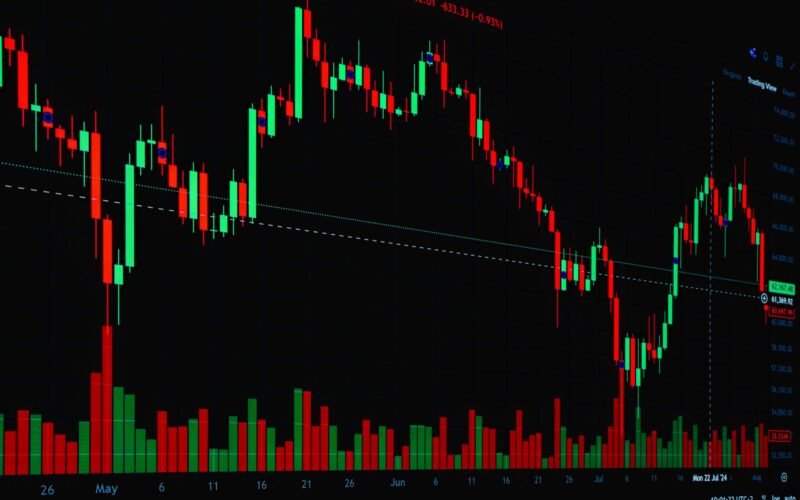
Identifying trading gaps involves closely monitoring stock charts and paying attention to the opening prices relative to the previous day’s close on Indian exchanges like NSE and BSE. Traders often use candlestick charts, looking for a clear space between the top of one day’s candle (or its shadow) and the bottom of the next day’s candle (or its shadow).
The first step is to observe the opening price of a stock or index. If the opening price is considerably higher than the previous day’s high, it’s a gap up. Conversely, if the opening price is substantially lower than the previous day’s low, it’s a gap down. Technical indicators and screeners can also be employed to quickly identify stocks exhibiting gaps. Many platforms, including TradingView, offer built-in tools to highlight these price discrepancies. Remember, the magnitude of the gap can also provide clues about the strength of the underlying sentiment.
Common Gap Types and Their Significance
- Common Gaps: These occur frequently in sideways or consolidating markets and are often filled quickly.
- Breakaway Gaps: These occur at the end of a trading range and signal the start of a new, strong trend. They are less likely to be filled immediately.
- Runaway Gaps (Continuation Gaps): These appear in the middle of an established trend, indicating strong momentum and often suggesting the trend will continue.
- Exhaustion Gaps: These occur near the end of a strong trend, signalling that the momentum is fading and a reversal might be imminent. They are often followed by a reversal pattern.
Using Chart Patterns with Gaps
Gaps often gain more predictive power when viewed in conjunction with chart patterns. For example, a breakaway gap occurring after a prolonged period of consolidation, accompanied by a breakout from a resistance level, is a strong bullish signal. Conversely, an exhaustion gap near the peak of an uptrend, followed by a bearish engulfing candlestick pattern, suggests a significant downside move.
Importance of Volume Analysis
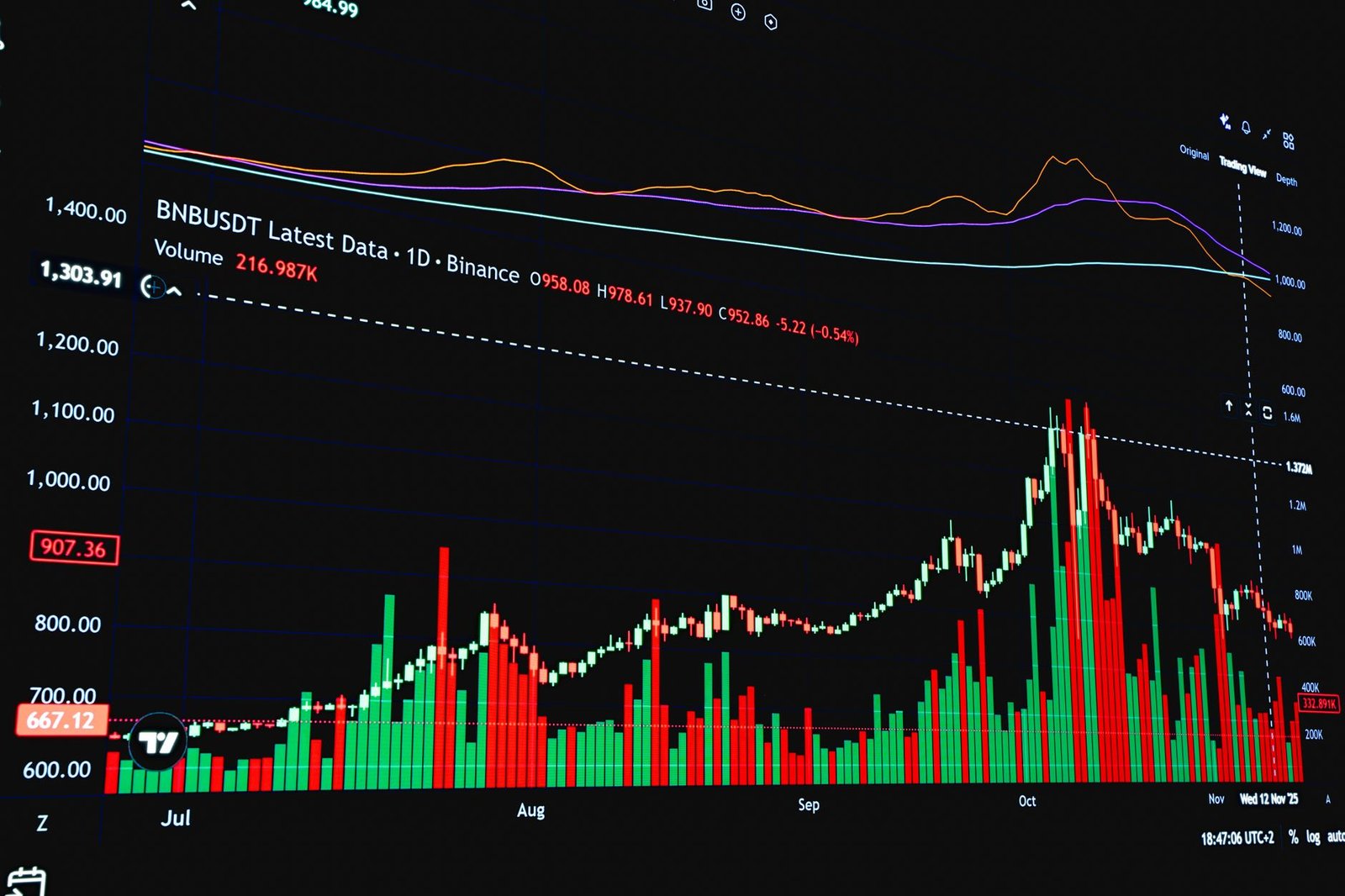
Volume analysis is critical when trading gaps. A gap accompanied by significantly higher-than-average volume suggests conviction from market participants and increases the reliability of the gap as a trading signal. High volume on a breakaway gap, for instance, confirms strong buying or selling pressure.
How to Implement a Gap Trading Strategy?
Implementing a gap trading strategy requires a systematic approach, including defining entry and exit points, setting stop-losses, and managing risk. Strategies can vary depending on whether you are trading a gap-up or a gap-down scenario, and whether you believe the gap will be filled or continue.
Gap and Go Strategy
The ‘Gap and Go’ strategy is popular for gap-ups. It involves entering a long position as soon as the stock opens strong after a significant gap-up, often with high volume, and riding the momentum. The assumption is that the positive sentiment will continue, pushing the price higher.
Gap Fill Strategy
The ‘Gap Fill’ strategy anticipates that the gap created will be closed. If a stock gaps up, traders might look for opportunities to short it, expecting the price to fall back to the previous day’s closing level. Conversely, for a gap-down, traders might look to buy, expecting the price to rise and fill the gap.
How to Trade Gaps: A Step-by-Step Guide
- Identify a Gap: Scan the market at the opening bell (9:15 AM IST) for significant gaps (up or down) in stocks or indices you follow. Look for price opening well above the previous day’s high or well below the previous day’s low.
- Analyze the Gap Type & Volume: Determine the potential type of gap (common, breakaway, runaway, exhaustion) and check the opening volume. High volume accompanying the gap often lends more credibility. For example, a large gap up on high volume could signal a ‘Gap and Go’ opportunity.
- Determine Your Strategy: Decide whether you’re trading for a gap fill (expecting reversal) or a continuation (expecting the gap to widen). Consider the overall market trend and the specific stock’s fundamentals.
- Set Entry Point: For a ‘Gap and Go’ long, enter near the open if momentum is strong. For a gap fill strategy, you might enter after the price shows signs of reversing towards the gap.
- Define Stop-Loss: Crucially, set a stop-loss order. For a long trade on a gap up, a stop-loss might be placed just below the day’s low or the gap’s lower boundary. For a short trade on a gap down, place it above the day’s high or the gap’s upper boundary.
- Set Profit Target: Determine your profit target. This could be a specific price level, a multiple of your risk (e.g., 2R or 3R), or a trailing stop-loss to capture further upside. For gap fills, the target is typically the previous day’s close.
- Risk Management: Never risk more than 1-2% of your trading capital on any single trade. Position size accordingly based on your stop-loss distance.
- Review and Adapt: After the trade, review its performance. What worked? What didn’t? Adapt your strategy based on these learnings. Perhaps a specific TradingView indicator could have improved your entry timing.

Risks and Considerations in Gap Trading
While gap trading can be profitable, it’s not without risks. Gaps can form rapidly, and prices can move just as quickly against your position. The Indian market’s volatility, influenced by global events and domestic factors, can exacerbate these risks. It’s essential to have robust risk management in place, including strict stop-loss orders and appropriate position sizing. Furthermore, relying solely on gaps without considering other technical or fundamental analysis can lead to poor trading decisions. Remember that gaps don’t always get filled, and trends can continue far beyond initial expectations.
Market Gaps and Volatility
Increased market volatility, often reflected in a rising India VIX, can lead to wider and more frequent gaps. While this presents more opportunities, it also amplifies the risk. High volatility means prices can move dramatically in either direction, making stop-loss orders even more critical.
The Importance of News and Fundamentals
Gaps are often triggered by news or significant fundamental changes. Understanding the ‘why’ behind a gap – whether it’s an earnings surprise, a regulatory announcement from SEBI, or a macroeconomic event – can provide valuable context and help confirm the potential direction and longevity of the price move. A gap based on solid fundamentals is generally more reliable than one based on rumour.
Trading Gaps in Different Market Conditions
Gap trading strategies may need to be adjusted based on the prevailing market conditions. In a strong bull market, gap-ups might be more likely to continue, favouring ‘Gap and Go’ strategies. In a bear market or a choppy, range-bound market, gap-downs might be more prone to filling, making the gap fill strategy more suitable. Adapting your approach based on the broader trend is key.

Frequently Asked Questions
What is the most common type of gap traded?
While all gaps have potential, traders often focus on breakaway and runaway gaps for continuation strategies due to their strong trend-indicating nature. Gap fills are also widely traded, anticipating price reversals.
Can gap trading be done on all Indian exchanges?
Yes, gap trading principles apply to stocks listed on both the National Stock Exchange (NSE) and the Bombay Stock Exchange (BSE), as well as other derivative markets like MCX and Forex if traded on Indian platforms.
How much capital is needed for gap trading?
The capital required varies greatly depending on the stock’s price and your position sizing. However, with prudent risk management (1-2% risk per trade), even smaller capital can be used effectively, especially if using tools like the Trend Traders Tool for precise entries.
Are gaps always filled?
No, gaps are not always filled. While many gaps do get filled over time, some gaps, particularly breakaway or runaway gaps, can signal the start of a strong trend that continues for a long period, leaving the gap unfilled.
What is the best time of day to look for gaps?
The best time to identify potential gaps is at the market open (9:15 AM IST) when the price gap relative to the previous day’s close is established. Subsequent price action in the first hour can confirm momentum or reversal signals.
Is gap trading suitable for beginners?
Gap trading can be challenging for absolute beginners due to the rapid price movements and the need for quick decision-making. It is advisable to start with a demo account or paper trading and a clear understanding of risk management before trading live.
Key Takeaways:
- Gap trading exploits price differences between trading sessions to identify potential profit opportunities.
- Understanding gap types (common, breakaway, runaway, exhaustion) is crucial for strategy selection.
- High volume accompanying a gap generally increases its reliability as a trading signal.
- ‘Gap and Go’ and ‘Gap Fill’ are two common strategies, each with different assumptions about price movement.
- Strict risk management, including stop-losses and position sizing, is paramount for successful gap trading.
- News and fundamental analysis can provide valuable context for interpreting gaps.
- Adapting gap trading strategies to market conditions (bull vs. bear) enhances effectiveness.
Trading in stock markets involves risks, including the potential loss of principal. Past performance is not indicative of future results.





 Finovatives