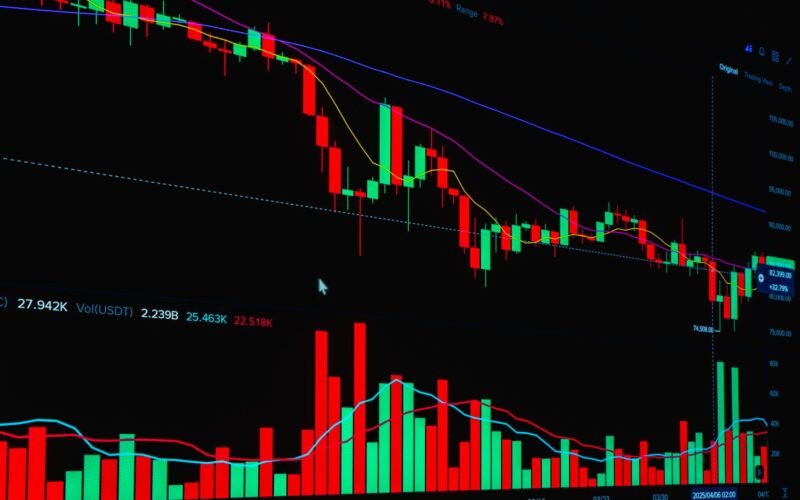


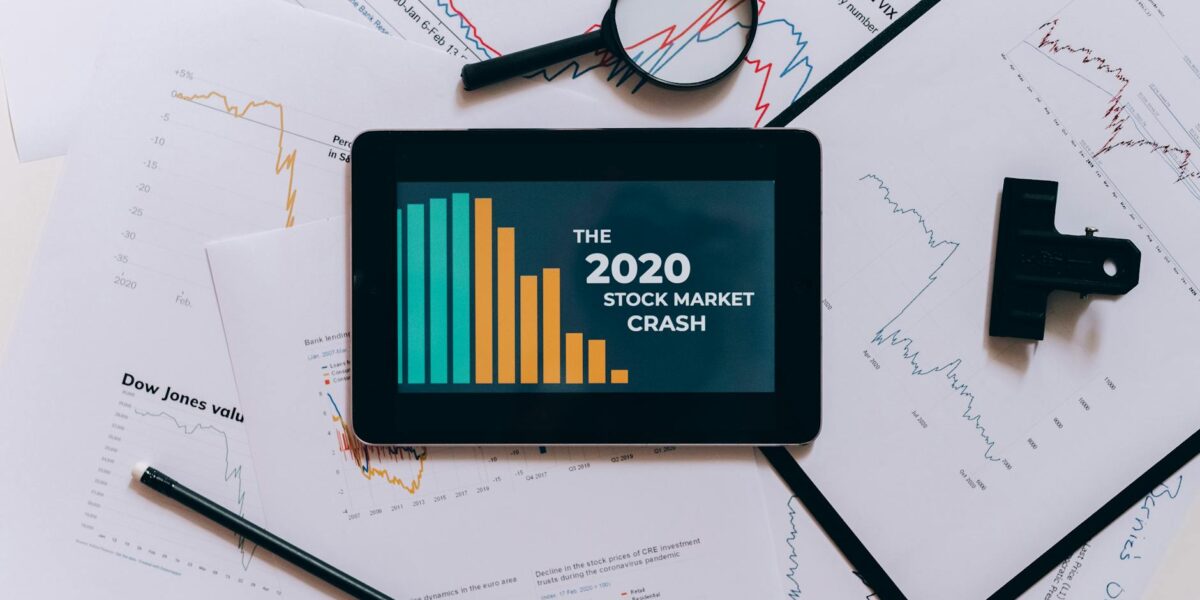
Navigating the Storm: Protecting Your Portfolio During Market Crashes
The Indian stock market, with its vibrant energy and immense growth potential, also presents its share of volatility. Events like the global pandemic in early 2020, the taper tantrum of 2013, or even more localized crises can trigger sharp and sudden market downturns, often referred to as market crashes. For retail investors and seasoned traders alike, these periods can be nerve-wracking, leading to significant portfolio erosion if not managed effectively. At Finovatives.com, we understand the unique challenges faced by Indian investors. This article delves into practical, actionable strategies to protect your hard-earned capital when the market takes a nosedive, drawing upon principles of technical analysis, risk management, and market psychology specific to the Indian context.
Understanding Market Crashes: Causes and Characteristics
Before we discuss protection, it’s crucial to understand what constitutes a market crash and what triggers them. A market crash is typically defined as a rapid and unexpected drop in stock prices across a significant portion of the market, often exceeding 10% in a single day or a few days. While corrections (a 10-20% drop) are common, crashes are more severe and emotionally charged.
Common Triggers for Market Crashes
In India, market crashes can be instigated by a confluence of factors:
- Global Economic Shocks: Events like a global recession, geopolitical tensions (e.g., wars, trade disputes), or a financial crisis in major economies can spill over into the Indian markets (NSE and BSE).
- Domestic Economic Concerns: High inflation, unexpected policy changes by the Reserve Bank of India (RBI) or the government, severe agricultural distress impacting rural demand, or a slowdown in key sectors can rattle investor confidence.
- Geopolitical Events: Border disputes, political instability, or unexpected election outcomes can lead to uncertainty and trigger sell-offs.
- Pandemics and Natural Disasters: As witnessed with COVID-19, health crises can paralyze economic activity and lead to unprecedented market volatility.
- Asset Bubbles Bursting: Overvaluation in specific sectors or the broader market, followed by a sudden correction, can snowball into a crash.
Psychology of a Crash
Market crashes are not just about numbers; they are deeply psychological. Fear and panic become the dominant emotions. Investors, seeing their portfolio values plummet, often resort to panic selling, further accelerating the decline. This herd mentality, driven by fear of greater losses, is a hallmark of crash periods. Understanding this psychological element is the first step towards making rational decisions when the market is irrational.

Pre-Crash Strategies: Building a Resilient Portfolio
The best way to protect your portfolio during a crash is to build resilience before it happens. Proactive measures are far more effective than reactive ones. This involves strategic asset allocation, diversification, and a disciplined approach to investing.
1. Diversification Across Asset Classes
Diversification is the cornerstone of risk management. It means not putting all your eggs in one basket. For Indian investors, this extends beyond just stocks.
- Equities: While this is your growth engine, ensure diversification within equities across different sectors (e.g., IT, Pharma, Banking, FMCG) and market capitalizations (large-cap, mid-cap, small-cap). Large-cap stocks, particularly those of established companies with strong fundamentals like Reliance Industries or HDFC Bank, tend to be more resilient during downturns than their smaller counterparts.
- Debt Instruments: Government bonds, corporate bonds, and fixed deposits offer stability. While their returns are typically lower than equities, they act as a cushion during stock market volatility. Consider Sovereign Gold Bonds (SGBs) or physical gold, which often act as a safe haven during times of uncertainty.
- Real Estate: While less liquid, real estate can provide diversification benefits.
- International Equities: Investing in global markets can offer diversification against domestic downturns, though this requires careful consideration of currency risk and regulatory aspects.
2. Sectoral Allocation and Risk Assessment
Different sectors react differently to economic cycles. Defensive sectors like FMCG (Fast-Moving Consumer Goods) and Pharmaceuticals often perform better during downturns as demand for their products is relatively inelastic. Conversely, cyclical sectors like Auto and Real Estate can be more vulnerable. A well-diversified portfolio should include a mix, but perhaps overweighting defensive sectors and underweighting highly cyclical ones can provide a buffer.
3. Position Sizing and Stop-Loss Orders
For active traders, position sizing is critical. Never allocate an excessively large portion of your capital to a single trade or stock. Similarly, always use stop-loss orders. A stop-loss is an order placed with a broker to buy or sell a security when it reaches a certain price. It helps limit your potential loss on a trade. For instance, if you buy a stock at ₹100 and set a stop-loss at ₹90, your maximum loss on that trade is capped at ₹10 per share. SEBI regulations allow for various order types, and understanding how to implement stop-losses effectively can prevent catastrophic losses during sharp market declines.
During the Crash: Tactical Moves for Preservation
When the market is in freefall, panic can lead to poor decisions. The key is to remain calm, assess the situation objectively, and implement pre-defined strategies.
1. Avoid Emotional Selling (Panic Selling)
This is perhaps the most difficult but crucial step. When you see your portfolio value drop by 20%, 30%, or even more, the instinct to sell everything to stop further losses is strong. However, this often locks in your losses at the worst possible moment. Historically, markets have always recovered. Selling in panic often means missing the subsequent recovery. Instead, take a step back, review your investment thesis, and consider if the fundamental reasons for holding the stock have changed.
2. Rebalancing Your Portfolio
Market crashes often cause your asset allocation to drift. For example, if equities fall sharply, their proportion in your portfolio decreases, while the proportion of safer assets might increase. Rebalancing involves selling some of your appreciating assets (if any) and buying more of the depreciating ones (equities in this case) to bring your portfolio back to its target allocation. This is essentially a strategy of ‘buying low’. However, during a crash, caution is advised. Instead of aggressive rebalancing, focus on trimming over-allocated safe-haven assets if they have become disproportionately large and gradually increasing exposure to fundamentally strong stocks at lower prices, if your risk appetite allows.

3. Identifying Opportunities Amidst the Chaos
Market crashes, while destructive, also create unique buying opportunities. Fundamentally strong companies, whose stock prices have been unfairly hammered due to the general market sentiment, can become attractive investments. Look for companies with:
- Strong balance sheets
- Consistent cash flow generation
- Durable competitive advantages
- Competent management
- A business model that is resilient to economic downturns
For instance, during the COVID-19 crash, many blue-chip stocks like Bajaj Finance or Asian Paints, despite short-term pain, presented excellent buying opportunities for long-term investors as their underlying businesses remained robust. Analyzing the Nifty 500 or BSE 500 constituents for such undervalued gems can be a fruitful exercise.
Post-Crash Strategies: Recovery and Long-Term Growth
The immediate aftermath of a crash is a period of recovery. How you navigate this phase can significantly impact your long-term investment outcomes.
1. Review and Adjust Your Investment Strategy
Once the dust settles, it’s time for a comprehensive review. Did your pre-crash strategies work? Where did they fall short? Understanding the lessons learned is vital for refining your approach. Perhaps your diversification wasn’t adequate, or your stop-loss levels were too tight, leading to premature exits. Based on this analysis, adjust your investment strategy, risk tolerance, and asset allocation for the future. SEBI’s guidelines on risk-o-meter for mutual funds also serve as a good reference point for understanding risk levels.
2. Gradual Re-entry or Averaging Down
If you had to sell a significant portion of your portfolio during the crash, or if you stayed on the sidelines with cash, the recovery phase presents an opportunity for gradual re-entry. Instead of trying to time the market perfectly, consider systematic investment plans (SIPs) or averaging down. SIPs allow you to invest a fixed amount at regular intervals, irrespective of market levels, ensuring you buy more units when prices are low and fewer when they are high. Averaging down involves buying more shares of a stock you already own at lower prices to reduce your average cost per share.
3. Focus on Long-Term Goals
It’s easy to get caught up in the short-term fluctuations. However, remember why you started investing in the first place – for long-term financial goals like retirement, buying a house, or funding your children’s education. Market crashes are temporary disruptions in the long journey of wealth creation. Staying focused on your long-term objectives and maintaining a disciplined approach is key to achieving them.

Utilizing Technical Analysis for Risk Mitigation
While fundamental analysis helps in selecting quality stocks, technical analysis can be an invaluable tool for managing risk and timing entries/exits, especially during volatile periods. Indicators available on platforms like TradingView can provide crucial insights.
1. Support and Resistance Levels
Identifying key support levels (price points where buying interest is expected to overcome selling pressure) and resistance levels (price points where selling pressure is expected to overcome buying interest) is fundamental. During a crash, major support levels can act as potential turning points. Observing how the Nifty or Sensex behaves around these levels can provide clues about market sentiment. For example, if the Nifty finds strong support at its 200-day moving average after a sharp fall, it might indicate a potential short-term bottom.
2. Moving Averages and Trendlines
Moving averages (like the 50-day, 100-day, or 200-day MA) can help identify trends and potential reversals. A death cross (when a shorter-term moving average crosses below a longer-term moving average, e.g., 50-day MA crossing below 200-day MA) is often seen as a bearish signal. Conversely, a golden cross can signal a potential uptrend. Trendlines drawn on price charts can also indicate the direction and strength of a trend, and breaks of these lines can signal potential reversals.
3. Volatility Indicators (e.g., VIX)
The India VIX (Volatility Index), often called the ‘fear gauge’, measures the market’s expectation of volatility over the next 30 days. A rising VIX typically coincides with market declines, indicating increased fear and uncertainty. While not a direct trading tool, monitoring the VIX can provide a sense of the prevailing market sentiment and the potential for further downside or a reversal.
Key Takeaways
- Market crashes are characterized by rapid, severe price declines driven by fear and panic.
- Proactive portfolio construction through diversification across asset classes and sectors is crucial for resilience.
- Utilize tools like position sizing and stop-loss orders to limit potential losses.
- During a crash, avoid emotional selling and focus on rational decision-making.
- Consider rebalancing your portfolio strategically and identify fundamentally strong stocks at discounted prices.
- Post-crash, review your strategy, consider gradual re-entry via SIPs or averaging down, and stay focused on long-term goals.
- Technical analysis tools like support/resistance, moving averages, and the India VIX can aid in risk mitigation and identifying potential turning points.
Disclaimer: Investing in the stock market involves inherent risks, including the potential loss of principal. Market crashes, while unpredictable, can lead to significant financial losses. This article is intended for educational and informational purposes only and does not constitute financial advice. Always conduct your own research, consult with a qualified financial advisor, and consider your individual risk tolerance and financial goals before making any investment decisions. Past performance is not indicative of future results.
Frequently Asked Questions
What are the best ways for an Indian investor to protect their portfolio during a stock market crash on NSE/BSE?
Diversify across asset classes like gold and debt, avoid panic selling, and consider hedging strategies. Maintaining a long-term perspective and rebalancing your portfolio during dips can also safeguard your investments.
How can I use technical analysis to identify potential market crashes in India?
Monitor key technical indicators like moving averages (e.g., 50-day, 200-day), RSI levels, and support/resistance zones. Sharp breaches of these levels, coupled with high trading volumes, can signal a potential downturn.
Should I sell all my Indian stocks when the market crashes to protect my capital?
Not necessarily. Panic selling can lock in losses. Instead, assess your portfolio, identify fundamentally strong stocks that have fallen, and consider if they offer good long-term value for buying opportunities.
What role does risk management play for Indian investors during market volatility?
Effective risk management involves setting stop-losses, position sizing, and diversifying holdings. This limits potential losses and prevents a single bad trade or sector downturn from devastating your entire portfolio.
How can I manage the psychological impact of a market crash on my investment decisions in India?
Stay informed but avoid constant news checking. Focus on your long-term financial goals and your investment strategy. Remind yourself that market downturns are temporary and often present buying opportunities.





 Finovatives