

TL;DR: Understanding market cycles on the BSE and NSE involves identifying distinct phases – bull, bear, and sideways – to tailor trading strategies, minimise risk, and maximise profit potential by aligning actions with the prevailing market sentiment.
Key Stats at a Glance:
- Nifty 50 has historically shown average annual returns of around 12-15% over long-term periods, but with significant cyclical volatility.
- BSE Sensex, India’s oldest index, comprises 30 well-established companies, reflecting broader economic trends.
- The average duration of a bull market can range from 2 to 7 years, while bear markets often last 6 months to 2 years.
- Over 9,000 listed companies trade on NSE and BSE combined, offering diverse investment opportunities across cycles.
- SEBI mandates strict disclosure norms, providing retail investors with greater transparency during all market phases.
What are Market Cycles?
Market cycles are the recurring, though not perfectly predictable, patterns of expansion and contraction that economies and financial markets go through over time. In the context of the Indian stock market, particularly the BSE and NSE, these cycles are characterised by distinct phases: a bull market (upward trend), a bear market (downward trend), and a sideways or consolidation phase (ranging market).
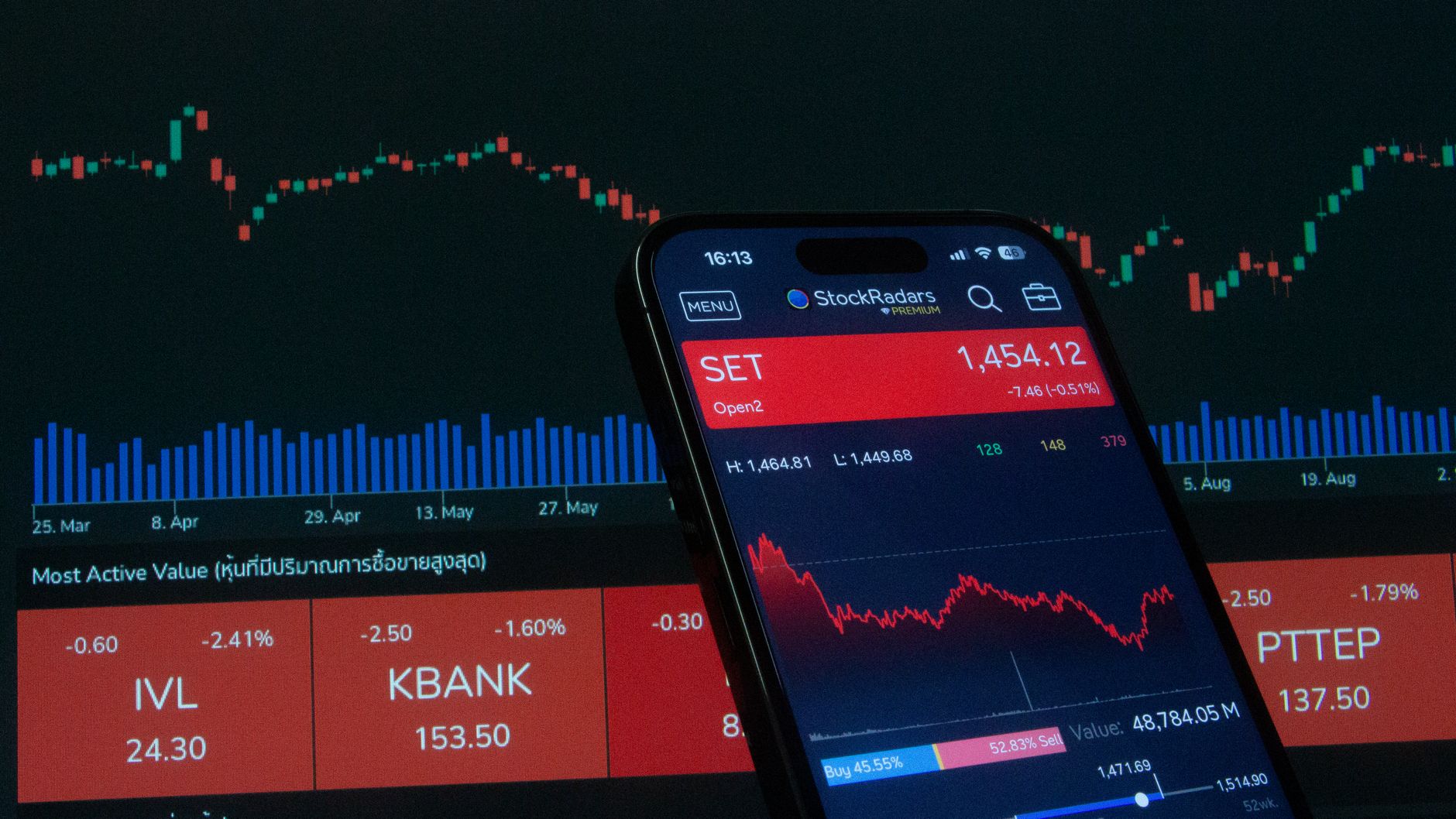
These cycles are driven by a complex interplay of economic factors, investor sentiment, corporate earnings, global events, and monetary policy. Recognizing these phases is fundamental for traders and investors to adjust their approach, manage risk, and potentially enhance returns by aligning their strategies with the prevailing market direction.
How Do Market Cycles Affect Trading on BSE and NSE?
Market cycles profoundly influence trading strategies and outcomes on the BSE and NSE by dictating the general direction of stock prices and investor behaviour. During a bull market, optimism prevails, leading to rising prices and increased trading volumes, making it favourable for ‘buy and hold’ or ‘buy on dips’ strategies. Conversely, a bear market is marked by pessimism, falling prices, and often higher volatility, necessitating defensive strategies, short-selling (where applicable and permitted), or a focus on capital preservation. Sideways markets require patience and different tactics, often involving range-bound trading or waiting for a breakout.
The Bull Market Phase
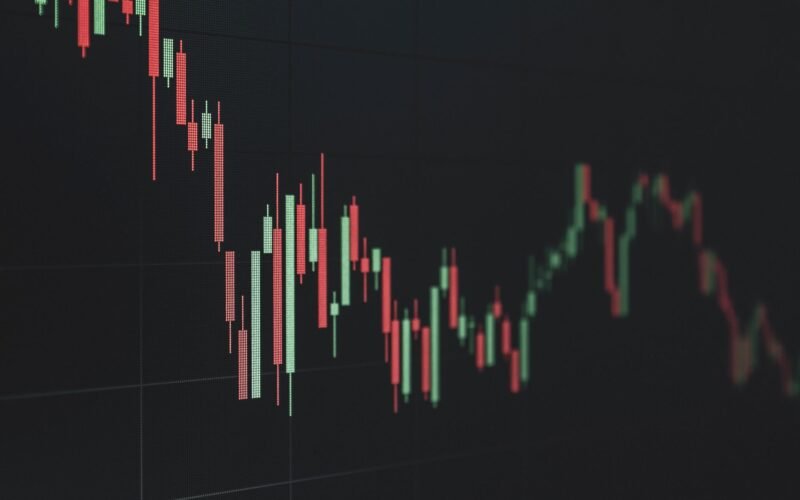
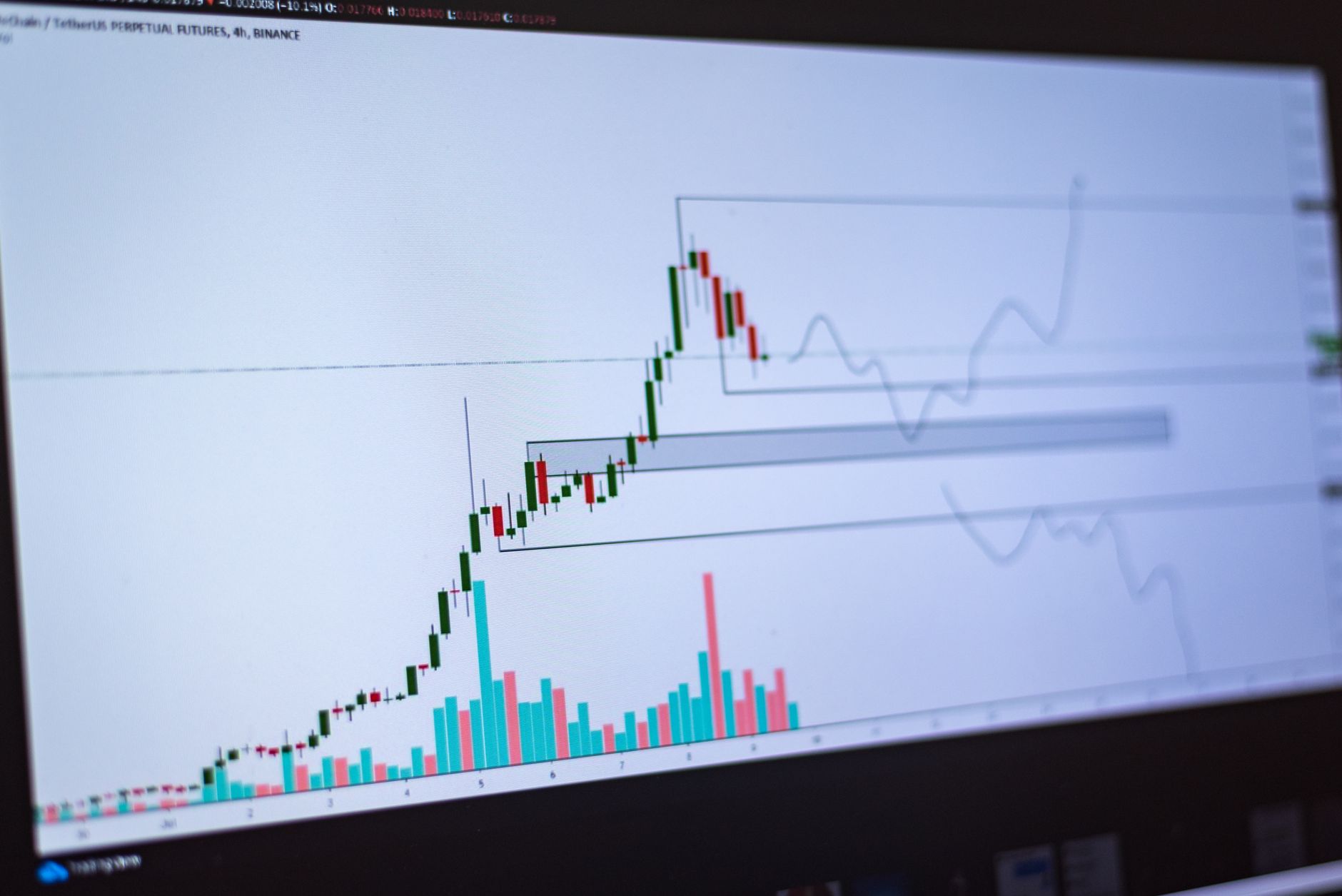
A bull market on the BSE and NSE is characterised by sustained price increases across a broad range of stocks, typically driven by strong economic growth, positive investor sentiment, and robust corporate earnings. During this phase, demand for stocks outstrips supply, leading to higher valuations. Investors often feel confident, and trading volumes tend to be high. This is generally considered the most favourable phase for long-term investors, as asset values tend to appreciate significantly.
The Bear Market Phase
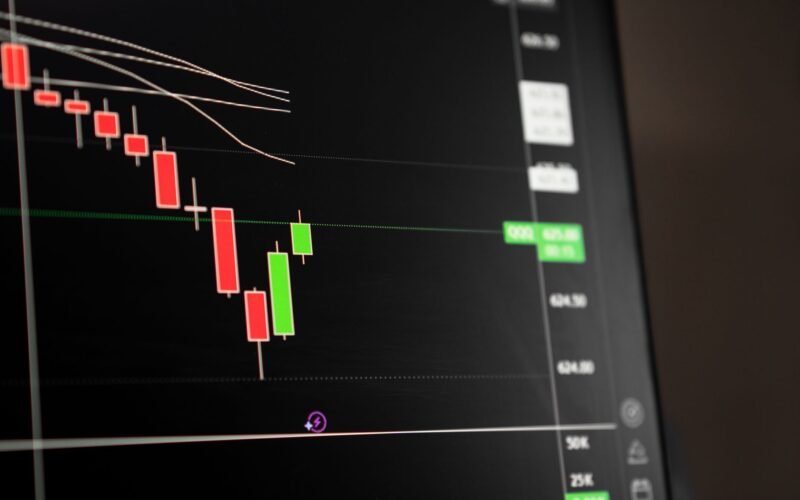
A bear market signifies a prolonged period of declining stock prices, often marked by widespread pessimism and fear among investors. It’s typically defined as a decline of 20% or more from recent highs. During this phase, economic indicators may weaken, corporate profits might decline, and investors tend to sell off their holdings, driving prices lower. Volatility can be high, and capital preservation becomes a primary concern. Short-selling strategies or a focus on defensive stocks (like utilities or consumer staples) might be employed.
The Sideways or Consolidation Phase
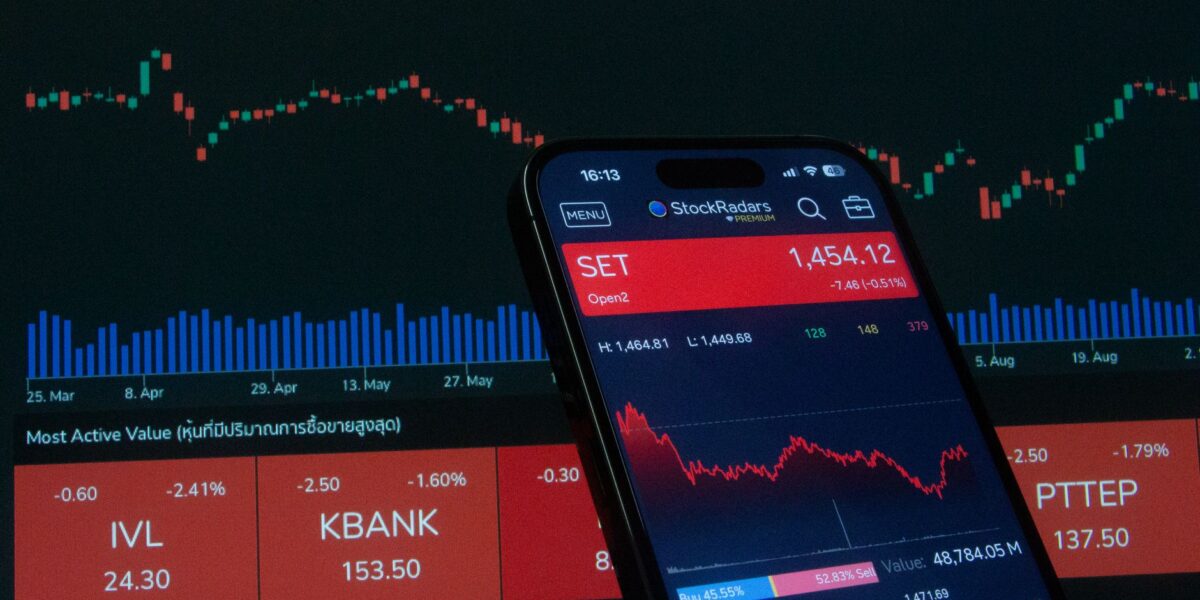
The sideways or consolidation phase occurs when the market is neither clearly in an uptrend nor a downtrend. Stock prices tend to fluctuate within a defined range, as buyers and sellers reach a temporary equilibrium. This phase often follows a significant uptrend or downtrend, as the market digests recent moves and consolidates its position. Trading volumes might decrease, and price action can become less predictable, requiring traders to be more cautious and focus on specific stock patterns or technical levels.
What are the Different Types of Market Cycles?
While the broad bull, bear, and sideways phases are the most commonly discussed, market cycles can be further categorised based on their duration and the underlying drivers. These can range from very short-term fluctuations lasting days or weeks, often influenced by news events, to long-term secular cycles that span decades, driven by fundamental economic shifts. Understanding these nuances helps in applying appropriate timeframes for analysis and strategy.
Secular vs. Cyclical Cycles
Secular cycles are long-term trends, often lasting 15-25 years, driven by fundamental economic, demographic, or technological shifts. For instance, a long period of technological innovation might fuel a secular bull market. Cyclical cycles, on the other hand, are shorter-term patterns, typically lasting a few months to a few years, which occur within the broader secular trend. These are more closely aligned with the business cycle, reflecting periods of economic expansion and contraction.
The Four-Year Business Cycle
The traditional economic four-year business cycle is often reflected in stock market movements. This cycle comprises four stages: initial recovery (early bull market), early expansion (mid-to-late bull market), late expansion (approaching peak, potential sideways), and contraction (bear market). While not a perfect fit, this economic cycle provides a useful framework for understanding shorter-term market fluctuations.
Intra-Day and Short-Term Cycles
Beyond longer-term trends, markets exhibit intra-day and short-term cycles influenced by trading activity, news releases, and sentiment shifts within a single day or week. Technical analysis tools are particularly useful for identifying and trading these rapid fluctuations. These cycles are often more volatile and require quick decision-making.
How to Identify Market Cycles on BSE and NSE?
Identifying market cycles on the BSE and NSE involves a combination of analysing price trends, volume data, economic indicators, and investor sentiment. Technical analysis tools, such as moving averages and trendlines, are crucial for spotting the direction and strength of trends. Fundamental analysis, including monitoring economic data and corporate performance, helps in understanding the underlying drivers. Observing investor behaviour and news flow also provides valuable clues.
How to Identify Market Cycles:
- Analyse Major Trend Indicators: Use long-term moving averages (e.g., 200-day MA) on indices like Nifty 50 and Sensex. Prices consistently above the MA suggest a bull trend; below indicate a bear trend.
- Observe Price Action and Chart Patterns: Look for higher highs and higher lows (bullish) or lower highs and lower lows (bearish). Chart patterns like triangles, flags, and head-and-shoulders can signal trend reversals or continuations.
- Monitor Trading Volumes: Rising volumes during upward price movements confirm a bull market’s strength. Falling volumes during price drops can indicate weakening selling pressure, while increasing volumes during declines signal a strong bear market.
- Track Economic Data: Follow key Indian economic indicators released by the RBI and government agencies, such as GDP growth, inflation rates, interest rate decisions, and industrial production. These provide context for the market’s direction.
- Assess Investor Sentiment: Gauge market sentiment through news flow, analyst reports, and investor surveys. Extreme optimism often signals a market top, while extreme pessimism can indicate a bottom.
- Use Oscillators and Momentum Indicators: Tools like RSI (Relative Strength Index) and MACD (Moving Average Convergence Divergence) can help identify overbought or oversold conditions and potential trend changes, especially in shorter timeframes.
- Consider the Broader Economic Environment: Evaluate global economic conditions, geopolitical events, and commodity prices, as these can significantly impact Indian markets.

What are Effective Strategies for Each Market Cycle?
Adapting trading and investment strategies to the prevailing market cycle is key to success on the BSE and NSE. A strategy that works well in a bull market can be disastrous in a bear market. Therefore, traders and investors must be flexible and employ tactics that align with the current phase, focusing on different objectives – growth in bull markets, capital preservation in bear markets, and patience or range-bound trading in sideways markets.
Strategies for Bull Markets
During bull markets, the focus is typically on capital appreciation. Strategies include ‘buy and hold,’ ‘buy on dips,’ investing in growth stocks, and utilising momentum trading. The prevailing optimism encourages taking on more risk. Even a simple, well-chosen TradingView indicator can significantly enhance entry and exit points in this environment.
Strategies for Bear Markets
Capital preservation and risk management are paramount in bear markets. Strategies may involve shifting to defensive assets, holding cash, short-selling (for experienced traders), investing in dividend-paying stocks with strong fundamentals, or adopting a more defensive trading stance. Many traders find a Trend Traders Tool particularly useful during these volatile periods to identify potential reversals or shorting opportunities.
Strategies for Sideways Markets
Sideways markets require a different approach, often involving range trading where traders buy near the support level and sell near the resistance level. Patience is crucial, as the market lacks a clear direction. Breakout strategies, waiting for prices to move decisively out of the range, can also be employed. Focus might shift to shorter-term trading opportunities or fundamental analysis of undervalued stocks poised for a future move.

Frequently Asked Questions
What is the primary indicator of a bull market?
A primary indicator of a bull market is a sustained upward trend in stock prices, generally defined as a rise of 20% or more from a recent low, accompanied by increasing trading volumes and positive investor sentiment.
How can I protect my investments during a bear market?
During a bear market, protection involves reducing exposure to equities, diversifying into less volatile assets like bonds or gold, holding cash, and focusing on fundamentally strong, defensive stocks that are less sensitive to economic downturns.
Can market cycles be predicted with certainty?
No, market cycles cannot be predicted with absolute certainty. While historical patterns and economic indicators provide clues, unforeseen events and shifts in sentiment make precise prediction impossible. They are best understood as probabilistic frameworks.
What is the role of SEBI in managing market cycles?
SEBI, as the market regulator, aims to ensure fair and orderly market functioning through robust regulations, investor protection measures, and surveillance. While it doesn’t control cycles, its actions influence market stability and investor confidence during different phases.
Are market cycles different for BSE and NSE?
While both BSE and NSE reflect the broader Indian economy, their specific compositions (e.g., number and type of listed companies) can lead to minor differences in performance during certain cycles. However, major trends are generally synchronized.
How long do market cycles typically last?
The duration of market cycles varies significantly. Bull markets can last several years, while bear markets are typically shorter, often ranging from a few months to a couple of years. Sideways markets can persist for weeks or months.
Key Takeaways
- Market cycles on BSE and NSE are characterised by bull, bear, and sideways phases, driven by economic and sentiment factors.
- Understanding these cycles allows traders and investors to adapt strategies for optimal risk-reward.
- Bull markets favour growth and ‘buy on dips’ strategies, while bear markets necessitate capital preservation and defensive approaches.
- Technical indicators (moving averages, RSI) and fundamental analysis (economic data) are key tools for identifying market phases.
- Investor sentiment plays a crucial role; extreme optimism often signals a top, and extreme pessimism a bottom.
- Flexibility and continuous learning are essential for navigating the dynamic nature of market cycles.
Investing in the stock market involves inherent risks, and past performance is not indicative of future results. Always conduct thorough research and consider consulting a financial advisor before making investment decisions.




 Finovatives