


TL;DR: Successful trading hinges on psychological discipline; controlling emotions like fear, greed, and overconfidence is crucial for making rational decisions and achieving consistent profitability in volatile markets.
Key Stats at a Glance:
- Estimated 80-90% of retail traders lose money within the first year.
- Studies suggest emotional bias can lead to 70% of trading errors.
- The Nifty 50 has seen an average annual volatility of ~15-20% over the past decade.
- A trader experiencing significant loss aversion may avoid potentially profitable trades.
- Consistent profit targets can be missed by up to 30% due to psychological triggers.
What is Trading Psychology?
Trading psychology refers to the mental and emotional states that influence a trader’s decision-making process in financial markets. It encompasses how traders react to market conditions, manage their impulses, and maintain discipline amidst uncertainty and potential financial risk.
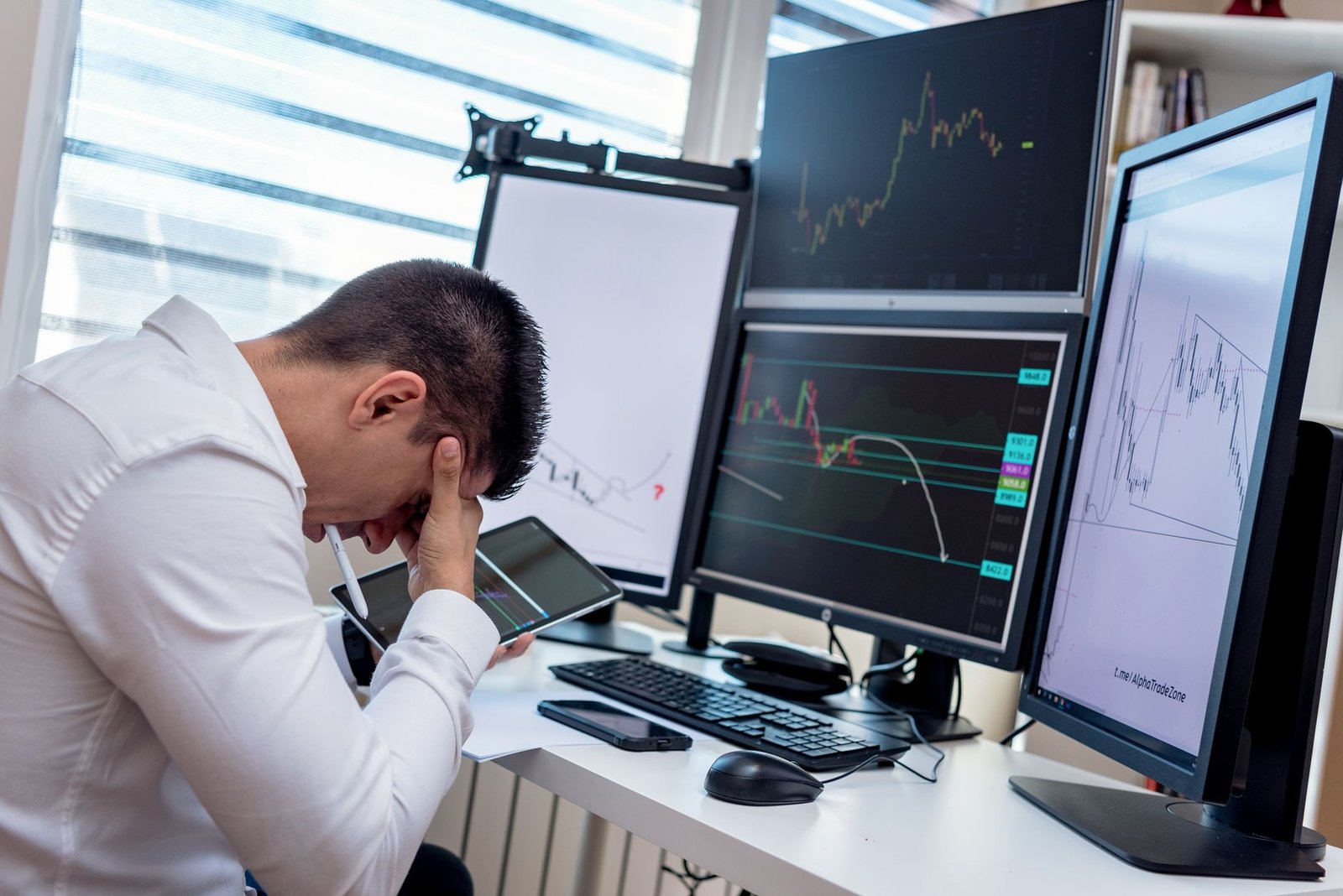
Understanding and managing your own psychology is arguably more critical than understanding market mechanics. While technical and fundamental analysis provide the ‘what’ and ‘when’ of trading, psychology dictates the ‘how’ – how you execute trades, manage risk, and recover from losses. Without emotional control, even the best trading strategies can falter. Factors like fear of missing out (FOMO), greed, regret, and overconfidence can lead to impulsive decisions, deviation from a trading plan, and ultimately, detrimental losses.
How Can Traders Control Their Emotions?
Traders can control their emotions by developing self-awareness, adhering strictly to a trading plan, practicing risk management, and cultivating a long-term perspective. Implementing specific techniques and maintaining a disciplined approach are key to mitigating emotional decision-making.
Emotional control in trading isn’t about eliminating emotions entirely, but about preventing them from dictating actions. This requires a conscious effort to recognise emotional triggers and implement pre-defined strategies to counteract them. The goal is to trade objectively, based on your analysis and plan, rather than reactively to market noise or personal feelings. This discipline is cultivated over time through consistent practice and self-reflection.
Recognising Emotional Biases
The first step to controlling emotions is identifying common psychological biases that affect trading. These include:
- Fear: Often manifests as anxiety about potential losses, leading to premature exits or avoiding trades altogether. Fear of missing out (FOMO) is also a powerful driver, pushing traders into suboptimal decisions.
- Greed: The desire for excessive profits can lead traders to take on too much risk, hold onto winning trades too long, or chase rapidly moving prices.
- Overconfidence: After a few winning trades, a trader might believe they are infallible, leading to larger position sizes and disregard for risk management.
- Regret Aversion: The fear of making a wrong decision can lead to indecision or hesitation, causing traders to miss opportunities or enter trades late.
- Confirmation Bias: Seeking out information that confirms pre-existing beliefs while ignoring contradictory evidence can lead to poor analysis and flawed trade setups.
Developing a Trading Plan
A well-defined trading plan acts as a psychological anchor, providing a structured approach and objective criteria for entering and exiting trades. It should include:
- Entry and exit rules
- Position sizing and risk management parameters
- Stop-loss and take-profit levels
- Trading hours and market conditions to trade
- A plan for managing losing trades
Sticking to this plan, even when emotions run high, ensures decisions are based on logic, not impulse. It’s crucial to create the plan when in a calm, rational state of mind, and then commit to following it rigorously.
How to Implement a Trading Plan
- Define your strategy: Clearly outline the criteria for trade entry based on technical or fundamental analysis.
- Set risk parameters: Determine the maximum percentage of capital you are willing to risk per trade (e.g., 1-2%).
- Establish stop-loss levels: Pre-define the price at which you will exit a losing trade to limit potential losses.
- Determine take-profit targets: Set realistic profit objectives based on market conditions and your strategy.
- Calculate position size: Use your risk parameters and stop-loss level to determine the appropriate number of shares or contracts.
- Execute trades objectively: Enter trades only when all criteria in your plan are met, without emotional hesitation.
- Review and adjust: Regularly review your trading performance against your plan, making objective adjustments as needed.
Practising Risk Management
Effective risk management is a cornerstone of trading psychology. It involves defining how much capital you are willing to lose on any single trade and on any given day or week. Implementing stop-loss orders is non-negotiable; they automatically exit a trade when a pre-determined loss level is reached, preventing emotional decisions to hold onto a losing position hoping for a reversal.
Position sizing, based on a fixed percentage of your trading capital per trade, ensures that even a string of losses doesn’t wipe out your account. For instance, risking only 1% of your capital per trade means that even ten consecutive losses would only deplete your account by about 10%, allowing you to remain in the game and continue applying your strategy.
Journaling Trades and Emotions
A trading journal is an invaluable tool for psychological development. It should not only record the mechanics of each trade (entry, exit, profit/loss, reason for trade) but also the trader’s emotional state before, during, and after the trade. Reviewing this journal regularly helps identify patterns in emotional responses and their impact on trading performance.
By analysing entries like ‘felt anxious before entry,’ ‘got greedy and didn’t exit,’ or ‘overconfident after big win,’ traders can pinpoint specific triggers and work on strategies to manage them. This self-awareness is fundamental to improving decision-making and building a resilient trading mindset. Tools like a TradingView indicator can sometimes help in backtesting strategies, but the emotional aspect remains personal.
Seeking Support and Continuous Learning
Trading can be a solitary pursuit, and the psychological pressures can be immense. Connecting with other traders, mentors, or professional coaches can provide invaluable support and perspective. Sharing experiences and challenges with a community can help normalise the emotional ups and downs of trading and offer coping mechanisms.
Furthermore, continuous learning about market dynamics, trading strategies, and psychological resilience is essential. The markets are constantly evolving, and a trader’s mindset must evolve with them. This includes understanding how news events, economic data releases from bodies like the RBI, or broad market trends as reflected in indices like the Nifty 50 or BSE Sensex can influence market sentiment and trigger emotional responses.

How to Build a Resilient Trading Mindset
Building a resilient trading mindset involves a combination of self-discipline, objective analysis, and emotional regulation. It’s a continuous process of self-improvement that requires patience and persistence, much like mastering any complex skill. The goal is to achieve a state of emotional detachment where decisions are based purely on the trading plan and market analysis, rather than subjective feelings.
Steps to Cultivate Resilience
- Start small: Begin trading with a small amount of capital to minimise the emotional impact of early losses.
- Embrace losses: Accept that losses are an inevitable part of trading and view them as learning opportunities, not failures.
- Focus on process, not outcome: Concentrate on executing your trading plan correctly rather than fixating on whether a particular trade is profitable.
- Practice mindfulness: Engage in meditation or breathing exercises to stay calm and focused during volatile market conditions.
- Take breaks: Step away from trading regularly to avoid burnout and maintain perspective.
- Celebrate small wins: Acknowledge and appreciate consistent execution of your plan, reinforcing positive behaviours.
- Seek constructive feedback: Ask experienced traders or mentors for objective critiques of your trading approach.
- Stay objective: Constantly question your own biases and assumptions about the market.
When Should You Seek Professional Help?
If trading-related stress significantly impacts your daily life, relationships, or mental well-being, it’s time to seek professional help. This could involve financial psychologists, therapists, or trading coaches who specialise in the psychological aspects of trading. Persistent issues like compulsive trading, inability to stick to a plan despite knowing better, or experiencing severe anxiety, depression, or anger related to trading are strong indicators that external guidance is needed.

Frequently Asked Questions
What is the most common emotional trap for new traders?
The most common emotional trap for new traders is likely fear, often manifesting as the fear of missing out (FOMO) or the fear of losing money. This can lead to impulsive decisions like chasing fast-moving prices or entering trades without proper analysis.
How does greed affect trading decisions?
Greed can lead traders to take excessive risks, hold onto winning positions for too long hoping for unrealistic profits, or enter trades with oversized positions. It overrides logical risk management and often results in significant losses when market conditions reverse.
Is it possible to completely eliminate emotions from trading?
No, it is not possible or even desirable to completely eliminate emotions from trading. Emotions are a natural part of human experience. The goal is to manage and control them so they don’t negatively impact decision-making, allowing for rational and disciplined trading.
How important is a trading journal for controlling emotions?
A trading journal is extremely important. It helps traders identify emotional triggers, understand how specific feelings affect their decisions and performance, and track progress in managing their psychological responses. It provides objective data on both trades and emotional states.
Can market volatility trigger emotional responses?
Yes, market volatility is a significant trigger for emotional responses. Rapid price swings can induce fear, excitement, or panic, making it challenging for traders to stick to their plans and make rational decisions without discipline and practice.
Key Takeaways
- Trading psychology is a critical factor for consistent profitability, often outweighing technical or fundamental skills.
- Common emotional biases like fear, greed, and overconfidence can lead to poor trading decisions.
- A well-defined trading plan serves as an objective guide, helping traders stick to their strategy and avoid impulsive actions.
- Rigorous risk management, including stop-loss orders and proper position sizing, is essential for emotional stability.
- A trading journal that records both trade details and emotional states is vital for self-awareness and improvement.
- Building resilience takes time and involves focusing on process, embracing losses as learning opportunities, and practising mindfulness.
- Seeking support from mentors or professionals can be beneficial if trading-related stress becomes overwhelming.
Investing in securities markets involves inherent risks, and the value of investments can fluctuate. Past performance is not indicative of future results.




 Finovatives