



TL;DR: Understanding market cycles on the BSE and NSE allows traders to identify phases of accumulation, markup, distribution, and markdown, enabling them to align their strategies with prevailing trends for potentially higher profits and reduced risk.
Key Stats at a Glance:
- Nifty 50 recorded a 5-year CAGR of approximately 14.2% as of early 2024.
- BSE Sensex’s historical average annual return hovers around 12-14% over the long term.
- Indian equity markets have experienced 3 major bull cycles and 2 major bear cycles since 2000.
- The average duration of a bull market phase in India has been between 3 to 5 years historically.
- NSE’s market capitalisation exceeded ₹300 lakh crore in early 2024.
What are Market Cycles in BSE and NSE?
Market cycles in the Indian stock exchanges like the BSE (Bombay Stock Exchange) and NSE (National Stock Exchange) refer to the recurring patterns of expansion and contraction in stock prices, driven by investor sentiment and economic factors, typically progressing through distinct phases.
The Indian stock market, comprising the BSE and NSE, does not move in a straight line. Instead, it exhibits cyclical behaviour, often described as ‘market cycles’. These cycles are periods where prices tend to move in a predictable pattern of ups and downs. Understanding these cycles is fundamental for any serious trader or investor looking to capitalise on market movements and mitigate potential losses. These cycles are influenced by a multitude of factors, including economic indicators, corporate earnings, global events, and investor psychology. Essentially, they represent the emotional journey of market participants – from optimism and greed during uptrends to fear and pessimism during downtrends.
The Four Phases of a Market Cycle
Every market cycle, whether in a bull or bear market, can be broadly categorised into four distinct phases: Accumulation, Markup, Distribution, and Markdown. Recognising which phase the market is currently in is key to adapting trading strategies.
Accumulation Phase
The Accumulation phase is often considered the ‘quiet’ phase where smart money, such as institutional investors and experienced traders, begin to quietly buy assets after a prolonged downtrend, anticipating a future price increase. During this period, the price action may appear sideways with low trading volumes, as sellers are exhausted and buyers are entering cautiously.
Markup Phase
Following accumulation, the Markup phase, also known as the uptrend or bull market, begins. In this phase, demand for the asset begins to significantly outweigh supply, leading to a sustained rise in prices. News and public interest start to turn positive, attracting more retail investors. This phase is characterised by higher trading volumes and increasing optimism.

Distribution Phase
The Distribution phase occurs at the peak of the Markup phase. Here, the smart money that accumulated shares at lower prices starts to sell off their holdings to the eager retail investors who are entering the market driven by FOMO (Fear Of Missing Out). Price action may become choppy, with rallies failing to reach new highs and increasing selling pressure on downturns. Volumes can be high but unconvincing, indicating a struggle between buyers and sellers.
Markdown Phase
The final phase is the Markdown, or downtrend/bear market. Supply now overwhelmingly exceeds demand, leading to a sustained decline in prices. Negative news becomes prevalent, and investor sentiment turns fearful and pessimistic. Volumes may spike during sharp declines but remain subdued during any temporary bounces. This phase continues until the selling pressure subsides and a new accumulation phase can begin.
How to Identify Market Cycles?
Identifying market cycles involves a combination of technical and fundamental analysis, looking for patterns and confirming indicators that signal a shift from one phase to another.
The ability to accurately identify the current phase of a market cycle is a coveted skill among traders. It allows for strategic positioning – buying into accumulation, riding the markup, taking profits during distribution, and either staying out or shorting during markdown. However, it’s not an exact science and requires continuous observation and the use of various tools.
Using Technical Indicators
Technical indicators can provide valuable clues about the market’s current phase. Moving averages, for instance, can help confirm uptrends (price above longer-term averages) or downtrends (price below). Oscillators like the RSI (Relative Strength Index) or MACD (Moving Average Convergence Divergence) can help identify overbought or oversold conditions, often seen at the extremities of cycles (peaks and troughs).
Analysing Price Action and Volume
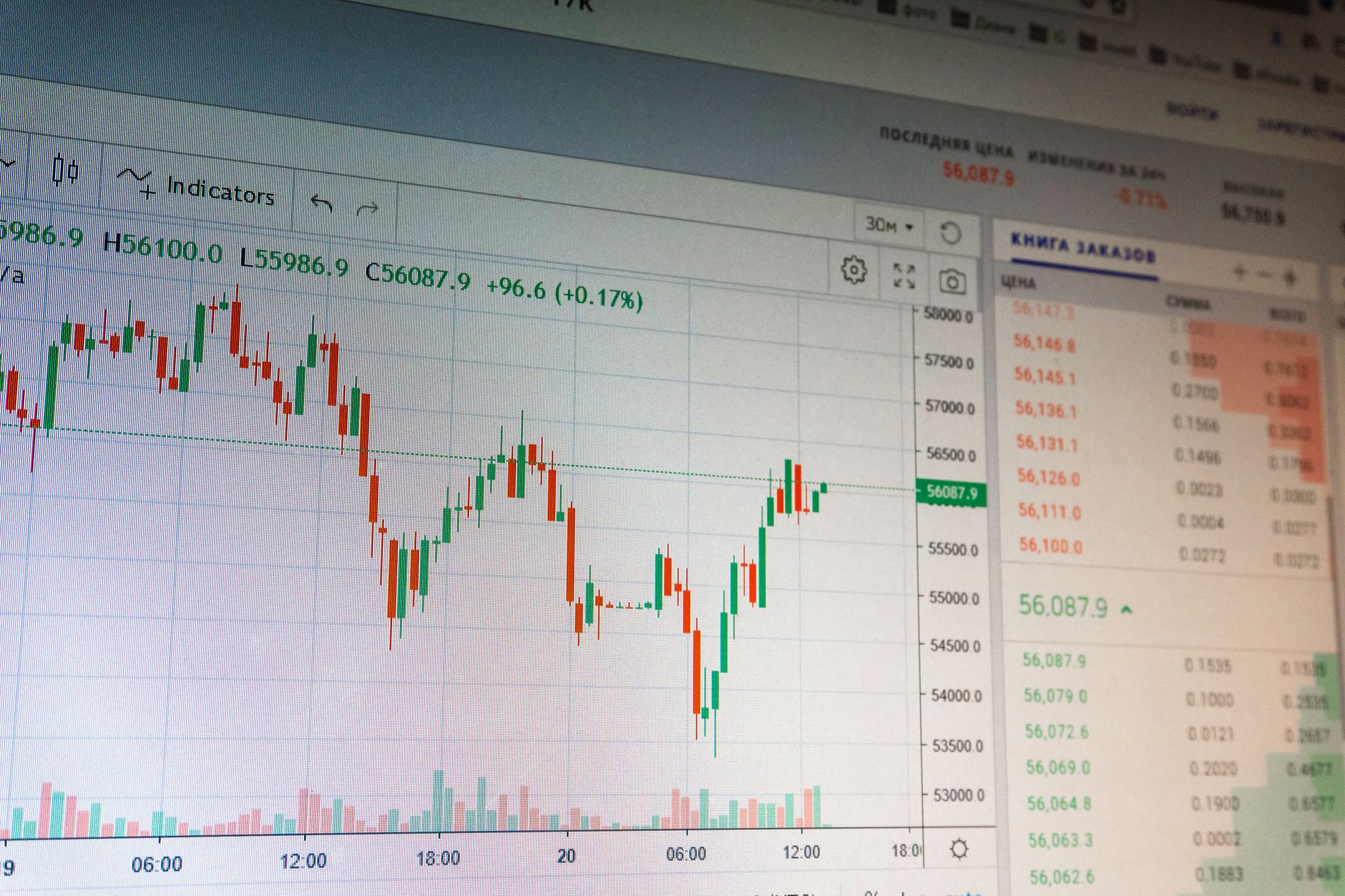
Observing price patterns on charts is crucial. Sideways consolidation with decreasing volume often suggests accumulation or distribution. Sustained, steady price increases with increasing volume typically indicate a markup phase. Conversely, sharp price drops on high volume can signal the start or continuation of a markdown phase. Chart patterns like head and shoulders (top reversal) or double bottoms (potential reversal) are also important.
Fundamental Analysis Clues
Economic data releases (GDP, inflation, interest rates), corporate earnings reports, and sector-specific news significantly influence market cycles. For example, rising interest rates might signal the end of a markup phase and the beginning of distribution or markdown. Positive earnings surprises can extend a markup phase, while widespread profit warnings can accelerate a markdown.
Sentiment Analysis
Investor sentiment plays a pivotal role. Extreme optimism, often seen at market tops, can be a contrarian indicator, suggesting a potential distribution phase. Conversely, widespread panic and pessimism at market bottoms often indicate a potential accumulation phase is near. News flow and social media sentiment can provide insights, though they should be used cautiously.
The Role of Timeframes
Market cycles occur on all timeframes – from intraday charts to multi-year weekly and monthly charts. A stock might be in an uptrend on a daily chart (markup phase) but part of a larger downtrend on a weekly chart (markdown phase). Traders must define their trading horizon and analyse cycles accordingly.
Strategies for Trading Market Cycles
Different trading strategies are more effective during specific market cycle phases. Adapting your approach can significantly improve your success rate.
Once you have an idea of which market cycle phase the BSE or NSE is in, you can tailor your trading strategy. What works in a bull market might be disastrous in a bear market. Finovatives.com offers tools like our proprietary Trend Traders Tool that helps identify these shifts.
Trading the Accumulation Phase
During accumulation, the goal is to identify potential turning points. Strategies involve looking for bottoming patterns, divergence on indicators, and confirmation of initial buying interest. Often, traders might use smaller position sizes and aim for longer-term positions, anticipating the start of a markup.
Trading the Markup Phase
This is the most straightforward phase for trend-following strategies. Buy on pullbacks to support levels or moving averages, hold positions as long as the uptrend remains intact, and use trailing stop-losses to protect profits. Breakout strategies can also be effective here.
Trading the Distribution Phase
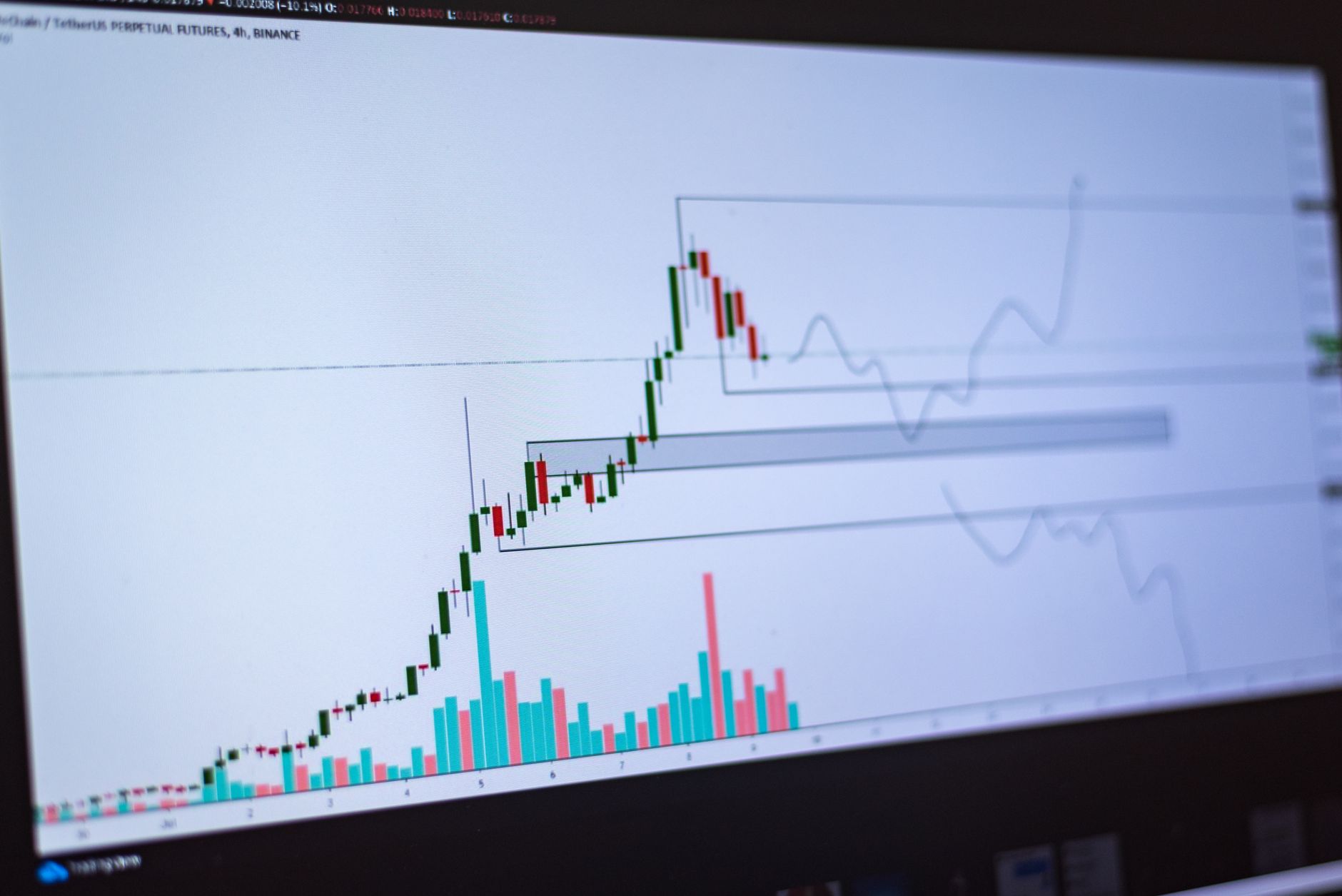
Distribution requires caution. Traders might look to take profits on long positions. For those looking to trade actively, short-selling on rallies or playing for breakdowns below support levels can be considered, but with tighter risk management due to the potential for sharp reversals.
Trading the Markdown Phase
In a markdown phase, the primary strategy for most is capital preservation. For experienced traders, short-selling on rallies is a viable strategy. Identifying potential support levels where the downtrend might pause or reverse is also crucial for anticipating the next accumulation phase.
How to Adapt Your Portfolio to Market Cycles
Adapting your investment portfolio across different market cycles is essential for long-term wealth preservation and growth.
A buy-and-hold strategy might work well during extended markup phases but can lead to significant losses if not adjusted during distribution and markdown phases. Therefore, periodic review and rebalancing are necessary.
- Define Your Investment Horizon: Understand whether you are a short-term trader or a long-term investor, as this dictates how you view and react to cycles.
- Asset Allocation: During strong uptrends (markup), consider higher equity allocation. In uncertain or downtrending markets (distribution/markdown), consider shifting towards safer assets like gold or debt instruments.
- Sector Rotation: Certain sectors perform better in different cycle phases. For example, cyclical sectors might lead in markup, while defensive sectors may hold up better in markdown.
- Risk Management: Always employ stop-losses and position sizing appropriate for the current market volatility and the perceived cycle phase.
- Stay Informed: Keep abreast of economic news, RBI policy, and global market trends that can influence the direction and duration of cycles.
- Review and Rebalance: Periodically review your portfolio’s performance and rebalance assets to maintain your desired risk profile and capture opportunities across different phases.

The Importance of Diversification
Diversification across asset classes (equities, debt, gold, real estate) and within asset classes (different sectors, market capitalisations) is a time-tested method to mitigate risk associated with market cycles. While diversification doesn’t guarantee profits or prevent losses, it helps smooth out returns over the long term.
Understanding Nifty and Sensex Cycles
The Nifty 50 and BSE Sensex, as broad market indices, often reflect the overall health and cyclical nature of the Indian stock market. Their movements provide a macro view that can be used to gauge the dominant market cycle. For instance, a sustained rally in the Nifty 50 above its long-term moving averages often signifies a markup phase for the broader market.
Frequently Asked Questions
How long do market cycles typically last?
Market cycle durations vary significantly. Bull markets can last from a few months to several years, while bear markets are generally shorter but can be more volatile. There’s no fixed timeline; economic conditions and unforeseen events heavily influence their length.
Are market cycles predictable?
While not perfectly predictable, market cycles exhibit patterns. Technical and fundamental analysis can help identify potential shifts between phases, allowing traders to anticipate rather than react. Experience and continuous learning improve predictive accuracy.
What is the current market cycle phase in India?
The current phase requires ongoing analysis of economic data, market sentiment, and technical indicators. Generally, observing trends in Nifty and Sensex, alongside corporate earnings and global cues, provides the best indication.
Can I profit in every market cycle phase?
Profiting in every phase is challenging, even for seasoned professionals. The goal is to maximise profits during favourable phases (markup) and minimise losses during unfavourable ones (markdown) by adapting strategies.
Which indicators are best for identifying market cycles?
Key indicators include moving averages, MACD, RSI, volume analysis, and chart patterns. Fundamental economic data and investor sentiment analysis are also critical components.
How does the SEBI influence market cycles?
SEBI (Securities and Exchange Board of India) regulates the market to ensure fairness and transparency. Its policies, such as changes in trading norms or regulations, can indirectly influence investor behaviour and, consequently, market cycle dynamics.
Key Takeaways
- Market cycles on BSE and NSE move through four phases: Accumulation, Markup, Distribution, and Markdown.
- Identifying the current phase using technical indicators, price action, volume, and fundamental analysis is crucial.
- Trend-following strategies work best in the Markup phase, while caution and profit-taking are advised during Distribution.
- Capital preservation or short-selling strategies are typically employed during the Markdown phase.
- Diversification across asset classes and sectors helps mitigate risks associated with market cycles.
- Understanding the broader cycles of indices like Nifty 50 and BSE Sensex provides a macro perspective.
- Adapting your trading or investment strategy to the prevailing market cycle phase is key to long-term success.
Investing in the stock market involves risks, including the potential loss of principal. Past performance is not indicative of future results.






 Finovatives