



TL;DR: Capital gains tax in India on stocks is levied on profits made from selling shares, with different rates and holding periods for Short-Term Capital Gains (STCG) and Long-Term Capital Gains (LTCG) depending on the asset type and holding duration.
Key Stats at a Glance:
- Nifty 50 Index CAGR (10 years ending 2023): Approx. 12.15%
- Short-Term Capital Gains Tax Rate (for listed equity): 15%
- Long-Term Capital Gains Tax Exemption Limit (for listed equity): ₹1 Lakh per financial year
- Long-Term Capital Gains Tax Rate (for listed equity above exemption): 10% (without indexation)
- Number of listed companies on NSE: Over 2,000
What is Capital Gains Tax on Stocks in India?
Capital gains tax in India is a levy imposed by the government on the profit earned from the sale of capital assets, including stocks and shares.
When you sell shares that you have held for a certain period and they have appreciated in value, the profit realised is considered a capital gain. This gain is then subject to taxation under the Indian Income Tax Act, 1961. The tax treatment depends crucially on how long you held the shares before selling.
Understanding Short-Term vs. Long-Term Capital Gains
The distinction between short-term and long-term capital gains is fundamental to calculating your tax liability on stock sales.
The holding period dictates whether your gain is classified as short-term or long-term. For listed equity shares, the classification hinges on selling the shares within or after one year from the date of acquisition.
Short-Term Capital Gains (STCG)
Short-Term Capital Gains arise when you sell listed equity shares within 12 months (one year) of purchasing them. These gains are taxed at a flat rate, irrespective of your income tax slab.
STCG Calculation
STCG = Sale Price – Purchase Price – Transaction Costs (brokerage, STT, etc.).
STCG Tax Rate
For listed equity shares, STCG is taxed at a flat rate of 15% (plus applicable surcharges and cess). This rate is applied regardless of whether you fall into a lower or higher income tax bracket. For instance, if you are in the 30% tax bracket, you still pay only 15% on your STCG. This flat rate is a significant aspect for traders who frequently buy and sell stocks within short durations.
Long-Term Capital Gains (LTCG)
Long-Term Capital Gains are realised when you sell listed equity shares after holding them for more than 12 months (one year). These gains enjoy a more favourable tax treatment compared to STCG.
LTCG Calculation
LTCG = Sale Price – Purchase Price – Transaction Costs. Unlike STCG, indexation benefits are not available for LTCG on listed equity shares from FY 2018-19 onwards. However, an exemption limit exists.
LTCG Tax Rate & Exemption
The first ₹1 Lakh of long-term capital gains realised from the sale of listed equity shares in a financial year are exempt from tax. Gains exceeding ₹1 Lakh are taxed at a concessional rate of 10% (plus applicable surcharges and cess). This 10% rate is applied without indexation. This benefit encourages long-term investment in the stock market.

How to Calculate Capital Gains Tax on Stocks
Accurate calculation of capital gains is crucial for filing your income tax returns correctly. The process involves identifying the type of gain (STCG or LTCG) and applying the relevant tax rates and exemptions.
How to Calculate Your Capital Gains Tax:
- Identify the Asset: Determine if the asset sold is a listed equity share, unlisted share, mutual fund, etc., as tax rules vary. For this guide, we focus on listed equity shares.
- Determine the Holding Period: Calculate the exact number of days between the purchase date and the sale date to classify the gain as short-term (≤ 12 months) or long-term (> 12 months).
- Calculate the Purchase Price: Include the cost of acquisition, brokerage, Securities Transaction Tax (STT), and any other expenses incurred to acquire the shares.
- Calculate the Sale Price: Include the total sale proceeds from the shares, minus brokerage, STT, and other sale-related expenses.
- Calculate the Profit/Loss: Subtract the total cost of acquisition from the net sale proceeds. This gives you the capital gain or loss.
- Classify the Gain: Based on the holding period, categorise the gain as STCG or LTCG.
- Apply Tax Rules: For STCG, apply the 15% tax rate. For LTCG, check if the gain is within the ₹1 Lakh exemption limit. If it exceeds ₹1 Lakh, tax the excess at 10%.
- Account for Surcharges and Cess: Remember to add applicable surcharges and Health & Education Cess (currently 4%) to the calculated tax amount.
Tax Implications on Different Holding Periods
The duration for which you hold a stock directly impacts the tax treatment of your profits. Understanding these nuances is key to tax-efficient investing.
Holding Period of Up to 12 Months (STCG)
If you sell your listed equity shares within a year of buying them, any profit you make is considered a Short-Term Capital Gain (STCG). As discussed, STCGs are taxed at a flat rate of 15%, plus applicable surcharges and cess. This is generally a higher effective rate for individuals in lower tax brackets but offers simplicity.
Holding Period of More Than 12 Months (LTCG)
When you hold listed equity shares for longer than one year before selling, the profits are classified as Long-Term Capital Gains (LTCG). The Indian government incentivises long-term investment by offering a significant tax advantage: the first ₹1 Lakh of LTCG in a financial year is completely tax-free. Any LTCG above this ₹1 Lakh threshold is taxed at a rate of 10% (plus surcharges and cess). This concessional rate makes holding stocks for the long term financially attractive.

Tax Saving Strategies for Capital Gains
While capital gains tax is unavoidable on profitable stock market transactions, several strategies can help manage and potentially reduce your tax outgo legally.
Utilising the LTCG Exemption
The most straightforward tax-saving strategy is to aim for long-term capital gains. By holding your winning stocks for over a year, you become eligible for the ₹1 Lakh LTCG exemption annually. If your total LTCG in a year is below this threshold, you pay zero tax on it. Even if it exceeds, the tax rate is a favourable 10%.
Tax Loss Harvesting
This strategy involves selling investments that have incurred a loss to offset capital gains. You can set off STCL (Short-Term Capital Loss) against both STCG and LTCG. An LTCG (Long-Term Capital Loss) can only be set off against LTCG. If losses remain after setting off within the same year, they can be carried forward for up to 8 subsequent assessment years. This requires careful tracking and timely execution. Tools like our Trend Traders Tool can help identify such opportunities.
Investing in Tax-Saving Instruments
While not directly reducing tax on existing stock gains, investing in instruments like ELSS (Equity Linked Savings Schemes) mutual funds can offer tax deductions under Section 80C of the Income Tax Act, up to ₹1.5 Lakhs. These are long-term investments with a lock-in period, and the gains from them are also subject to LTCG tax rules.
Staggering Your Gains
If you anticipate realising significant capital gains, consider staggering your sales across different financial years. This can help you keep your annual LTCG within the ₹1 Lakh exemption limit more consistently, thereby deferring or reducing the tax payable.
Frequently Asked Questions
What is the tax rate for STCG on stocks in India?
Short-Term Capital Gains (STCG) on listed equity shares sold within 12 months of purchase are taxed at a flat rate of 15%, plus applicable surcharges and cess.
What is the tax rate for LTCG on stocks in India?
Long-Term Capital Gains (LTCG) on listed equity shares held for over 12 months are taxed at 10% on gains exceeding ₹1 Lakh per financial year. The first ₹1 Lakh of LTCG is exempt from tax. Surcharges and cess apply.
Can I set off capital losses against other income?
Short-Term Capital Losses can be set off against both STCG and LTCG. Long-Term Capital Losses can only be set off against LTCG. Unutilised losses can be carried forward for up to 8 years to be set off against future capital gains.
Are transaction costs deductible for capital gains calculation?
Yes, legitimate transaction costs such as brokerage fees, Securities Transaction Tax (STT), and stamp duty paid on the purchase and sale of shares are deductible from the sale price to arrive at the net capital gain or loss.
What is the holding period for LTCG on equity shares?
For listed equity shares, the holding period for Long-Term Capital Gains (LTCG) is more than 12 months from the date of purchase.

Capital Gains Tax Exemptions and Deductions
The Indian tax system provides certain avenues for exemption and deduction related to capital gains, encouraging specific investment behaviours and providing relief.
LTCG Exemption Limit
As detailed, the primary exemption is the ₹1 Lakh annual limit for Long-Term Capital Gains from listed equity shares. This is a significant benefit designed to promote patient investing. It’s crucial to track your total LTCG across all your equity sales within a financial year to effectively utilise this exemption.
Set-off and Carry Forward of Losses
The Income Tax Act allows for the set-off and carry forward of capital losses. This provision is vital for managing overall tax liability. STCL can be set off against any capital gain (STCG or LTCG), while LTCG can only be set off against LTCG. If the loss cannot be fully set off in the current year, it can be carried forward for up to eight subsequent assessment years, provided the tax returns are filed on time. This mechanism helps investors recover from market downturns without bearing the full tax burden on past gains.
Specific Exemptions (Rare for Listed Equity)
While most capital gains on listed equity are taxable as per the STCG/LTCG rules, certain specific scenarios might have exemptions, though these are less common for typical retail traders. For instance, gains from the transfer of agricultural land under specific conditions might be exempt. However, for standard stock market investments, the ₹1 Lakh LTCG exemption is the most relevant.
Deductions Under Section 80C (Indirect Benefit)
While not a direct exemption on capital gains themselves, investments in instruments like ELSS mutual funds qualify for deductions under Section 80C, up to ₹1.5 Lakhs. This reduces your overall taxable income. The gains from these investments are then taxed as LTCG, benefiting from the standard LTCG tax rules.
Record Keeping for Tax Purposes
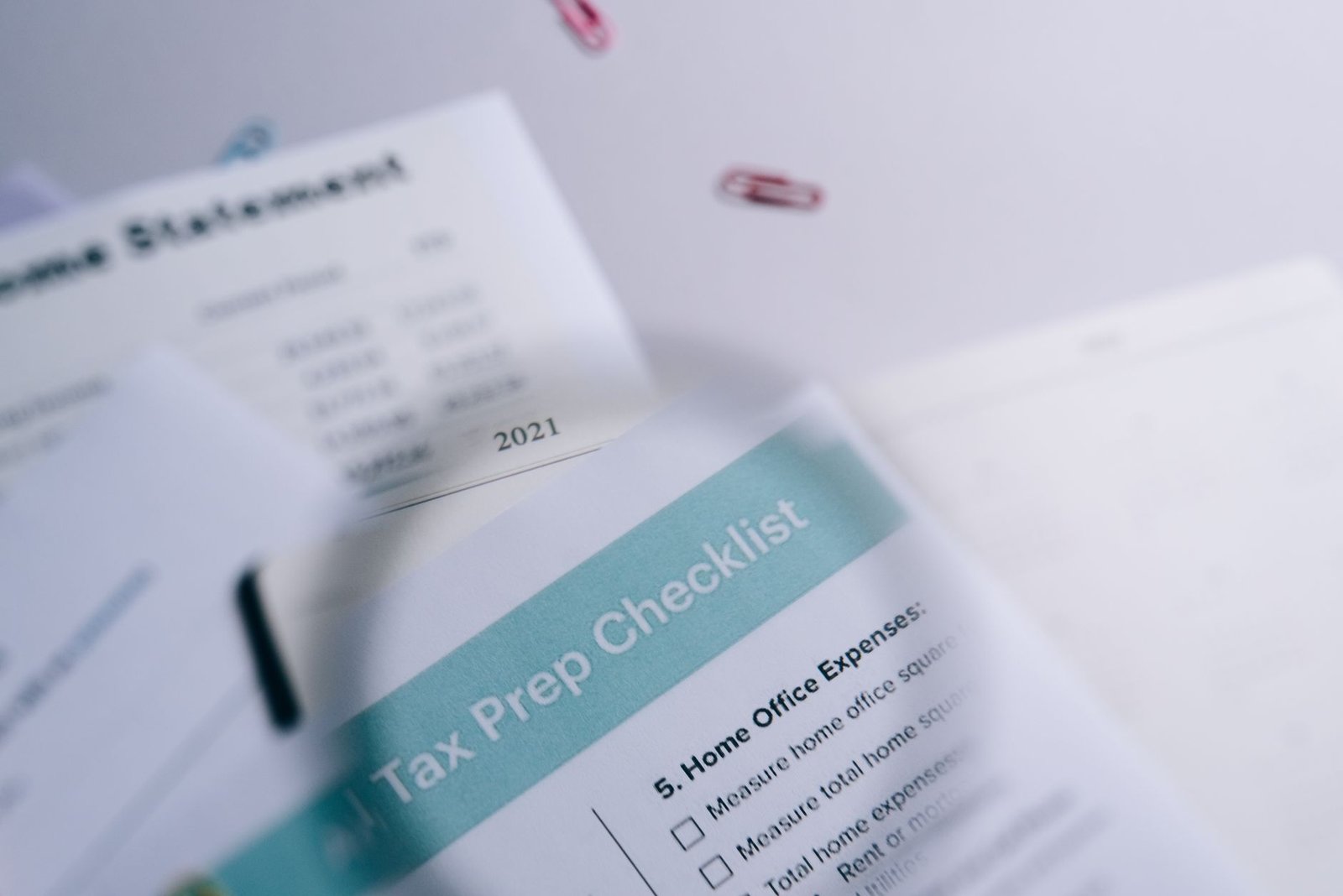
Meticulous record-keeping is non-negotiable for accurate tax filing and claiming all eligible benefits. This is especially true when dealing with capital gains, where purchase dates, sale dates, costs, and proceeds must be precise.
Essential Documents to Maintain:
- Contract Notes: Issued by your broker for every buy and sell transaction, these notes detail the scrip, quantity, rate, date, brokerage, STT, and other charges.
- Demat Account Statement: Provides a consolidated view of your holdings, including purchase details and current holdings.
- Bank Statements: To verify the inflow and outflow of funds related to your trading activities.
- Form 16A/TDS Certificates: If any Tax Deducted at Source (TDS) has been applied on your capital gains (though generally not applicable on equity sales for retail investors unless specific conditions are met, unlike mutual funds).
- Proof of Expenses: Records of any other direct expenses incurred for the transaction.
Maintaining these records digitally, perhaps using a sophisticated platform that integrates with your broker or offers a robust TradingView indicator, can streamline the process significantly. Accurate records prevent underpayment of taxes and potential penalties from the Income Tax Department.
The Role of SEBI and Tax Regulations
The Securities and Exchange Board of India (SEBI) regulates the securities market, while the Income Tax Act, 1961, governs the taxation of capital gains. SEBI’s role is to protect investor interests and ensure market integrity, indirectly contributing to fair trading practices that underpin tax calculations.
Tax regulations, including those for capital gains, are subject to periodic changes through the Union Budget. It is imperative for investors to stay updated with the latest amendments announced by the Ministry of Finance. For instance, the reintroduction of LTCG tax on listed equities in 2018, albeit with a grandfathering clause and an exemption limit, significantly altered investment strategies. Understanding these regulatory and fiscal policies is key to informed decision-making.
Key Takeaways
- Capital gains tax applies to profits from selling stocks.
- STCG (holding ≤ 12 months) taxed at 15% (plus cess/surcharge).
- LTCG (holding > 12 months) taxed at 10% (plus cess/surcharge) on gains above ₹1 Lakh annually; the first ₹1 Lakh is tax-free.
- Accurate record-keeping of purchase/sale dates, costs, and transaction details is essential.
- Tax loss harvesting and staggering gains can help manage tax liabilities.
- Stay updated with changes in tax laws announced in the Union Budget.
- Consult a tax professional for personalized advice.
Disclaimer: Investment in securities market is subject to market risks. Read all the related documents carefully before investing. This article is for informational purposes only and does not constitute financial or investment advice.





 Finovatives