


TL;DR: Market orders execute immediately at the best available price, limit orders allow you to set a specific price or better, and stop-loss orders protect against excessive losses by triggering a market or limit order when a certain price is hit.
Key Stats at a Glance:
- NSE records over ₹10 lakh crore in average daily turnover in equity derivatives as of 2024.
- BSE has over 6,000 listed companies, making it one of the world’s largest exchanges.
- The Nifty 50 Index, a benchmark for the Indian equity market, has delivered an average annual return of approximately 12% over the last decade.
- A study by AMFI indicates that over 75% of mutual fund investors in India utilize online platforms for transactions.
- SEBI mandates clear disclosure of all order types and their implications to investors.
What are order types in stock trading?
Order types are specific instructions given to a broker to buy or sell a financial instrument, such as shares on the NSE or BSE, at a predetermined price or condition.
The Importance of Order Types
For any trader, whether you’re navigating the dynamic Indian stock market on platforms like TradingView or directly through your broker, understanding order types is fundamental. They are the bedrock of trade execution, dictating precisely how your buy or sell instructions are fulfilled. Without a grasp of these tools, you’re essentially leaving your trade outcomes to chance, which is a recipe for disaster in the volatile world of equities and derivatives. Choosing the correct order type can mean the difference between entering a trade at your desired price and getting a slippage that erodes your capital, or exiting a position to cut losses before they spiral out of control. Let’s break down the most common and critical order types: market, limit, and stop-loss orders.

Market Orders: The Speedy, Less Predictable Choice
A market order is the simplest and most common type of order. It’s an instruction to buy or sell a security immediately at the best available current market price. When you place a market order, your primary goal is speed and certainty of execution. You want to get into or out of a position as quickly as possible, without worrying too much about the exact price you get.
When to Use Market Orders
Market orders are best suited for highly liquid stocks where the bid-ask spread (the difference between the highest price a buyer is willing to pay and the lowest price a seller is willing to accept) is very narrow. In such scenarios, the price you get will likely be very close to the last traded price. They are also useful when you absolutely need to enter or exit a position immediately, perhaps due to a sudden market development or news event.
Risks of Market Orders
The main risk with market orders, especially in less liquid stocks or during periods of high volatility, is price slippage. This means the price at which your order is executed could be significantly different from the price you saw when you placed the order. For instance, if you place a buy market order for a stock that suddenly sees a surge in demand, you might end up paying a much higher price than anticipated. Conversely, a sell market order during a sharp sell-off could result in receiving a much lower price.
Example of a Market Order
Let’s say you want to buy shares of a company on the NSE. The current market price displayed is ₹100. You place a buy market order for 100 shares. If the market is highly liquid, your order might get executed at ₹100.05. If the market is volatile or less liquid, it could be executed at ₹100.50 or even higher. You’ve bought the shares quickly, but at a price potentially higher than the quoted price.
What is a Limit Order?
A limit order is an instruction to buy or sell a security at a specific price or better. When you place a buy limit order, you set the maximum price you are willing to pay. Your order will only be executed if the stock’s price falls to your limit price or lower. Conversely, when you place a sell limit order, you set the minimum price you are willing to accept. Your order will only be executed if the stock’s price rises to your limit price or higher.
Advantages of Limit Orders
The primary advantage of a limit order is price control. It guarantees that you will not pay more than your limit price when buying, and you will not receive less than your limit price when selling. This makes them ideal for traders who are not in a rush and want to ensure they enter or exit a position at a favourable price, avoiding the risk of slippage associated with market orders.
When to Use Limit Orders
Limit orders are excellent for trading less liquid stocks, where the bid-ask spread can be wide, or during times when you want to enter a position only if the price reaches a specific technical level, perhaps identified using a TradingView indicator. They are also useful for taking profits at a target price or entering a trade on a pullback to a support level.
Limitations of Limit Orders
The main drawback of a limit order is that execution is not guaranteed. If the market price never reaches your specified limit price, your order will remain unfilled. In a rapidly moving market, you might miss out on an opportunity because your limit order was too restrictive. For example, if you place a buy limit order at ₹95 for a stock currently trading at ₹98, and the price only drops to ₹96 before rallying again, your order won’t be executed, and you’ll miss the opportunity to buy at ₹96.
Example of a Limit Order
Suppose you want to buy shares of a company trading at ₹150, but you believe it’s a good entry point only if the price drops to ₹145. You place a buy limit order for 50 shares at ₹145. If the stock price falls to ₹145 or below, your order will be executed at ₹145 or a better price. If the price only falls to ₹146, your order will not be filled.
Buy Limit vs. Sell Limit
A buy limit order is placed below the current market price, aiming to buy at a discount. A sell limit order is placed above the current market price, aiming to sell at a premium. This distinction is crucial for strategic entry and exit planning.
What is a Stop-Loss Order?
A stop-loss order is a risk management tool designed to limit an investor’s potential loss on a trade. It’s an order to buy or sell a security once its price reaches a specified stop price. Once triggered, a stop-loss order typically becomes a market order, meaning it will execute at the best available price immediately. However, some brokers also offer ‘stop-limit’ orders, which combine the features of stop and limit orders.
How Stop-Loss Orders Work
When you buy a stock, you place a sell stop-loss order below your purchase price. If the stock price falls to or below your stop price, the order is triggered, and your broker will attempt to sell your shares at the best available market price to prevent further losses. For example, if you bought a stock at ₹200 and set a stop-loss at ₹190, your sell stop-loss order will activate if the price drops to ₹190. It will then become a market order to sell at whatever price is available, hopefully close to ₹190.
Protecting Your Capital
The primary function of a stop-loss order is capital preservation. By pre-determining the maximum amount you are willing to lose on a trade, you remove the emotional aspect of selling during a downturn. It ensures that a losing trade doesn’t turn into a catastrophic one, safeguarding your overall investment portfolio. This is particularly vital in fast-moving markets like those on the NSE and BSE, where prices can swing dramatically.
When to Set a Stop-Loss
A stop-loss should ideally be set based on technical analysis, such as a support level, a moving average, or a percentage of your entry price. It should be a price point where, if reached, your initial reason for entering the trade is no longer valid. For instance, if you bought a stock because it broke above a key resistance level, a stop-loss might be placed just below that broken resistance, which now acts as support.
Stop-Loss vs. Stop-Limit Orders
A standard stop-loss order, when triggered, becomes a market order. This means it will execute at the next available price, which could be significantly different from the stop price during high volatility (slippage). A stop-limit order, on the other hand, triggers at the stop price but then becomes a limit order. This gives you price protection but risks non-execution if the price moves too rapidly past your limit price after being triggered. For example, if you set a stop price of ₹190 and a limit price of ₹189 for a sell order, and the stock drops sharply from ₹191 to ₹188, your order might not execute at ₹189 because the market has already moved past it.
Example of a Stop-Loss Order
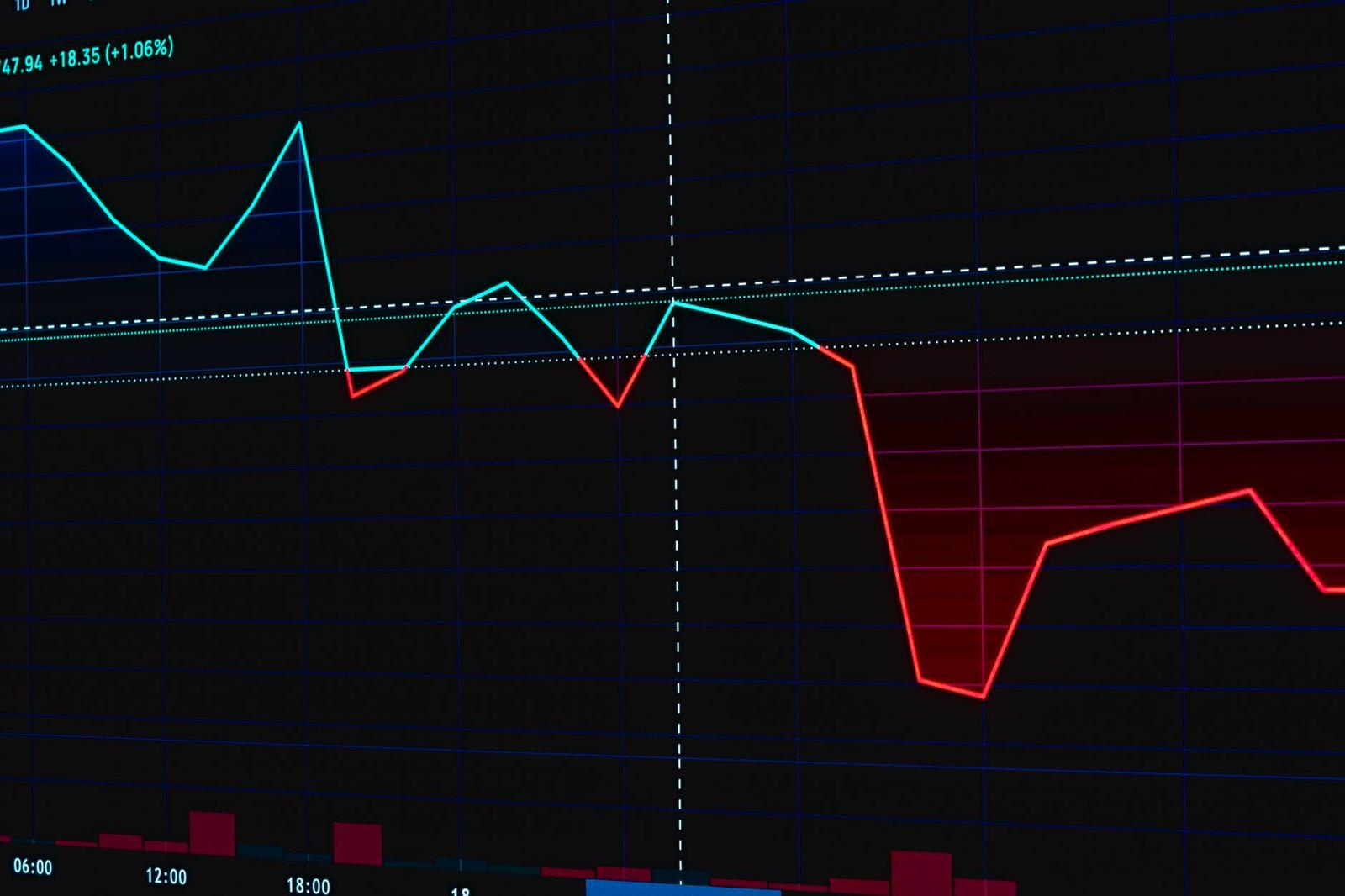
You buy 100 shares of XYZ company at ₹500. You decide that you cannot afford to lose more than ₹50 per share. You place a sell stop-loss order at ₹450. If the price of XYZ shares drops to ₹450, your stop-loss order is triggered and converted into a market order to sell. Your shares will be sold at the best available price at that moment, which might be ₹450, ₹448, or even ₹445, depending on market liquidity at the time of execution.
Comparing Order Types for Indian Traders
Choosing the right order type depends heavily on your trading strategy, risk tolerance, and market conditions. For Indian retail traders, especially those new to the complexities of the stock market, a clear understanding of these differences is paramount. Let’s compare them directly:
| Feature | Market Order | Limit Order | Stop-Loss Order |
|---|---|---|---|
| Execution Price | Best available current price | Specific price or better | Trigger price (then becomes Market or Limit) |
| Execution Certainty | High (if liquid) | Low (depends on price) | Trigger dependent |
| Price Control | Low | High | Medium (standard), High (stop-limit) |
| Slippage Risk | High (in volatile/illiquid markets) | None (if executed) | High (standard stop-loss) |
| Use Case | Urgent entry/exit in liquid stocks | Precise entry/exit, target profit taking | Risk management, limiting losses |
How to Choose the Right Order Type
Your choice should align with your trading goals. If you are a day trader looking for quick entry and exit in a highly liquid stock like Reliance Industries or Infosys on the NSE, a market order might be suitable. However, if you are a positional trader or an investor aiming to buy a stock at a specific dip or sell at a target profit on the BSE, a limit order offers better price certainty. For anyone trading with the aim of preserving capital and avoiding significant drawdowns, a stop-loss order is indispensable.
Utilizing Advanced Order Types
Beyond these basics, brokers often offer advanced order types like ‘Good Till Cancelled’ (GTC) orders, which remain active until you cancel them or they are executed, and ‘Immediate or Cancel’ (IOC) orders, which require immediate execution of the entire order or its cancellation. Familiarising yourself with the specific order types available through your broker is key to enhancing your trading efficiency.

How to Place Orders on Your Trading Platform
Placing orders is a straightforward process on most trading platforms, including mobile apps used by a majority of Indian traders. Here’s a general step-by-step guide:
- Log in to your trading account: Access your account through your broker’s website or mobile application.
- Navigate to the trading/order section: Find the ‘Trade’, ‘Order Entry’, or similar section.
- Select the stock: Enter the name or symbol of the stock you wish to trade (e.g., TCS, HDFC Bank).
- Choose Buy or Sell: Select whether you want to buy or sell the stock.
- Enter the quantity: Specify the number of shares you wish to buy or sell.
- Select the Order Type: Choose between ‘Market’, ‘Limit’, or ‘Stop Loss’ from the dropdown menu.
- Set the Price (if applicable): If you selected ‘Limit’ or ‘Stop Loss’, enter your desired limit price or stop price. For a stop-limit order, you’ll also need to enter a limit price.
- Review and Place Order: Double-check all details – stock, quantity, order type, and price. Then, click ‘Place Order’ or ‘Submit’.
- Monitor your order: Check the order book or open orders section to see if your order has been executed or is pending.
Using Finovatives Tools
For traders leveraging advanced analytics, integrating tools like our proprietary Trend Traders Tool or a custom TradingView indicator can help identify optimal entry and exit points, thereby informing your decision on which order type to use and at what price. This can be particularly useful when setting limit or stop-loss orders, ensuring they are placed at strategically significant levels.
Frequently Asked Questions
What is the safest order type?
Limit orders are generally considered safer for price control as they guarantee you won’t pay more than your limit when buying or receive less than your limit when selling, though execution is not guaranteed.
When should I use a market order?
Use a market order when you prioritize immediate execution over price, typically for highly liquid stocks during normal market hours, or when reacting to urgent news.
Can a stop-loss order execute at a bad price?
Yes, a standard stop-loss order becomes a market order upon trigger and can execute at a significantly worse price than the stop price during high volatility or low liquidity.
What’s the difference between a stop-loss and a stop-limit order?
A stop-loss order becomes a market order when triggered, ensuring execution but risking slippage. A stop-limit order becomes a limit order, offering price certainty but risking non-execution if the price moves too fast.
How long does a limit order last?
The duration depends on the order type selected: ‘Day’ orders expire at the end of the trading day, while ‘Good Till Cancelled’ (GTC) orders remain active until executed or manually cancelled by the user, as per the broker’s policy.
Should I use a stop-loss on every trade?
While not mandatory, using a stop-loss on most trades is highly recommended for risk management, especially for new traders, to protect capital from significant downturns.
Key Takeaways
- Market orders offer immediate execution at the best available price but carry the risk of slippage.
- Limit orders provide price control by allowing you to set your desired buy or sell price, but execution is not guaranteed.
- Stop-loss orders are crucial for risk management, designed to limit potential losses by triggering a sell order when a specific price is reached.
- Understanding the nuances between market, limit, and stop-loss (and stop-limit) orders is essential for effective trade execution on the NSE and BSE.
- The choice of order type depends on your strategy, risk appetite, and market conditions.
- Always review your order details carefully before submission to avoid errors.
- Utilizing trading tools and understanding technical analysis can help in setting more strategic limit and stop-loss prices.
Investing in the stock market involves risks. Please consult with a qualified financial advisor before making any investment decisions.





 Finovatives