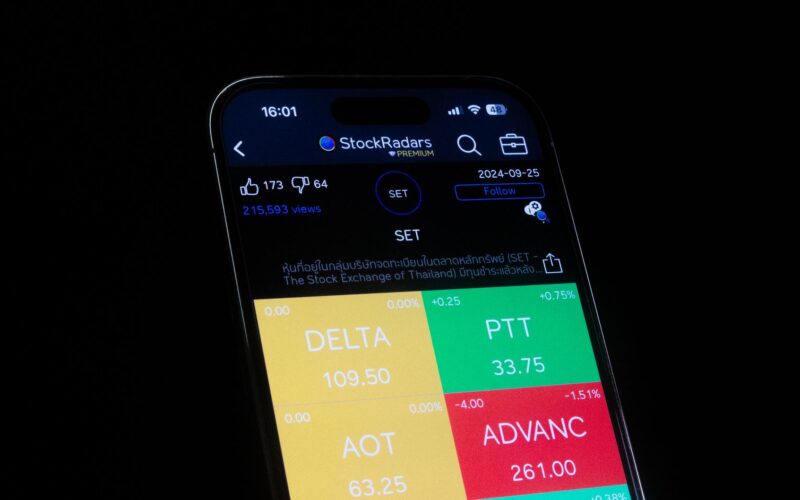



TL;DR: Fear and greed are primal emotions that significantly impact trading decisions, often leading to suboptimal outcomes like buying high during greed or selling low during fear; managing these emotions through a disciplined approach and objective analysis is key to navigating the Indian stock market effectively.
Key Stats at a Glance:
- Indian retail investor participation has surged by over 300% in the last five years.
- The Nifty 50 index has seen an average annual return of approximately 12% over the last decade.
- Over 60% of retail traders report experiencing significant emotional stress due to market fluctuations.
- A study by the National Institute of Securities Markets (NISM) indicates behavioural biases often lead to poor investment choices.
- Market volatility, measured by the India VIX, can swing by over 30% within short periods.
Understanding the Fear and Greed Cycle
The fear and greed cycle is a fundamental concept in market psychology, describing the two dominant emotions that influence investor behaviour and drive market trends, often leading to overreactions.
In the Indian stock market, like any other, investors are constantly influenced by two potent, often opposing, emotions: fear and greed. Greed drives investors to chase potential high returns, leading to speculative buying and pushing asset prices upwards, often beyond their intrinsic value. Conversely, fear grips investors during market downturns or periods of uncertainty, prompting panic selling and driving prices down, frequently below fair valuation. This cyclical nature of emotions can create significant volatility and lead to irrational decision-making, impacting portfolio performance. Recognizing these emotional drivers is the first step towards cultivating a more disciplined and rational approach to trading.
What is Market Greed?
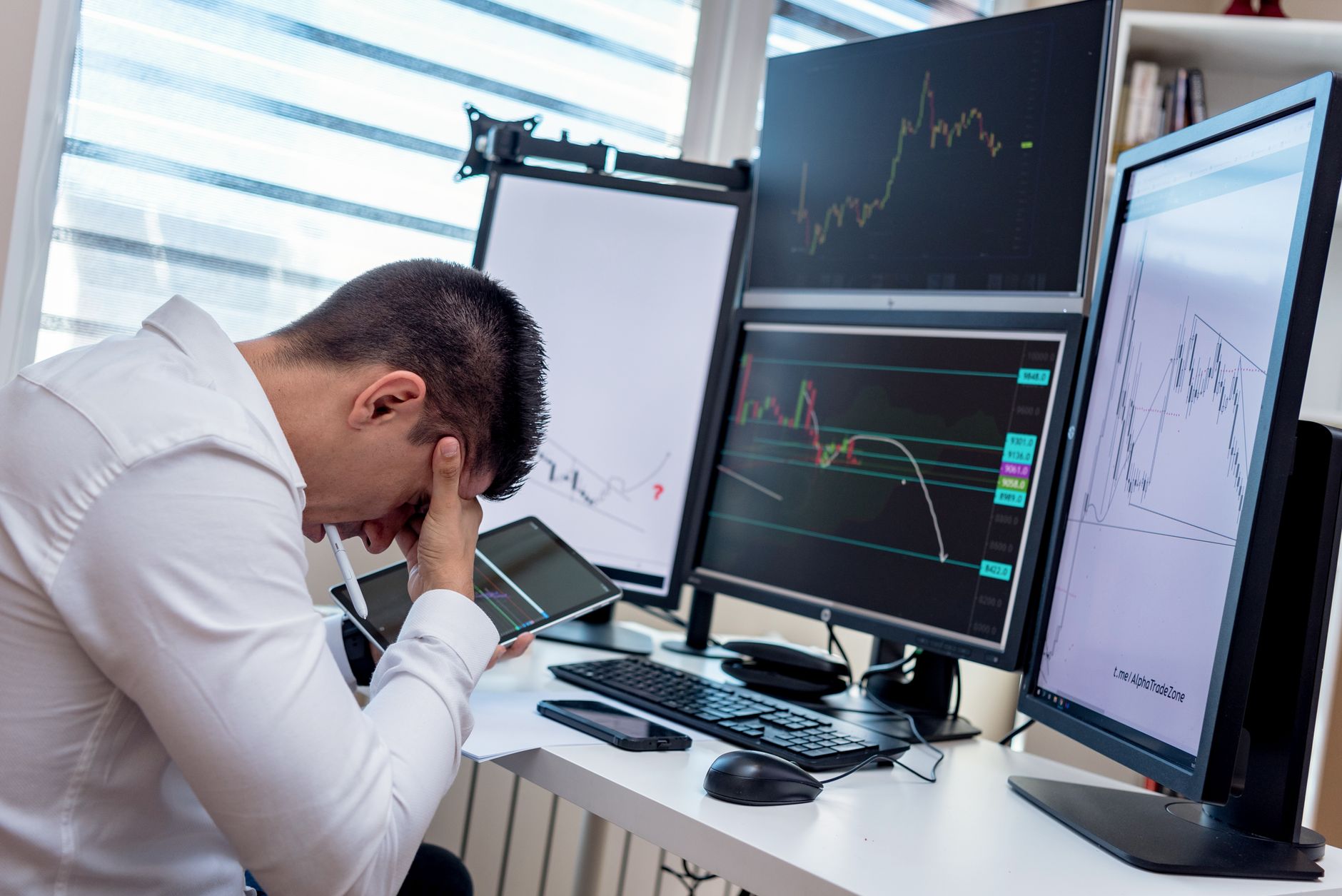
Market greed is the excessive desire for wealth and rapid gains, leading investors to take on excessive risk and chase rising asset prices without adequate due diligence.
When greed takes hold, investors often ignore warning signs, driven by the fear of missing out (FOMO) on potential profits. This can manifest as buying into overvalued stocks, participating in speculative bubbles, or increasing leverage beyond prudent limits. In India, during periods of strong bull runs, we often see retail participation surge, with many new investors entering the market, eager to profit from the upward momentum, sometimes without fully understanding the underlying risks.
What is Market Fear?
Market fear is the intense anxiety and panic that grips investors during market declines or periods of uncertainty, leading to impulsive selling and risk aversion.
Fear causes investors to flee to safety, often selling profitable positions prematurely or exiting the market altogether at the worst possible time – near the bottom. This can lead to significant capital erosion. Events like global economic crises, domestic political instability, or unexpected regulatory changes can trigger widespread fear in the Indian markets, causing sharp sell-offs across sectors.
How Greed Impacts Your Portfolio
Greed can lead to poor investment decisions such as chasing overvalued stocks, taking on excessive leverage, and neglecting diversification, ultimately jeopardising portfolio health.
The lure of quick, substantial profits can blind even seasoned investors. A greedy investor might ignore the fundamental analysis of a company, focusing solely on its recent price momentum. This can lead to buying stocks at inflated prices, making them vulnerable to sharp corrections. For instance, investing heavily in a single, rapidly rising penny stock driven purely by hype, without considering its underlying business performance, is a classic manifestation of greed. Such actions often result in substantial losses when the sentiment inevitably shifts.
Chasing Momentum
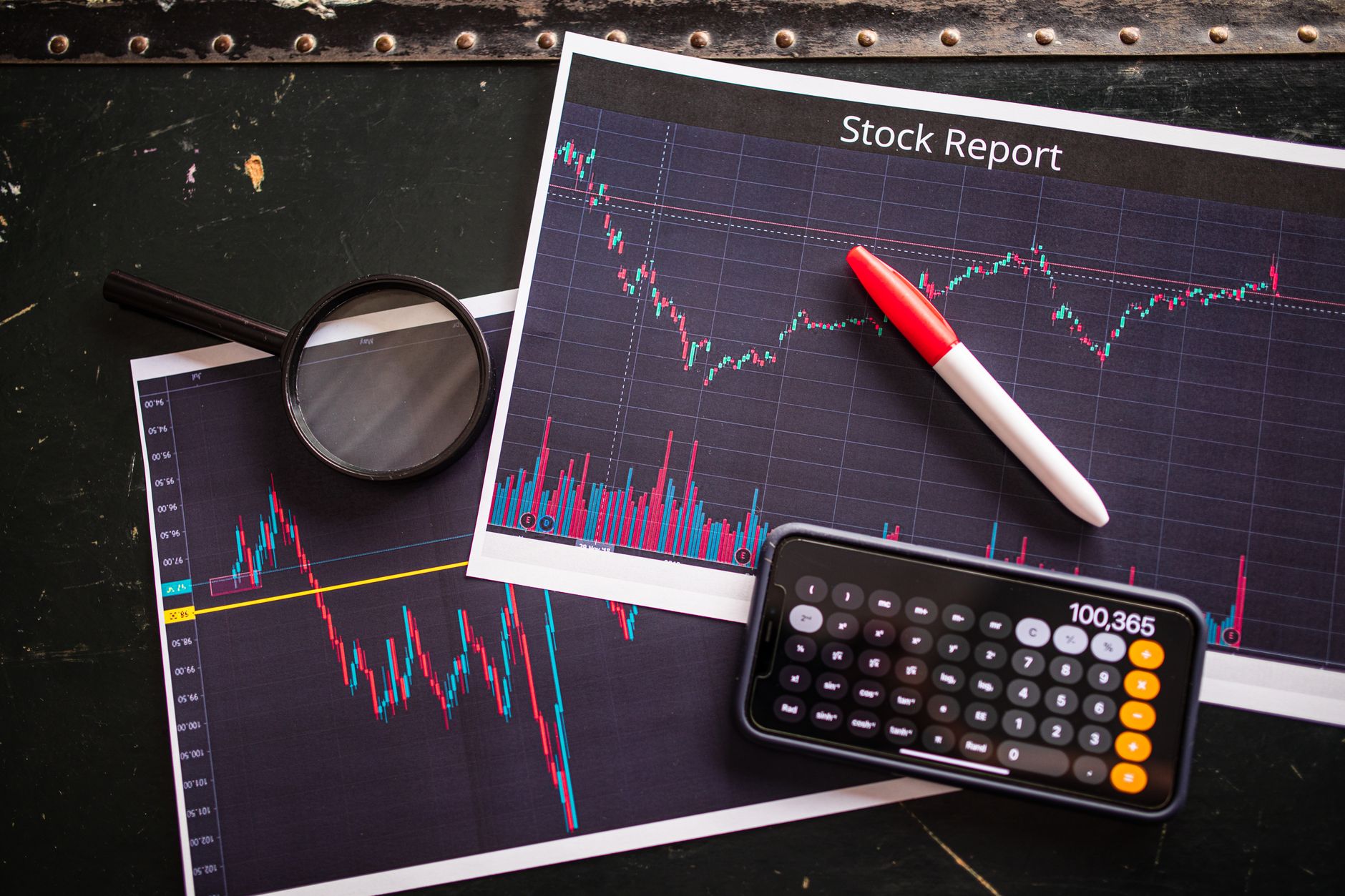
A common pitfall of greed is chasing stocks that have already experienced significant price increases, driven by the belief they will continue to rise indefinitely.
Excessive Leverage
Greed can also tempt investors to use high leverage (borrowed funds) to amplify potential returns, dramatically increasing their risk of substantial losses.
How Fear Impacts Your Portfolio
Fear can lead to panic selling at market bottoms, missing out on subsequent recoveries, and a general aversion to taking calculated risks necessary for growth.
When fear dominates, investors tend to make decisions based on emotion rather than logic. Selling a well-researched stock simply because the market is falling, without reassessing its long-term prospects or the company’s fundamentals, is a common fear-driven mistake. This often locks in losses and prevents investors from participating in the eventual market rebound. Many investors who exited the market in March 2020, during the initial COVID-19 panic, missed out on the subsequent strong recovery of the Nifty 50 and other indices.
Panic Selling
The most damaging impact of fear is panic selling, where investors sell assets indiscriminately during market downturns, crystallising losses.
Loss of Opportunity
Fear can make investors overly cautious, causing them to miss out on attractive investment opportunities that arise during market corrections.
Strategies to Manage Fear and Greed
Effective management of fear and greed relies on a combination of a well-defined investment plan, disciplined execution, and emotional detachment from short-term market fluctuations.
Navigating the emotional rollercoaster of the stock market requires conscious effort and robust strategies. By adopting a systematic approach, investors can mitigate the detrimental effects of fear and greed. This involves setting clear financial goals, defining risk tolerance, and sticking to an investment strategy, regardless of market noise. Tools like the Finovatives’ Trend Traders Tool can help maintain objectivity by providing data-driven insights, reducing reliance on gut feelings.
Develop a Trading Plan
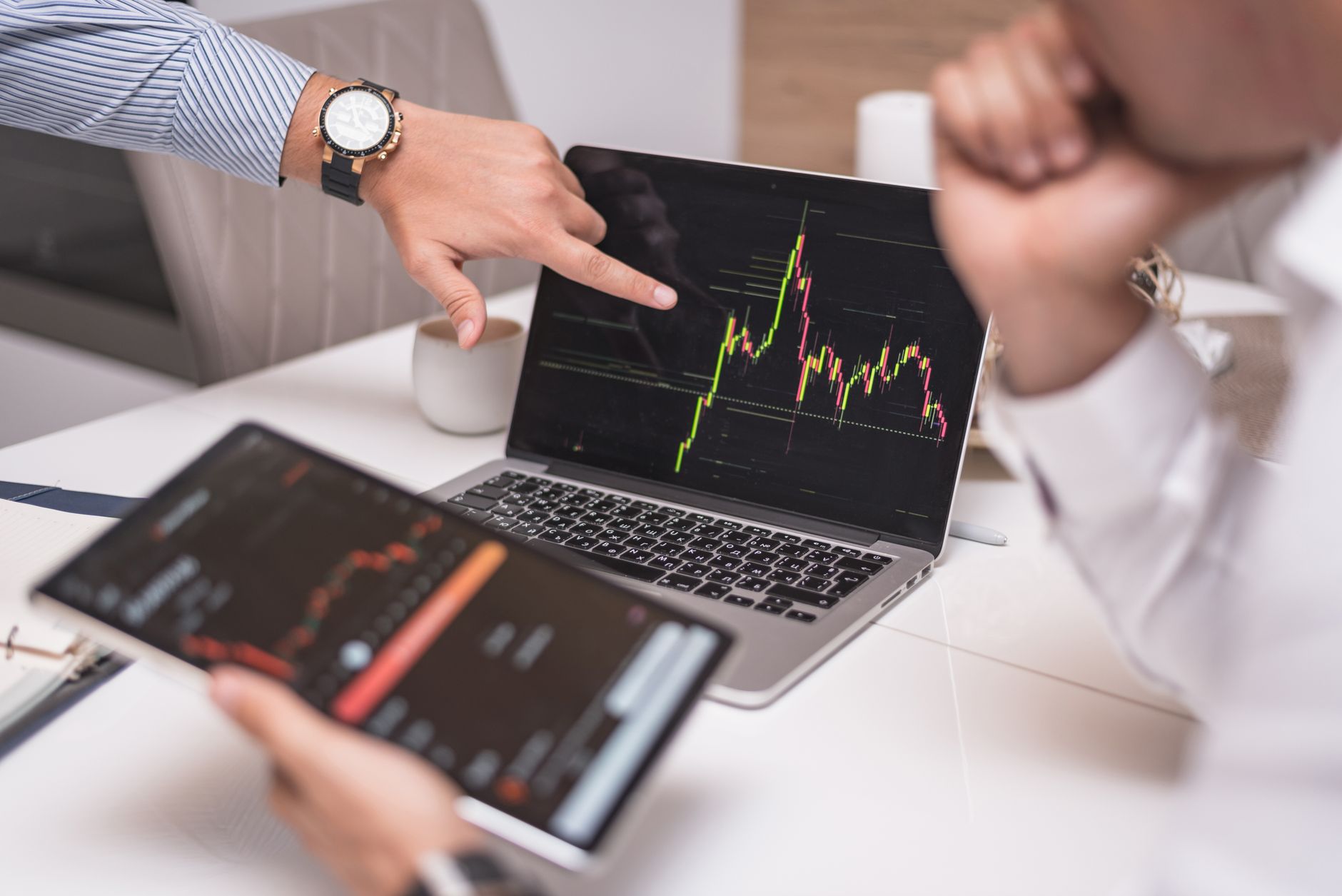
A well-defined trading or investment plan acts as a roadmap, guiding decisions and preventing impulsive actions driven by emotions.
Your plan should include entry and exit criteria, risk management rules (like stop-losses), and position sizing. Having this framework documented and adhering to it strictly helps maintain discipline. For example, deciding beforehand that you will exit a stock if it falls by 10% from your purchase price removes the emotional burden of making that decision in the heat of the moment.
How to Create and Stick to a Trading Plan:
- Define your investment goals (e.g., wealth creation, income generation, capital preservation).
- Determine your risk tolerance and investment horizon (short-term, medium-term, long-term).
- Research and select assets based on fundamental and technical analysis, not just market sentiment.
- Set specific entry and exit points for each trade or investment, including stop-loss levels.
- Determine the appropriate position size for each investment based on your risk management rules.
- Regularly review and rebalance your portfolio, but avoid frequent changes based on short-term market noise.
- Stay informed about market news but filter information through your pre-defined strategy.
- Seek professional advice if you struggle with emotional discipline.
Practice Diversification
Spreading investments across different asset classes, sectors, and geographies reduces the impact of any single investment’s poor performance on the overall portfolio.
Diversification is a cornerstone of risk management. Instead of putting all your capital into one stock or sector, especially one that’s currently booming due to greed, spread it across various avenues. For instance, an investor might allocate funds to large-cap stocks, mid-cap stocks, a portion in bonds or gold, and perhaps international equities. This way, if one part of the portfolio suffers due to unforeseen events or a sector-specific downturn, other parts may perform well, cushioning the blow and preventing panic.
Set Realistic Expectations
Understanding that market returns are not always linear and setting achievable profit targets prevents disappointment and impulsive decisions.
Greed often stems from unrealistic expectations of quick riches. By acknowledging that wealth creation is a gradual process and that markets experience cycles of ups and downs, investors can temper their desires. Aiming for consistent, sustainable returns over the long term is more practical than expecting exponential gains overnight. This mindset helps in avoiding speculative bets and sticking to a sound investment strategy.
Focus on Long-Term Goals
Maintaining a focus on your ultimate financial objectives helps to put short-term market fluctuations into perspective.
When the market becomes volatile, and fear or greed starts to influence decisions, reminding yourself of your long-term financial goals – whether it’s retirement, buying a house, or funding education – can provide a crucial anchor. This long-term perspective encourages patience and discourages impulsive reactions to market noise. It reinforces the idea that short-term dips are often temporary and that quality assets tend to recover and grow over time.
Automate Your Investments
Using tools or strategies that automate investment decisions, like systematic investment plans (SIPs), can remove emotional biases.
For instance, investing a fixed amount regularly through a Systematic Investment Plan (SIP) in mutual funds, as recommended by AMFI, automatically averages out your purchase cost over time and removes the need for market timing – a decision often clouded by fear or greed. Similarly, setting up pre-defined buy/sell orders or using automated trading platforms can help execute a strategy objectively.

Seek Objective Information
Relying on data, fundamental analysis, and credible financial news sources, rather than rumours or social media hype, is essential for rational decision-making.
In the age of instant information, it’s easy to get swayed by sensational headlines or unverified tips. It’s crucial to develop a habit of consulting reliable sources like reports from NSE and BSE, SEBI guidelines, and reputable financial news outlets. Understanding the intrinsic value of a company through its financial statements and management quality, rather than just its daily price movement, provides a more stable basis for investment decisions.
Utilizing Tools for Emotional Discipline
Financial tools and indicators can provide objective data, helping traders and investors make decisions based on logic rather than fleeting emotions.
Several tools can aid in maintaining emotional discipline. Technical indicators can signal potential trend reversals or continuations, providing objective buy or sell signals that override emotional impulses. For example, using a reliable TradingView indicator can help identify support and resistance levels, allowing for more calculated entry and exit points. Sentiment indicators, like the Fear and Greed Index, can also provide a gauge of market psychology, helping investors to potentially counter-trend when emotions become extreme.
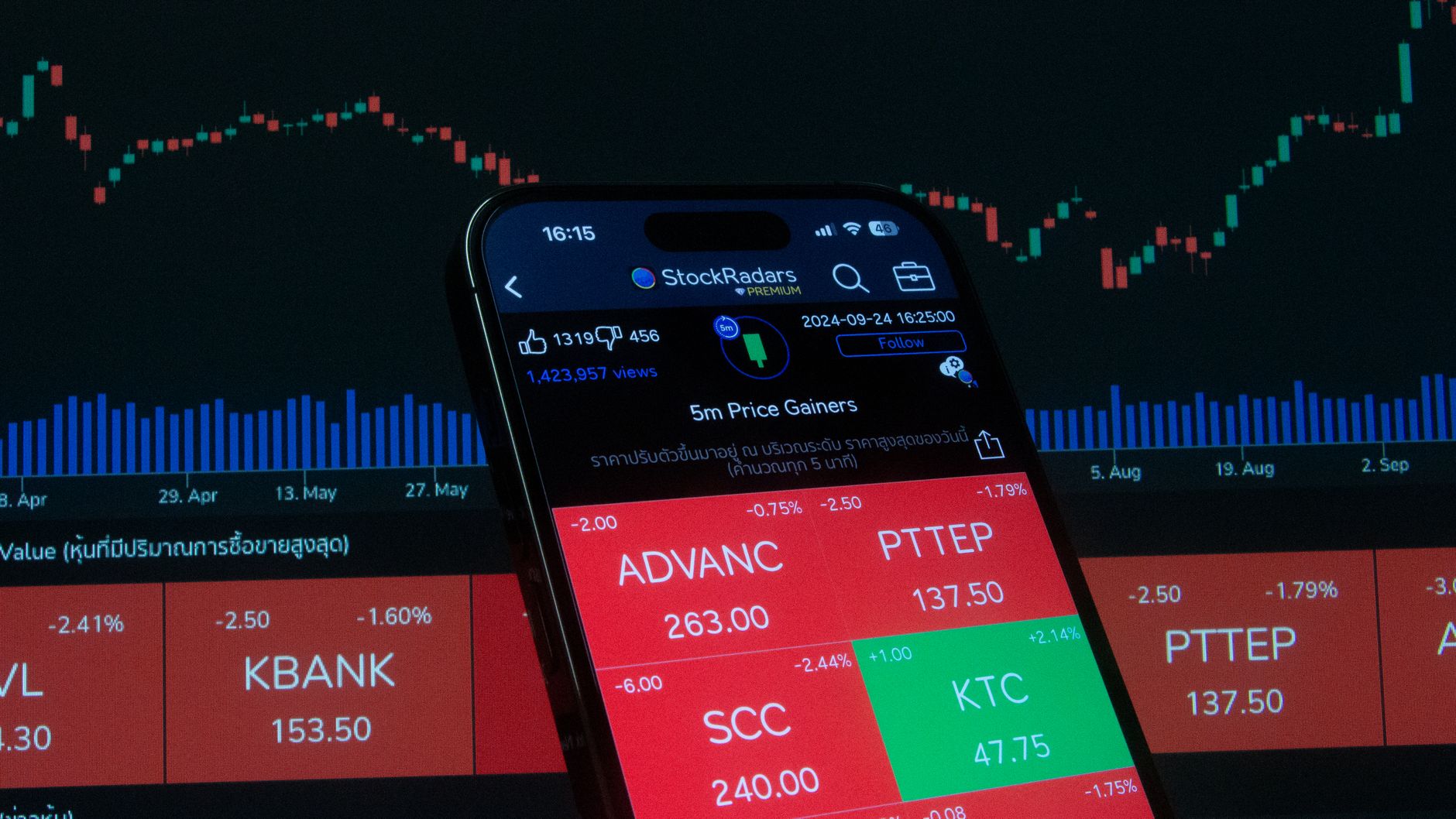
The Fear and Greed Index
This index gauges market sentiment by analysing various factors, helping traders understand if the market is excessively fearful or greedy.
While not directly available for Indian markets in a single, consolidated official index like the CNN Fear & Greed Index for the US, one can create a proxy by observing VIX levels (India VIX), market breadth, news sentiment, and put-call ratios. Extreme readings on these indicators can signal potential market turning points. For instance, a very low VIX coupled with extremely high market participation might suggest excessive greed, while a spiking VIX and widespread panic selling could indicate extreme fear, potentially presenting buying opportunities for disciplined investors.
Technical Analysis Tools
Indicators like Moving Averages, RSI, and MACD offer objective signals that can help traders make rational decisions, reducing emotional interference.
These tools help in identifying trends, momentum, and potential reversal points based on historical price and volume data. For example, if a stock’s price crosses above its 200-day moving average, a technical analyst might see this as a bullish signal, irrespective of any prevailing market fear. Conversely, using an RSI value below 30 might suggest an oversold condition, presenting a potential buying opportunity during a fearful market, independent of the panic.
Frequently Asked Questions
What is the primary driver of stock market volatility?
Stock market volatility is primarily driven by the interplay of supply and demand, influenced by economic factors, company performance, global events, and crucially, investor emotions like fear and greed.
How can I prevent emotional trading?
Prevent emotional trading by creating and sticking to a detailed trading plan, diversifying your portfolio, setting realistic expectations, focusing on long-term goals, and utilizing objective technical analysis tools.
Is it always bad to feel fear or greed in the market?
No, these emotions are natural. Fear can signal risk, prompting caution, while greed can signal opportunity, encouraging growth. The key is not to eliminate them but to manage their intensity and prevent them from dictating impulsive decisions.
When is the best time to buy stocks during market fear?
The best time is often when fear is at its peak, leading to oversold conditions. However, this requires thorough fundamental analysis to ensure the underlying asset is sound and not fundamentally impaired.
How does diversification help manage fear and greed?
Diversification reduces the impact of any single investment’s poor performance, lessening the emotional panic during downturns (fear) and preventing excessive concentration in one hot stock (greed).
Can a trading tool like the Trend Traders Tool help with emotional discipline?
Yes, tools that provide objective, data-driven insights can help traders stay focused on logic rather than emotion, thereby aiding in emotional discipline by offering clear signals and analysis.
Key Takeaways
- Fear and greed are powerful psychological forces that significantly impact trading decisions, often leading to irrational behaviour.
- Greed can lead to overpaying for assets and taking excessive risks, while fear can result in panic selling at market lows.
- Developing a comprehensive trading plan and adhering to it strictly is crucial for emotional discipline.
- Diversification, realistic expectations, and a long-term focus help mitigate the influence of emotional biases.
- Utilizing objective tools like technical indicators and sentiment gauges can provide data-driven support for trading decisions.
- Understanding and managing these emotions is as important as technical or fundamental analysis for achieving consistent profitability.
Investing in the stock market involves risks, including the potential loss of principal. Consult with a qualified financial advisor before making any investment decisions.




 Finovatives