

TL;DR: Successful trading hinges on emotional control; learn to manage fear, greed, and overconfidence by developing discipline, setting clear rules, and practicing mindfulness to make rational decisions and avoid costly mistakes.
Key Stats at a Glance:
- Estimated 90% of retail traders lose money, with psychology often being the primary reason.
- A study by the University of California, Berkeley, found that emotions can influence trading decisions up to 90% of the time.
- Market volatility in India increased by 15% in 2023 compared to 2022, heightening the need for emotional resilience.
- The average holding period for stocks in India has decreased significantly, suggesting more impulsive trading behaviour.
- SEBI mandates risk disclosure documents for all investment products, highlighting the inherent risks and need for informed decision-making.
What is Trading Psychology?
Trading psychology refers to the study of how traders’ emotions, biases, and cognitive processes impact their decision-making and overall performance in financial markets.
Understanding and managing one’s psychological state is as vital as mastering technical or fundamental analysis for consistent profitability. It’s about recognising that while markets are driven by logic and data, the individuals participating in them are not always rational. Fear can lead to panic selling, greed to excessive risk-taking, and overconfidence to ignoring crucial warning signs. Cultivating a disciplined mindset, where decisions are based on pre-defined strategies rather than fleeting emotions, is the cornerstone of effective trading psychology.
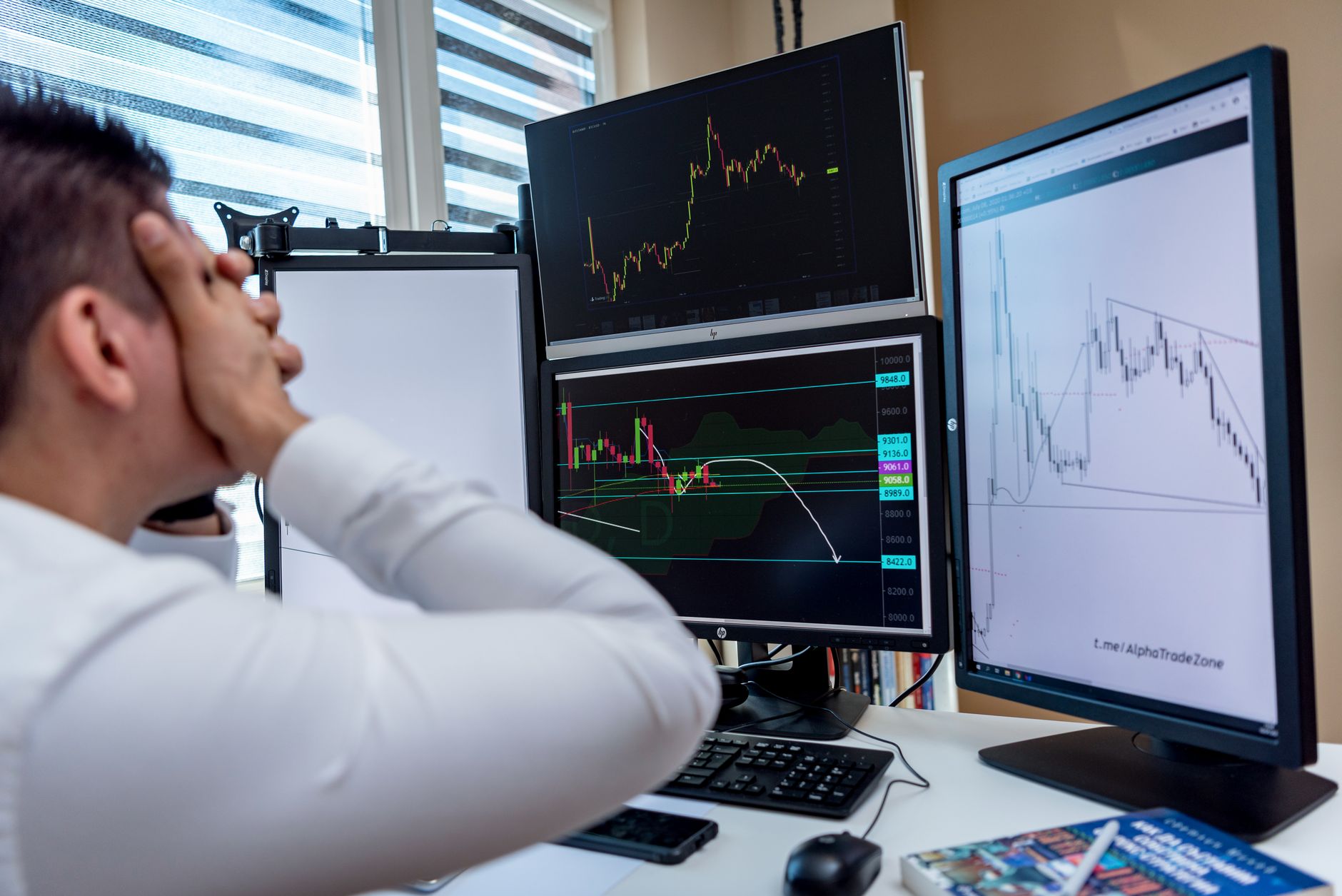
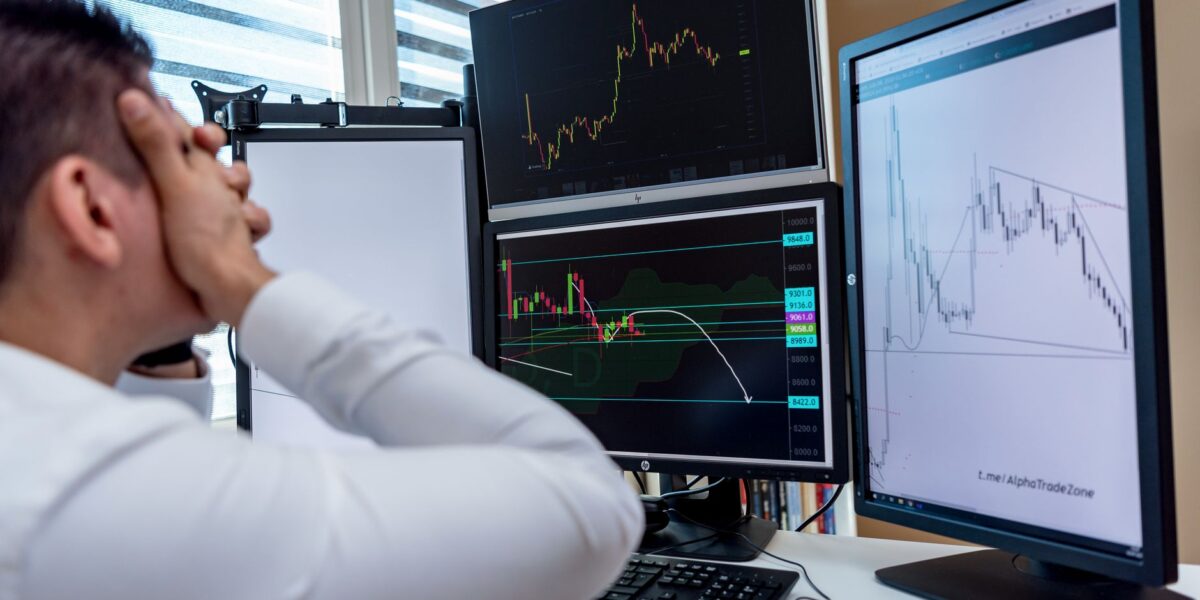
The financial markets, be it the NSE or BSE, are complex ecosystems where human emotions play a significant, often detrimental, role. Retail traders, in particular, are susceptible to psychological pitfalls due to the direct impact of wins and losses on their capital. The thrill of a big win can lead to overconfidence and reckless trading, while a series of losses can breed fear and a reluctance to enter trades, even when setups are favourable. This emotional rollercoaster can derail even the most well-researched trading plans.
How Can Traders Control Their Emotions?
Traders can control their emotions by developing a disciplined approach, adhering to a trading plan, practicing mindfulness, and learning from every trade, both wins and losses.
Achieving emotional control in trading is not about eliminating emotions entirely—that’s impossible. Instead, it’s about recognising them, understanding their triggers, and preventing them from dictating actions. This involves a multi-faceted approach focusing on preparation, execution, and review. By building a robust mental framework, traders can navigate the inherent volatility and uncertainty of markets with greater equanimity, leading to more consistent and profitable outcomes.
The Role of Fear and Greed
Fear and greed are arguably the two most powerful emotions influencing trading decisions. Fear of missing out (FOMO) can drive impulsive entries, while the fear of losing capital can lead to premature exits or holding onto losing positions for too long. Greed, conversely, can manifest as over-leveraging, chasing unrealistic profits, or refusing to take profits when a trade is performing well, ultimately leading to reversals.
Overcoming Overconfidence and Impatience
Overconfidence, often a byproduct of a winning streak, can lead traders to take on excessive risk or deviate from their established strategies. Impatience, on the other hand, can result in entering trades prematurely, before all criteria are met, or exiting winning trades too soon, missing out on potential gains. Both are detrimental to long-term success.
The Power of a Trading Plan
A well-defined trading plan acts as a psychological anchor. It outlines entry and exit criteria, risk management rules (like stop-loss and take-profit levels), and position sizing. When emotions run high, referring back to the trading plan provides a rational basis for decisions, helping to prevent impulsive actions driven by fear or greed. The discipline to follow this plan, even when it feels uncomfortable, is paramount.

Mindfulness and Emotional Regulation
Mindfulness techniques, such as meditation and deep breathing exercises, can significantly improve emotional regulation. By becoming more aware of their internal state, traders can learn to observe their emotions without immediately reacting to them. This pause allows for a more rational assessment of the situation and a decision based on strategy, not impulse.
How to Build a Resilient Trading Mindset
Building a resilient trading mindset involves consistent practice, self-awareness, and a commitment to learning from both successes and failures, reinforced by a structured approach to trading.
The journey to a resilient trading mindset is ongoing. It requires dedication to self-improvement and a willingness to confront one’s own psychological weaknesses. Think of it as training for a marathon; consistent effort, strategic planning, and mental fortitude are key. Each trading day presents an opportunity to practice and reinforce these mental muscles, gradually building the capacity to handle market pressures effectively.
- Define Your Trading Strategy Clearly: Before entering any trade, ensure you have a well-documented strategy with specific entry and exit rules based on technical or fundamental analysis.
- Set Strict Risk Management Rules: Determine your maximum acceptable loss per trade (e.g., 1-2% of capital) and stick to it religiously. Use stop-loss orders to enforce this.
- Keep a Trading Journal: Document every trade, including your rationale, emotions felt, and the outcome. Review this journal regularly to identify patterns in your psychological responses.
- Practice Detachment from Outcomes: Focus on executing your strategy correctly rather than obsessing over individual trade profits or losses. Treat each trade as a single event within a larger probabilistic game.
- Embrace Losses as Learning Opportunities: Understand that losses are an inevitable part of trading. Analyse what went wrong without self-recrimination and use the insights to improve future decisions.
- Take Breaks and Manage Stress: Recognize when you are feeling overwhelmed or emotionally drained. Step away from the screen, engage in non-trading activities, and ensure adequate rest.
- Seek Feedback and Mentorship: Discuss your trading and emotional experiences with trusted peers or mentors who can offer objective perspectives and guidance.
- Visualize Success: Mentally rehearse successful trade execution, focusing on sticking to your plan and managing emotions effectively.
Common Psychological Biases in Trading
Traders often fall prey to various cognitive biases that cloud judgment, leading to irrational decision-making and suboptimal trade execution.
Awareness of these biases is the first step towards mitigating their impact. By understanding how these mental shortcuts can distort perception and lead to errors, traders can develop strategies to counteract them. For instance, confirmation bias might lead a trader to seek only information that supports their existing trade idea, ignoring contradictory evidence. Recognising this tendency allows for a more balanced evaluation of all available data.
Confirmation Bias
This is the tendency to search for, interpret, favour, and recall information in a way that confirms one’s pre-existing beliefs or hypotheses. In trading, it means a trader might only look for news or analysis that supports their decision to buy or sell, ignoring anything that suggests otherwise.
Anchoring Bias
Traders may become ‘anchored’ to a particular price level (e.g., the purchase price) and base their subsequent decisions on this anchor, even when market conditions change. This can lead to holding onto losing trades too long, hoping the price will return to the ‘anchor’ point.
Hindsight Bias
Also known as the ‘I-knew-it-all-along’ effect, this bias makes people believe, after an event has occurred, that they would have predicted or expected the outcome. It can lead to overconfidence and a failure to adequately prepare for future uncertainties.

Loss Aversion
This bias describes the tendency to prefer avoiding losses over acquiring equivalent gains. The pain of losing ₹100 is felt more intensely than the pleasure of gaining ₹100. This can lead traders to be overly cautious, missing profitable opportunities, or to hold onto losing positions in the hope of avoiding a realised loss.
How to Implement Trading Psychology Techniques
Implementing trading psychology techniques involves integrating self-awareness, discipline, and structured processes into your daily trading routine, with a focus on consistent application.
Making these techniques a part of your trading DNA requires consistent effort and a commitment to self-improvement. It’s not a one-time fix but an ongoing process of refinement. Start small, focus on one or two techniques at a time, and gradually build them into your trading habits. The goal is to create an environment where rational decision-making becomes the norm, irrespective of market noise or personal emotional fluctuations.
- Start with Self-Assessment: Honestly evaluate your emotional triggers and common biases. Identify situations that cause you to feel fear, greed, or overconfidence.
- Develop a Pre-Trade Routine: Establish a ritual before each trading session that helps you clear your mind, review your plan, and set a focused, rational mindset.
- Practice Delayed Gratification: Resist the urge to jump into every perceived opportunity. Wait for setups that perfectly match your strategy, even if it means missing some minor moves.
- Use a Trading Journal Religiously: As mentioned, consistently log your trades and your emotional state. This feedback loop is critical for identifying and correcting psychological errors.
- Simulate and Practice: Use a demo account or paper trading to practice applying your trading plan and emotional control techniques without risking real capital.
- Seek Objective Feedback: Share your journal entries or discuss your trades with a mentor or trading buddy who can provide an unbiased perspective.
- Celebrate Discipline, Not Just Profits: Acknowledge and reward yourself for sticking to your plan and managing emotions effectively, even if a particular trade wasn’t profitable.
Frequently Asked Questions
What is the biggest emotional challenge for traders?
The biggest emotional challenges are typically fear (of loss) and greed (for profit), which often lead to impulsive decisions, deviating from trading plans, and poor risk management.
How can I stop making impulsive trades?
Stop impulsive trades by having a clear trading plan, setting strict entry/exit rules, using stop-loss orders, and practicing mindfulness to create a pause before executing any trade.
Is it possible to completely eliminate emotions from trading?
No, it’s not possible or even desirable to eliminate emotions entirely. The goal is to manage them effectively, recognise their influence, and ensure they don’t override rational, strategy-based decision-making.
How does a trading journal help with psychology?
A trading journal helps by providing a record of your trades, including your emotional state and rationale. Reviewing it reveals patterns of emotional decision-making, allowing you to identify and correct psychological biases.
What is the role of discipline in trading psychology?
Discipline is the cornerstone. It’s the ability to consistently follow your trading plan and risk management rules, even when emotions like fear or greed urge you to deviate.
Can beginners focus on trading psychology from day one?
Yes, beginners absolutely should focus on trading psychology from day one. It’s often more critical for long-term survival and success than technical skills alone.
Key Takeaways:
- Emotional control is paramount for consistent trading success, often more so than technical expertise.
- Fear and greed are primary drivers of irrational trading decisions, leading to potential losses.
- A well-defined trading plan and strict risk management rules serve as essential psychological anchors.
- Mindfulness and self-awareness are crucial tools for recognising and managing emotional responses in real-time.
- Common cognitive biases like confirmation bias and loss aversion can significantly impair judgment.
- Consistent practice, journaling, and learning from every trade are vital for building a resilient trading mindset.
- Focus on the process and discipline, not just the outcome of individual trades.
Disclaimer: Trading in stock markets involves inherent risks. Please consult with a registered investment advisor before making any investment decisions.


 Finovatives