



TL;DR: Indian investors often fall prey to cognitive biases like overconfidence, herd mentality, and loss aversion, leading to poor financial decisions and reduced returns; recognizing and actively counteracting these psychological traps through disciplined strategies is key to successful investing.
Key Stats at a Glance:
- Nifty 50’s average annual volatility: ~15-20%
- Average retail investor participation in Indian equity markets: growing, with millions of new accounts opened annually.
- Over 70% of retail traders in equity futures & options incur losses, often exacerbated by behavioural biases.
- SEBI mandated disclosures for mutual funds aim to improve investor awareness by over 85%.
- A study by the Indian Institute of Management Ahmedabad found significant behavioural influences on Indian stock market anomalies.
What are Cognitive Biases in Investing?
Cognitive biases are systematic patterns of deviation from norm or rationality in judgment, acting as mental shortcuts that can lead to flawed decision-making, particularly in complex and uncertain environments like the stock market.
Common Cognitive Biases Hurting Indian Investors
The Indian stock market, with its unique dynamics and growing retail participation, presents fertile ground for cognitive biases to influence investor behaviour. These psychological tendencies, often unconscious, can lead to decisions that deviate from rational financial planning, ultimately impacting portfolio performance. Understanding these biases is the first step towards mitigating their detrimental effects.
1. Overconfidence Bias
Overconfidence bias is the tendency for investors to overestimate their knowledge, abilities, and the accuracy of their predictions. In India, this is frequently observed among new traders who, after a few successful trades, believe they have mastered the market. They might take on excessive risk, ignore diversification, or trade too frequently, believing they can consistently beat market trends. This often leads to significant losses when the market inevitably moves against their favoured positions.
2. Herd Mentality (Bandwagon Effect)
Herd mentality describes the tendency for individuals to mimic the actions of a larger group. In Indian markets, this is evident when a stock or sector experiences a sharp run-up, attracting a flood of retail investors who buy simply because everyone else is buying, fearing they’ll miss out (FOMO). This often leads to buying at the peak of a price bubble and selling during panic-driven declines, as investors follow the crowd rather than their own analysis. The speculative frenzies in certain small-cap or penny stocks often exemplify this bias.
3. Loss Aversion
Loss aversion is the psychological phenomenon where the pain of losing is felt more intensely than the pleasure of an equivalent gain. Indian investors often exhibit this by holding onto losing stocks for too long, hoping they will recover, while quickly selling winning stocks to book small profits. This behaviour prevents them from cutting losses effectively and allows small unrealised losses to snowball into significant realised ones. It also means they might miss out on substantial gains from stocks that continue to rise.

4. Confirmation Bias
Confirmation bias is the tendency to search for, interpret, favour, and recall information in a way that confirms one’s pre-existing beliefs or hypotheses. An Indian investor might selectively read news or analyst reports that support their positive view of a particular stock, while ignoring or downplaying negative information. This reinforces their initial decision, even if it’s becoming increasingly flawed, making objective re-evaluation difficult.
5. Anchoring Bias
Anchoring bias occurs when investors rely too heavily on the first piece of information offered (the ‘anchor’) when making decisions. For instance, an investor might fixate on the purchase price of a stock, using it as a benchmark for future decisions. If a stock was bought at ₹100, they might consider it ‘cheap’ at ₹80 even if its fundamentals have deteriorated, or ‘expensive’ at ₹120 even if its growth prospects justify it. This prevents objective valuation based on current market conditions and company performance.
How to Combat Cognitive Biases in Your Investing Strategy
Mitigating cognitive biases requires conscious effort and disciplined adherence to a well-defined investment strategy. It’s not about eliminating emotions entirely, but about managing them and ensuring they don’t dictate financial decisions. Implementing a systematic approach can help create a psychological buffer against these inherent human tendencies.
- Develop a Clear Investment Plan: Define your financial goals, risk tolerance, and investment horizon. A well-documented plan acts as a rational guide, reducing impulsive decisions driven by short-term market noise.
- Automate Investment Decisions: Utilize tools or set pre-defined rules for buying and selling. For example, set strict stop-loss levels or pre-determine entry and exit points based on technical indicators or valuation metrics. Consider using a reliable TradingView indicator to help automate these signals.
- Practice Diversification: Spread your investments across different asset classes, sectors, and geographies. Diversification inherently reduces the impact of any single bad investment decision, mitigating the pain of loss aversion.
- Keep a Trading Journal: Document every trade, including the rationale behind it, your expectations, and the eventual outcome. Regularly reviewing this journal helps identify patterns of biased behaviour and provides objective data for learning.
- Seek Diverse Opinions: Actively look for viewpoints that challenge your own assumptions. Discuss your investment ideas with trusted advisors or peers who offer a different perspective, counteracting confirmation bias.
- Focus on Long-Term Goals: Remind yourself of your long-term objectives during periods of market volatility. This perspective helps to temper emotional reactions to short-term price swings, reinforcing rational decision-making.
- Educate Yourself Continuously: Stay informed about market trends, economic indicators, and behavioural finance principles. Knowledge builds confidence, but more importantly, it provides a framework for objective analysis, reducing reliance on gut feelings.

The Role of Market Regulators and Platforms
Regulatory bodies like SEBI (Securities and Exchange Board of India) play a crucial role in investor protection. Through stringent disclosure norms, investor awareness programs, and guidelines for market intermediaries, SEBI aims to create a fairer and more transparent market. Platforms like Finovatives.com also contribute by providing sophisticated tools and data insights, empowering traders to make more informed decisions, potentially helping them to recognise and avoid common biases.
Case Studies: Indian Market Examples
Consider the speculative rally in certain infrastructure or renewable energy stocks in 2021-2022. Many retail investors, influenced by herd mentality and confirmation bias fueled by positive news cycles, piled into these stocks at their peaks. When regulatory scrutiny or market conditions changed, leading to sharp corrections, these investors faced significant losses, often holding on due to loss aversion. Conversely, disciplined investors who stuck to fundamental analysis and risk management principles were either not involved or exited positions before major downturns.

Emotional Control vs. Emotional Intelligence
It’s important to distinguish between suppressing emotions and managing them. Emotional control might mean trying to ignore fear or greed, which is difficult. Emotional intelligence, in the context of investing, involves recognizing these emotions when they arise, understanding their triggers, and choosing a response based on your pre-defined strategy rather than the immediate emotional impulse. This is a more sustainable approach to overcoming behavioural biases.
The Impact on Different Investor Types
While all investors are susceptible, novice retail investors often bear the brunt of cognitive biases due to less experience and potentially less robust risk management frameworks. However, even seasoned professionals can fall victim. For instance, the ‘winner’s curse’ can affect experienced traders who win bids in IPOs or F&O auctions at prices they later regret, a subtle form of overconfidence or anchoring.
Frequently Asked Questions
What is the most common cognitive bias in Indian stock markets?
Herd mentality and loss aversion are arguably the most prevalent biases among Indian retail investors. The tendency to follow the crowd during market rallies (herd mentality) and the reluctance to book losses (loss aversion) often lead to buying high and selling low.
How can I avoid FOMO (Fear Of Missing Out) in investing?
Combat FOMO by sticking to your investment plan, focusing on your long-term goals, and understanding that market opportunities constantly arise. Diversification also helps, as you’re not solely reliant on one stock or sector performing exceptionally.
Is it possible to completely eliminate cognitive biases?
It is extremely difficult, if not impossible, to completely eliminate cognitive biases, as they are deeply ingrained psychological tendencies. The goal is not elimination, but rather recognition, awareness, and active mitigation through disciplined strategies and tools.
What is the ‘sunk cost fallacy’ in investing?
The sunk cost fallacy is closely related to loss aversion. It’s the tendency to continue an endeavour (like holding a losing stock) because one has already invested resources (time, money) into it, even if future prospects are bleak. It’s the idea that you can’t ‘afford’ to cut your losses because you’ve already lost so much.
How do behavioural finance tools help Indian investors?
Behavioural finance tools and concepts help investors identify their own biases. Platforms offering insights into market sentiment, historical price patterns, and analytical indicators can support more objective decision-making, acting as a check against purely emotional responses.
The Importance of a Disciplined Approach
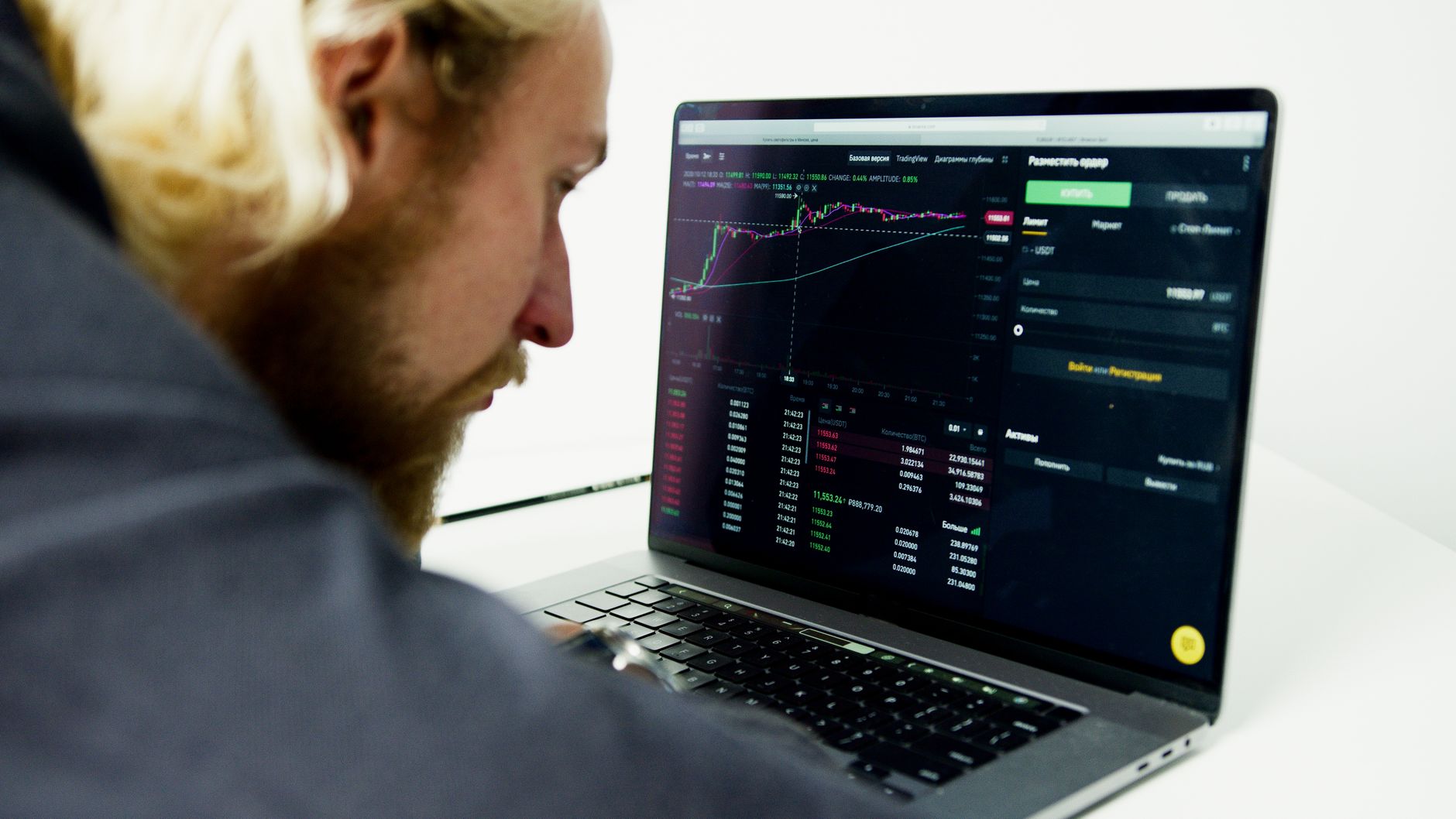
A disciplined approach is the bedrock of successful investing, especially in a dynamic market like India’s. It involves establishing clear rules, sticking to them consistently, and regularly reviewing performance against those rules. This discipline acts as a shield against the emotional swings and irrational decisions often triggered by cognitive biases.
Leveraging Technology for Bias Mitigation
Modern technology offers powerful solutions. Algorithmic trading, backtesting tools, and advanced charting platforms like those integrated with TradingView can help enforce discipline. For instance, setting automated stop-losses or profit targets based on objective criteria prevents emotional interference during volatile market movements. Tools like Finovatives’ Trend Traders Tool can provide objective trend signals, reducing reliance on gut feelings.
Continuous Learning and Adaptation
The market landscape is ever-evolving. Staying informed through continuous learning about both market fundamentals and behavioural finance is crucial. Adapting strategies based on new information and self-awareness of biases, rather than reacting impulsively to market noise, is the hallmark of a resilient investor.

Key Takeaways
- Cognitive biases are systematic errors in thinking that significantly impact investment decisions, often leading to suboptimal outcomes for Indian investors.
- Common biases include overconfidence, herd mentality, loss aversion, confirmation bias, and anchoring, all of which can lead to poor trading and investment choices.
- Recognizing these biases in oneself is the first critical step towards mitigating their effects and fostering rational decision-making.
- A well-defined investment plan, diversification, keeping a trading journal, and seeking diverse opinions are effective strategies to combat behavioural pitfalls.
- Regulatory bodies like SEBI and technological platforms play a role in enhancing investor awareness and providing tools for more informed, disciplined investing.
- Emotional intelligence, rather than strict emotional control, is key to managing psychological influences in the market.
- Adopting a disciplined, long-term approach and continuously educating oneself are vital for navigating the complexities of the Indian stock market and achieving financial goals.
Disclaimer: Investments in the stock market are subject to market risks. Read all related documents carefully before investing. The information provided here is for educational purposes only and does not constitute financial advice.





 Finovatives