



India’s IT Sector: A Beacon of Growth and Opportunity
India’s Information Technology (IT) sector has consistently been a star performer in the Indian stock market, attracting significant attention from both domestic and international investors. Its resilience, innovation, and global reach have cemented its position as a cornerstone of the Indian economy. As we navigate the evolving global economic landscape, understanding the current outlook and identifying top tech stocks to watch becomes paramount for traders and investors aiming to capitalise on this dynamic sector. This article delves into the factors shaping the IT sector’s trajectory, explores promising Indian tech stocks, and offers practical insights for making informed investment decisions on platforms like TradingView.
The Indian IT industry, a significant contributor to the nation’s GDP and export earnings, has a well-established ecosystem. From large-cap IT giants to burgeoning mid-cap and small-cap players, the sector offers a diverse range of investment opportunities. The National Association of Software and Services Companies (NASSCOM) has been instrumental in fostering this growth, advocating for policy reforms and promoting innovation. The recent performance of the Nifty IT index, a benchmark for the sector’s performance on the National Stock Exchange (NSE), often reflects the broader sentiment and underlying strength of these companies.
Factors Driving the IT Sector’s Growth
Several macro and micro-economic factors are currently influencing the IT sector’s outlook in India:
- Digital Transformation: The global push towards digital transformation across industries is a primary growth driver. Companies worldwide are investing heavily in cloud computing, artificial intelligence (AI), machine learning (ML), data analytics, and the Internet of Things (IoT) to enhance efficiency and customer experience. Indian IT firms are at the forefront of providing these services.
- Geopolitical Shifts and Supply Chain Diversification: Global events have highlighted the need for diversified IT service delivery. India, with its vast talent pool and cost-effectiveness, continues to be a preferred destination for IT outsourcing, benefiting from companies looking to de-risk their operations.
- Increased Spending on Technology: Despite global economic uncertainties, companies are prioritising technology investments. This includes areas like cybersecurity, automation, and digital infrastructure upgrades, all of which are core competencies of Indian IT service providers.
- Focus on Cloud and Data Analytics: The migration to cloud platforms and the increasing importance of data-driven decision-making are creating sustained demand for cloud migration, management, and advanced analytics services.
- Emergence of New Technologies: The continuous evolution of technologies like Generative AI, blockchain, and quantum computing presents new avenues for growth and innovation for Indian IT companies, enabling them to offer cutting-edge solutions.

Navigating the Technical Landscape: Indicators for IT Stocks
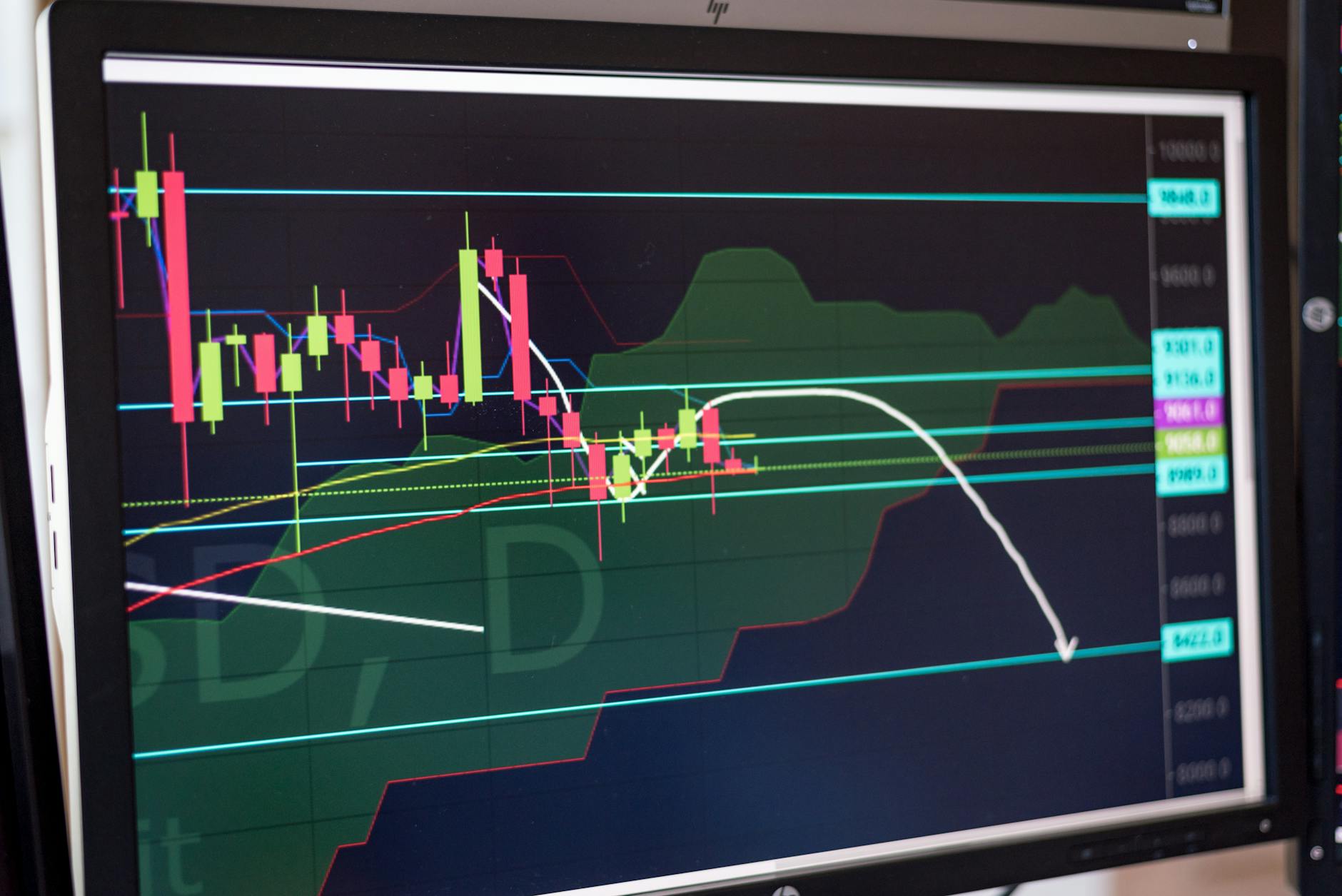
For traders on TradingView, understanding technical indicators can provide valuable insights into the potential price movements of IT stocks. While fundamental analysis is crucial for long-term investing, technical analysis helps in timing entry and exit points, managing risk, and identifying short-to-medium term trends. Here are a few commonly used indicators and concepts relevant to the Indian IT sector:
Moving Averages (MAs)
Moving averages, such as the 50-day Simple Moving Average (SMA) and 200-day SMA, are fundamental tools for identifying trends. When a stock’s price is consistently above its moving averages, it suggests an uptrend. Conversely, trading below these averages can indicate a downtrend. Crossovers, like the 50-day SMA crossing above the 200-day SMA (a ‘golden cross’), are often interpreted as bullish signals, while the opposite (‘death cross’) is seen as bearish. For example, observing the Nifty IT index’s 50-day and 200-day SMAs can give a broader perspective on the sector’s health.
Relative Strength Index (RSI)
The RSI is a momentum oscillator that measures the speed and change of price movements. It oscillates between 0 and 100 and is typically used to identify overbought or oversold conditions. An RSI above 70 is generally considered overbought, suggesting a potential pullback, while an RSI below 30 indicates oversold conditions, signalling a possible rebound. Traders often look for divergences between RSI and price action for potential trend reversals.
Volume Analysis
Volume is the number of shares traded during a specific period. High volume accompanying a price move adds conviction to the trend. For instance, if an IT stock breaks out to a new high on significantly higher volume, it strengthens the bullish signal. Conversely, a price decline on increasing volume can signal strong selling pressure. Monitoring volume patterns can help differentiate genuine breakouts from false ones.
Support and Resistance Levels
These are price levels where a stock has historically shown a tendency to stop falling (support) or stop rising (resistance). Identifying these levels, often found using previous price action, trendlines, or Fibonacci retracements, helps traders set stop-loss orders and profit targets. For instance, if a stock like Infosys has a strong support around ₹1400, a trader might place a stop-loss just below this level.
Top Indian IT Stocks to Watch: A Closer Look
The Indian IT sector is dominated by large-cap players, but mid-cap and small-cap companies are also showing immense potential. Here’s a look at some prominent companies and what makes them noteworthy:
Large-Cap IT Giants
These companies are well-established, have diversified revenue streams, and are often considered safer bets due to their scale and financial stability. They are typically the first movers in adopting new technologies and securing large global contracts.
- Tata Consultancy Services (TCS): As the largest IT services company in India, TCS boasts a diversified portfolio across various industries and a strong global presence. Its consistent revenue growth, robust margins, and focus on digital transformation services make it a perennial favourite. TCS’s ability to secure large deals and its prudent financial management are key strengths.
- Infosys: Another industry titan, Infosys is known for its strong digital capabilities, particularly in cloud, data analytics, and AI. The company has been actively investing in acquiring niche capabilities and expanding its service offerings to meet evolving client needs. Its focus on client relationships and digital transformation initiatives positions it well for future growth.
- Wipro: Wipro has been undergoing a significant transformation under its new leadership, focusing on strategic acquisitions and a sharpened business strategy. Its investments in cloud, digital, and engineering services are aimed at recapturing market share and driving profitable growth.
- HCL Technologies: HCL Tech stands out for its differentiated ‘product-led IT engineering services’ approach. It has been focusing on digital, cloud, and engineering services, often winning deals that require deep technical expertise. Its strong execution and focus on high-growth areas are key positives.
Mid-Cap and Emerging Tech Players
While large caps offer stability, mid-cap IT companies often provide higher growth potential, albeit with relatively higher risk. These companies might have a niche focus or are rapidly expanding their service offerings.
- LTIMindtree: Formed by the merger of L&T Infotech and Mindtree, this entity is now a significant player with a strong focus on digital transformation, cloud, and data analytics. The merged entity benefits from cross-selling opportunities and a broader service portfolio.
- Coforge: Known for its deep domain expertise in specific verticals like banking, financial services, and insurance (BFSI), Coforge has demonstrated strong revenue growth and consistent margin expansion. Its focus on digital transformation and acquisitions has been a key growth driver.
- Persistent Systems: This company has carved a niche in software product engineering and digital transformation services. Its focus on IP-led solutions and strong relationships with global technology providers positions it well in high-growth segments like AI and cloud.

Strategic Considerations for Indian Traders and Investors
Investing in the IT sector requires a strategic approach, considering both the opportunities and the inherent risks. Here are some practical considerations:
Diversification within the Sector
Avoid putting all your capital into a single IT stock. Diversify across large-cap, mid-cap, and even select small-cap IT companies. This helps mitigate risk, as different companies may perform differently based on their specific market focus, client base, and growth strategies.
Monitoring Sector-Specific News and Events
Stay updated with news from NASSCOM, SEBI (Securities and Exchange Board of India) announcements related to listed companies, and global technology trends. Any changes in government policy, global demand for IT services, or significant technological disruptions can impact the sector. For instance, changes in US visa policies or data privacy regulations in Europe can have an effect.
Valuation Metrics
While growth is important, don’t overlook valuations. Metrics like Price-to-Earnings (P/E) ratio, Price-to-Book (P/B) ratio, and Enterprise Value to EBITDA (EV/EBITDA) are crucial. Compare these metrics against industry peers and historical averages. A stock might be growing fast, but if its valuation is excessively high, it could be a risky investment. For example, if TCS trades at a P/E of 35x while its historical average is 25x, it might be considered overvalued, especially if growth prospects have not increased commensurately.

Understanding Currency Fluctuations
A significant portion of Indian IT companies’ revenue comes from exports, primarily denominated in US dollars and Euros. Fluctuations in currency exchange rates can impact their profitability. A weakening Indian Rupee against the USD generally benefits IT exporters, boosting their rupee-denominated revenues and profits. Conversely, a strengthening Rupee can put pressure on margins. Traders should keep an eye on the USD/INR exchange rate.
Risk Management through Position Sizing and Stop-Losses
For active traders, position sizing is critical. Determine how much capital to allocate to each trade based on your risk tolerance and the stop-loss level. Always use stop-loss orders to limit potential downside if a trade moves against you. For example, if you are trading Infosys and set a stop-loss at ₹1350, you commit to exiting the trade if the price falls to that level, limiting your loss to a predefined amount.
Future Trends and Opportunities in the Indian IT Landscape
The future of the Indian IT sector looks promising, with several emerging trends set to drive further growth:
- AI and Generative AI: The rapid adoption of AI and its sub-field, Generative AI, is expected to create significant opportunities. Indian IT firms are investing heavily in developing AI capabilities and integrating them into their service offerings, from customer service automation to software development.
- Cloud-Native Development and Hybrid Cloud: The continued shift towards cloud-native applications and the increasing adoption of hybrid cloud strategies by enterprises will sustain demand for cloud-related services, including migration, management, and security.
- Cybersecurity: As digital footprints expand, so do cyber threats. The demand for robust cybersecurity solutions and services is growing exponentially, creating a significant market for IT companies with strong cybersecurity expertise.
- Data Monetisation and Analytics: Businesses are increasingly looking to leverage their data for insights and competitive advantage. This drives demand for advanced data analytics, business intelligence, and data management solutions.
- Sustainability and ESG Focus: With a growing global emphasis on Environmental, Social, and Governance (ESG) factors, IT companies are increasingly incorporating sustainability into their operations and offerings. This includes developing green IT solutions and improving energy efficiency in data centres.

Challenges to Consider
While the outlook is positive, the sector is not without its challenges:
- Talent Acquisition and Retention: The demand for skilled IT professionals, especially in niche areas like AI and cybersecurity, often outstrips supply, leading to intense competition for talent and rising salary costs.
- Global Economic Slowdown: A significant global economic downturn could lead to reduced IT spending by clients, impacting revenue growth for Indian IT firms.
- Intensifying Competition: The IT services market is highly competitive, with global players and new digital native companies constantly emerging, putting pressure on pricing and market share.
- Regulatory Changes: Evolving data privacy laws (like GDPR, CCPA) and potential changes in immigration policies in key markets can pose challenges.
Key Takeaways
- The Indian IT sector is driven by strong global demand for digital transformation, cloud services, AI, and cybersecurity.
- Key large-cap IT stocks like TCS, Infosys, Wipro, and HCL Tech offer stability and consistent growth, while mid-cap players like LTIMindtree and Coforge present higher growth potential.
- Technical indicators such as Moving Averages, RSI, and Volume analysis can aid traders in timing entry and exit points.
- Diversification, monitoring currency fluctuations (especially USD/INR), understanding valuations, and robust risk management (stop-losses, position sizing) are crucial for successful investing.
- Emerging technologies like AI, cloud-native development, and advanced analytics represent significant future growth opportunities for the sector.
Disclaimer: This article is for educational and informational purposes only and should not be construed as financial advice. Investing in the stock market involves risks, including the potential loss of principal. Past performance is not indicative of future results. Always conduct your own thorough research and consult with a qualified financial advisor before making any investment decisions. The author and Finovatives.com are not liable for any losses incurred from using the information provided.
Frequently Asked Questions
What are the key growth drivers for India's IT sector in 2024?
India's IT sector is driven by global digital transformation, increased spending on cloud, AI, and cybersecurity, and supply chain diversification benefiting Indian IT service providers. The demand for advanced analytics and emerging technologies like Generative AI also fuels growth, creating opportunities for traders on NSE/BSE platforms.
Which Indian IT stocks are considered top picks for traders?
Top IT stocks for traders often include large-cap players like TCS, Infosys, and Wipro, known for their stable performance. Mid-cap and small-cap stocks may offer higher growth potential but come with increased risk. Analysing Nifty IT index trends can help identify promising companies.
How does the global economic outlook impact Indian IT stocks?
While global economic uncertainties can affect IT spending, India's IT sector often shows resilience due to its cost-effectiveness and strong demand for digital transformation services. Geopolitical shifts can even benefit Indian IT firms by encouraging supply chain diversification, supporting NSE/BSE listed companies.
What is the role of NASSCOM in the Indian IT sector?
NASSCOM plays a crucial role in fostering growth for India's IT sector by advocating for policy reforms, promoting innovation, and supporting the ecosystem. Their initiatives help strengthen the competitiveness of Indian IT companies listed on BSE and NSE.
Where can I find real-time data and charts for Indian IT stocks?
Traders can access real-time data, charts, and technical analysis tools for Indian IT stocks on platforms like TradingView, which provides comprehensive coverage of NSE and BSE listed companies. This allows for informed trading decisions based on current market trends.






 Finovatives