


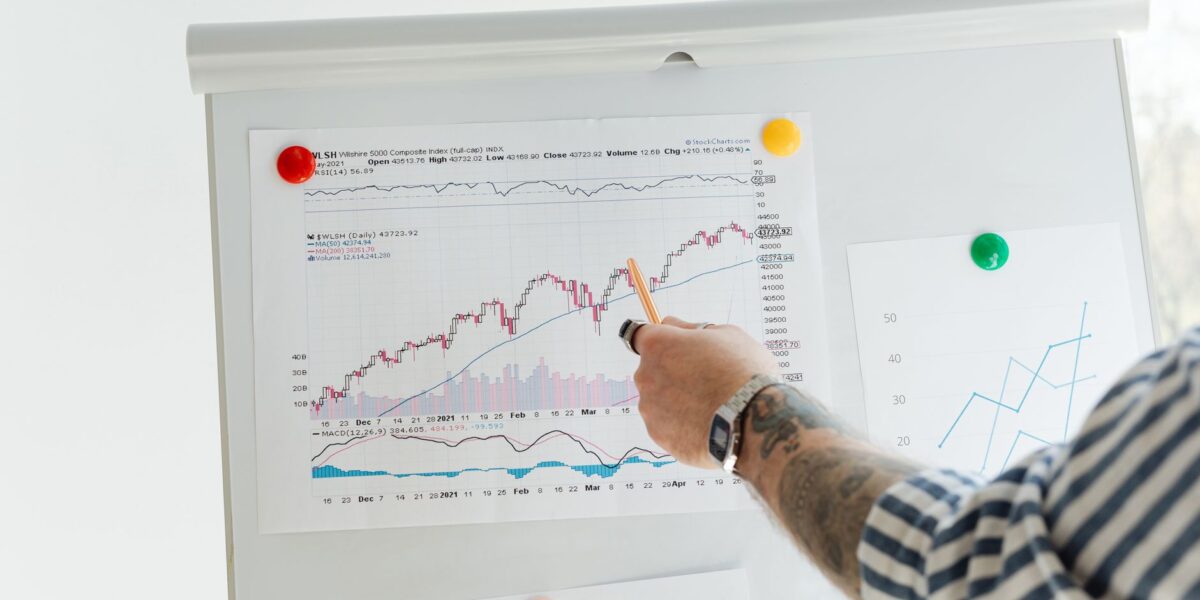
TL;DR: Investor patience is the ability to withstand market fluctuations and resist impulsive trading decisions, allowing investments to grow over the long term, which is the single most critical factor for achieving financial success in the Indian stock market.
Key Stats at a Glance:
- Nifty 50’s average annual return (long-term): ~12-14%
- Typical market correction depth: 10-20%
- Average holding period for successful long-term investors: 5+ years
- SEBI’s guidance on investor education emphasizes long-term perspectives.
- Indian retail investor participation has surged by over 40% in the last two years.
What is Investor Patience?
Investor patience is the crucial mental fortitude that allows an individual to hold onto their investments through periods of market downturns and volatility, resisting the urge to sell impulsively, and waiting for their long-term investment thesis to play out.
In the dynamic Indian stock market, characterized by rapid growth, occasional corrections, and global influences, patience isn’t just a virtue; it’s a necessity. It’s the silent partner that works alongside your investment strategy, ensuring that short-term noise doesn’t derail your long-term financial goals. Think of it as the steady hand on the tiller during a storm. Without it, even the best-laid investment plans can be capsized by fear or greed.
Why is Patience the Most Important Skill for Investors?
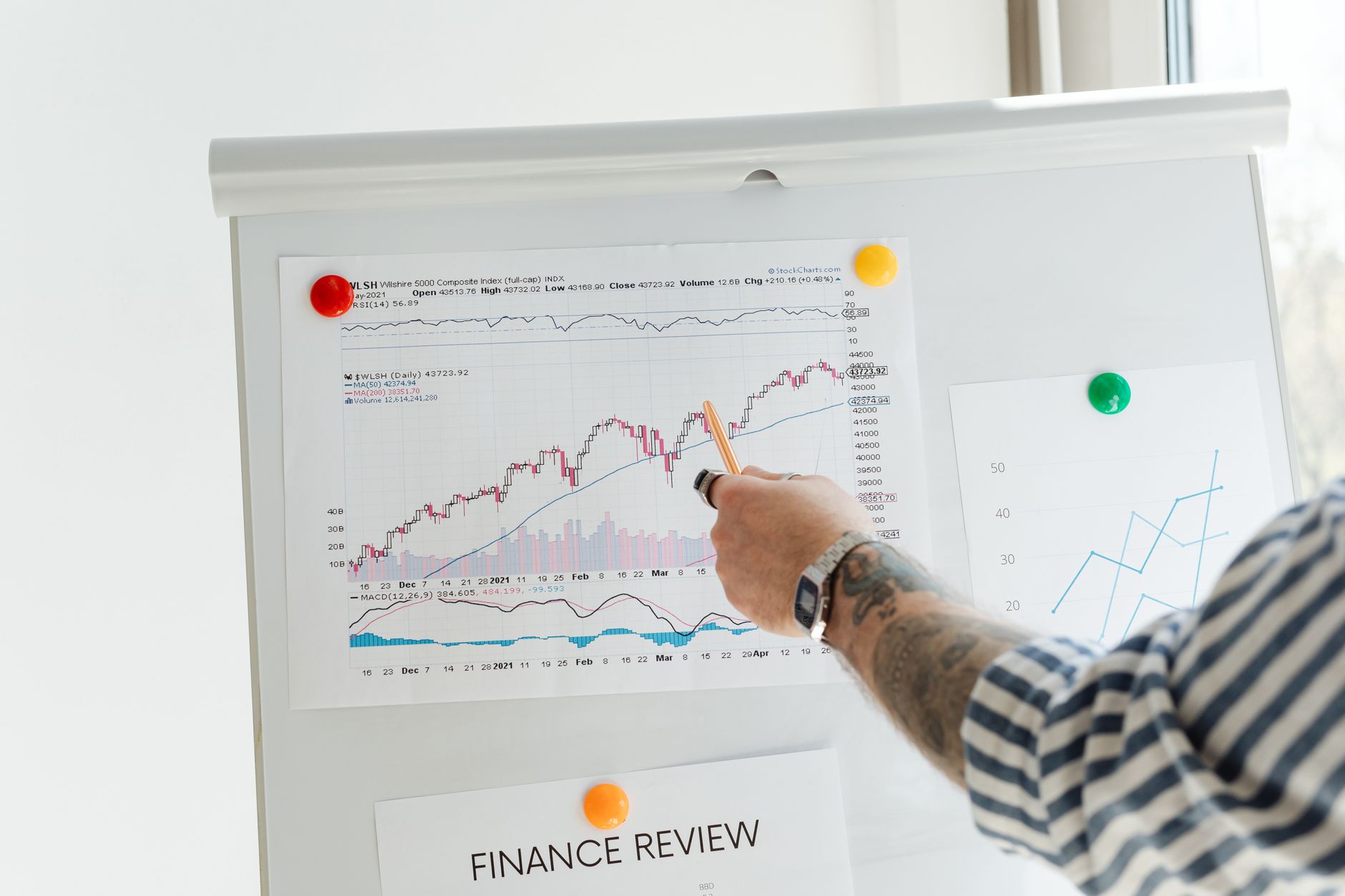
Patience is paramount because it directly combats the most common and destructive investor behaviours: fear and greed, which often lead to buying high and selling low.
The stock market is inherently cyclical. There will be periods of euphoria where optimism drives prices up, and periods of pessimism where fear causes sharp declines. An impatient investor might chase rising stocks out of greed, only to buy at the peak, and then panic-sell during a dip out of fear, locking in losses. Patient investors, however, understand that volatility is part of the journey. They are less likely to be swayed by short-term price movements and more likely to stick to their well-researched investment strategy. This discipline allows them to capture the market’s long-term growth potential, which, as historical data from NSE and BSE indices like the Nifty 50 and Sensex shows, has consistently rewarded those who stay invested.
Combating Emotional Trading
Emotional decisions are the fastest route to investment regret. Fear compels selling during panics, while greed pushes buying into speculative bubbles. Patience acts as an emotional buffer, giving you the space to think rationally rather than react instinctively.
Allowing Compounding to Work
The magic of compounding – earning returns on your returns – requires time. Impatient investors often disrupt this process by frequently trading, incurring transaction costs, and missing out on the exponential growth that occurs over years and decades. SEBI often highlights the power of compounding in its investor education materials.
Benefiting from Market Cycles
Market cycles are inevitable. Patient investors can view downturns not as disasters but as opportunities to acquire quality assets at lower prices. This requires the foresight and discipline to wait, knowing that historically, markets have recovered and moved to new highs.
Developing and Cultivating Investor Patience
Cultivating patience is an active process, not a passive trait, requiring deliberate strategies and consistent practice.
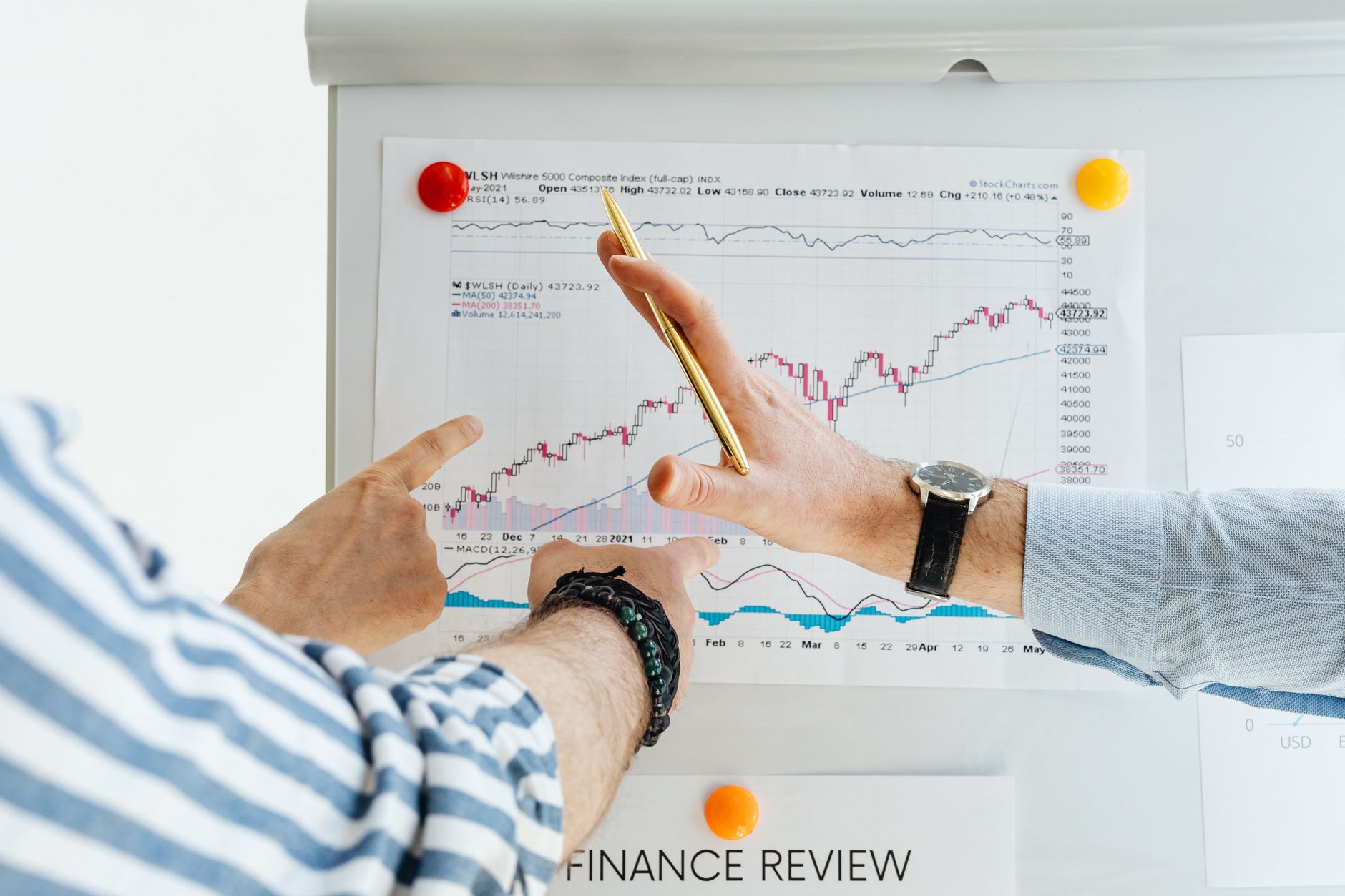
Building patience is like strengthening a muscle; it requires consistent effort and the right techniques. It involves understanding your own psychological triggers, developing robust investment plans, and actively seeking perspectives that reinforce a long-term outlook. For Indian retail investors, this means focusing on fundamental analysis, understanding the economic cycles of India, and leveraging tools that provide clarity rather than just short-term signals. Embracing a ‘buy and hold’ strategy for fundamentally sound companies, perhaps identified using a sophisticated TradingView indicator, can be a powerful way to build this discipline.
1. Set Clear, Long-Term Financial Goals
Define precisely what you want to achieve (e.g., retirement, buying a house, child’s education) and the timeframe. This provides a concrete reason to stay the course when markets get choppy.
2. Develop a Well-Defined Investment Strategy
Create an investment plan based on your goals, risk tolerance, and time horizon. This strategy should outline your asset allocation, criteria for buying and selling, and rebalancing approach. Stick to it rigorously.
3. Educate Yourself Continuously
Understand market dynamics, economic indicators, and the businesses you invest in. Knowledge builds confidence and reduces the fear of the unknown. Resources from AMFI and SEBI are excellent starting points.
4. Practice Mindfulness and Emotional Awareness
Recognize your emotional triggers. When you feel anxious or overly excited about market movements, take a step back, breathe, and refer to your investment plan before taking any action.
5. Start Small and Gradually Increase Exposure
For new investors, beginning with smaller amounts allows you to experience market fluctuations without significant financial distress, helping you build emotional resilience over time.
6. Focus on the Long-Term Narrative
Remind yourself of the long-term growth story of the Indian economy and the companies you’ve invested in. Block out the daily noise and focus on the bigger picture.
7. Automate Your Investments
Consider Systematic Investment Plans (SIPs) for mutual funds or setting up regular buy orders for stocks. Automation removes the temptation to time the market and ensures consistent investing.
How to Build Patience: A Step-by-Step Guide
- Define Your ‘Why’: Clearly articulate your long-term financial goals and the specific reasons you are investing. Write them down and keep them visible.
- Create a Realistic Investment Plan: Based on your goals, determine your asset allocation (e.g., 70% equity, 30% debt) and the types of assets you will invest in. Consult financial advisors if needed.
- Research and Select Investments Thoroughly: Before investing, conduct due diligence on stocks or mutual funds. Understand the business fundamentals, management quality, and growth prospects.
- Implement a ‘Buy and Hold’ Approach (Where Appropriate): For investments aligned with long-term goals, commit to holding them for several years, irrespective of short-term market movements.
- Schedule Regular Reviews, Not Daily Checks: Set specific intervals (e.g., quarterly, semi-annually) to review your portfolio’s performance against your goals, rather than checking prices daily.
- Seek Constructive Feedback and Education: Engage with reliable financial news sources and educational platforms. Discuss your strategy with trusted peers or advisors to reinforce your conviction.
- Practice Detachment from Short-Term Volatility: Mentally frame market dips as potential buying opportunities or normal market behaviour, rather than personal setbacks.
- Celebrate Milestones, Not Market Peaks: Acknowledge progress towards your financial goals during review periods, reinforcing the benefits of your patient approach.

The Role of Discipline in Investor Patience
Discipline is the active implementation of patience. It’s about translating the *desire* to be patient into consistent, actionable behaviour, even when it’s difficult.
Patience, as a mental state, needs to be backed by unwavering discipline. Discipline is what compels you to stick to your investment plan even when every news headline screams panic, or every social media post talks about a ‘rocket stock’. It’s the commitment to your strategy, the adherence to your rules, and the consistent execution of your investment decisions. Without discipline, patience remains an abstract concept. For instance, if your strategy involves dollar-cost averaging using a tool like the Trend Traders Tool to identify optimal entry points, discipline means executing those buys consistently, regardless of market sentiment.
Sticking to the Plan
A well-thought-out investment plan is your roadmap. Discipline ensures you follow it, avoiding detours prompted by market noise or fleeting opportunities.
Resisting Temptation
Discipline helps you resist the temptation to chase hot stocks or make reactive trades based on short-term news. It keeps you focused on your long-term objectives.
Consistency in Action
Whether it’s making regular investments (like through SIPs) or rebalancing your portfolio at predetermined intervals, discipline ensures consistent action aligned with your strategy.
Common Pitfalls for Impatient Investors
Understanding the mistakes that impatient investors often make is crucial for avoiding them yourself.
The journey of an investor is often paved with psychological hurdles. Impatient investors frequently stumble over a few common pitfalls that erode their capital and derail their financial aspirations. Recognizing these traps is the first step towards building the resilience needed for long-term success. These pitfalls are amplified in fast-moving markets like India’s, where information (and misinformation) travels at lightning speed.

Market Timing
Trying to predict short-term market movements to buy at the absolute bottom and sell at the absolute top is a fool’s errand that rarely succeeds and often leads to missed gains or significant losses.
Chasing Past Performance
Investing solely based on recent high returns without considering the underlying fundamentals or valuation can lead to buying expensive assets at their peak.
Over-Trading
Frequent buying and selling not only incur high transaction costs (brokerage, taxes) but also increase the chances of making emotional, poorly timed decisions.
Reacting to News Headlines
Allowing short-term news events or market sentiment to dictate investment decisions often leads to buying high during optimistic news and selling low during pessimistic news.
Ignoring Diversification
Concentrating investments in a few popular stocks or sectors, driven by impatience to achieve quick returns, leaves the portfolio highly vulnerable to sector-specific downturns.
Frequently Asked Questions
How can I measure my progress in becoming more patient?
Track the number of impulsive trades you initiate versus planned trades over a period. Also, monitor your portfolio’s performance relative to your long-term goals, noting if you stayed invested during downturns.
Is patience the only skill needed for successful investing?
No, while crucial, patience must be combined with knowledge, a sound strategy, risk management, and continuous learning. However, without patience, other skills are often undermined by emotional decision-making.
How does social media impact investor patience?
Social media often amplifies short-term hype and fear, encouraging impulsive decisions. It’s vital to consume such content critically and reaffirm your long-term investment strategy away from the noise.
Can I develop patience if I am naturally an impulsive person?
Absolutely. Patience is a learned skill. By consistently applying strategies like mindfulness, sticking to a plan, and focusing on long-term goals, even naturally impulsive individuals can cultivate significant investor patience.
What is a realistic timeframe to expect market returns?
For equities, historically, meaningful returns are typically seen over rolling 3-5 year periods, with compounding benefits becoming significantly more pronounced over 10+ years. Short-term predictions are unreliable.
How often should I check my investment portfolio?
For long-term investors, checking daily is detrimental. Quarterly or semi-annual reviews are sufficient for most, aligning with the time it takes for fundamental factors to manifest and market cycles to show trends.

Key Takeaways
- Investor patience is the ability to endure market volatility and resist emotional trading, crucial for long-term wealth creation.
- It combats fear and greed, allowing compounding to work and enabling investors to benefit from market cycles.
- Developing patience requires setting clear goals, having a solid strategy, continuous education, and emotional self-awareness.
- Automating investments and focusing on the long-term narrative are practical ways to build this skill.
- Discipline is the active execution of patience, ensuring adherence to the investment plan.
- Common pitfalls include market timing, chasing past performance, over-trading, and reacting to news.
- Patience, combined with knowledge and discipline, is the cornerstone of successful, sustainable investing.
Investing in the stock market involves inherent risks. Please consult with a qualified financial advisor before making any investment decisions.






 Finovatives