

TL;DR: The Nifty Bank index presents a compelling avenue for Indian traders seeking opportunities within the country’s rapidly expanding financial services sector, driven by strong fundamentals and dynamic market movements.
Key Stats at a Glance:
- Nifty Bank Index constituents: 12 leading public and private sector banks.
- Average Dividend Yield for Nifty Bank stocks (FY23): ~2.5%.
- Sectoral Contribution: Banking sector forms a significant portion of India’s GDP.
- Growth potential: Indian banking sector projected to grow at a CAGR of ~10-12% over the next 5 years.
- Volatility Index (India VIX) impact: Nifty Bank often exhibits higher beta than Nifty 50, indicating greater volatility.
What is the Nifty Bank Index?
The Nifty Bank index represents the performance of the most liquid and capitalised Indian banking stocks listed on the National Stock Exchange (NSE). It serves as a benchmark for the banking sector’s health and sentiment, comprising 12 scrips that capture a significant portion of the banking industry’s market capitalisation.
What drives Nifty Bank stock performance?
Nifty Bank stock performance is primarily driven by a confluence of macroeconomic factors, regulatory changes, and the individual financial health of constituent banks. Key drivers include interest rate policies set by the Reserve Bank of India (RBI), credit growth, asset quality (NPAs), capital adequacy ratios, and overall economic expansion, which directly impacts loan demand and banking profitability.
Interest Rate Sensitivity
Banks’ Net Interest Margins (NIMs) are highly sensitive to interest rate movements. When the RBI hikes rates, banks can potentially lend at higher rates, boosting margins, but this can also increase borrowing costs and potentially slow down loan growth. Conversely, rate cuts can reduce NIMs but stimulate economic activity and loan demand.
Asset Quality and NPAs
The Non-Performing Assets (NPAs) or bad loans are a critical indicator of a bank’s financial health. A declining NPA ratio generally signifies improving asset quality and operational efficiency, leading to positive investor sentiment and stock price appreciation for Nifty Bank constituents.
Regulatory Landscape
Changes in banking regulations, such as capital adequacy norms (like Basel III implementation), liquidity coverage ratios, or new provisioning requirements by SEBI and RBI, can significantly impact bank profitability and operational strategies. Stricter regulations often lead to a more robust and stable banking system.
Economic Growth and Credit Demand
India’s GDP growth directly fuels demand for credit from both retail and corporate sectors. A growing economy typically translates to higher loan disbursement, better asset utilisation, and improved profitability for banks, thereby positively influencing Nifty Bank stocks.
How can traders identify opportunities in Nifty Bank stocks?
Traders can identify opportunities in Nifty Bank stocks by employing a combination of fundamental analysis to assess the intrinsic value and financial health of banks, and technical analysis to time entry and exit points. Monitoring economic indicators, regulatory news, and sector-specific trends is also crucial for making informed trading decisions.
Fundamental Analysis Checklist
A thorough fundamental analysis involves examining a bank’s Balance Sheet, Profit & Loss statement, and Cash Flow statement. Key metrics to scrutinise include Net Interest Income (NII), Net Profit, Earnings Per Share (EPS), Return on Assets (ROA), Return on Equity (ROE), Current Account Savings Account (CASA) ratio, and Capital Adequacy Ratio (CAR).
Technical Analysis Tools
Technical analysis helps in identifying potential price trends, support, and resistance levels for Nifty Bank stocks. Tools like Moving Averages, Relative Strength Index (RSI), MACD, Bollinger Bands, and candlestick patterns are widely used. Traders often leverage advanced charting platforms, such as TradingView indicators, to analyse price action and generate trading signals.
Sectoral and Macroeconomic Monitoring
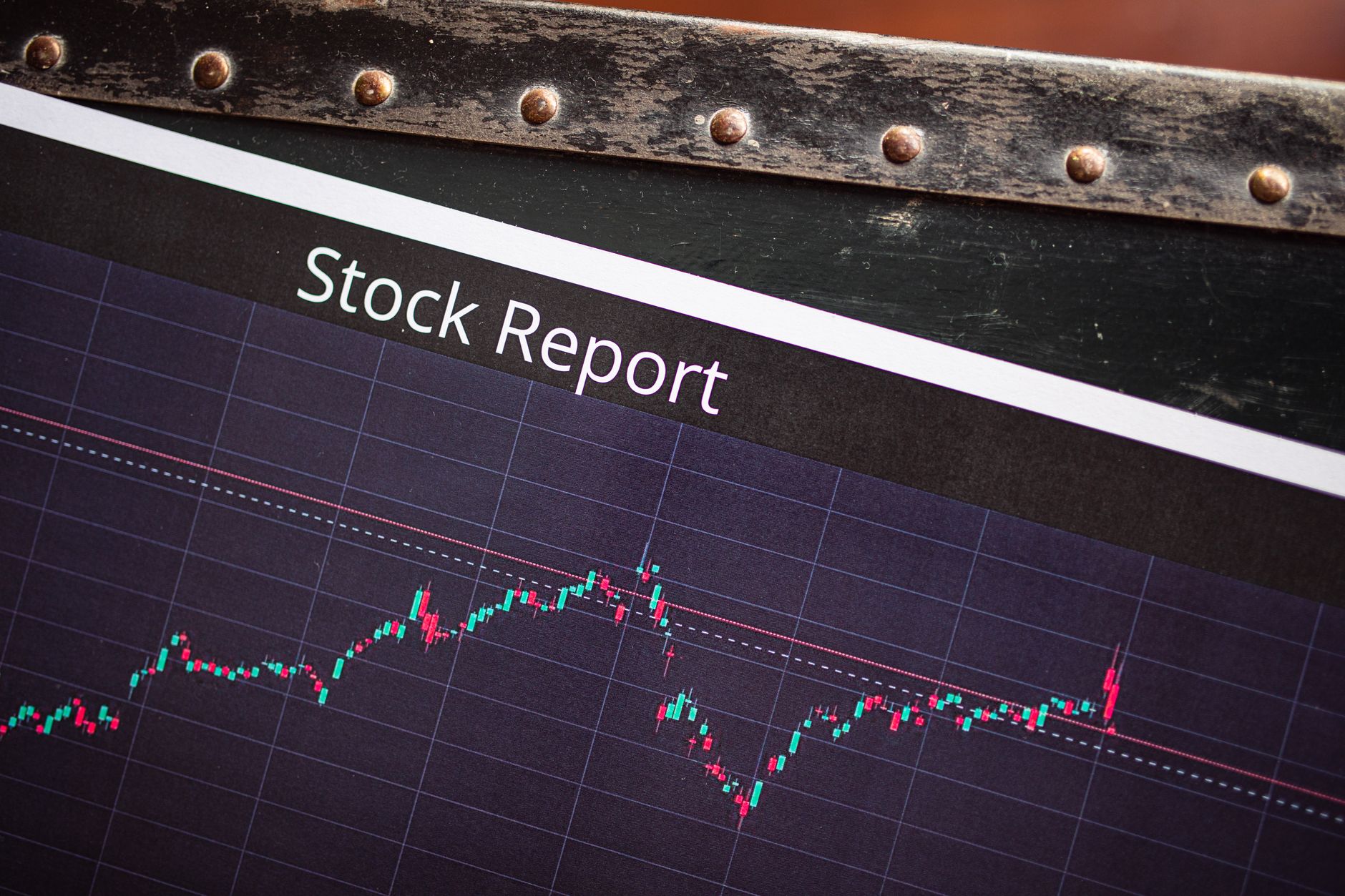
Staying abreast of macroeconomic data releases (GDP, inflation, credit policy) and sectoral news is vital. For instance, announcements regarding government initiatives for financial inclusion or specific banking reforms can create opportunities. Analysing the Nifty Bank index chart itself provides a broader market sentiment.

Using a Trading Strategy
Developing a well-defined trading strategy is paramount. This includes setting clear entry and exit criteria, risk management rules (like stop-losses), and position sizing. Whether employing a swing trading, intraday trading, or long-term investment approach, consistency and discipline are key. For instance, a trader might look for breakouts above resistance levels on strong volumes for a bullish trade.
What are the key risks in trading Nifty Bank stocks?
Trading Nifty Bank stocks, while potentially lucrative, involves several risks that traders must be aware of and manage effectively. These risks stem from market volatility, economic downturns, regulatory changes, and the inherent leverage in financial instruments.
Market Volatility
The banking sector is often cyclical and sensitive to broader market sentiment. Economic downturns, geopolitical events, or unexpected news can lead to sharp price corrections in Nifty Bank stocks, often exhibiting a higher beta than the broader Nifty 50 index. This means they can move more aggressively in either direction.
Interest Rate Risk
As discussed, fluctuations in interest rates directly impact bank profitability. An unexpected shift in monetary policy by the RBI can adversely affect Net Interest Margins (NIMs) and overall earnings, leading to stock price declines.
Credit Risk
The risk of borrowers defaulting on their loans (credit risk) is inherent in banking. A significant increase in Non-Performing Assets (NPAs) can erode a bank’s capital base, necessitate higher provisioning, and lead to substantial losses, impacting its stock valuation.
Regulatory and Policy Risk
The banking sector is heavily regulated. Any adverse changes in regulations by SEBI or the RBI, such as increased capital requirements or stricter lending norms, can impact profitability and operational flexibility, thereby posing a risk to stock prices.
Liquidity Risk
While less common for large-cap banks, liquidity risk can arise if a bank faces difficulties meeting its short-term financial obligations. This can be triggered by a sudden outflow of deposits or a credit crunch in the market, leading to a loss of investor confidence.
How to approach trading Nifty Bank stocks effectively?
An effective approach to trading Nifty Bank stocks involves diligent research, strategic planning, and disciplined execution. It requires understanding both the macro-environment and the micro-details of individual banking institutions, coupled with robust risk management.
- Deep Dive into Fundamentals: Regularly analyse the financial statements and key performance indicators (KPIs) of Nifty Bank constituents. Pay attention to asset quality, profitability ratios, and management commentary.
- Monitor Macroeconomic Trends: Keep track of RBI’s monetary policy, inflation data, GDP growth forecasts, and credit growth figures, as these directly influence the banking sector.
- Utilise Technical Analysis: Employ charting tools and indicators on platforms like TradingView to identify entry/exit points, support/resistance levels, and potential trend reversals. Consider using a sophisticated TradingView indicator to gain an edge.
- Understand Sector-Specific News: Stay informed about regulatory changes, government policies affecting banks, and competitive dynamics within the sector.
- Develop a Trading Plan: Define your trading objectives, risk tolerance, entry/exit strategies, and stop-loss levels before entering any trade.
- Implement Strict Risk Management: Never risk more than a small percentage of your trading capital on a single trade. Use stop-losses diligently to limit potential losses.
- Diversify (if investing): While trading, focus on specific opportunities. For longer-term investment, consider diversification across different types of banking stocks (public vs. private, large vs. mid-cap).
- Continuous Learning: The financial markets are dynamic. Continuously educate yourself on market dynamics, new trading strategies, and risk management techniques.

Frequently Asked Questions
What are the top banks in the Nifty Bank index?
The Nifty Bank index typically includes major public sector banks like State Bank of India and Punjab National Bank, alongside prominent private sector banks such as HDFC Bank, ICICI Bank, Axis Bank, and Kotak Mahindra Bank.
How does the Nifty Bank index differ from the Nifty 50?
The Nifty Bank index focuses exclusively on the banking sector, comprising 12 stocks. The Nifty 50, conversely, is a broader index representing 50 large, liquid Indian companies across various sectors, offering a more diversified view of the Indian equity market.
Is Nifty Bank more volatile than Nifty 50?
Generally, yes. Nifty Bank tends to exhibit higher volatility and beta compared to the Nifty 50 due to the concentrated nature of the banking sector and its sensitivity to interest rate changes and economic cycles.
What is a good CAR for a bank?
A high Capital Adequacy Ratio (CAR), as per Basel III norms, indicates a bank’s financial strength and ability to absorb losses. Generally, a CAR significantly above the regulatory minimum of 9% is considered positive, with many leading banks maintaining CARs well over 12-15%.
Can I trade Nifty Bank index futures and options?
Yes, the NSE offers futures and options contracts on the Nifty Bank index, allowing traders to speculate on its future movements or hedge their positions. These derivatives are popular for their liquidity and leverage.
How does RBI policy affect Nifty Bank stocks?
The Reserve Bank of India’s monetary policy decisions, particularly changes in the repo rate, directly impact lending rates, borrowing costs, and Net Interest Margins (NIMs) for banks, significantly influencing the performance of Nifty Bank stocks.
Key Takeaways:
- The Nifty Bank index is a crucial indicator of the health and performance of India’s banking sector.
- Opportunities lie in understanding the interplay of macroeconomic factors, regulatory policies, and individual bank fundamentals.
- Both fundamental and technical analysis are essential for identifying profitable trading setups.
- Key risks include market volatility, interest rate fluctuations, credit quality deterioration, and regulatory changes.
- A disciplined approach with robust risk management is critical for successful trading in Nifty Bank stocks.
- Traders can leverage derivatives on the Nifty Bank index for speculation and hedging.
- Continuous learning and adaptation to market dynamics are vital for long-term success.
Disclaimer: Trading in the securities market involves risks. Please read all related documents carefully before investing. This content is for educational purposes only and not investment advice.





 Finovatives