



TL;DR: Identifying multibagger stocks in India involves rigorous research into a company’s fundamentals, management quality, competitive advantage, and sector growth potential, alongside technical indicators suggesting an uptrend before mass market recognition.
Key Stats at a Glance:
- Nifty 50’s average annual return over the last decade: approx. 12%
- BSE SmallCap Index CAGR (past 5 years): approx. 20%
- Number of listed companies on BSE & NSE: over 7,000
- Average time for a stock to become a multibagger: typically 5-10 years
- SEBI’s market capitalization definition for small-cap: generally below ₹5,000 crore
What are Multibagger Stocks?
Multibagger stocks are those that deliver returns of more than 100%, meaning they multiply the investor’s capital multiple times over, akin to a cricket batsman hitting multiple boundaries and sixes in a single inning.
How to Spot Potential Multibaggers?
Spotting potential multibaggers involves a deep dive into a company’s financial health, management, competitive landscape, and future growth prospects, looking for undervalued companies poised for significant expansion.
The Core Philosophy
The essence of finding a multibagger lies in identifying a fundamentally strong business operating in a growing industry, trading at a reasonable valuation, and having the potential for substantial earnings growth over the long term. This often means looking beyond the popular large-cap stocks to find mid-cap or small-cap companies with a clear competitive edge.
Fundamental Analysis is Key
A robust understanding of a company’s financial statements is non-negotiable. This includes scrutinizing the balance sheet, profit and loss statement, and cash flow statement to assess profitability, debt levels, and operational efficiency. Look for consistent revenue and profit growth, healthy profit margins, and a manageable debt-to-equity ratio. Data from NSE and BSE financial reports are crucial here.

Management Quality Matters
The leadership team is the driving force behind a company’s success. Evaluate the management’s track record, integrity, and vision. Are they shareholders themselves? Do they communicate transparently with investors? A competent and ethical management team can navigate challenges and steer the company towards significant growth, which is a hallmark of many successful multibaggers.
Competitive Advantage (Moat)
A sustainable competitive advantage, often termed an economic moat, is vital. This could be a strong brand, proprietary technology, network effects, regulatory protection, or cost advantages. Companies with wide moats are better protected from competition and can maintain higher profitability over longer periods, increasing their potential to become multibaggers.
Sectoral Tailwinds
Investing in a company that benefits from favourable industry trends can significantly amplify returns. Identify sectors poised for rapid growth due to technological advancements, changing consumer preferences, government policies, or demographic shifts. For instance, the renewable energy or digital payments sectors in India have shown immense promise.
Valuation Metrics
Even the best company can be a poor investment if bought at an excessively high price. While growth stocks often command higher valuations, it’s essential to assess whether the current price is justified by future growth prospects. Key metrics like the Price-to-Earnings (P/E) ratio, Price-to-Book (P/B) ratio, and Enterprise Value-to-EBITDA (EV/EBITDA) should be analysed in the context of industry peers and historical averages. Understanding these metrics can be aided by using a sophisticated TradingView indicator.

How to Research Multibagger Stocks
- Screen for Growth: Use stock screeners available on financial portals or platforms like Finovatives to filter companies based on criteria like revenue growth (>15% annually), profit growth (>20% annually), low debt-to-equity ratio (15%).
- Deep Dive into Fundamentals: Once a shortlist is generated, meticulously review the company’s annual reports (especially the last 5-10 years), quarterly results, and investor presentations. Look for consistent positive trends.
- Analyse Management & Governance: Research the promoters’ background, their stake in the company, and any past controversies. Check corporate governance reports and shareholder meeting minutes for insights into management decisions.
- Understand the Business Model & Moat: Clearly articulate how the company makes money and what gives it a sustainable edge over competitors. Visit their website and product/service pages.
- Evaluate Industry & Macro Trends: Assess the growth potential of the sector the company operates in. Consider economic factors, regulatory changes, and technological disruptions that could impact the industry.
- Check Technical Charts: While fundamentals are paramount, technical analysis can help identify entry points. Look for stocks that are in a long-term uptrend, have broken out of consolidation patterns, and show strong trading volumes. Tools like the Trend Traders Tool can be invaluable here.
- Valuation Check: Compare the company’s valuation multiples (P/E, P/B, EV/EBITDA) against its historical averages and industry peers. Ensure the stock isn’t excessively overvalued, even with strong growth prospects.
- Monitor Continuously: Once invested, keep track of the company’s performance, industry developments, and management commentary. Re-evaluate your investment thesis periodically.
The Role of Technical Analysis
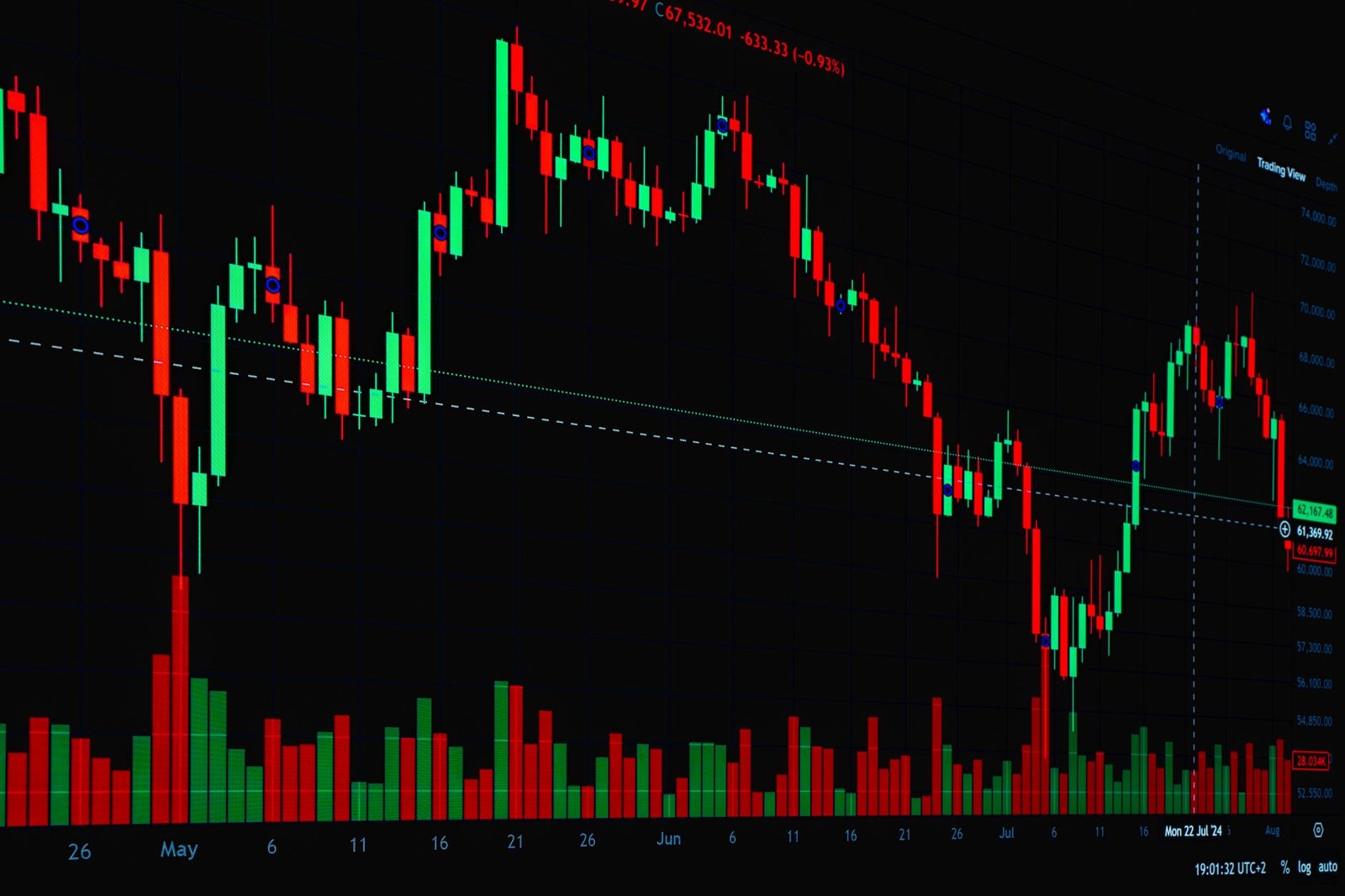
While fundamental analysis helps identify the ‘what’ and ‘why’ of a potential multibagger, technical analysis can help with the ‘when’. Chart patterns, moving averages, and volume analysis can indicate accumulating buying interest and potential breakout phases before the broader market catches on. This can be crucial for optimising entry points and managing risk.
Common Pitfalls to Avoid
Investors often make mistakes when searching for multibaggers, such as chasing speculative penny stocks, investing without understanding the business, or failing to hold onto quality stocks during market downturns.
Over-Diversification vs. Concentration
While diversification is important, over-diversifying can dilute the impact of a few big winners. Conversely, concentrating too heavily on a single stock carries significant risk. Finding a balance is key, focusing on a well-researched portfolio of high-conviction ideas.
Ignoring Red Flags
Be wary of companies with consistently declining revenues, increasing debt without a clear plan, frequent management changes, or a history of regulatory issues. These are often signs of underlying problems that could prevent a stock from becoming a multibagger.
Impatience and Emotional Investing
Multibaggers typically take years to mature. Impatience leads investors to sell good stocks too early or buy hyped stocks at inflated prices. Emotional decisions driven by fear or greed are detrimental to long-term wealth creation.

The Importance of a Long-Term Horizon
The journey of a multibagger is a marathon, not a sprint. Patience is perhaps the most critical virtue for investors seeking exponential returns. Holding onto quality companies through market cycles allows their compounding growth to truly manifest. Many successful investors, like Rakesh Jhunjhunwala in his time, emphasized the power of patience and conviction.
Growth vs. Value Multibaggers
Multibaggers can emerge from both growth and value investing styles. Growth multibaggers are typically companies with rapidly expanding revenues and profits, often in innovative sectors, commanding higher P/E ratios. Value multibaggers are fundamentally strong companies that are temporarily undervalued by the market due to short-term issues or industry pessimism, offering a margin of safety and potential for re-rating.

Frequently Asked Questions
What is the typical timeframe for a stock to become a multibagger?
While there’s no fixed rule, multibaggers typically require 5 to 10 years or more to multiply investor capital multiple times, allowing their underlying business growth to compound significantly.
Should I invest based solely on technical charts?
No, technical charts are best used to confirm entry and exit points for fundamentally strong companies. Relying solely on technicals without understanding the business fundamentals is highly risky.
What are the biggest mistakes retail investors make when seeking multibaggers?
Common mistakes include investing in low-quality penny stocks, lack of due diligence, excessive emotional trading, and selling winners too early due to impatience.
How does the Indian market environment favour multibagger discovery?
India’s dynamic economy, rapidly growing sectors, increasing retail participation, and market inefficiencies create fertile ground for identifying undervalued companies with high growth potential, making it conducive for finding multibaggers.
Can a beginner investor find multibagger stocks?
Yes, a beginner can find multibagger stocks by sticking to a disciplined approach, focusing on understanding the business, starting with simpler analyses, and perhaps using tools designed for ease of use, potentially after availing a free trial.






 Finovatives