



TL;DR: Key financial ratios like P/E, ROE, Debt-to-Equity, and Current Ratio help Indian investors quickly assess a company’s profitability, efficiency, solvency, and liquidity, enabling smarter investment choices in the stock market.
Key Stats at a Glance:
- Nifty 50 Average P/E Ratio (historically): ~20-25
- Average ROE for Nifty 50 companies: ~15-18%
- Average Debt-to-Equity Ratio for healthy Indian companies: Below 1.0
- Current Ratio benchmark for many industries: Above 1.5
- Over 5,000+ listed companies on NSE and BSE combined.
What are Key Financial Ratios?
Key financial ratios are quantitative measures derived from a company’s financial statements that offer insights into its performance, financial health, and valuation. They allow investors to compare companies within the same industry and track a company’s progress over time.

These ratios act as vital tools for fundamental analysis, helping investors make data-backed decisions rather than relying on guesswork. By analysing these metrics, investors can identify fundamentally strong companies poised for growth or potential red flags indicating financial distress.
Why are Financial Ratios Crucial for Indian Investors?
Financial ratios are indispensable for Indian investors because they provide a standardized way to dissect complex financial data and understand a company’s underlying value and risk profile. They are particularly important in the diverse Indian market, which includes companies of varying sizes and maturity levels.
The Securities and Exchange Board of India (SEBI) mandates standardized financial reporting, making these ratios more reliable for analysis. Furthermore, comparing ratios against industry benchmarks and historical performance helps in identifying undervalued or overvalued stocks. Tools like the ones offered by Finovatives.com can help automate the calculation and visualisation of these crucial ratios.
What are the Most Important Financial Ratios to Track?
Several financial ratios offer critical insights, but some are more fundamental for initial screening and ongoing analysis by Indian investors. These can be broadly categorised into profitability, valuation, solvency, and efficiency ratios.
Profitability Ratios
These ratios measure a company’s ability to generate earnings relative to its revenue, operating costs, balance sheet assets, or shareholders’ equity. They are fundamental to understanding how effectively a business is making money.
Earnings Per Share (EPS)
EPS shows the portion of a company’s profit allocated to each outstanding share of common stock. A higher EPS indicates greater profitability per share.
How to Calculate EPS:
EPS = (Net Income – Preferred Dividends) / Average Outstanding Common Shares
Return on Equity (ROE)
ROE measures how effectively a company uses shareholder investments to generate profits. A consistently high ROE often signifies efficient management and strong competitive advantages.
How to Calculate ROE:
ROE = Net Income / Average Shareholders’ Equity
Return on Assets (ROA)
ROA measures how efficiently a company uses its assets to generate profits. It indicates the profitability relative to the total assets managed by the company.
How to Calculate ROA:
ROA = Net Income / Total Assets
Valuation Ratios
These ratios help investors determine if a stock is overvalued, undervalued, or fairly priced in the market. They are crucial for deciding entry and exit points.
Price-to-Earnings (P/E) Ratio
The P/E ratio is perhaps the most widely used valuation metric. It compares a company’s current share price to its earnings per share. A high P/E might suggest that investors expect higher future earnings growth.
How to Calculate P/E Ratio:
P/E Ratio = Market Price Per Share / Earnings Per Share (EPS)

Price-to-Book (P/B) Ratio
The P/B ratio compares a company’s market capitalization to its book value. It can be useful for valuing companies with significant tangible assets, like banks or manufacturing firms.
How to Calculate P/B Ratio:
P/B Ratio = Market Price Per Share / Book Value Per Share
Dividend Yield
This ratio indicates how much a company pays out in dividends each year relative to its share price. It’s important for income-focused investors.
How to Calculate Dividend Yield:
Dividend Yield = Annual Dividends Per Share / Market Price Per Share
Solvency Ratios
Solvency ratios assess a company’s ability to meet its long-term financial obligations. They are vital for understanding a company’s long-term financial stability.
Debt-to-Equity (D/E) Ratio
The D/E ratio measures a company’s financial leverage. It indicates how much debt a company is using to finance its assets relative to the value of shareholders’ equity. A lower ratio generally signifies less risk.
How to Calculate D/E Ratio:
D/E Ratio = Total Liabilities / Shareholders’ Equity
Interest Coverage Ratio
This ratio measures a company’s ability to service its debt obligations. A higher ratio indicates a greater ability to meet interest payments.
How to Calculate Interest Coverage Ratio:
Interest Coverage Ratio = Earnings Before Interest and Taxes (EBIT) / Interest Expense
Efficiency Ratios (Activity Ratios)
These ratios measure how efficiently a company is using its assets and managing its liabilities. They provide insights into operational effectiveness.
Current Ratio
The current ratio assesses a company’s ability to pay off its short-term liabilities with its short-term assets. A ratio above 1 generally suggests the company can cover its short-term debts.
How to Calculate Current Ratio:
Current Ratio = Current Assets / Current Liabilities
Inventory Turnover Ratio
This ratio measures how many times a company’s inventory is sold and replaced over a period. A higher turnover often indicates efficient inventory management and strong sales.
How to Calculate Inventory Turnover Ratio:
Inventory Turnover Ratio = Cost of Goods Sold / Average Inventory
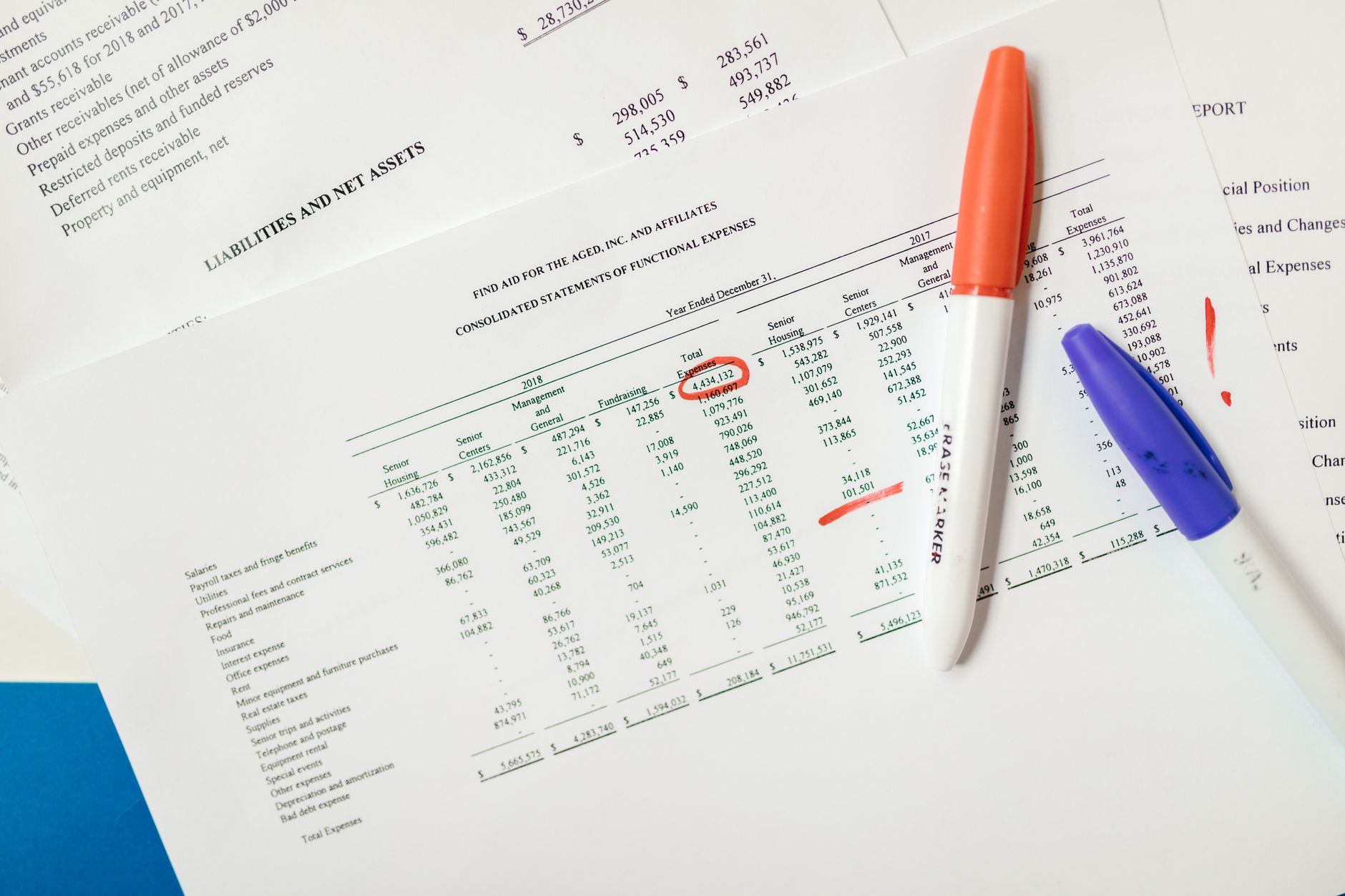
How to Use Financial Ratios in Your Investment Strategy
Incorporating financial ratios into your investment process requires a systematic approach. It’s not just about calculating them but understanding what they mean in context.
- Identify Your Investment Goals: Determine if you are focused on growth, income, or value investing. This will help prioritise which ratios are most important for your analysis.
- Gather Financial Statements: Obtain the latest annual and quarterly financial statements (Balance Sheet, Income Statement, Cash Flow Statement) for the companies you are interested in. NSE and BSE websites, as well as company investor relations pages, are good sources.
- Calculate Key Ratios: Compute the essential ratios discussed above (P/E, ROE, D/E, Current Ratio, etc.) for each company. You can use Finovatives’s TradingView indicator for real-time calculations.
- Benchmark Performance: Compare the calculated ratios against: a) the company’s historical performance over the last 3-5 years, and b) the industry average or key competitors. This provides context.
- Analyse Trends: Look for trends in the ratios over time. Is the company’s profitability improving or declining? Is its debt increasing? Consistent improvement is generally a positive sign.
- Consider Qualitative Factors: Ratios are quantitative. Always supplement your ratio analysis with qualitative factors like management quality, competitive landscape, regulatory environment, and future growth prospects.
- Use Ratio Analysis Tools: Leverage financial analysis platforms or tools that can automate calculations and provide visualisations, making the process more efficient and insightful.
- Consult SEBI Guidelines: Ensure your understanding of financial reporting and ratio interpretation aligns with SEBI’s framework for listed companies.
Frequently Asked Questions
What is the most important financial ratio for beginners?
For beginners, the Price-to-Earnings (P/E) ratio is often considered the most important. It provides a quick valuation indicator by comparing the stock price to the company’s earnings, helping assess if a stock is potentially over or undervalued.
How do I compare ratios between different industries?
Direct comparison of ratios between vastly different industries can be misleading due to differing business models and capital structures. It’s best to compare a company’s ratios to its direct peers within the same industry.
Should I rely solely on financial ratios for investment decisions?
No, financial ratios should not be the sole basis for investment decisions. They are powerful tools for quantitative analysis but must be complemented with qualitative factors like management quality, industry trends, and economic outlook.
What is a good Debt-to-Equity ratio in India?
A ‘good’ Debt-to-Equity ratio varies by industry. Generally, a ratio below 1.0 is considered healthy, indicating that a company uses less debt than equity financing. However, capital-intensive industries might have higher acceptable ratios.
How often should I review financial ratios?
For active investors, reviewing key financial ratios quarterly (following company earnings reports) is recommended. Long-term investors might review them annually or semi-annually, focusing on significant changes or trends.

What does a high Current Ratio signify?
A high Current Ratio (e.g., significantly above 2.0) generally signifies strong liquidity and a company’s ability to meet its short-term obligations easily. However, an excessively high ratio might indicate inefficient use of assets.
Key Takeaways:
- Financial ratios are essential tools for evaluating a company’s financial health, profitability, and valuation.
- Key ratios include P/E, ROE, D/E, Current Ratio, EPS, and ROA, each offering unique insights.
- Benchmarking ratios against industry peers and historical data is crucial for context.
- Ratio analysis should be combined with qualitative factors for a holistic investment decision.
- Regular review of financial statements and ratios is vital for informed investing.
- SEBI mandates financial reporting standards that enhance the reliability of these ratios in India.
- Understanding these metrics empowers retail investors to navigate the Indian stock market more effectively.
Disclaimer: Investing in the stock market involves risks. Please consult with a qualified financial advisor before making any investment decisions.






 Finovatives