


TL;DR: Opening a Demat account in India involves choosing a Depository Participant (DP), filling out an account opening form, submitting Know Your Customer (KYC) documents, and signing agreements, typically completed online within a few hours.
Key Stats at a Glance:
- Over 5 crore Demat accounts opened in India as of March 2024.
- CDSL and NSDL are the two primary depositories in India.
- Average account opening time: 15 minutes to 24 hours for online process.
- Brokers charge an annual maintenance charge (AMC) ranging from ₹0 to ₹750.
- Trading volume on NSE crossed ₹400 lakh crore in FY23.
What is a Demat Account?
A Demat account, short for Dematerialised account, is a crucial account that holds your financial securities like shares, bonds, and mutual funds in an electronic format. It’s essential for anyone looking to trade on Indian stock exchanges like the NSE and BSE.

Why Do You Need a Demat Account?
A Demat account is mandatory for trading in the Indian stock market today. It allows you to hold your investments electronically, making transactions faster, safer, and more convenient than physical share certificates.
Facilitates Electronic Trading
Gone are the days of physical share certificates and cumbersome transfer processes. A Demat account enables seamless buying and selling of securities online. Your holdings are directly credited or debited to your account upon settlement.
Enhances Security
Electronic holdings are much safer than physical certificates, which are prone to loss, theft, or damage. Depositories like NSDL and CDSL offer robust security measures to protect your assets.
Simplifies Portfolio Management
Managing your investments becomes straightforward with a Demat account. You can view your entire portfolio of shares, bonds, ETFs, and mutual funds in one place, making it easier to track performance and make informed decisions.
Who Can Open a Demat Account in India?
Any Indian resident individual who is above 18 years of age and has a valid PAN card can open a Demat account. Non-resident Indians (NRIs) can also open Demat accounts, but they need to follow specific procedures and often require a PIS (Portfolio Investment Scheme) account.
Eligibility Criteria
The primary requirements include being an Indian resident, being at least 18 years old, and possessing a PAN card. You’ll also need a valid address proof and bank account. Minors can also open Demat accounts, but they must be operated by a guardian.
How to Open a Demat Account: Step-by-Step Guide
Opening a Demat account is a relatively straightforward process, especially with most brokers offering online applications. Here’s a breakdown of the steps involved:
- Choose a Depository Participant (DP): Select a stockbroker or bank registered as a DP with either NSDL or CDSL. Consider factors like brokerage charges, services offered, trading platform usability, and customer support. Finovatives.com offers tools to compare broker features.
- Fill the Account Opening Form: Complete the Demat and trading account opening form, either online or offline. Provide accurate personal details, nominee information, and bank account details.
- Complete KYC Verification: Submit necessary documents for Know Your Customer (KYC) verification. This typically includes identity proof (PAN card, Aadhaar card), address proof (Aadhaar card, utility bills), and bank account proof (cancelled cheque, bank statement). For online applications, this often involves an in-person verification (IPV) via video call or Aadhaar-based e-KYC.
- Submit Documents and Sign Agreements: Upload scanned copies of your documents online or submit physical copies. You’ll also need to sign essential agreements like the DP-Client agreement and the SEBI-mandated agreement for trading and dematerialisation.
- Account Activation: Once your application is processed and approved (usually within 24-48 hours for online applications), your Demat and trading accounts will be activated. You’ll receive your client ID and login credentials to access your accounts.
Types of Demat Accounts
While the core function remains the same, Demat accounts can be broadly categorized based on their usage and the type of investor.
Basic Service Demat Account (BSDA)
This is a cost-effective option for small investors. BSDA allows you to hold securities up to ₹2 lakh without any AMC. However, if the value exceeds this limit, you’ll be charged regular AMC rates.
Demat and Trading Account Combination
Most brokers offer a combined Demat and trading account. The trading account is used to place buy and sell orders on the stock exchange, while the Demat account holds the securities you buy. This integrated approach simplifies the investment process.
NRI Demat Account
Non-Resident Indians (NRIs) need a specific type of Demat account, usually linked to a NRO or NRE bank account, to comply with Reserve Bank of India (RBI) regulations for investing in the Indian market.
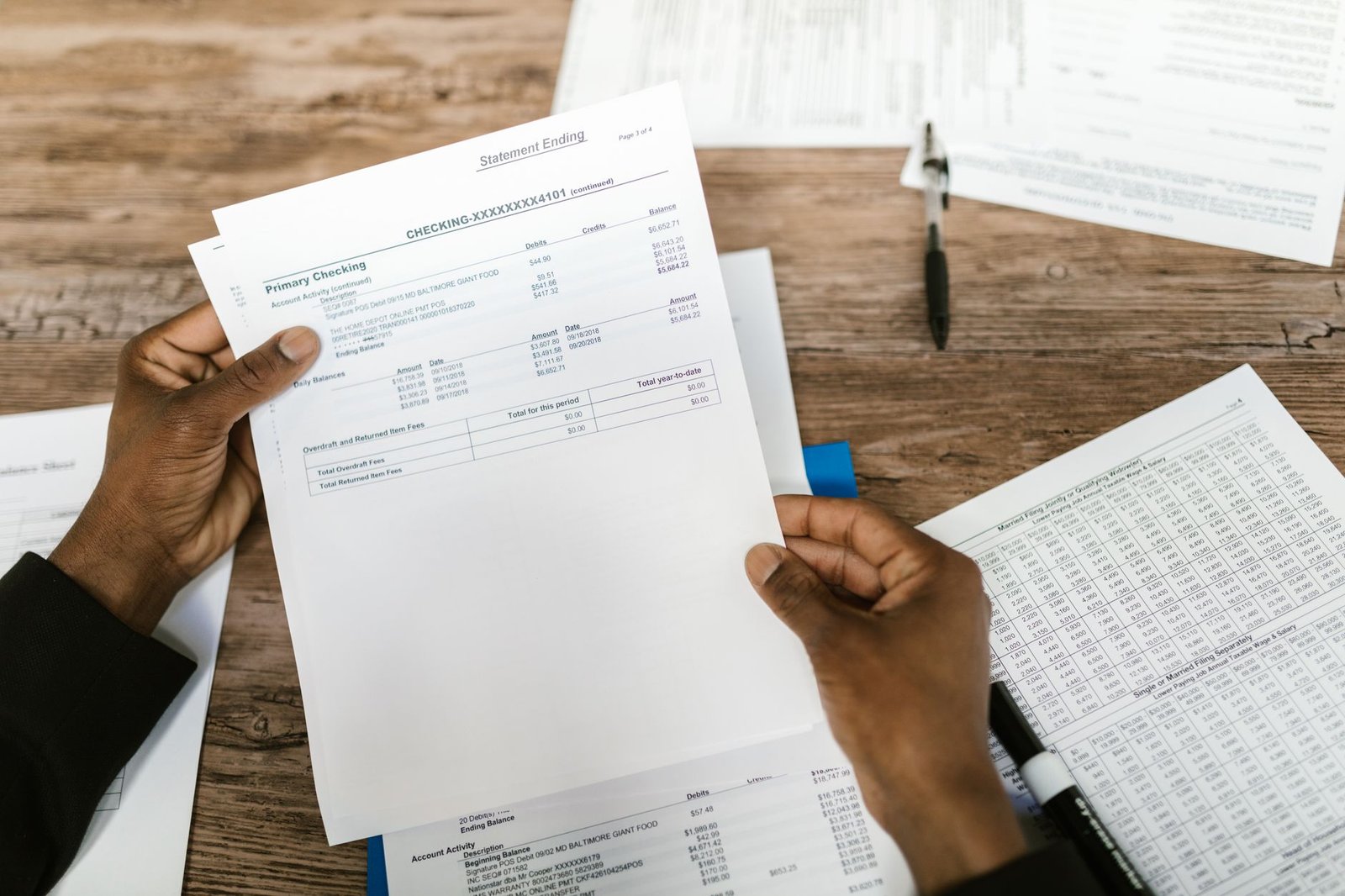
Documents Required for Opening a Demat Account
Gathering the right documents beforehand can significantly speed up the account opening process. Ensure all documents are valid and clearly legible.
Proof of Identity (POI)
Typically, your PAN card is mandatory. Other acceptable documents include Aadhaar Card, Voter ID card, Passport, or Driving License.
Proof of Address (POA)
Valid documents include Aadhaar Card, Passport, Voter ID card, utility bills (electricity, gas, telephone – not older than 3 months), bank statement, or registered lease agreement.
Proof of Income
This is primarily required if you plan to trade in derivatives (futures and options). Acceptable proofs include recent salary slips, bank statements (last 6 months), income tax assessment order, or a net worth certificate. Some brokers may ask for this even for equity trading.
Bank Account Proof
A cancelled cheque leaf with your name printed on it or a recent bank statement/passbook copy is required to link your bank account for fund transfers.
Choosing the Right Depository Participant (DP)
Selecting the right DP is a critical decision that impacts your trading experience. Consider these factors:
Brokerage Charges and Fees
Compare the brokerage rates for equity delivery, intraday trading, futures, and options. Also, check for account opening fees, annual maintenance charges (AMC), DP charges, and other hidden costs. Some brokers, like Zerodha and Upstox, offer zero or very low brokerage on certain segments.
Trading Platform and Technology
Evaluate the broker’s trading platform – be it a web-based platform, desktop software, or a mobile app. Check for features, ease of use, charting tools, order execution speed, and stability. A good TradingView indicator can be a game-changer here.
Customer Service
Responsive and helpful customer support is vital, especially for new investors. Look for brokers offering multiple support channels like phone, email, and chat, and check reviews regarding their service quality.
Additional Services
Some DPs offer additional services like research reports, IPO applications, mutual fund investments, margin funding, and educational resources. Assess if these align with your investment needs.
Frequently Asked Questions
How long does it take to open a Demat account?
Online account opening can take as little as 15 minutes to 24 hours after submitting all required documents and completing KYC. Offline processes may take a few days longer.
Is a PAN card mandatory for a Demat account?
Yes, a PAN card is mandatory for opening a Demat account in India for all individuals, as mandated by SEBI regulations.
Can I have more than one Demat account?
Yes, you can have multiple Demat accounts with different Depository Participants (DPs) or even with the same DP, provided they are linked to different bank accounts.
What is the Annual Maintenance Charge (AMC) for a Demat account?
AMCs vary across brokers, typically ranging from ₹0 to ₹750 per year. Some brokers offer AMC-free accounts for the first year or for specific account types.
Do I need a trading account to open a Demat account?
While you can technically open only a Demat account, it’s usually opened in conjunction with a trading account by stockbrokers. The trading account facilitates transactions, and the Demat account holds the securities.

Key Takeaways
- A Demat account is essential for holding securities electronically, enabling online trading on Indian stock exchanges.
- The process involves selecting a Depository Participant (DP), completing application forms, and submitting KYC documents (PAN, Aadhaar, address proof).
- Online account opening is fast, typically completed within 24 hours, while offline methods may take longer.
- Mandatory documents include PAN card, proof of identity, proof of address, and bank account proof.
- Choosing a DP requires evaluating brokerage charges, platform features, customer service, and additional offerings.
- Basic Service Demat Accounts (BSDA) are available for investors holding securities worth up to ₹2 lakh, offering reduced charges.
Investing in the stock market involves risk. Please consult your financial advisor before making investment decisions.







 Finovatives