



TL;DR: Positional trading is a strategy where traders hold positions for weeks or months to profit from medium-term price trends, requiring less active management than day trading but more than buy-and-hold investing.
Key Stats at a Glance:
- Nifty 50 average holding period for positional traders: 3 weeks to 3 months.
- Typical profit targets for positional trades: 15-30% or more.
- Number of major trends identified by positional traders annually: 4-8.
- Percentage of Indian retail traders interested in swing/positional strategies: ~65% (estimated).
- Average stop-loss placement: 5-10% below entry.
What is Positional Trading?
Positional trading is a market strategy focused on capturing price movements that occur over a period of weeks to months. Unlike day traders who exit positions within a single trading session, or long-term investors who hold for years, positional traders seek to profit from intermediate-term trends.
Why Choose Positional Trading?
Positional trading offers a compelling middle ground, appealing to traders who want to capitalize on market swings without the intense time commitment of day trading or the very long horizons of buy-and-hold investing.
Balancing Time and Profit
This approach allows traders to benefit from significant price moves, often driven by fundamental shifts or sustained technical patterns, while avoiding the constant monitoring required for intraday strategies. It’s a practical choice for working professionals or those with other commitments.
Riding Medium-Term Trends
The Indian stock market, with its dynamic economic environment, frequently presents medium-term trends. Positional traders aim to identify the start of these trends using a combination of technical and fundamental analysis and ride them until signs of reversal appear.

The Role of Technical and Fundamental Analysis
Positional traders often blend technical analysis—chart patterns, indicators like Moving Averages, MACD, and RSI—with a degree of fundamental awareness. Understanding the broader economic outlook, sector performance, and company-specific news can help validate a trade idea and anticipate trend longevity.
How to Identify Positional Trading Opportunities
Identifying the right stocks and market conditions for positional trades requires a systematic approach, focusing on capturing significant, sustainable price movements.
1. Market Trend Identification
The first step is to ascertain the overall market direction. Is the Nifty 50 or BSE Sensex in an uptrend, downtrend, or sideways consolidation? Positional traders generally prefer to trade in the direction of the primary trend.
2. Sector and Stock Selection
Once the market trend is established, identify sectors that are showing strength or are poised for growth. Within those sectors, look for individual stocks exhibiting strong uptrends, often breaking out of consolidation patterns or showing bullish chart formations.
3. Chart Pattern Recognition
Key chart patterns like flags, pennants, triangles, and cup-and-handle formations are crucial. These patterns suggest potential continuation of the existing trend after a period of consolidation. A breakout from these patterns, especially on increased volume, can signal a good entry point.
4. Indicator Confirmation
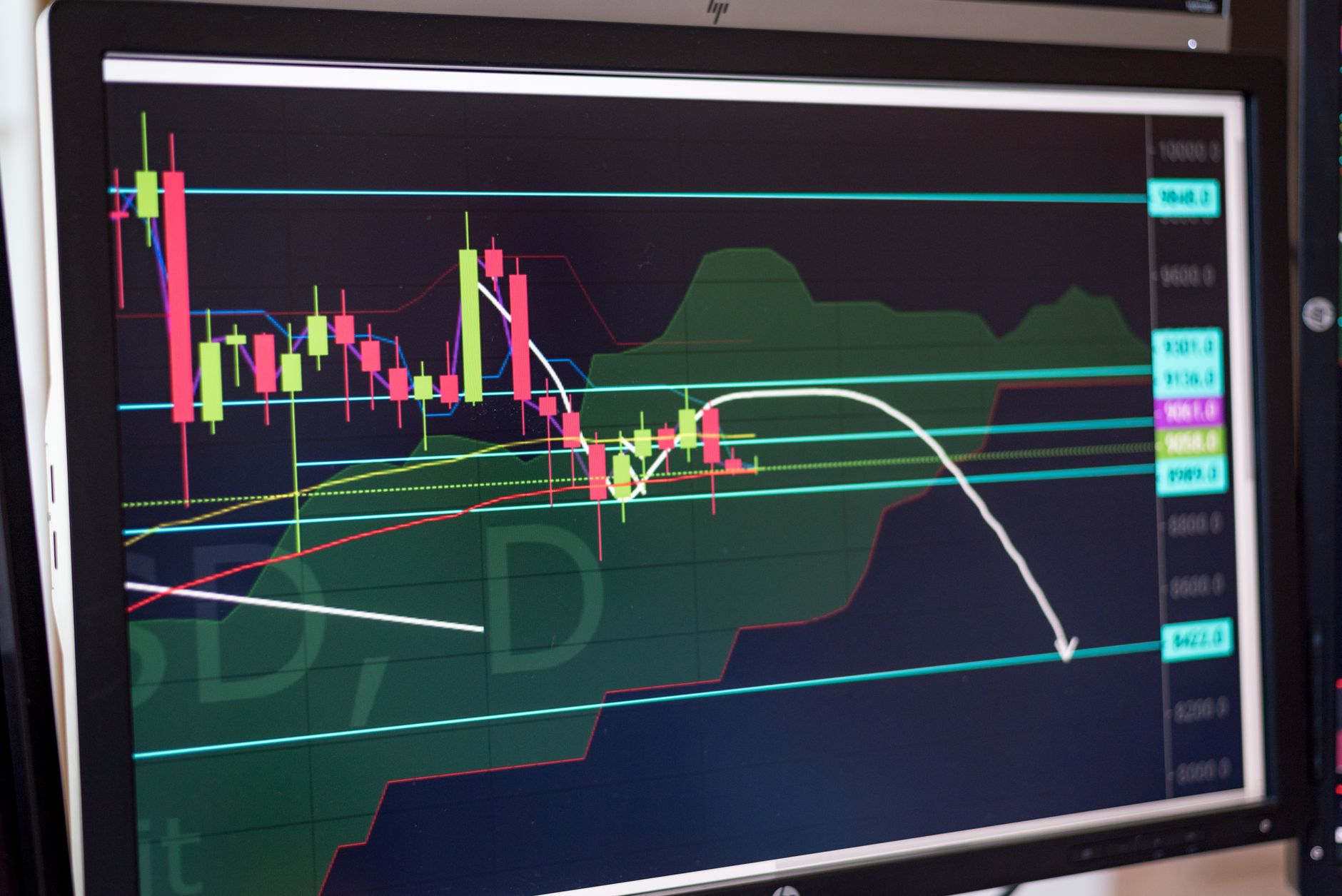
Utilise technical indicators to confirm the strength and potential longevity of the trend. Moving Average Crossovers (e.g., 50-day MA crossing above 200-day MA), MACD crossovers, and RSI levels (avoiding extreme overbought/oversold conditions for entry) can provide valuable confirmation.
5. Fundamental Catalysts
Look for stocks with potential fundamental catalysts such as upcoming earnings reports, new product launches, regulatory changes favourable to the sector, or positive macroeconomic news. These can provide the fuel for a sustained price move.
Key Strategies for Positional Traders
Effective positional trading relies on robust strategies that manage risk while maximising profit potential. Employing a mix of entry techniques, risk management, and exit criteria is crucial.
Trend Following with Moving Averages
A classic strategy involves using longer-term moving averages (like the 50-day and 200-day Simple Moving Averages or Exponential Moving Averages) to define the trend. Entry might occur when the price crosses above a key MA or when a shorter-term MA crosses above a longer-term MA. The trade is held as long as the price remains above the key MAs.
Breakout Trading
This strategy focuses on identifying stocks consolidating in a range or pattern and entering when the price decisively breaks out of that range or pattern. Confirmation with increased volume is essential to validate the breakout’s strength. A breakout above resistance levels or pattern boundaries can signal the start of a new trend.
Support and Resistance Plays
Positional traders can also buy stocks near strong support levels, anticipating a bounce, or sell short near strong resistance levels, expecting a decline. This requires careful observation of how the price reacts at these key horizontal levels. The trend direction should still be a primary consideration.

Using Oscillators for Entries
While not primary trend indicators, oscillators like the Relative Strength Index (RSI) or Stochastic Oscillator can help refine entry points. For instance, entering a long position when an uptrend is confirmed and the oscillator pulls back from overbought territory towards the 50-level can offer a better risk-reward ratio.
Stop-Loss Placement
Crucially, every positional trade must have a stop-loss order placed to limit potential losses. This is typically set below a recent swing low, a key support level, or a certain percentage below the entry price (e.g., 5-10%).
How to Implement a Positional Trading Strategy
Successfully executing a positional trading strategy involves discipline, patience, and a clear plan from entry to exit.
- Define your trading objective and risk tolerance: Understand how much capital you are willing to risk per trade and what your profit expectations are.
- Conduct thorough market and stock analysis: Identify the overall market trend and select stocks showing strong potential based on technical patterns and fundamental catalysts. Use tools like Finovatives’s TradingView indicator for detailed analysis.
- Determine your entry point: Wait for confirmation signals, such as a breakout or a bullish pattern completion, supported by indicators and volume.
- Set your stop-loss: Place a stop-loss order immediately after entering the trade to protect your capital. This should be based on technical levels, not arbitrary percentages.
- Manage the trade: Trail your stop-loss upwards as the price moves in your favour to lock in profits. Avoid exiting prematurely based on short-term fluctuations.
- Define your exit strategy: Decide in advance under what conditions you will exit the trade – e.g., hitting a profit target, a trailing stop-loss being triggered, or a clear reversal signal on the charts.
- Review and learn: After each trade, analyze its outcome, whether profitable or not, to identify what worked well and what could be improved for future trades.

Managing Risk in Positional Trading
Positional trading, while less demanding than day trading, still carries inherent risks. Effective risk management is paramount to long-term success.
Position Sizing
Never risk more than a small percentage (typically 1-2%) of your total trading capital on any single trade. This ensures that a few losing trades do not decimate your account. Position size is determined by the distance between your entry price and your stop-loss.
Stop-Loss Orders
As mentioned, stop-loss orders are non-negotiable. They provide a predefined exit point if the trade moves against you, preventing catastrophic losses. Understanding support and resistance levels helps in placing effective stops.
Diversification (Limited)
While positional traders focus on specific trends, maintaining a portfolio of 3-5 uncorrelated positions can reduce overall portfolio risk. However, over-diversification can dilute focus and potential gains.
Avoiding Overtrading
Patience is key. Wait for high-probability setups rather than forcing trades. The market doesn’t offer opportunities every day, and it’s better to miss a few trades than to take bad ones.

Frequently Asked Questions
What is the typical holding period for positional trading?
Positional trades are typically held for a period ranging from a few weeks to several months, aiming to capture medium-term price trends.
Is positional trading suitable for beginners?
Yes, it can be suitable as it requires less time commitment than day trading, allowing beginners to learn and manage trades alongside other responsibilities.
What is the difference between positional trading and swing trading?
Swing trading usually targets shorter timeframes (days to weeks) and smaller price moves, while positional trading aims for larger moves over weeks to months.
How much profit can one expect from positional trading?
Profit targets vary greatly, but positional traders often aim for 15-30% or more per trade by riding significant trends.
What are the best indicators for positional trading?
Commonly used indicators include Moving Averages, MACD, RSI, and Volume, often used in conjunction with chart patterns like breakouts and trendlines.
Do positional traders use fundamental analysis?
Many positional traders incorporate fundamental analysis to understand the underlying strength of a company or sector, which can support the sustainability of a price trend.






 Finovatives