


TL;DR: Sectoral rotation is a dynamic investment strategy that involves shifting capital between different market sectors based on their performance relative to the economic cycle and market trends, aiming to maximize returns by being invested in leading sectors at the right time.
Key Stats at a Glance:
- Nifty 500 index saw over 15% of its constituents outperform the index in 2023, highlighting sectoral divergence.
- Historically, certain sectors like IT and Pharma have shown resilience during economic downturns, while others like Infrastructure and Banking surge during recovery phases.
- NSE’s market capitalisation crossed ₹300 lakh crore in early 2024, indicating substantial capital deployment opportunities.
- Average holding period for successful sector rotation trades can be as low as 3-6 months for short-term gains.
- India’s GDP growth forecast for FY25 is projected between 6.5% – 7.0% by various economic agencies, influencing sectoral outlook.
What is Sectoral Rotation Strategy?
The sectoral rotation strategy is an investment approach where investors cyclically move their capital from one industry sector to another, anticipating shifts in the economic cycle and market sentiment. The core idea is that different sectors perform best at different stages of the economic cycle (e.g., expansion, peak, contraction, trough), and by identifying these shifts, investors can gain an edge.
Why is Sectoral Rotation Important in Indian Markets?
Sectoral rotation is particularly relevant and impactful in the Indian stock market due to its inherent cyclical nature and diverse economic drivers. India’s economy is a mix of established industries and rapidly growing newer sectors, each influenced by domestic policies, global trends, and commodity prices. Understanding these dynamics allows traders to position their portfolios to benefit from specific sector upswings, potentially leading to alpha generation beyond the broader market index returns.
Identifying Leading Sectors
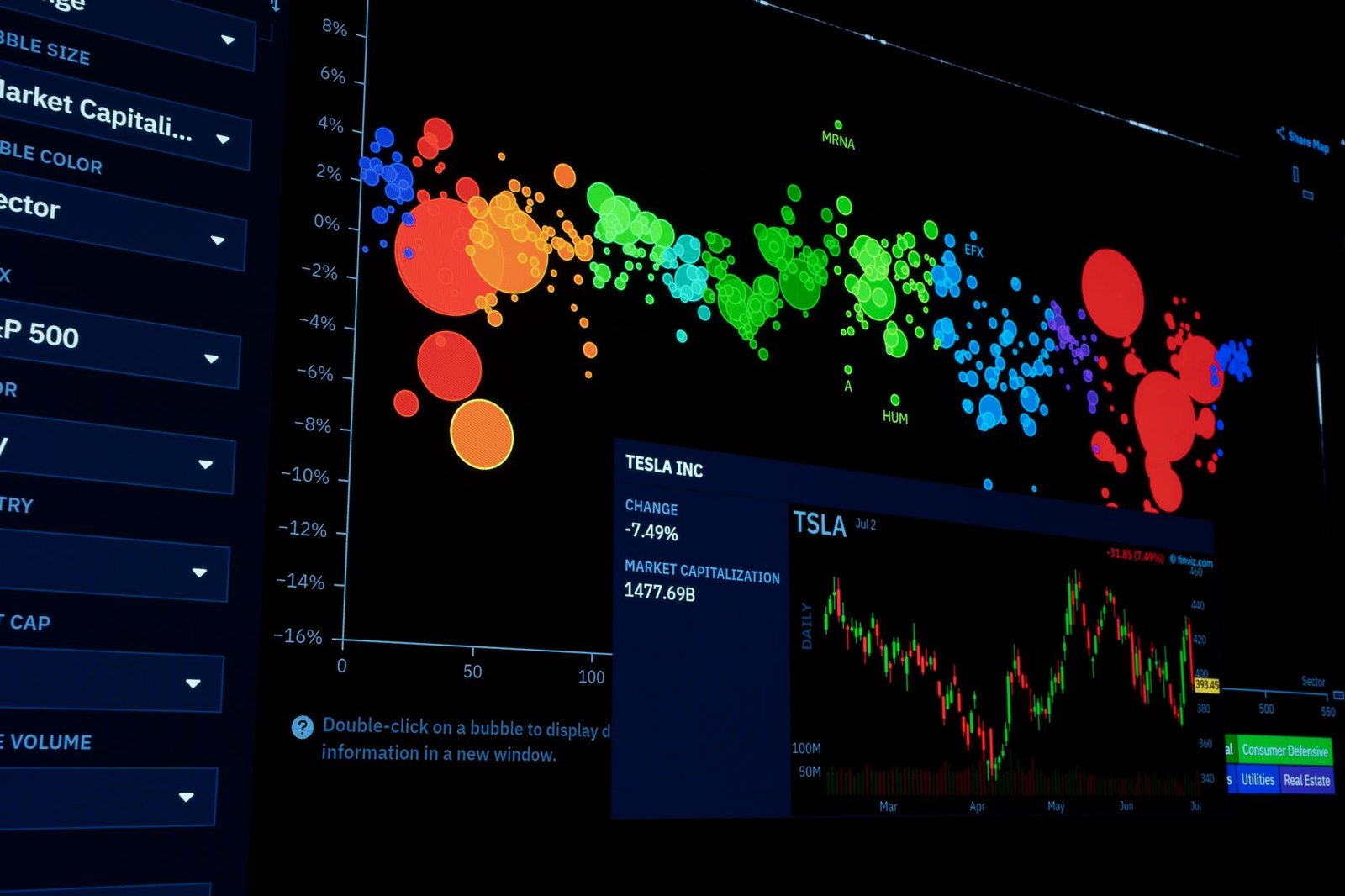
The first step in employing a sectoral rotation strategy is to identify which sectors are likely to lead the market in the near future. This involves a multi-faceted analysis:
- Economic Cycle Analysis: Correlating current economic indicators (GDP growth, inflation, interest rates, manufacturing PMI) with historical sector performance during similar phases. For instance, rising interest rates might favour banking and financial services, while a booming manufacturing PMI could signal strength in industrials and materials.
- Market Sentiment and News Flow: Monitoring news related to government policies, regulatory changes, global events, and corporate earnings announcements that could disproportionately impact specific sectors. For example, budget announcements often create tailwinds for infrastructure or defence stocks.
- Technical Indicators: Using tools like Relative Strength Index (RSI), MACD, and moving averages on sector-specific Exchange Traded Funds (ETFs) or index charts (like Nifty IT, Nifty Bank) to identify breakout patterns or bullish momentum.
Understanding Market Cycles
Markets move in cycles, and different sectors tend to outperform during different phases of these cycles. A common framework categorises these into four stages:
- Early Cycle (Recovery): Typically sees interest-rate sensitive sectors like banking, financials, and consumer durables perform well as economic activity picks up.
- Mid Cycle (Expansion): Growth-oriented sectors such as IT, manufacturing, and industrials often lead as corporate earnings accelerate and investment increases.
- Late Cycle (Peak): Defensive sectors like FMCG, healthcare, and utilities might show relative strength as economic growth starts to plateau, and investors seek stability.
- Recession (Trough): While most sectors struggle, some may find opportunities. However, the focus shifts to capital preservation and identifying potential bottom-fishers for the next cycle.

How to Implement a Sector Rotation Strategy?
Implementing a sectoral rotation strategy requires a systematic approach to ensure timely entry and exit from sectors. It’s not just about picking winners but also about avoiding laggards.
- Define Your Investment Horizon: Decide whether you are looking for short-term (weeks to months) or medium-term (months to a year) sector plays.
- Analyse Macroeconomic Trends: Study current economic data and forecasts to determine the likely phase of the economic cycle.
- Research Sector Performance: Use tools like Finovatives.com’s TradingView indicators to analyse historical and current performance of various Nifty sectoral indices (e.g., Nifty Pharma, Nifty Auto).
- Identify Leading Indicators: Look for sectors showing strong relative strength against the broader market, evidenced by higher price momentum and positive news flow.
- Determine Entry Points: Enter a sector when it shows signs of breaking out or displaying sustained upward momentum, often confirmed by technical analysis.
- Set Profit Targets and Stop-Losses: Define clear exit points for both profit-taking and risk management. This is crucial as sectors can reverse quickly.
- Monitor and Rebalance: Continuously monitor economic conditions and sector performance. Be prepared to exit a sector if the initial thesis changes or if it starts underperforming.
- Reinvest in Emerging Leaders: As you exit an underperforming sector, redeploy the capital into newly identified leading sectors.
Choosing the Right Tools
Effective sectoral rotation relies on robust analysis. Tools that provide real-time data, historical performance charts, and sentiment indicators are invaluable. Platforms offering advanced charting capabilities and customisable indicators can significantly enhance decision-making. For Indian markets, focusing on Nifty sectoral indices provided by NSE is a good starting point.
Leveraging Technical and Fundamental Analysis
A blend of technical and fundamental analysis is key:
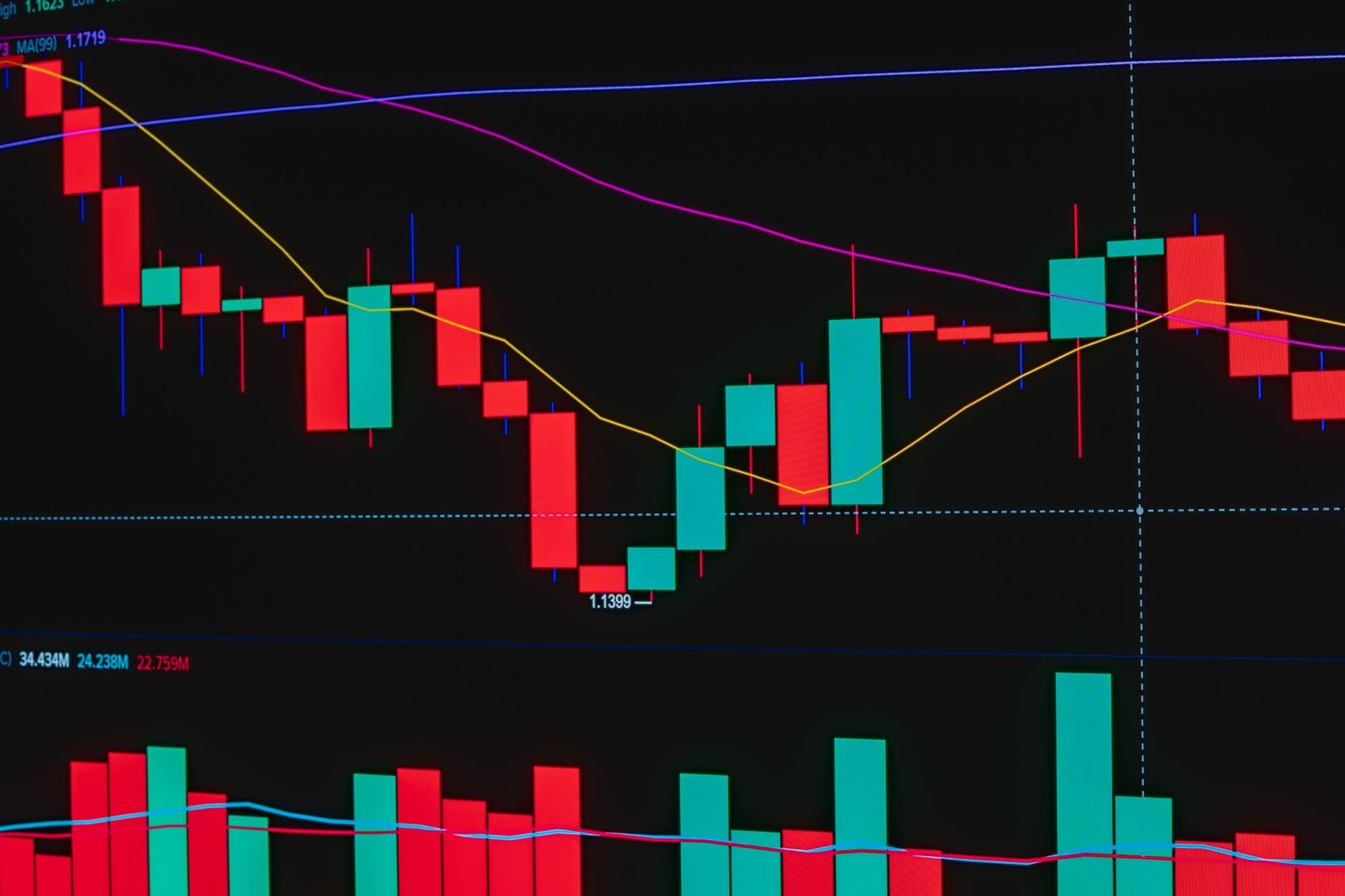
- Technical Analysis: Helps in timing entries and exits by identifying chart patterns, support/resistance levels, and momentum indicators for specific sectors or stocks within them. Relative Strength analysis is particularly useful here.
- Fundamental Analysis: Involves understanding the underlying business and economic drivers of a sector. This includes factors like industry growth prospects, regulatory environment, competitive landscape, and corporate profitability.
For instance, if fundamental analysis suggests that the renewable energy sector has long-term growth potential due to government policy, technical analysis can help pinpoint the optimal time to buy, perhaps after a period of consolidation or a breakout from a resistance level.
Risk Management in Sector Rotation
Sectoral rotation is not without risks. A misjudgement of the economic cycle or sector performance can lead to losses. Therefore, stringent risk management is paramount:
- Diversification: While focusing on specific sectors, ensure your overall portfolio isn’t overly concentrated in just one or two.
- Position Sizing: Allocate capital prudently to each sector trade based on your risk tolerance and conviction.
- Stop-Loss Orders: Always use stop-loss orders to limit potential downside if a trade moves against you.
- Avoid Chasing Performance: Entering a sector solely because it has already performed exceptionally well can be a trap, as the best gains may have already occurred.
Frequently Asked Questions
What is the best time to rotate sectors?
The optimal time to rotate sectors is when indicators suggest a shift in economic cycle or when a sector shows significant divergence in performance compared to the broader market and other sectors.
Can sectoral rotation be applied to long-term investing?
Yes, while often associated with tactical trading, sectoral rotation can be integrated into long-term investing by periodically re-evaluating sector allocations based on long-term economic trends and growth prospects.
What are the main risks of sectoral rotation?
The primary risks include misjudging economic cycles, timing entry/exit points incorrectly, and over-concentration in volatile sectors, potentially leading to significant capital loss.
How do I identify leading sectors?
Identify leading sectors by analysing macroeconomic trends, monitoring news and policy changes, and using technical indicators to spot relative strength and momentum against the market.
Is sectoral rotation suitable for beginners?
Sectoral rotation can be complex for absolute beginners. It requires a good understanding of market cycles, economic indicators, and technical analysis. Starting with a few well-researched sectors might be a prudent approach.
Which sectors typically lead during economic recovery?
During economic recovery, sectors sensitive to interest rates and consumer spending, such as banking, financial services, automobiles, and consumer durables, tend to lead.
Key Takeaways:
- Sectoral rotation is a strategy to capitalize on changing economic cycles by shifting investments between sectors.
- Understanding market cycles is crucial to identify which sectors are likely to perform best at different stages.
- A combination of macroeconomic analysis, fundamental research, and technical indicators is vital for successful implementation.
- Prudent risk management, including stop-losses and position sizing, is essential to mitigate potential losses.
- Continuous monitoring and rebalancing are necessary as market conditions and sector leadership can change rapidly.
- Tools and platforms providing real-time data and analytical capabilities are indispensable for this strategy.
- Sectoral rotation, while potentially rewarding, requires a disciplined approach and a good understanding of market dynamics.
Disclaimer: Investing in the stock market involves inherent risks. Please consult with a qualified financial advisor before making any investment decisions.






 Finovatives