

TL;DR: The best intraday trading strategies for the Indian stock market involve quick execution of well-researched techniques like scalping, trend following, or support/resistance trading, focusing on high liquidity stocks and strict risk management to capture small, frequent profits within a single trading session.
Key Stats at a Glance:
- Average daily trading volume on NSE: Over ₹1.5 Lakh Crore in FY24.
- Nifty 50’s average daily range: Approximately 0.8% – 1.2%.
- Most volatile trading hours: 9:15 AM – 10:30 AM IST.
- Typical success rate for new intraday traders: Under 20%.
- Number of active futures & options contracts traded daily on NSE: Millions.
What is Intraday Trading?
Intraday trading, also known as day trading, is the practice of buying and selling financial instruments within the same trading day, with all positions closed before the market closes.
This strategy aims to profit from small price fluctuations that occur during the trading session. Unlike long-term investing, intraday traders do not hold positions overnight, thus avoiding overnight risk. Success in intraday trading hinges on rapid decision-making, keen market observation, and disciplined execution. The Indian stock market, with its vibrant and often volatile sessions on the NSE and BSE, provides numerous opportunities for skilled intraday traders. Understanding market dynamics, utilizing technical analysis tools, and employing specific trading strategies are crucial for profitability.
The primary goal is to capture short-term price movements. This requires a deep understanding of market sentiment, news events that could impact prices, and the technical indicators that signal potential entry and exit points. Intraday traders often leverage their capital to amplify potential profits, but this also magnifies potential losses. Therefore, robust risk management is not just advisable; it’s essential.
Why is Intraday Trading Popular in India?
Intraday trading is popular in India due to the potential for quick profits and the availability of high liquidity in the market, especially in popular stocks and derivatives.
The Indian stock market, particularly the National Stock Exchange (NSE) and Bombay Stock Exchange (BSE), offers a dynamic environment where price movements can be significant within a single day. This volatility, when coupled with high liquidity, creates ample opportunities for traders looking to profit from short-term price swings. Furthermore, advancements in technology and trading platforms, including sophisticated TradingView indicators, have made it easier for retail traders to access market data and execute trades quickly. Many brokers also offer margin facilities, allowing traders to control larger positions with a smaller capital outlay, further enhancing the allure of intraday trading. The sheer volume of trades executed daily, often exceeding ₹1.5 Lakh Crore, underscores the market’s active participation.
Leveraging Volatility
The inherent price swings in the Indian market, especially during opening and closing hours, are a goldmine for intraday traders.
Accessibility and Technology
Online trading platforms and mobile apps have democratised access to stock markets, making intraday trading feasible for a wider audience.
Potential for Quick Returns
The ability to generate profits within hours, rather than days or weeks, is a major draw for many traders.
Top Intraday Trading Strategies
Several well-defined strategies can be employed for intraday trading, each suited to different market conditions and trader personalities.
The most effective intraday trading strategies often involve a combination of technical analysis and a deep understanding of market momentum. Traders must select a strategy that aligns with their risk tolerance and available time. Whether employing a scalping approach to capture minuscule profits from high-frequency trades or a trend-following strategy to ride larger intraday moves, discipline and adaptability are key. The choice often depends on the specific stock, the prevailing market sentiment, and the time of day. For instance, the initial hours after market open (9:15 AM to 10:30 AM IST) are typically the most volatile and offer significant opportunities but also carry higher risk.
Scalping
Scalping involves executing a large number of trades to capture very small profits on each, aiming for a high win rate.
Scalpers look for tiny price changes, often just a few paisa, and exit trades very quickly, sometimes within seconds. This requires extreme focus, fast execution, and tight stop-losses to avoid giving back profits. It’s best suited for highly liquid stocks with tight bid-ask spreads.
A successful scalper uses high leverage and focuses on a few select stocks. They rely heavily on Level 2 data and order book analysis, in addition to fast charting tools. Implementing a robust Trend Traders Tool can significantly aid in identifying these fleeting scalping opportunities.
Trend Following
This strategy involves identifying the prevailing trend of a stock during the day and trading in the direction of that trend.
Traders using this method look for stocks that are consistently moving either upwards or downwards. They might enter a long position when an uptrend is confirmed or a short position when a downtrend is established. Moving averages, like the 5-day or 13-day EMA, and trendlines are common tools used to identify and confirm trends. Exits are typically managed when the trend shows signs of reversing or a predefined profit target is hit. The Nifty 50 itself often exhibits clear intraday trends that can be exploited.
Support and Resistance Trading
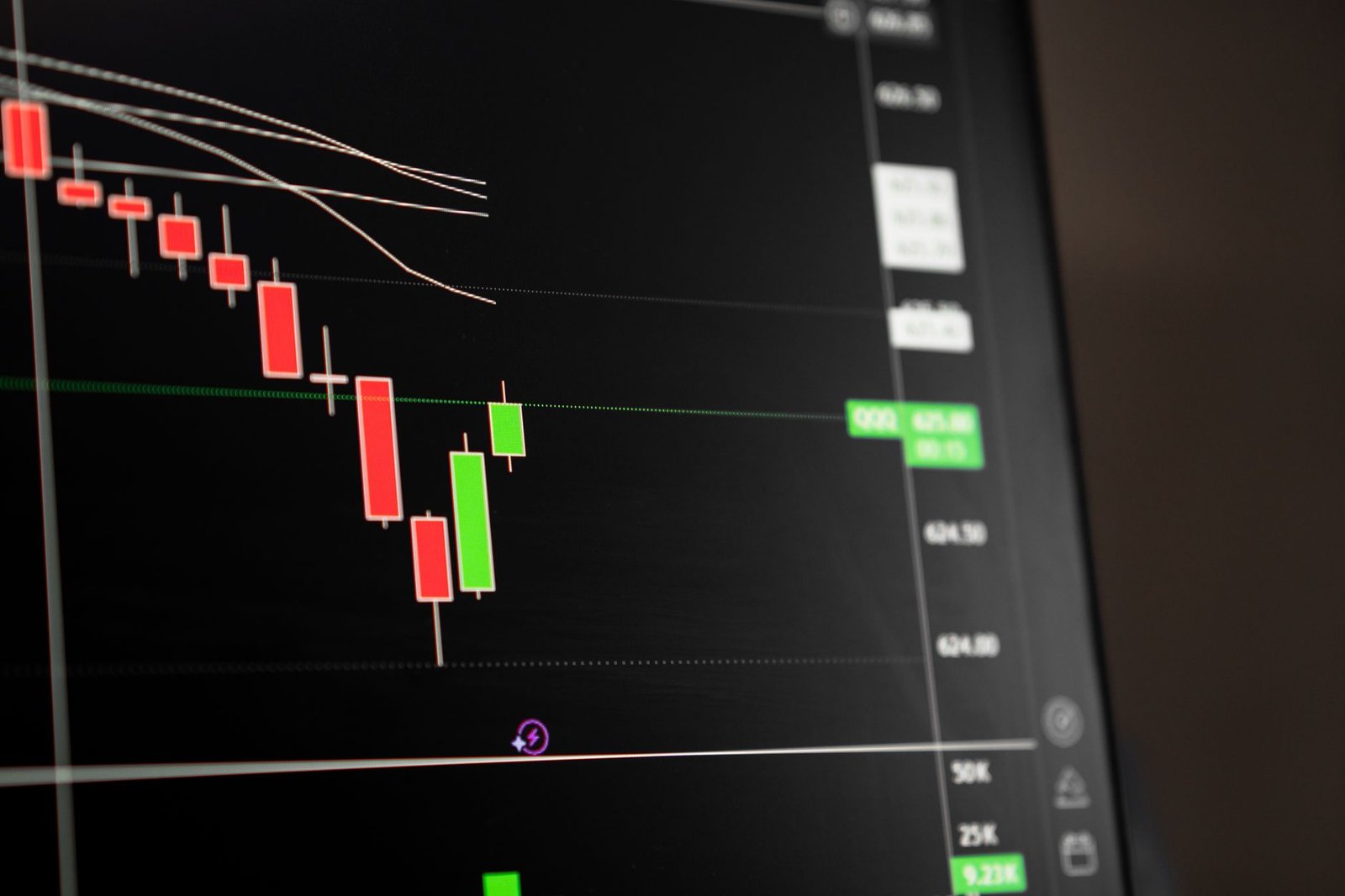
This approach focuses on identifying key price levels where a stock historically tends to stop falling (support) or stop rising (resistance).
Traders anticipate that prices will bounce off these levels. When a stock approaches a support level, a trader might buy, expecting it to rise. Conversely, when it nears a resistance level, they might sell or short-sell, expecting it to fall. Breakouts above resistance or below support are also traded, often with the expectation of a strong move in the breakout direction. Chart patterns and historical price action are critical for pinpointing these levels accurately.
Breakout Trading
Breakout trading aims to profit from the sudden and significant price movement that occurs when a stock price moves beyond a defined range or chart pattern.
Traders identify consolidation patterns like triangles, flags, or rectangles, or key support/resistance levels. They then place orders to enter a trade when the price decisively breaches these boundaries. The expectation is that the momentum will carry the price further in the direction of the breakout. This strategy can be highly profitable but also prone to false breakouts, necessitating strict stop-loss measures.
Momentum Trading
Momentum trading involves identifying stocks that are exhibiting strong price movement in a particular direction and capitalizing on that momentum.
Traders look for stocks that are moving rapidly, often accompanied by high trading volumes. They aim to enter trades just as the momentum is building and exit before it fades. Indicators like the Relative Strength Index (RSI) or MACD can help confirm the strength and direction of momentum. This strategy is often employed during periods of high market activity, such as the first hour of trading.
News-Based Trading
This strategy capitalizes on the price volatility generated by significant news events related to a company or the broader economy.
Traders monitor economic calendars and company announcements (earnings reports, mergers, regulatory changes). They attempt to predict the market’s reaction to the news and place trades accordingly. This requires quick information processing and a good understanding of how different types of news typically affect stock prices. For example, a positive earnings surprise can trigger a sharp upward move.
How to Choose the Right Intraday Strategy
Selecting the most suitable intraday trading strategy involves self-assessment and market analysis.
The Indian stock market is diverse, and no single strategy works for all traders or all market conditions. A crucial first step is understanding your own risk tolerance. Are you comfortable with high-risk, high-reward plays like scalping, or do you prefer the steadier, albeit slower, pace of trend following? Next, consider the time commitment you can dedicate. Scalping requires constant attention, while trend following might allow for periodic checks. Evaluate the instruments you trade; some strategies work better with highly liquid large-cap stocks, while others might be applicable to more volatile mid-caps. Finally, backtest potential strategies using historical data and consider paper trading before committing real capital. Platforms offering free trial periods can be invaluable for this testing phase.
- Assess your risk tolerance: Determine how much capital you are willing to risk per trade and overall.
- Analyze your time availability: Decide how much time you can actively monitor the market each day.
- Understand market conditions: Identify whether the market is trending, ranging, or highly volatile.
- Study stock liquidity and volatility: Choose stocks that align with your chosen strategy’s requirements (e.g., high liquidity for scalping).
- Learn technical indicators: Familiarize yourself with indicators relevant to your strategy (e.g., Moving Averages for trend following, RSI for momentum).
- Backtest your strategy: Use historical data to see how your chosen strategy would have performed.
- Paper trade: Practice the strategy with virtual money on a demo account before risking real capital.
- Start small and adapt: Begin with small positions and refine your strategy based on real-time results.
Essential Tools for Intraday Traders
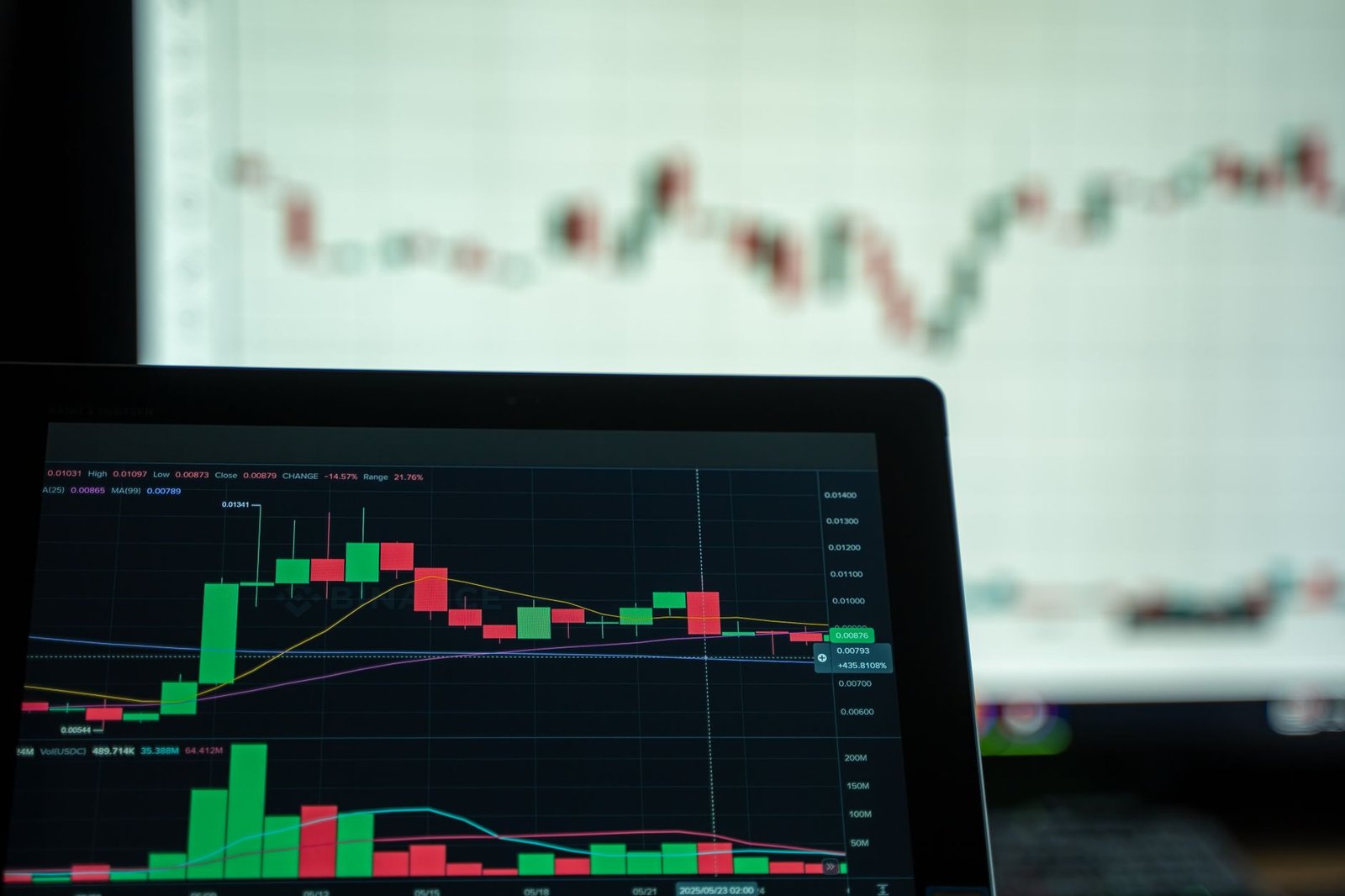
Effective intraday trading relies on a suite of tools that provide real-time data and analytical capabilities.
Traders need access to fast and reliable market data, including live price feeds and order book information. Charting software is indispensable for technical analysis, allowing traders to identify patterns, trends, and key levels. Many traders utilize advanced TradingView indicators to gain an edge. News terminals and economic calendars are crucial for staying informed about events that can impact market movements. Furthermore, a robust trading platform with low latency execution is vital. Risk management tools, such as stop-loss order functionalities and position sizing calculators, are equally important. The availability of margin from brokers can also be a critical tool, though it must be used judiciously.
Real-time Data Feeds
Instantaneous access to price movements, order books, and volume data is critical.
Advanced Charting Software
Tools for technical analysis, pattern recognition, and indicator application are fundamental.
News and Economic Calendars
Staying updated on market-moving events is crucial for informed decision-making.
Trading Platform
A reliable platform with fast execution speeds and a user-friendly interface is essential.
Risk Management Tools
Stop-loss orders, position sizing calculators, and portfolio trackers help manage risk effectively.
Risk Management in Intraday Trading
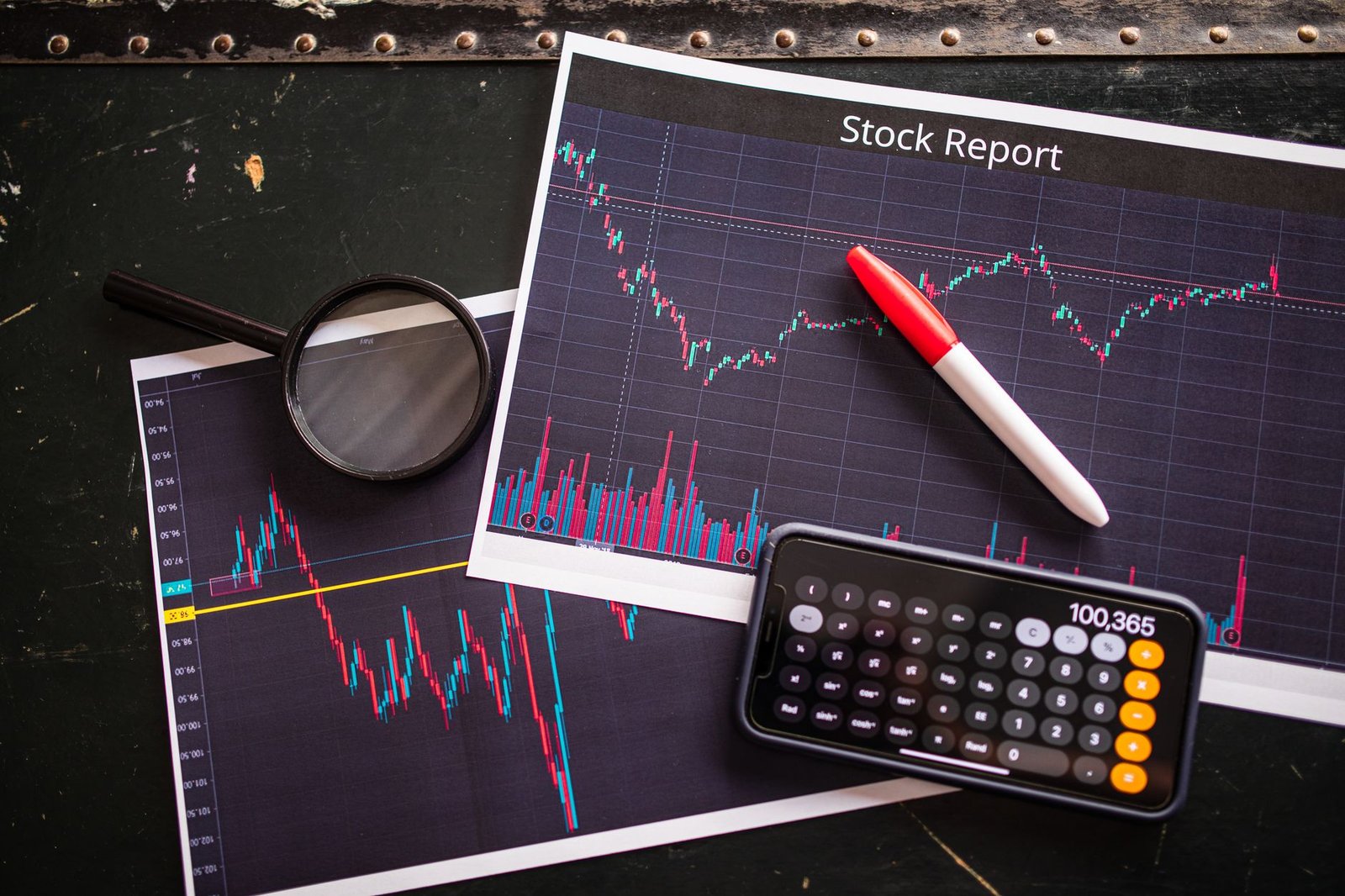
Strict risk management is paramount for survival and profitability in intraday trading.
The inherent volatility and speed of intraday trading mean that losses can accumulate quickly if not managed properly. The cardinal rule is to never risk more than a small percentage of your trading capital on any single trade, typically 1-2%. Implementing hard stop-losses on every trade is non-negotiable; this predetermined exit point limits potential losses if the trade goes against you. Diversification across different stocks or sectors can help mitigate risk, though intraday traders often focus on a few highly liquid instruments. Understanding position sizing – determining how many shares to buy or sell based on your stop-loss level and risk tolerance – is also a critical component of risk management. Adhering to these principles, as advised by SEBI guidelines for risk disclosure, protects capital and allows traders to stay in the game.
Setting Stop-Loss Orders
Always define your maximum acceptable loss before entering a trade and set a stop-loss order accordingly.
Position Sizing
Calculate the number of shares to trade based on your stop-loss distance and risk percentage.
Never Average a Losing Trade
Avoid adding to a losing position, as this increases your overall risk exposure.
Cut Losses Short, Let Profits Run
The mantra of successful trading: exit losing trades quickly and allow winning trades to grow.
Regularly Review Trades
Analyze your trading journal to identify mistakes and refine your strategies.
Frequently Asked Questions
What is the best time for intraday trading in India?
The best time is typically the first 1.5 to 2 hours after the market opens (9:15 AM to 10:45 AM IST) due to higher volatility and trading volumes, offering more opportunities.
How much capital is needed for intraday trading?
While you can start with a smaller amount, a capital of ₹20,000 to ₹50,000 is often recommended for meaningful trading, allowing for proper diversification and risk management.
Which stocks are best for intraday trading?
Highly liquid stocks with significant daily trading volumes, often from Nifty 50 or F&O segments, are generally preferred for intraday trading.
Is intraday trading risky?
Yes, intraday trading is highly risky due to rapid price fluctuations and leverage. Strict risk management and disciplined trading are essential to mitigate these risks.
Can I use leverage for intraday trading?
Yes, most brokers offer leverage (margin) for intraday trading, allowing you to trade larger positions. However, leverage amplifies both profits and losses, so use it with extreme caution.
How do I start intraday trading with no experience?
Start by educating yourself thoroughly, practicing with a virtual trading account (paper trading), and then begin with very small capital and a well-defined strategy.
Key Takeaways:
- Intraday trading involves buying and selling within the same day to profit from small price movements.
- Popular strategies include scalping, trend following, support/resistance, breakout, momentum, and news-based trading.
- Choosing a strategy depends on risk tolerance, time availability, and market conditions.
- Essential tools include real-time data, charting software, and a reliable trading platform.
- Strict risk management, including stop-losses and proper position sizing, is crucial for survival.
- The Indian market offers opportunities but requires discipline, knowledge, and continuous learning.
Trading in the securities market is subject to market risks. Please read all the related documents carefully before investing.



 Finovatives