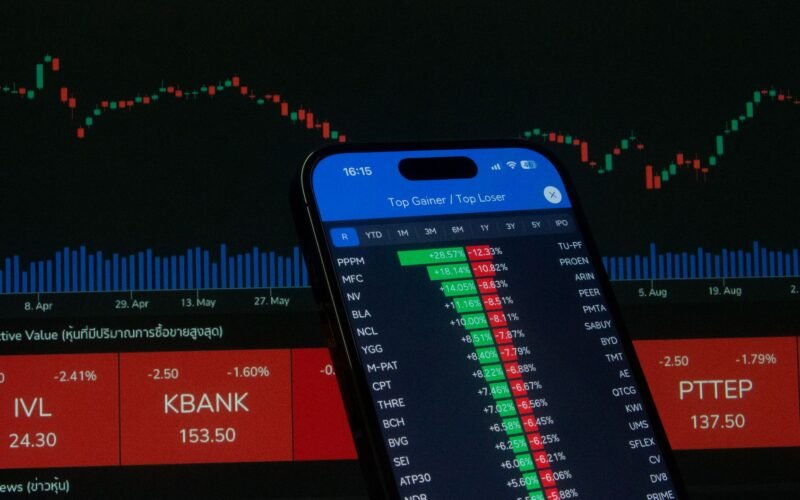


TL;DR: Successful intraday trading in the Indian stock market hinges on employing strategies like scalping, momentum trading, and breakout plays, coupled with strict risk management and real-time analysis of technical indicators.
Key Stats at a Glance:
- NSE Average Daily Turnover (Intraday): ₹8.5 Lakh Crore (approx. Q1 2024)
- Nifty 50 Volatility Index (India VIX): Historically averages 15-20
- Average Bid-Ask Spread on liquid stocks: Under 0.1%
- Retail Investor Participation in Equity Futures & Options: Over 40%
- Successful Intraday Trades Often Execute Within 15-30 Minutes
What are the top intraday trading strategies for the Indian stock market?
The top intraday trading strategies for the Indian stock market involve identifying short-term price movements and exploiting them for quick profits before the market closes. These strategies rely heavily on technical analysis, real-time data, and strict adherence to risk management protocols.
Understanding Intraday Trading Dynamics
Intraday trading, also known as day trading, involves buying and selling financial instruments within the same trading day. The goal is to profit from small price fluctuations that occur throughout the trading session. In the Indian context, this typically applies to stocks listed on the National Stock Exchange (NSE) and Bombay Stock Exchange (BSE), as well as commodities on MCX and currencies on the NSE’s F&O segment. The high liquidity and volatility in these markets offer opportunities for intraday traders, but also significant risks. Successful day traders often focus on a specific set of stocks or sectors they understand well, monitoring news and events that could impact prices. The NSE has over 2,000 listed stocks, providing a vast universe for trading, but concentrating on actively traded securities is crucial for intraday success.
The Importance of Technical Analysis
Technical analysis is the cornerstone of most intraday trading strategies. It involves studying historical price charts and trading volumes to predict future price movements. Intraday traders use various technical indicators and charting patterns to make rapid decisions. Key tools include moving averages, MACD, RSI, Bollinger Bands, and support/resistance levels. Understanding chart patterns like flags, pennants, head and shoulders, and double tops/bottoms is also vital. The ability to interpret these signals quickly is paramount, as intraday opportunities can vanish within minutes.
Risk Management: The Golden Rule
Risk management is non-negotiable for intraday traders. Given the fast-paced nature of day trading and the potential for rapid losses, setting strict stop-loss orders is imperative. A stop-loss order automatically sells a security when it reaches a certain price, limiting potential downside. Position sizing – determining how much capital to allocate to a single trade – is another critical component. Most seasoned traders risk no more than 1-2% of their total trading capital on any single trade. Diversification is less of a focus for intraday traders compared to long-term investors, but understanding the correlation between different instruments can be beneficial.
Popular Intraday Trading Strategies in India
Several proven strategies are favoured by Indian intraday traders due to the market’s characteristics. These strategies aim to capitalize on short-term momentum, price reversals, or significant price movements upon breaking key levels.
1. Scalping
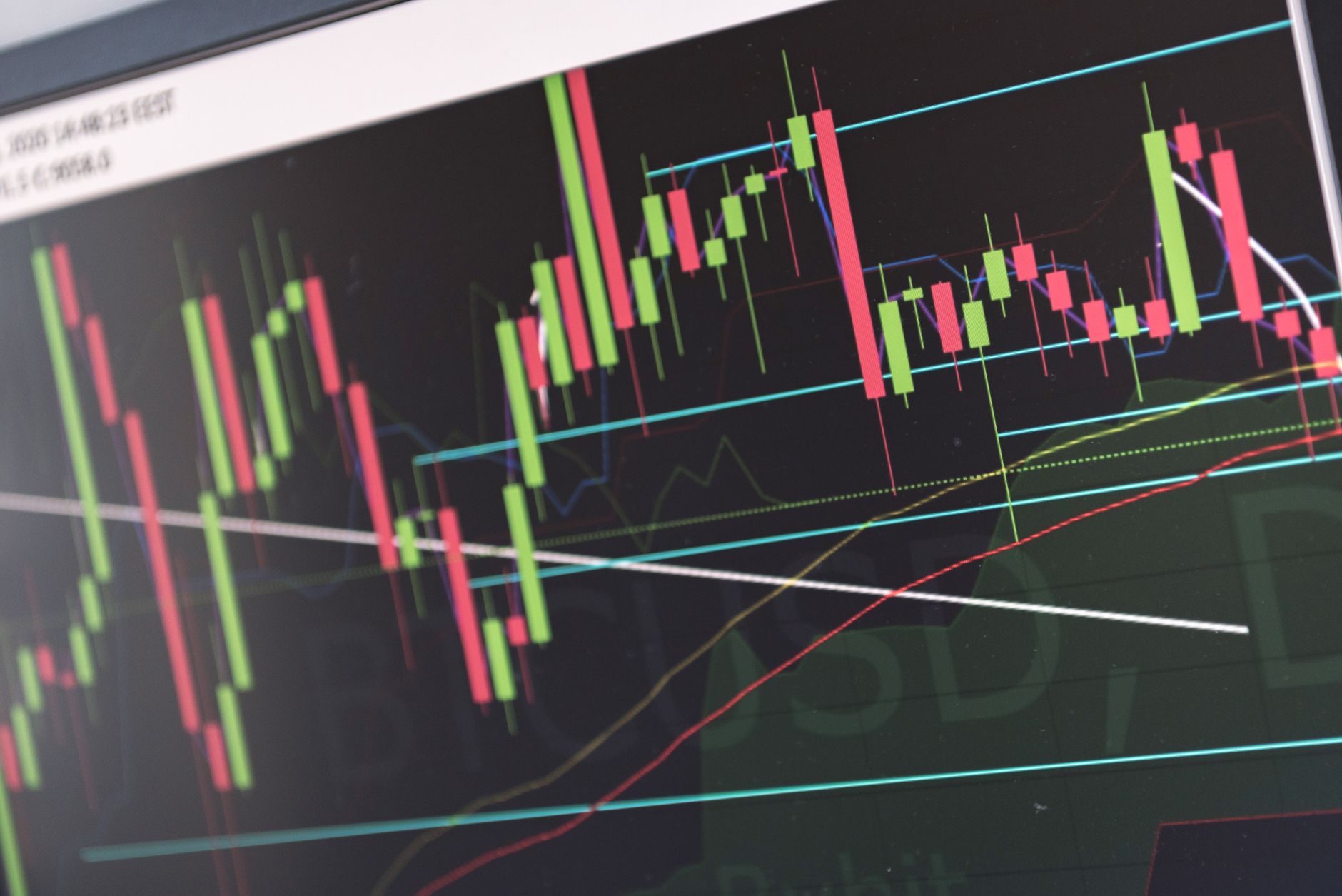
Scalping is a strategy where traders aim to make numerous small profits from small price changes throughout the day. Scalpers enter and exit trades very quickly, often holding positions for mere seconds or minutes. They typically focus on highly liquid stocks with tight bid-ask spreads. The goal is to accumulate small gains that add up over the course of the trading day. Success in scalping requires intense concentration, quick reflexes, and a low-cost trading environment, as brokerage charges can quickly erode small profits.
2. Momentum Trading
Momentum trading involves identifying stocks that are exhibiting strong upward or downward price trends and jumping on board. Traders buy stocks that are rising sharply and sell short stocks that are falling rapidly. The belief is that these trends will continue for a short period, allowing for a quick profit. Momentum traders often use indicators like the Moving Average Convergence Divergence (MACD) and Relative Strength Index (RSI) to confirm the strength and direction of the trend. Entry is typically made on a breakout or a continuation of the established momentum, and exit is planned when signs of trend exhaustion appear.
3. Breakout Trading
Breakout trading strategies focus on identifying when a stock’s price is about to move beyond a defined price range, such as a resistance or support level. Traders enter a position anticipating that the price will continue to move in the direction of the breakout. For instance, if a stock consistently fails to break above ₹100 (resistance), a trader might enter a long position if the price decisively moves above ₹100, expecting it to continue rising. Conversely, a breakout below a support level would prompt a short-selling opportunity. Volume confirmation is crucial in breakout trading; a significant increase in trading volume accompanying the breakout lends validity to the move.
4. Reversal Trading
Reversal trading aims to profit from a change in the prevailing price trend. Traders look for signs that an existing uptrend is about to turn into a downtrend, or vice versa. This strategy requires identifying potential turning points on the price chart, often using indicators like oscillators (RSI, Stochastic) which can signal overbought or oversold conditions. For example, a stock that has been falling sharply might show signs of bottoming out, leading a reversal trader to go long, expecting a price increase. This strategy can be riskier than momentum or breakout trading as predicting trend reversals can be challenging.
How to Implement an Intraday Trading Strategy
Effectively implementing an intraday trading strategy requires a structured approach, combining preparation, execution, and post-trade analysis. It’s not just about picking a strategy, but about executing it flawlessly.
- Choose Your Strategy: Select an intraday strategy (e.g., scalping, momentum, breakout) that aligns with your risk tolerance, available capital, and personality.
- Select Your Stocks: Focus on a few highly liquid stocks with good intraday volatility. Monitor their price action, news, and technical levels.
- Develop a Trading Plan: Define your entry and exit points, stop-loss levels, profit targets, and the maximum capital per trade.
- Use Technical Tools: Employ charting software and technical indicators to identify trading signals and confirm setups. Consider using a sophisticated TradingView indicator for enhanced analysis.
- Execute with Discipline: Enter trades precisely when your plan indicates and exit strictly at your stop-loss or profit target. Avoid emotional decisions.
- Manage Risk Actively: Always set and respect your stop-loss orders. Adjust position sizes based on volatility and risk per trade.
- Review and Refine: At the end of the day, review your trades. Identify what worked, what didn’t, and refine your strategy accordingly. Consider leveraging tools like the Trend Traders Tool to backtest and optimize.

Key Considerations for Indian Intraday Traders
Beyond the core strategies, several factors are critical for success in the Indian stock market’s intraday trading landscape. These include market timing, understanding the impact of news, and leveraging technology.
Market Timing and Volatility
The Indian stock market, particularly the NSE and BSE, experiences significant volatility. The opening and closing hours often present the highest trading volumes and price action. The first hour after the market opens (9:15 AM to 10:15 AM IST) can offer substantial opportunities but also carries higher risk due to initial volatility. Similarly, the last hour before closing can see significant price movements as traders adjust positions. Understanding these volatile periods and aligning your strategy accordingly is key. The India VIX, a measure of market volatility, often provides a good gauge of expected price swings.
News and Event Impact
Intraday traders must be acutely aware of how news and economic events can impact stock prices. Corporate announcements, government policy changes, global market movements, and even rumours can trigger rapid price shifts. For instance, a surprise interest rate hike by the Reserve Bank of India (RBI) could impact the entire market. Traders often use real-time news feeds and financial websites to stay informed and react quickly to market-moving information.
Leveraging Technology and Tools
Technology plays a pivotal role in modern intraday trading. High-speed internet, reliable trading platforms, and advanced charting software are essential. Many Indian traders utilize platforms that offer real-time data feeds, advanced order types, and sophisticated analytical tools. Tools like TradingView indicators, available through platforms like Finovatives.com, can provide custom technical analysis signals and alerts, helping traders spot opportunities more efficiently. Accessible pricing plans and free trial options can allow traders to experiment with these tools before committing.
Frequently Asked Questions
What is the best time for intraday trading in India?
The best time for intraday trading in India is typically the first hour after the market opens (9:15 AM – 10:15 AM IST) and the last hour before closing (2:30 PM – 3:30 PM IST) due to higher volatility and liquidity.
How much capital is needed for intraday trading?
While there’s no fixed amount, a minimum of ₹10,000-₹20,000 is often recommended to effectively manage risk and cover brokerage costs, though larger capital allows for better risk-adjusted returns.
What is a stop-loss order and why is it important?
A stop-loss order is an instruction to your broker to sell a security when it reaches a predetermined price, limiting potential losses. It’s crucial for risk management in intraday trading.
Can I use leverage for intraday trading?
Yes, brokers offer leverage (margin) for intraday trading, allowing you to trade larger positions with less capital. However, leverage magnifies both profits and losses, so it must be used cautiously.
Which are the most traded stocks for intraday trading in India?
Highly liquid large-cap stocks forming the Nifty 50 and Sensex indices, along with actively traded stocks in sectors like banking, IT, and energy, are popular choices for intraday trading.
How important is psychological discipline in intraday trading?
Psychological discipline is arguably the most critical factor. It involves controlling emotions like fear and greed to stick to the trading plan, manage risk, and avoid impulsive decisions.
Key Takeaways
- Intraday trading strategies like scalping, momentum, and breakout trading aim to profit from short-term price movements in the Indian stock market.
- Technical analysis, using indicators and chart patterns, is fundamental for identifying trading opportunities.
- Strict risk management, including stop-loss orders and proper position sizing, is essential to protect capital.
- Market timing is crucial, with the opening and closing hours often offering the most volatility.
- Staying informed about news and events that can impact stock prices is vital for quick decision-making.
- Leveraging technology and specialized tools can significantly enhance trading efficiency and signal identification.
- Psychological discipline is paramount for consistent success in the fast-paced world of intraday trading.
Trading in securities is subject to market risks. Please read all related documents carefully before investing. Investments in securities market are subject to market risks, read all the related documents carefully before investing. Finovatives.com does not provide investment advice.


 Finovatives