



TL;DR: Gap trading in Indian markets involves identifying and capitalising on price gaps – where a stock opens significantly above or below its previous close – using specific entry and exit rules for potential profit. It requires understanding gap types, confirmation signals, and risk management techniques.
Key Stats at a Glance:
- Nifty 50 Index sees an average of 1-2 significant gaps per month.
- Over 70% of gaps in the Indian market tend to be filled within 10 trading sessions.
- Intraday volatility in select NSE stocks can exceed 5% on news-driven gap openings.
- SEBI regulations require clear disclosures on price band limits, impacting intraday gap movements.
- Over 10,000+ active derivative contracts are traded daily on NSE F&O, influenced by underlying stock gaps.
What is Gap Trading in Indian Markets?
Gap trading is a strategy that focuses on exploiting price movements that occur when a security’s opening price is significantly different from its preceding day’s closing price, creating a ‘gap’ on the price chart.
In the dynamic Indian stock market, these gaps on exchanges like the NSE and BSE can signal strong momentum or potential reversals. Traders analyse the size, direction, and context of these gaps to formulate trades, aiming to profit from the subsequent price action as the market reacts to the news or sentiment that caused the gap.
The primary goal is to predict whether the gap will be filled (price retraces to cover the gap) or whether the price will continue in the direction of the gap (continuation gap).
Types of Gaps and Their Significance
Understanding the different types of gaps is crucial for successful gap trading in the Indian stock market.
Each type provides unique clues about market sentiment and potential future price movements, helping traders decide whether to enter, exit, or avoid a trade.
1. Common Gaps
These gaps typically appear in sideways or non-trending markets and lack significant volume. They are often filled quickly and don’t usually indicate a major change in trend. For instance, a stock might gap slightly up on Monday open due to minor overnight news, only to see the price drift back down to fill the gap by Tuesday.
2. Breakaway Gaps
These are significant gaps that occur at the beginning of a new trend, often accompanied by high trading volume. A breakaway gap suggests that the previous price range has been decisively broken, and the price is likely to continue moving in the direction of the gap. These are prime opportunities for trend traders.
3. Runaway (or Measuring) Gaps
Appearing mid-trend, these gaps indicate strong momentum and suggest the existing trend is accelerating. They often occur on increasing volume and signal that the market is still enthusiastic about the current direction. They can help traders identify the midpoint of a trend and anticipate further price appreciation or depreciation.
4. Exhaustion Gaps
These gaps appear near the end of a strong trend, often on declining volume. They represent a final burst of buying or selling before a potential reversal. Traders watch for exhaustion gaps as signals of trend fatigue and potential entry points for a counter-trend trade, expecting the gap to be filled.

The Nifty 50 index, a benchmark for the Indian equity market, frequently exhibits these gap types, providing numerous trading opportunities.
How to Identify and Trade Gaps
Successfully trading gaps requires a systematic approach, combining chart analysis with volume confirmation and risk management.
Here’s a practical, step-by-step guide for Indian retail traders aiming to profit from gap opportunities on NSE and BSE.
- Scan for Gaps: Begin your trading day by scanning the market for stocks that have opened with a noticeable gap (e.g., >1% difference from the previous close) on your chart. Use stock screeners or observe opening price action.
- Determine Gap Type: Analyse the context. Is this a breakaway gap from a consolidation, a runaway gap in an established trend, or an exhaustion gap near a peak? Look at the volume – high volume often confirms the significance of a breakaway or runaway gap.
- Confirm with Technical Indicators: Don’t rely solely on the gap. Use indicators like Moving Averages, RSI, or MACD to confirm the potential direction. For example, a bullish gap with RSI above 50 and MACD showing a bullish crossover adds conviction.
- Set Entry Points: For a bullish gap that appears to be continuing, consider entering on a slight pullback towards the gap’s upper edge, or on a decisive move above the opening price. For a bearish gap, consider entering on a rally towards the gap’s lower edge.
- Define Stop-Loss: Crucially, place your stop-loss below the low of the gap candle for a long trade, or above the high of the gap candle for a short trade. This limits potential losses if the gap fails to hold.
- Set Profit Targets: For gap-filling trades, the target is the previous day’s close. For continuation trades, use previous resistance/support levels or trailing stop-losses to capture larger moves.
- Manage the Trade: Monitor the trade closely. If the price starts to reverse significantly against your position, consider exiting early to protect profits or cut losses. Adjust your stop-loss to a breakeven point or into profit as the trade progresses.
Many traders use advanced tools like a dedicated TradingView indicator to help automate the identification of these patterns.
Gap Trading Strategies for the Indian Market
Different market conditions and gap types call for varied strategies. Adapting your approach is key to navigating the complexities of NSE and BSE trading.
By understanding these distinct strategies, traders can enhance their ability to capitalise on the opportunities presented by price gaps.
1. The Gap and Go Strategy
This aggressive strategy is employed when a strong breakaway or runaway gap occurs on high volume. The trade is entered immediately after the gap forms, anticipating a strong continuation move. The idea is to ‘catch the bus’ as it leaves the station. Entry is often right at the opening bell or shortly after, with a tight stop-loss just below the opening price. This strategy is best suited for highly volatile stocks with significant news driving the gap.
2. The Gap Fill Strategy
This is perhaps the most common gap trading strategy. It assumes that most gaps will eventually be filled. Traders look for gaps that are not accompanied by extremely high volume or strong continuation signals. The entry is typically made when the price starts moving back towards the gap area. The profit target is the previous day’s closing price. This strategy is often employed for common gaps or exhaustion gaps.
3. The Three Gaps Strategy
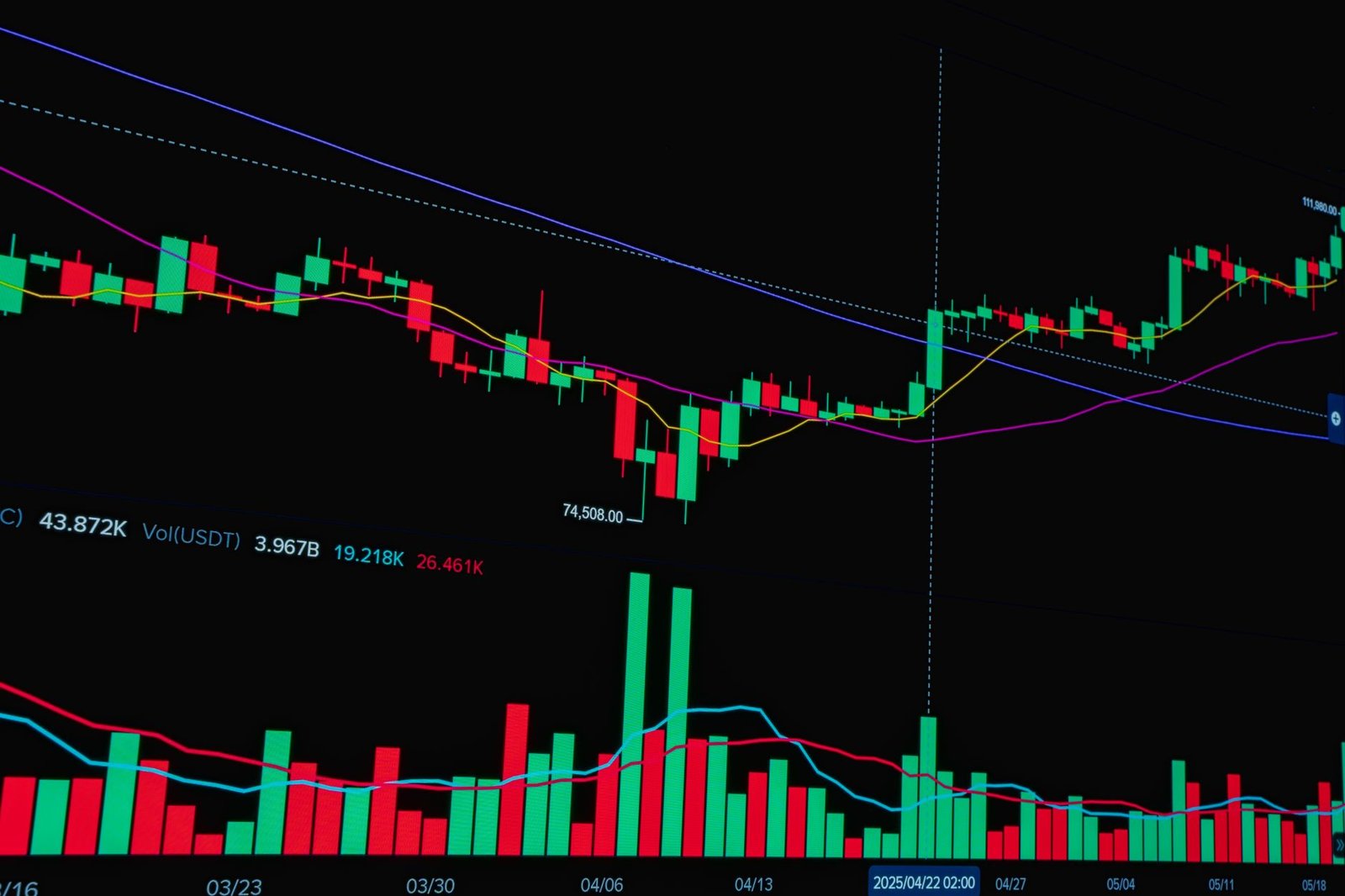
This is a more advanced approach used in trending markets. It involves identifying three consecutive gaps in the direction of the trend. The first gap is usually a breakaway gap, the second a runaway gap, and the third an exhaustion gap. Traders might enter on the second gap, anticipating the third, or use the formation to confirm the trend’s strength. This requires careful observation and a solid understanding of trend dynamics.
4. The Morning Gap Strategy
This strategy specifically targets gaps that form at the market open and are often related to overnight news or events. Traders look for confirmation within the first 15-60 minutes of trading. If the price action after the open confirms the gap’s direction (e.g., holding above the opening price for a bullish gap), a trade is initiated. This is a popular strategy for intraday traders who monitor the market closely.
Key Considerations for Gap Traders
While gap trading offers exciting profit potential, it’s essential to be aware of the risks and incorporate robust risk management practices.
Adhering to these principles ensures that traders approach gap trading with discipline and a focus on capital preservation.
Volume Analysis
Volume is a critical confirmation tool. High volume accompanying a gap suggests strong conviction behind the price move. A gap on low volume is less reliable and more likely to be filled quickly. Observing volume trends on NSE and BSE is paramount.
News and Events
Gaps are often caused by significant news – earnings reports, corporate actions, economic data releases, or geopolitical events. Understanding the catalyst behind a gap helps traders assess its potential longevity and direction. SEBI mandates timely disclosures, which often precede or coincide with significant gaps.
Support and Resistance Levels
Always consider where the gap occurs relative to established support and resistance levels. A gap occurring at a major resistance level, for instance, might be a bearish signal, even if it appears strong initially. Conversely, a gap near support could offer a bullish opportunity.

Risk Management
This is non-negotiable. Always use a stop-loss order to limit potential downside. Never risk more than a small percentage (e.g., 1-2%) of your trading capital on any single trade. For gap trading, placing the stop-loss just beyond the edge of the gap or the opening price is common practice.
Psychological Aspect
Trading gaps can be psychologically taxing. Fear of missing out (FOMO) can lead to premature entries, while fear of loss can cause premature exits. Sticking to your trading plan and maintaining discipline is crucial for consistent success.
How to Enhance Your Gap Trading Performance
Continuous improvement is key for any trader. Leveraging technology and refining your approach can significantly boost your success rates in gap trading.
Implementing these enhancements can transform a novice gap trader into a more seasoned and profitable one.
- Utilise Advanced Charting Tools: Employ platforms like TradingView with specialised indicators that can automatically flag potential gaps and chart patterns, saving valuable analysis time.
- Backtest Your Strategies: Before risking real capital, thoroughly backtest your chosen gap trading strategies on historical data for Indian stocks. This validates their effectiveness.
- Develop a Trading Journal: Document every gap trade – the setup, entry, exit, stop-loss, profit target, and the reasoning behind your decisions. Reviewing this journal regularly helps identify mistakes and successful patterns.
- Stay Informed on Market News: Keep abreast of economic news, corporate announcements, and regulatory changes from sources like the RBI and SEBI, as these often trigger significant gaps.
- Practice with a Demo Account: If available, use a paper trading account to practice your gap trading strategies without financial risk until you achieve consistent results.
- Adapt to Market Conditions: Recognise that market volatility and gap behaviour can change. Be flexible and adjust your strategies based on current market trends and conditions.
Frequently Asked Questions
What is the most common type of gap?
The most common type of gap is the ‘common gap’, which occurs without significant volume and is often filled quickly. It typically appears in non-trending markets and doesn’t signal a major trend change.
When should I enter a trade based on a gap?
Entry timing depends on the gap type and strategy. For continuation gaps, entry might be on a pullback or after confirmation. For gap-fill strategies, entry occurs as the price moves back towards the gap area.
How large does a gap need to be to trade?
There’s no fixed size, but gaps larger than 1-2% of the previous close, especially on high volume, are generally considered more significant and potentially tradable on NSE and BSE.
Is gap trading suitable for beginners?
Gap trading can be profitable but carries risks. Beginners should start with simpler strategies like the gap-fill, use tight stop-losses, and thoroughly understand the different gap types before trading with real money.
How do I set a stop-loss for a gap trade?
A common method is to place the stop-loss just below the low of the gap candle for a long trade, or just above the high of the gap candle for a short trade. This ensures that if the gap fails, your loss is contained.

Can gap trading be automated?
Yes, with algorithmic trading and specialised TradingView indicators, certain aspects of gap identification and even trade execution can be automated, though human oversight remains crucial.
Key Takeaways
- Gap trading leverages price gaps formed at market open for potential profit.
- Understanding gap types (common, breakaway, runaway, exhaustion) is fundamental.
- Volume confirmation is essential for validating the significance of a gap.
- Strategies like ‘Gap and Go’ and ‘Gap Fill’ cater to different market conditions.
- Strict risk management, including stop-losses, is crucial for capital preservation.
- Continuous learning, backtesting, and journaling enhance trading performance.
- News and events are primary catalysts for significant price gaps in the Indian market.
Disclaimer: Trading in the Indian securities market involves risks. Please consult with a registered investment advisor before making any investment decisions.






 Finovatives