



TL;DR: The FMCG sector is a cornerstone of stability in Indian portfolios, offering consistent demand for essential goods that shields investments from market volatility. Identifying top FMCG stocks can provide resilient returns and capital preservation during economic uncertainties.
Key Stats at a Glance:
- FMCG sector contributes approximately 10% to India’s GDP.
- Average dividend yield for top FMCG companies: 1.5-2.5%.
- Indian FMCG market size projected to reach $220 billion by 2025.
- Nifty FMCG index has shown a CAGR of over 10% in the last decade.
- Over 70% of FMCG sales in India come from rural and semi-urban areas.
What is the FMCG Sector?
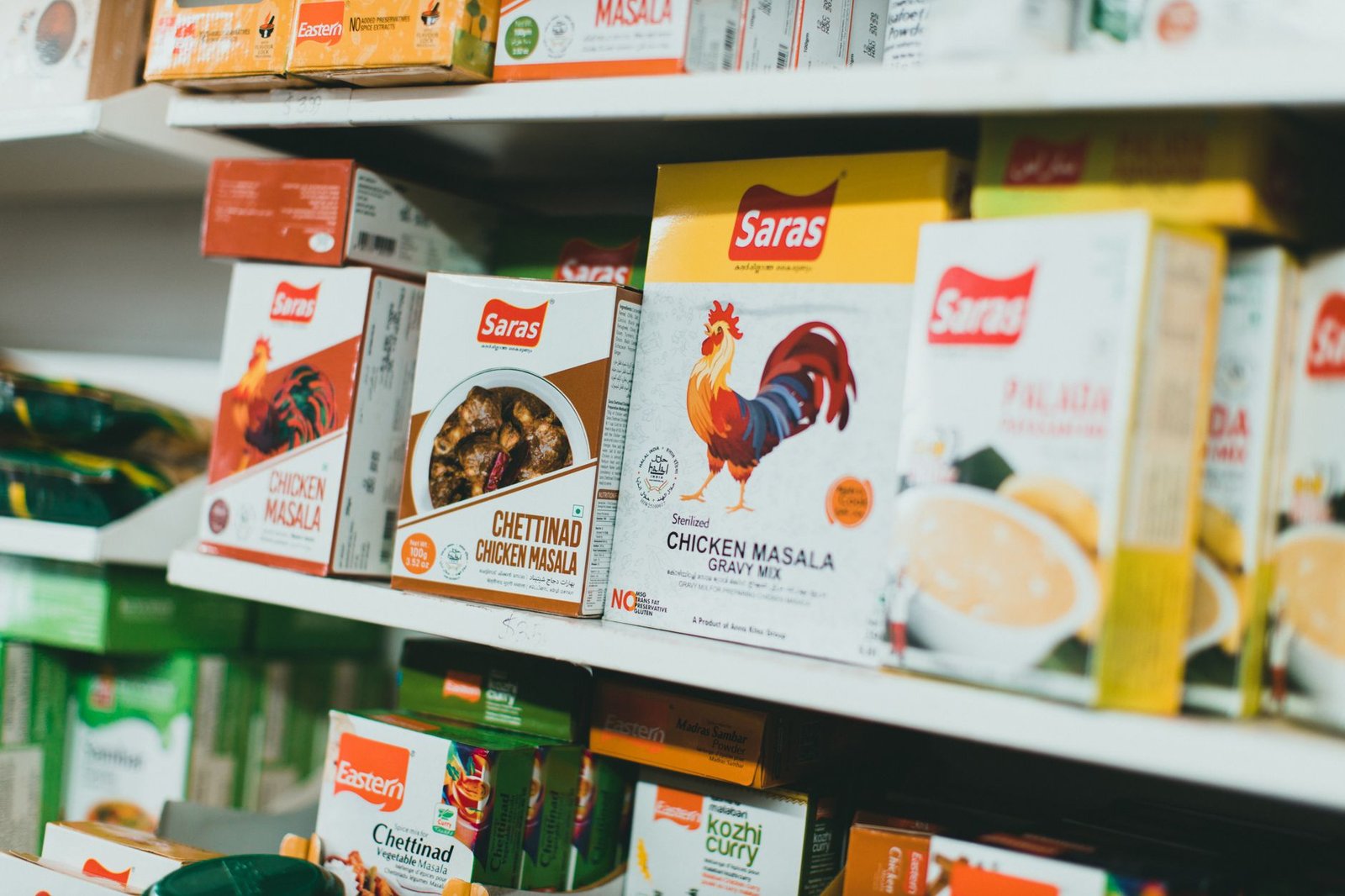
The Fast-Moving Consumer Goods (FMCG) sector encompasses a wide array of everyday products that are sold quickly and at a relatively low cost. In India, this includes staples like food and beverages, personal care items, household supplies, and over-the-counter health products, forming the backbone of consumer spending.
Why are FMCG Stocks Considered Defensive?
FMCG stocks are considered defensive because the demand for their products remains relatively stable even during economic downturns or market volatility. Consumers continue to purchase essential items like soap, toothpaste, and basic food products regardless of broader economic conditions, providing a consistent revenue stream for these companies.
The Inherent Stability of Essential Goods
Unlike discretionary spending on luxury items or durables, the consumption of FMCG products is non-cyclical. People need to eat, maintain hygiene, and keep their homes clean, creating a perpetual demand that insulates FMCG companies from sharp revenue declines. This inherent stability makes them a preferred choice for investors seeking to protect their capital.
Consistent Demand and Predictable Revenues
The constant need for FMCG products translates into predictable sales volumes and revenues for companies operating in this space. This predictability allows them to maintain consistent profitability, often leading to steady dividend payouts and a lower risk profile compared to cyclical sectors. SEBI regulations also ensure transparency and fair practices, further bolstering investor confidence.
Performance During Economic Downturns
Historically, the FMCG sector has demonstrated resilience during economic slowdowns or market corrections. While other sectors might experience significant drops in revenue and stock prices, FMCG companies often see their stock prices either stabilize or experience more moderate declines. This ‘defensive’ quality makes them a crucial component of a diversified Indian portfolio, especially in uncertain times.

For instance, during the COVID-19 pandemic, while many sectors struggled, FMCG companies saw sustained or even increased demand for essential hygiene and food products, highlighting their defensive characteristics.
Diversification Benefits
Adding FMCG stocks to an investment portfolio can enhance diversification. Their low correlation with more cyclical sectors means that when other parts of the portfolio are underperforming, FMCG stocks can help cushion the overall impact. This is a key strategy for long-term wealth creation, aligning with principles advocated by financial advisors and institutions like AMFI.
How to Identify Promising FMCG Stocks in India
Selecting the right FMCG stocks requires a careful analysis of several fundamental factors. Investors should look beyond brand recognition and delve into the company’s financial health, market position, and growth strategies. The NSE and BSE provide extensive data to aid in this research.
Analyzing Financial Health
A crucial step is to examine the company’s financial statements. Look for consistent revenue growth, healthy profit margins, strong cash flow generation, and a manageable debt-to-equity ratio. Companies with a history of profitable growth and efficient operations are generally better investments.
Market Share and Brand Strength
Evaluate the company’s market share in its key product categories and the strength of its brands. Dominant market positions and strong brand loyalty often translate into pricing power and sustained demand. Companies with a wide distribution network, reaching both urban and rural consumers, also have a significant advantage.
Management Quality and Corporate Governance
The quality of the management team and their strategic vision is paramount. Assess their track record in innovation, market expansion, and efficient capital allocation. Strong corporate governance practices, as often highlighted by SEBI’s guidelines, ensure transparency and protect shareholder interests.
Valuation Metrics
Even strong companies can be poor investments if bought at exorbitant prices. Analyze valuation metrics such as the Price-to-Earnings (P/E) ratio, Price-to-Book (P/B) ratio, and Enterprise Value-to-EBITDA (EV/EBITDA). Compare these with industry averages and the company’s historical valuations to determine if the stock is reasonably priced.
Dividend Payout History
Many established FMCG companies have a consistent history of paying dividends. A stable and growing dividend payout can be an indicator of financial strength and a commitment to returning value to shareholders. This can provide a regular income stream, further enhancing the defensive appeal of the stock.
Popular FMCG Sub-Sectors in India
The FMCG sector is diverse, with several sub-sectors catering to different consumer needs. Understanding these segments can help investors pinpoint areas of growth and stability within the broader industry.
Food and Beverages
This is the largest segment within Indian FMCG, encompassing everything from packaged foods, snacks, dairy products, to soft drinks and tea/coffee. Companies in this segment benefit from consistent demand driven by India’s large population and evolving dietary habits.
Personal Care
This includes products like soaps, shampoos, conditioners, skincare, oral care, and cosmetics. Brands with strong recall and effective marketing strategies often dominate this highly competitive space. The increasing disposable incomes and focus on grooming are driving growth here.
Household Products
This segment covers detergents, cleaning agents, air fresheners, and other household cleaning and maintenance items. While less glamorous, these are essential products with steady demand, making them reliable performers in a portfolio.
Healthcare and Over-the-Counter (OTC) Products
This includes items like basic medicines, vitamins, and wellness products that consumers can purchase without a prescription. The growing health consciousness in India is a significant driver for this sub-sector.
How to Invest in FMCG Stocks for Defensive Portfolio Building
Building a resilient portfolio with FMCG stocks involves a systematic approach. It’s about integrating these defensive players strategically to balance risk and ensure steady growth over the long term.
- Define Your Investment Goals: Clearly identify whether you are seeking capital appreciation, income through dividends, or a combination. This will guide your stock selection within the FMCG sector.
- Research and Shortlist Companies: Utilize resources like the NSE India website, BSE India, and financial portals to research companies based on the criteria discussed earlier (financial health, brand strength, management).
- Analyze Valuation: Compare the P/E, P/B, and EV/EBITDA ratios of shortlisted companies against their peers and historical averages to find reasonably valued stocks.
- Consider Diversification within FMCG: Invest across different sub-sectors (food, personal care, etc.) and across different company sizes (large-cap, mid-cap) to spread risk.
- Monitor and Rebalance: Regularly review your holdings to ensure they continue to meet your investment objectives. Rebalance your portfolio periodically to maintain your desired asset allocation.
- Consider Systematic Investment Plans (SIPs): For long-term wealth creation, consider investing through SIPs, even in FMCG stocks, to average out purchase costs and benefit from compounding.
- Utilize Trading Tools: Advanced tools like the TradingView indicator available on Finovatives can help in technical analysis and identifying entry/exit points for FMCG stocks, complementing fundamental research.
Top FMCG Companies in India (Examples)
While specific recommendations are beyond this scope, some of the leading companies in the Indian FMCG sector that are often considered by investors include Hindustan Unilever Ltd., ITC Ltd., Nestle India Ltd., Britannia Industries Ltd., and Dabur India Ltd. These companies have established brands, extensive distribution networks, and a history of solid performance. Investors should conduct their own due diligence before investing.

Frequently Asked Questions
What is the primary advantage of FMCG stocks?
The primary advantage is their defensive nature; demand for their essential products remains stable, offering consistent revenue and relative safety during economic downturns.
Are FMCG stocks good for long-term investment?
Yes, FMCG stocks are generally considered good for long-term investment due to their stability, consistent growth, and dividend potential, forming a resilient core in a diversified portfolio.
How does the rural market impact FMCG companies?
The rural market is crucial as it represents a significant portion of sales for many FMCG companies. Growing rural incomes and penetration of products drive substantial revenue growth.
What are the risks associated with investing in FMCG stocks?
Risks include intense competition, rising input costs, regulatory changes, and the potential for slower growth compared to high-growth sectors if the economy is booming.
Can I use technical analysis for FMCG stocks?
Yes, technical analysis, often facilitated by tools like a TradingView indicator, can help identify optimal entry and exit points for FMCG stocks, complementing fundamental analysis.
Key Takeaways
- FMCG stocks provide a defensive shield for Indian portfolios due to the consistent demand for everyday essential products.
- Their stability makes them outperform or decline less severely than cyclical sectors during economic downturns.
- Key selection factors include financial health, brand strength, market share, management quality, and reasonable valuation.
- The sector’s sub-segments like Food & Beverages and Personal Care offer diverse investment opportunities.
- Strategic investment through SIPs and regular monitoring enhances long-term benefits.
- While defensive, FMCG stocks are not risk-free and face competition and cost pressures.
Disclaimer: Investing in the stock market involves inherent risks. This article is for informational purposes only and does not constitute financial advice. Consult with a SEBI-registered investment advisor before making any investment decisions.






 Finovatives