

TL;DR: Setting stop loss orders effectively involves understanding market volatility, choosing appropriate levels based on technical analysis or fixed percentages, and consistently adhering to your trading plan to protect capital.
Key Stats at a Glance:
- Nifty 50 Volatility Index (India VIX): Historically ranges from 12 to 80+, averaging around 20.
- NSE Average Daily Turnover: Exceeds ₹80,000 Crore (approx.).
- SEBI Mandate: No mandatory stop-loss requirement for intraday trades since September 2021, emphasizing trader responsibility.
- Average Retail Investor Loss: Estimated significant percentage of capital due to poor risk management.
What is a Stop Loss Order?
A stop loss order is an instruction given to a broker to automatically buy or sell a security when it reaches a certain price, limiting potential losses on a trade.
In the dynamic Indian stock market, where price swings can be rapid and substantial, a stop loss order acts as a critical risk management tool. It’s designed to automatically close out a losing position at a predetermined price, thereby preventing a small loss from escalating into a catastrophic one. For instance, if you buy a stock at ₹100 with a stop loss set at ₹95, your broker will automatically sell it if the price drops to ₹95, limiting your loss to ₹5 per share. This disciplined approach is fundamental for capital preservation and long-term trading success on platforms like NSE and BSE.
Why is Setting a Stop Loss Crucial for Indian Traders?
Setting a stop loss is crucial for Indian traders primarily to protect their hard-earned capital from significant downturns and unexpected market volatility, which is common in the Indian context.
The Indian stock market, influenced by global cues, domestic economic factors, and corporate news, can exhibit sharp movements. Without a stop loss, a trader’s entire capital could be wiped out by a sudden adverse event. It instills discipline, removes emotional decision-making during stressful market conditions, and ensures that losses are contained. Adhering to a stop loss strategy helps traders stay in the game longer by managing their risk effectively, ensuring they can participate in future profitable opportunities. It’s a cornerstone of robust risk management for both short-term traders and long-term investors.
The Psychology of Losses and Stop Losses
Human psychology often rebels against admitting a mistake, leading traders to hold onto losing positions in the hope of a recovery. A stop loss order bypasses this emotional attachment, enforcing a pre-defined exit strategy.
Protecting Your Trading Capital
Your capital is your most valuable asset. A stop loss order is the primary mechanism to safeguard it, ensuring you don’t suffer losses that are too large to recover from.
How to Determine the Right Stop Loss Level?
Determining the right stop loss level involves a blend of technical analysis, understanding market volatility, and personal risk tolerance, ensuring the stop loss is tight enough to protect capital but not so tight that it gets triggered by normal market noise.
There isn’t a one-size-fits-all formula, but several methods are widely used by successful traders. These include using support and resistance levels, moving averages, average true range (ATR), or a fixed percentage of the investment. For instance, a trader might place a stop loss just below a significant support level or a key moving average line. Alternatively, a fixed percentage like 5% or 10% of the entry price can be used, though this needs to be adjusted based on the stock’s individual volatility and the overall market conditions. A common mistake is setting the stop loss too close to the entry price, leading to premature exits on minor price fluctuations. Experienced traders often advocate for a stop loss that allows the trade some room to breathe while still capping potential downside.
Using Technical Indicators
Indicators like Moving Averages (e.g., 50-day or 200-day MA), Bollinger Bands, and the Average True Range (ATR) are invaluable for setting logical stop loss points.
Support and Resistance Levels
Placing a stop loss just below a support level for a long position, or just above a resistance level for a short position, is a time-tested strategy.
Fixed Percentage Method
A simple approach where a trader decides to exit if the price moves against them by a predetermined percentage (e.g., 2% or 5%).
Volatility-Based Stop Losses (ATR)
The Average True Range (ATR) indicator measures market volatility. Setting a stop loss at a multiple of the ATR (e.g., 1.5x or 2x ATR) away from the entry price can adapt to changing market conditions.
Percentage of Capital at Risk
Deciding beforehand the maximum percentage of your total trading capital you are willing to risk on any single trade (e.g., 1-2%) helps determine the stop loss level indirectly.
Trailing Stop Loss Orders
A trailing stop loss automatically adjusts upwards as the price of a security moves in your favour, locking in profits while still offering downside protection.
How to Set a Stop Loss Order: A Step-by-Step Guide
Here’s a practical, step-by-step approach to setting stop loss orders for your trades in the Indian stock market:
- Determine Your Risk Tolerance: Before entering any trade, decide the maximum amount of capital you are willing to lose on that specific trade, usually as a percentage of your total trading capital (e.g., 1-2%).
- Identify Your Entry Point: Based on your trading strategy and analysis, determine the price at which you plan to enter the trade.
- Conduct Technical Analysis: Analyze the stock’s chart for key support and resistance levels, moving averages, or other technical indicators relevant to your strategy. Look for logical points where a reversal might occur.
- Choose Your Stop Loss Method: Select a method for setting your stop loss, such as placing it below a support level, a moving average, using the ATR indicator, or a fixed percentage of your entry price, ensuring it aligns with your risk tolerance.
- Calculate the Stop Loss Price: Based on the chosen method, calculate the specific price level for your stop loss. For example, if your entry is ₹100, the support is ₹95, and your risk tolerance allows for a ₹5 loss per share, ₹95 is your stop loss price.
- Place the Order with Your Broker: Log in to your trading platform (e.g., through your broker’s app or website) and place a stop loss order. Specify the security, the quantity, the stop price (the trigger price), and the limit price (the price at which the order should be executed once triggered).
- Monitor and Adjust (If Necessary): While the stop loss is designed to be automatic, monitor your trade. If market conditions change drastically or your initial analysis proves flawed, you might consider adjusting the stop loss, but do so with extreme caution and adherence to your overall risk management plan.
- Review and Learn: After a trade is closed (either by stop loss or profit target), review the trade. Understand why the stop loss was triggered or if it should have been adjusted. This learning process is vital for continuous improvement.
Types of Stop Loss Orders Available
Understanding the different types of stop loss orders available can help traders select the most appropriate tool for their specific trading strategy and market conditions.
Brokers in India typically offer several variations of stop loss orders, each serving a slightly different purpose. The basic ‘Stop Loss’ order is the most common, where you set a trigger price. Once the market price hits this trigger, your order becomes a market order, executing at the next available price. A ‘Stop Loss Limit’ order is more controlled: when the trigger price is hit, it becomes a limit order, meaning it will only execute at your specified limit price or better. This protects against significant slippage but carries the risk of not being executed if the price moves too rapidly. For active traders looking to protect profits as a trade moves in their favour, a ‘Trailing Stop Loss’ is invaluable. This order automatically adjusts the stop loss price upwards as the security’s price increases, locking in gains, but it does not move downwards if the price falls.
Stop Loss Market (SL-M)
When the trigger price is hit, this order becomes a market order, ensuring execution but potentially at a less favourable price due to slippage.
Stop Loss Limit (SL-L)
This order becomes a limit order when triggered, offering price control but risking non-execution in fast-moving markets.
Trailing Stop Loss
As the price moves favourably, the stop loss automatically trails behind, protecting profits while allowing further upside potential.
Common Mistakes to Avoid When Setting Stop Losses
Many traders, especially beginners, fall into common traps that undermine the effectiveness of stop loss orders, leading to unnecessary losses or missed opportunities.
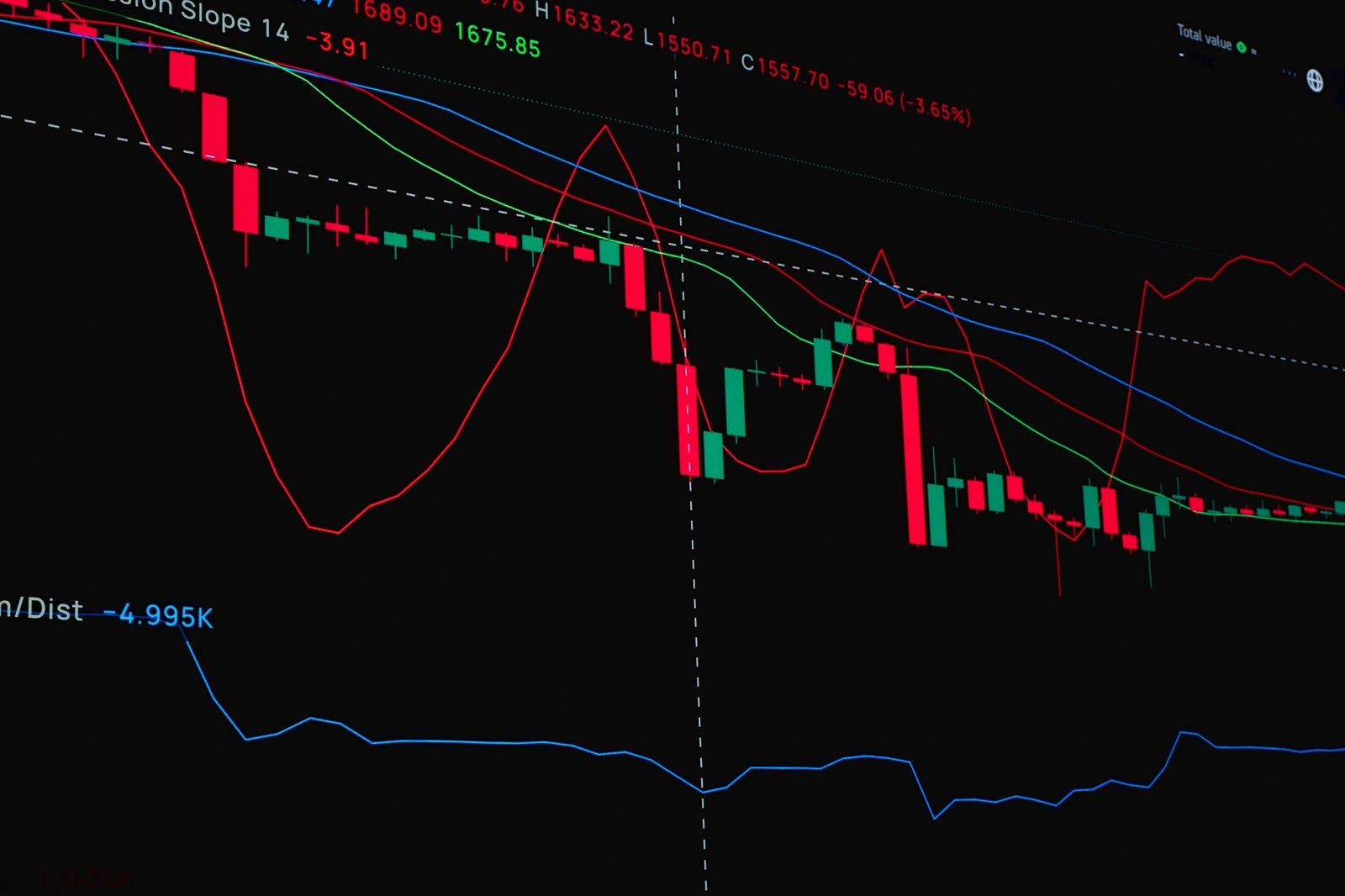
One of the most frequent errors is setting a stop loss too tight. This means the stop loss is placed so close to the entry price that normal market fluctuations or minor price corrections trigger the order, exiting a potentially good trade prematurely. Conversely, setting a stop loss too wide can lead to excessive losses if the market moves significantly against the position. Another significant mistake is moving the stop loss further away from the entry price (widening it) when a trade is going against you, essentially increasing your risk mid-trade – a practice that often leads to devastating outcomes. Furthermore, failing to set a stop loss at all is perhaps the most dangerous mistake, leaving capital completely exposed to market whims. Emotional decision-making, like hoping a losing trade will turn around instead of honouring the stop loss, is also a major pitfall.
Setting Stops Too Tight
Triggering stop losses due to normal market volatility, not genuine trend reversals.
Setting Stops Too Wide
Allowing excessive losses that are difficult to recover from.
Moving Stops to Worsen a Loss
Increasing risk after a trade has already moved against your favour.
Ignoring Stop Losses Altogether
Failing to implement this fundamental risk management tool.
Emotional Decision-Making
Hesitating to exit a losing trade or chasing a falling stock.
Frequently Asked Questions
What is the best percentage for a stop loss?
There’s no single ‘best’ percentage; it depends on market volatility, the specific stock, and your trading strategy. Common ranges are 2-5% for swing trades, but 1-2% might be used for day trades. Always link it to your risk tolerance.
Should I use a stop loss for every trade?
For most retail traders, especially those new to the markets, using a stop loss on every trade is highly recommended. It’s a fundamental tool for capital preservation and disciplined trading.
What happens if the market gaps past my stop loss price?
If the market gaps significantly past your stop loss price (e.g., during overnight news), a Stop Loss Market (SL-M) order will execute at the next available price, which could be much lower than your stop price, resulting in a larger loss (slippage).
Can I set a stop loss on a limit order?
Yes, you can use a Stop Loss Limit (SL-L) order. This order becomes a limit order once the trigger price is hit, offering price protection but risking non-execution if the market moves too quickly past your limit price.
How often should I adjust my stop loss?
Generally, you should only adjust your stop loss to trail profits upwards or if the market structure fundamentally changes. Avoid adjusting it downwards to accommodate a losing trade.

What is the difference between a stop loss and a target price?
A stop loss is an exit order to limit potential losses on a trade, placed below your entry price for a buy order. A target price is an exit order to book profits, placed above your entry price for a buy order.
Key Takeaways
- A stop loss order is essential for capital preservation and risk management in the Indian stock market.
- Determine stop loss levels based on technical analysis (support/resistance, moving averages, ATR) and your risk tolerance.
- Understand the different types of stop loss orders (SL-M, SL-L, Trailing Stop Loss) to suit your trading strategy.
- Avoid common mistakes like setting stops too tight or too wide, and never move a stop loss to increase your risk.
- Consistency in applying stop loss rules is more important than the specific level chosen.
- Disciplined use of stop losses removes emotion from trading decisions.
- Utilize tools like TradingView indicators to help identify logical stop loss points.
Trading in the Indian securities market involves risk. All investment decisions should be based on thorough research and consultation with a qualified financial advisor.





 Finovatives