


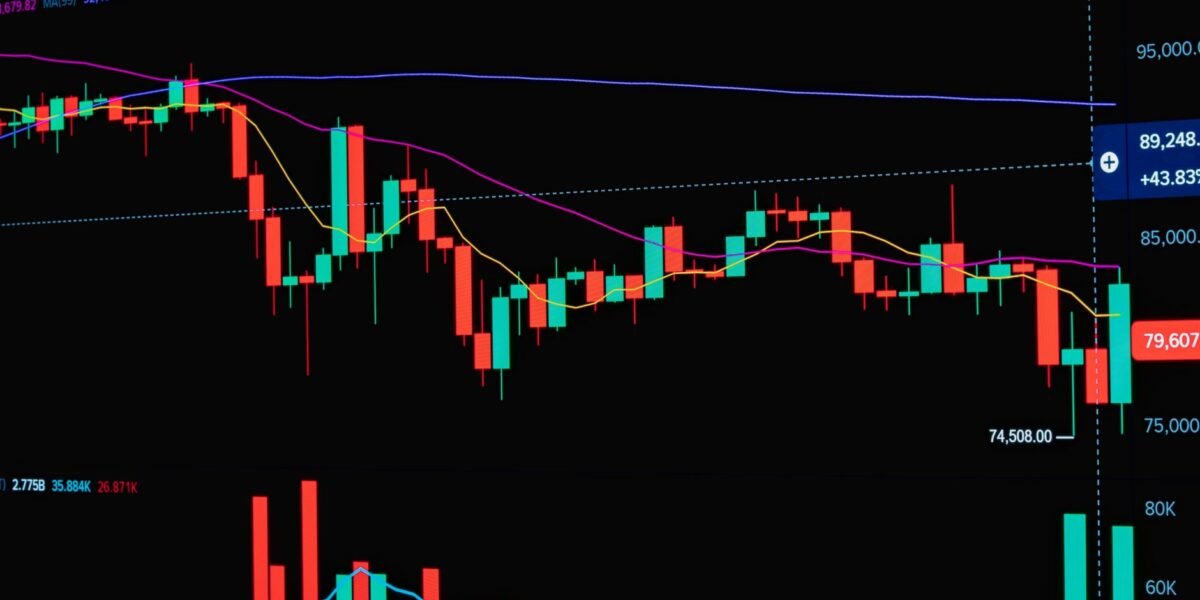
TL;DR: Gap trading in Indian markets leverages price gaps that occur when a security opens significantly higher or lower than its previous close, offering distinct entry and exit points for traders aiming to profit from the subsequent price movement.
Key Stats at a Glance:
- Nifty 50 Index volatility often leads to observable gaps on daily charts.
- Over 70% of gaps tend to be filled within a few trading sessions.
- Certain NSE sectors, like IT and Pharma, historically show higher gap frequency.
- Average daily trading volume on NSE exceeds ₹1 Lakh Crore.
- The S&P BSE Sensex has delivered an average annual return of over 12% in the last decade.
What is Gap Trading in Indian Markets?
Gap trading is a strategy that aims to profit from price gaps, which are sudden jumps or drops in a stock’s price from one trading session’s close to the next session’s open, without any trading occurring in between.
These gaps often occur due to significant news, corporate announcements, or overnight events that impact market sentiment. For Indian traders on platforms like NSE and BSE, understanding these gaps is crucial as they can signal potential trend continuations or reversals, offering clear entry and exit opportunities.
The Psychology Behind Gaps
Gaps form because market participants react to new information that becomes available when the market is closed. If there’s overwhelmingly positive news, buyers might rush in at the opening bell, bidding the price up significantly from the previous day’s close, creating a bullish gap. Conversely, negative news can lead to a rush of selling, creating a bearish gap.
The intensity of the reaction dictates the size of the gap. This emotional response is a key driver for gap trading strategies, as it often leads to predictable price action in the short term.
Types of Price Gaps
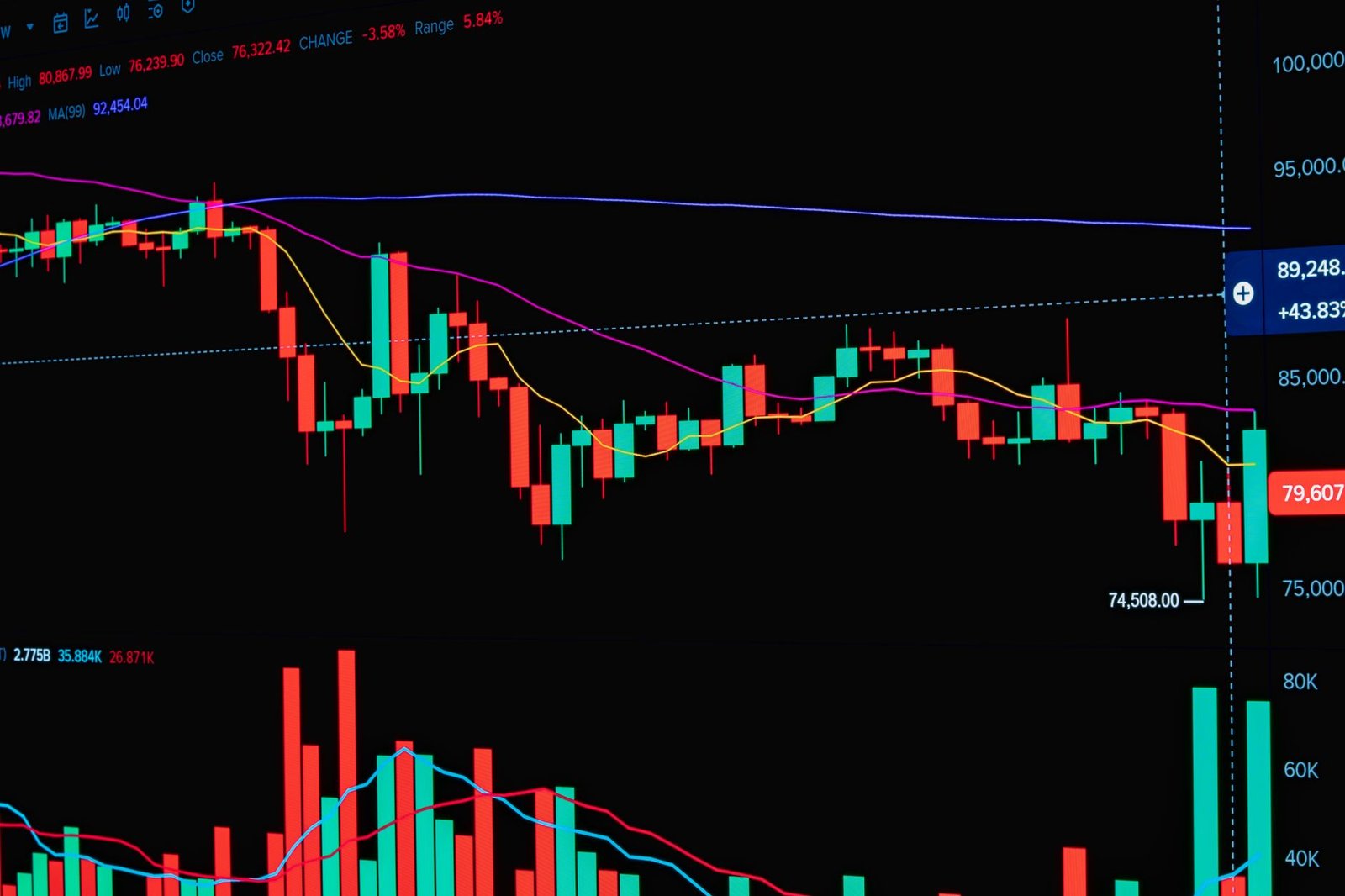
Understanding the different types of gaps helps in formulating a more effective trading strategy. Each type provides clues about the strength of the trend and the likelihood of the gap being filled or extended.
- Common Gap: Usually found in sideways or range-bound markets. These gaps typically have low trading volume and are often filled quickly as they lack strong conviction.
- Breakaway Gap: Occurs at the beginning of a new trend, breaking out from a consolidation or chart pattern. These are often accompanied by high volume and signal the start of a significant move.
- Runaway Gap (or Measuring Gap): Appears in the middle of an established trend, indicating strong momentum. These gaps are usually not filled quickly and suggest the trend is likely to continue.
- Exhaustion Gap: Occurs near the end of a strong trend, signaling that the buying or selling pressure is weakening. These gaps are often followed by reversals and are typically filled.
How to Identify and Trade Gaps in NSE/BSE
Identifying potential trading opportunities from price gaps requires a combination of technical analysis and market awareness. Focusing on specific patterns and indicators can improve accuracy.
Traders can effectively identify gaps by observing the opening price relative to the previous day’s closing price on their charting software, often integrated with TradingView indicators for enhanced analysis on platforms like Finovatives.
Scanning for Gaps
The first step is to actively scan the market for stocks that have gapped up or down. This can be done by:
- Using stock screeners that filter for stocks with a significant percentage gap from the previous day’s close.
- Monitoring pre-market news and overnight developments that could influence stock prices.
- Observing the opening auction on exchanges like NSE and BSE for unusual price action.
- Checking the daily charts of individual stocks for visible gaps between the candlestick bodies or wicks.
- Paying attention to sector-specific news that might cause multiple stocks in a particular industry to gap.
Gap Trading Strategies
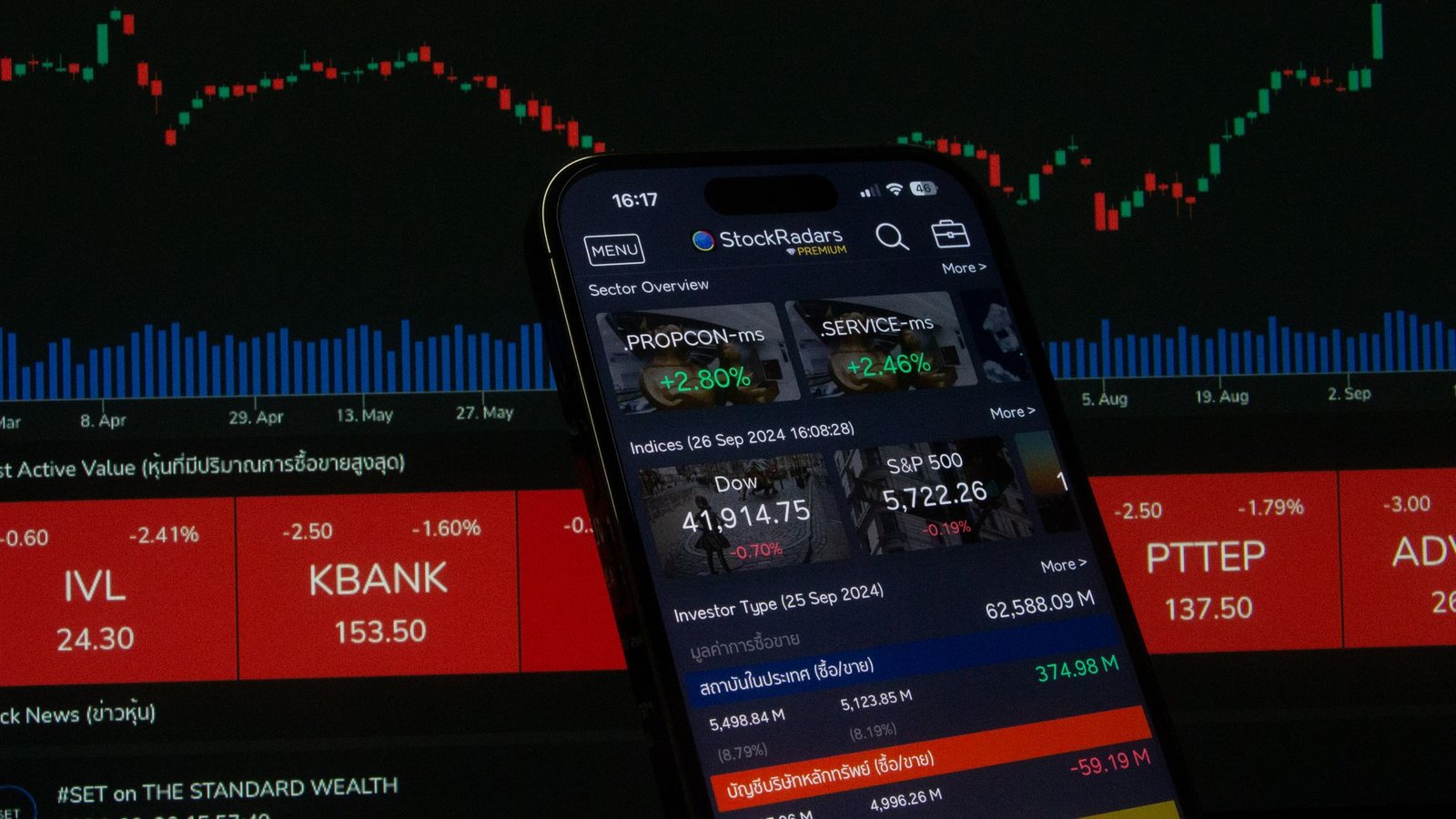
Once a gap is identified, traders can employ various strategies based on the type of gap and the prevailing market conditions.
- Gap and Go Strategy: This is a momentum strategy where traders buy (or short sell) a stock that gaps significantly at the open, expecting the price to continue in the direction of the gap. It’s often used for breakaway or runaway gaps with high volume.
- Gap Fill Strategy: This strategy assumes that most gaps will eventually be filled. Traders look to enter a trade against the direction of the gap, expecting the price to retrace and close the gap. This is commonly used for common and exhaustion gaps.
- Opening Range Breakout (ORB) with Gaps: Combines gap analysis with the opening range breakout strategy. If a stock gaps up and then breaks above its opening high, it’s a strong bullish signal.
The Role of Volume
Volume is a critical confirmation tool in gap trading. A gap accompanied by significantly higher than average volume suggests strong conviction from market participants and increases the likelihood of the price continuing in the gap’s direction. Conversely, a gap with low volume might indicate a less reliable move and a higher chance of the gap being filled.
Factors Influencing Gap Behavior in India
Several unique factors can influence how price gaps behave in the Indian stock market context, distinguishing it from global markets.
The Indian market’s sensitivity to global economic cues, domestic policy changes, and corporate earnings announcements often contributes to a higher frequency and volatility of price gaps.
News and Events
Major news events, such as election results, budget announcements by the Finance Ministry, Reserve Bank of India (RBI) policy decisions, or significant corporate earnings reports, frequently cause substantial price gaps. Traders must stay informed about these macro and micro-economic events.
Market Sentiment
Overall market sentiment, whether bullish or bearish, can amplify the effect of gaps. During periods of high optimism, bullish gaps are more likely to be sustained, while fear and uncertainty can lead to larger and more persistent bearish gaps.
Liquidity
The liquidity of a stock plays a role. Gaps in highly liquid large-cap stocks on NSE might behave differently than gaps in illiquid small-cap stocks. Higher liquidity generally leads to more efficient price discovery and potentially quicker gap fills or continuations.
Regulatory Impact
SEBI’s regulations and announcements can also impact stock prices and create gaps. For instance, changes in trading norms or sector-specific policies can trigger unexpected price movements.

Risk Management in Gap Trading
Gap trading, while potentially lucrative, is inherently risky due to the sudden and often unpredictable nature of price movements. Strict risk management is paramount for survival and profitability.
Implementing a robust risk management plan is crucial for any gap trading strategy, ensuring that potential losses are controlled and capital is preserved.
Stop-Loss Orders
A stop-loss order is essential for every gap trade. For a bullish gap trade, the stop-loss might be placed just below the low of the gap or the previous day’s close. For a bearish gap trade, it would be placed above the high of the gap or the previous day’s close. This limits potential downside if the trade moves against you.
Position Sizing
Never risk a significant portion of your trading capital on a single trade. Position sizing ensures that even if a trade hits your stop-loss, the financial impact is manageable. A common rule is to risk no more than 1-2% of your total capital per trade.
Confirmation Signals
Avoid trading solely based on the gap itself. Look for other technical indicators or chart patterns that confirm the direction of the potential move. This could include support/resistance levels, moving averages, or candlestick patterns.
Understanding the Gap Type
Differentiating between gap types is a form of risk management. Trading a breakaway gap with a momentum strategy is generally less risky than trying to fade (bet against) a high-volume breakaway gap with a gap fill strategy.

Frequently Asked Questions
What is the most common gap trading strategy?
The ‘Gap and Go’ strategy, where traders enter a position expecting the price to continue in the direction of the gap immediately after the open, is very popular for its simplicity and potential for quick profits.
How reliable is gap filling?
While many gaps tend to fill, it’s not guaranteed. Breakaway and runaway gaps, especially those with high volume, often signal the start of a strong trend and may not be filled for a long time, if ever.
When should I avoid trading gaps?
Avoid trading gaps during periods of extreme uncertainty or low liquidity, or when the gap is accompanied by very low volume, as these factors increase the risk of unpredictable price action.
Can I use gap trading for long-term investing?
Gap trading is primarily a short-to-medium term strategy. While understanding gaps can inform longer-term decisions, it’s not typically used for buy-and-hold investing due to its focus on immediate price movements.
What are the best indicators for gap trading?
Volume is paramount. Other useful indicators include Moving Averages for trend confirmation, RSI for overbought/oversold conditions, and MACD for momentum shifts.
Key Takeaways
- Price gaps represent significant opportunities in Indian markets due to news and sentiment-driven trading.
- Different types of gaps (common, breakaway, runaway, exhaustion) offer distinct trading signals.
- Volume is a crucial confirmation tool for gap trades.
- Always use stop-loss orders and proper position sizing for risk management.
- Stay informed about news and events that commonly cause gaps in NSE/BSE.
- Gap trading is best suited for short-to-medium term strategies.
Trading in the stock market involves inherent risks, and past performance is not indicative of future results. Always consult with a qualified financial advisor before making investment decisions.





 Finovatives