


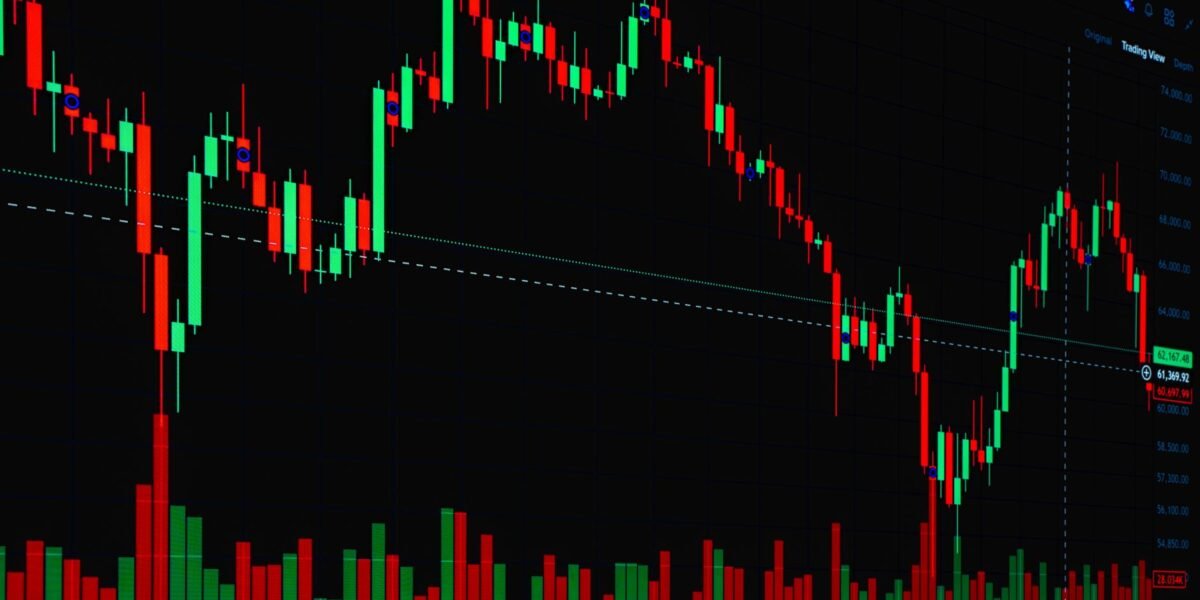
TL;DR: Effective swing trading strategies for NSE stocks focus on identifying and capitalizing on price trends and reversals over a few days to weeks, using tools like chart patterns, support/resistance levels, and technical indicators to time entries and exits for profit.
Key Stats at a Glance:
- Nifty 50 Index Average Daily Volume: ~₹25,000 Crore (as of early 2024)
- Average Swing Trade Duration: 2 days to 3 weeks
- Successful Swing Traders’ Win Rate Target: 50-60%
- Typical Risk-Reward Ratio per Trade: 1:1.5 to 1:3
- NSE Listed Companies: Over 4,000
What is Swing Trading?
Swing trading is a trading strategy where traders aim to capture gains in a stock over a period of a few days to several weeks. It sits between day trading, which closes positions within a single day, and long-term investing, which holds positions for months or years. Swing traders focus on shorter-term price trends, often referred to as ‘swings’, looking for opportunities to profit from market fluctuations.
Why is Swing Trading Popular in India?
Swing trading’s popularity in India stems from its ability to balance the immediacy of day trading with the patience required for long-term investing, making it suitable for working professionals and active traders alike. It allows traders to benefit from market movements without requiring constant screen monitoring, and the potential to generate returns more frequently than buy-and-hold strategies appeals to a broad spectrum of Indian market participants seeking to augment their investment portfolios.
Capturing Market Swings
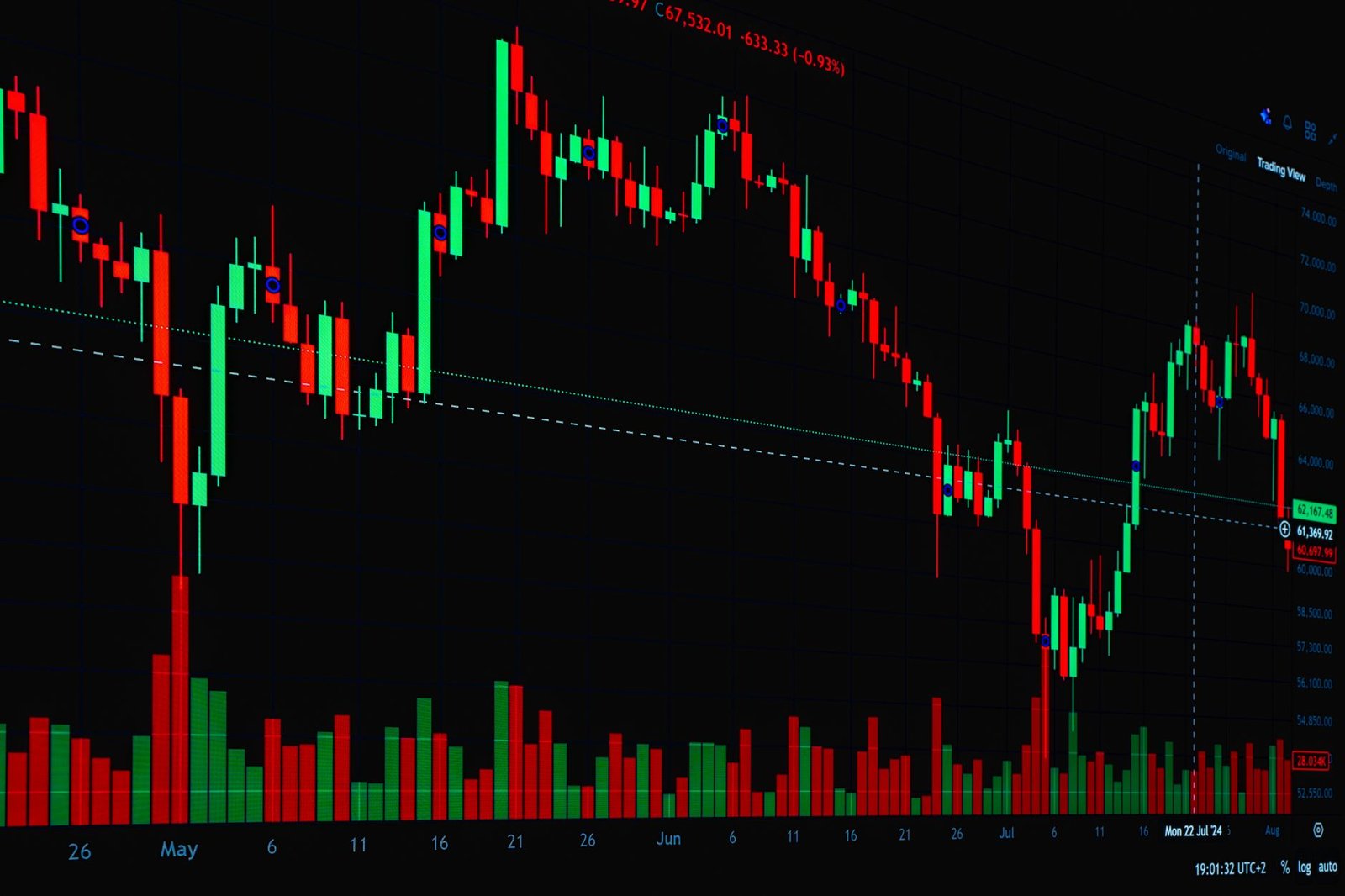
The Indian stock market, with its inherent volatility and diverse range of listed stocks across NSE and BSE, presents ample opportunities for swing traders. Market participants can identify and exploit these ‘swings’ – the upward or downward movements in price that occur over days or weeks – to their advantage. This approach is less demanding than day trading but offers more frequent profit potential than long-term investing.
Time Efficiency for Traders
For many Indian traders, especially those with day jobs, swing trading offers an ideal time commitment. Unlike day trading which demands full attention, swing trading allows individuals to analyse charts and place trades during evenings or weekends, fitting into busy schedules. This accessibility broadens the appeal of the stock market for a larger demographic.
Proven Swing Trading Strategies for NSE Stocks
Successful swing trading on NSE stocks relies on a combination of well-defined strategies that leverage technical analysis and market psychology. These strategies are designed to identify potential entry and exit points with a favourable risk-reward ratio, helping traders capture profitable price movements while managing downside risk effectively.
Trend Following Strategies
Trend following is a cornerstone of swing trading, aiming to profit from established market trends. Traders identify an uptrend or downtrend and enter positions in the direction of that trend, expecting it to continue for a certain period. Key tools include moving averages, trendlines, and momentum indicators.
Using Moving Averages
Moving averages (like the 20-day, 50-day, or 200-day Simple Moving Average or Exponential Moving Average) are widely used to define trends. A common strategy involves buying when a shorter-term moving average crosses above a longer-term one (e.g., 50-day MA crossing above 200-day MA) in an uptrend, and selling when the opposite occurs in a downtrend. Confirmation from other indicators is often sought.
Breakout Trading
Breakout trading involves identifying periods of consolidation where a stock’s price is trading within a defined range, and then entering a trade when the price moves decisively beyond that range (a breakout). This strategy assumes that the price will continue to move in the direction of the breakout.
Identifying Support and Resistance
Support and resistance levels are crucial for breakout trading. Support is a price level where demand is strong enough to prevent the price from falling further, while resistance is a level where selling pressure is sufficient to stop the price from rising. Traders watch for price to break through these levels with increased volume.
Pullback and Retracement Strategies
Pullback strategies focus on entering trades during temporary counter-trend movements within an established trend. In an uptrend, traders look for brief price dips (pullbacks) to enter long positions at a more favourable price, assuming the primary trend will resume. Conversely, in a downtrend, traders look for brief price rallies (retracements) to enter short positions.
Utilizing Fibonacci Retracements
Fibonacci retracement levels (commonly 38.2%, 50%, and 61.8%) are often used to identify potential support or resistance areas where a pullback or retracement might end. Traders may enter a position when the price bounces off one of these Fibonacci levels in the direction of the prevailing trend.
Chart Pattern Recognition
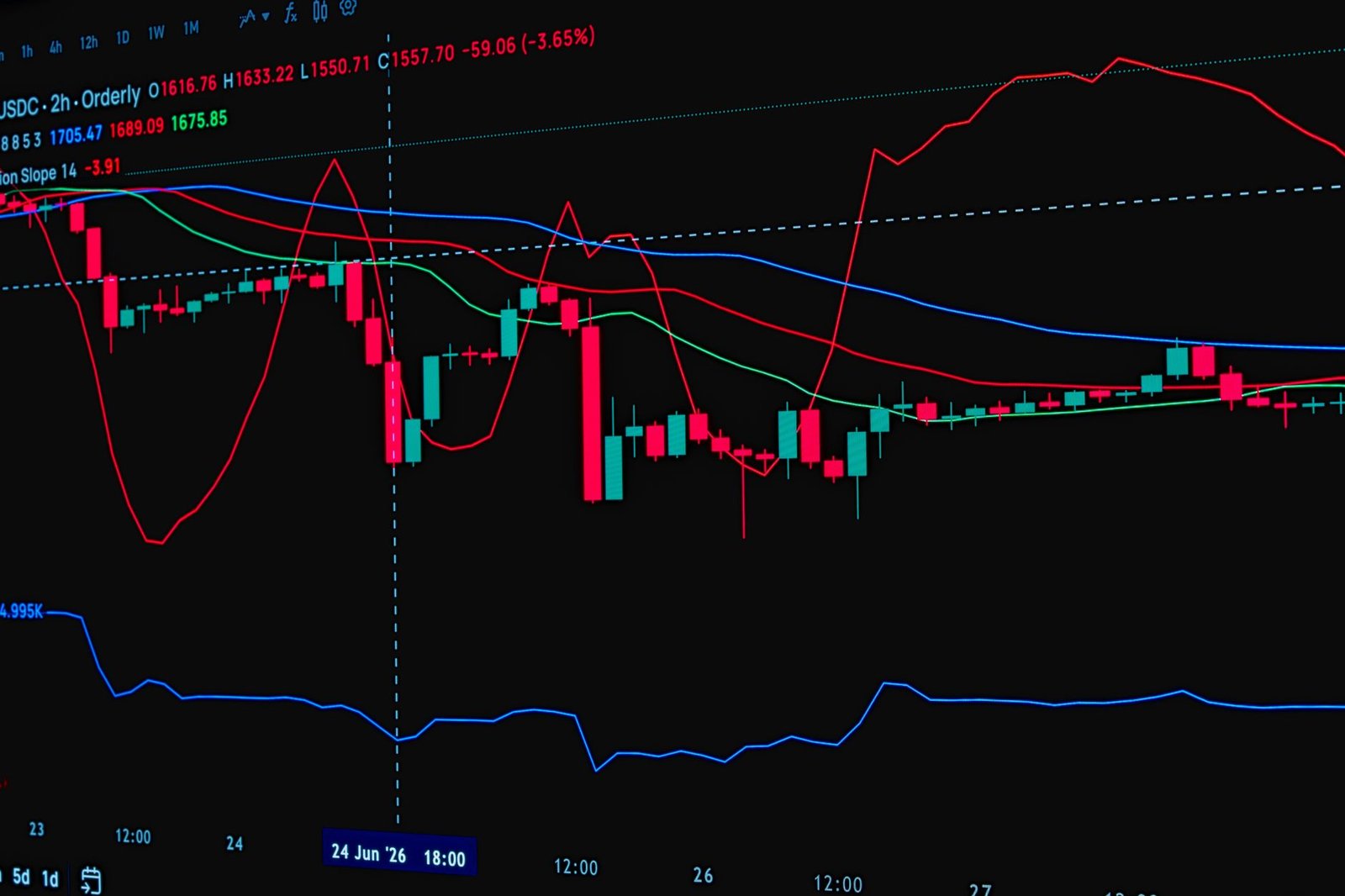
Certain chart patterns signal potential trend continuations or reversals, making them valuable for swing traders. Patterns like ‘flags’, ‘pennants’, ‘triangles’ (continuation patterns) and ‘head and shoulders’, ‘double tops/bottoms’ (reversal patterns) provide visual cues for potential price movements.
Candlestick Patterns
Specific Japanese candlestick patterns can provide early signals of potential price reversals or continuations. Patterns such as ‘Doji’, ‘Hammer’, ‘Engulfing patterns’, and ‘Morning/Evening Stars’ are frequently analysed by swing traders to gauge market sentiment and anticipate short-term price action.

How to Implement Swing Trading Strategies
Implementing swing trading strategies effectively requires a systematic approach, discipline, and a robust understanding of market dynamics. By following a structured plan, traders can increase their chances of success and manage the inherent risks involved in capturing short-to-medium term price movements on NSE stocks.
- Define Your Trading Plan: Clearly outline your strategy, including the types of stocks you will trade, the indicators you will use, your entry and exit criteria, and your risk management rules.
- Choose Your Stocks Wisely: Focus on stocks with good liquidity on the NSE, reasonable volatility, and clear trends or consolidation patterns. Avoid illiquid stocks where price discovery is poor.
- Utilise Technical Analysis Tools: Employ chart patterns, support/resistance levels, moving averages, oscillators (like RSI or MACD), and volume analysis to identify potential trade setups.
- Set Clear Entry and Exit Points: Determine your entry price based on your strategy’s signals. Always set a stop-loss order to limit potential losses and a take-profit target to secure gains.
- Manage Your Risk: Never risk more than 1-2% of your trading capital on a single trade. Maintain a favourable risk-reward ratio (at least 1:1.5).
- Monitor Your Trades: While swing trading isn’t day trading, regularly monitor your open positions to adjust stop-losses as the trade moves in your favour or to exit if conditions change.
- Review and Adapt: Periodically review your trading performance. Analyse both winning and losing trades to identify what worked and what didn’t, and refine your strategies accordingly. Consider using a TradingView indicator to backtest and refine your approach.
Risk Management in Swing Trading
Risk management is paramount for swing traders to survive and thrive in the volatile Indian stock market. Without proper risk controls, even the best strategies can lead to significant losses.
Stop-Loss Orders
A stop-loss order is an essential tool that automatically closes a trade when the price reaches a predetermined level, limiting potential losses. It’s crucial to place stop-losses logically, often below support levels for long positions or above resistance levels for short positions, rather than at arbitrary price points.
Position Sizing
Determining the correct position size for each trade is critical. It ensures that no single trade can wipe out a substantial portion of your capital. A common rule is to risk only a small percentage (e.g., 1-2%) of your total trading capital per trade. This means adjusting the number of shares you buy or sell based on your stop-loss distance.

Diversification
While swing trading often involves focusing on specific setups, diversifying across different stocks and sectors can help mitigate sector-specific risks. However, over-diversification can dilute focus. A balance is key, ensuring that each trade aligns with the overall trading plan.
Frequently Asked Questions
What is the best time frame for swing trading NSE stocks?
The most common time frames for swing trading are daily and 4-hour charts. These allow traders to identify trends and patterns over several days to weeks, aligning with the typical duration of a swing trade.
How much capital is needed for swing trading in India?
While there’s no fixed minimum, a capital of ₹25,000 to ₹50,000 is often considered a reasonable starting point for swing trading in India, allowing for proper position sizing and diversification across a few trades.
Can swing trading be done alongside a full-time job?
Yes, swing trading is well-suited for individuals with full-time jobs. Trades are typically entered and exited over days or weeks, and analysis can be done outside of market hours, unlike day trading.
What are the biggest risks in swing trading?
The biggest risks include unexpected news events causing sharp price movements (gap risk), market volatility, and the potential for trends to reverse suddenly without warning, leading to losses if stop-losses are not managed effectively.
Which indicators are most useful for swing traders?
Popular indicators include Moving Averages (e.g., 20, 50, 200 EMA/SMA), Relative Strength Index (RSI), Moving Average Convergence Divergence (MACD), and Volume. Chart patterns and support/resistance levels are also vital.
How do you ensure a good risk-reward ratio?
Set your stop-loss at a logical point of invalidation for your trade setup and then set your profit target at a level that offers at least a 1:1.5 or 1:2 ratio. If the potential profit is not significantly larger than the potential loss, the trade may not be worth taking.
Key Takeaways
- Swing trading capitalises on short-to-medium term price movements over days to weeks.
- Popular strategies include trend following, breakout trading, pullback strategies, and chart pattern recognition.
- Technical indicators like Moving Averages, RSI, and MACD are essential tools.
- Rigorous risk management, including stop-loss orders and proper position sizing, is crucial for success.
- Swing trading is feasible for individuals with full-time jobs due to its time flexibility.
- Understanding and applying candlestick patterns and chart formations enhances trade selection.
- Continuous learning, performance review, and strategy adaptation are key to long-term profitability.
Trading in the securities market is subject to market risks. Please read all the related documents carefully before investing.





 Finovatives