

TL;DR: A disciplined trading mindset involves emotional control, strict adherence to a trading plan, and continuous learning, enabling Indian traders to make rational decisions and achieve consistent profitability in volatile markets.
Key Stats at a Glance:
- Nifty 50 Index experienced an average volatility of ~15-18% annually over the past decade.
- Studies suggest over 90% of retail traders lose money in their first year.
- The average holding period for stocks in India has decreased significantly in recent years.
- SEBI mandates risk disclosure documents for all investment products.
- Approximately 70% of trading decisions can be influenced by emotional factors.
What is a Disciplined Trading Mindset?
A disciplined trading mindset is the psychological framework that allows a trader to consistently execute their trading plan without succumbing to emotional biases like fear, greed, or impatience.
The Importance of Discipline
Discipline is the bedrock of successful trading. Without it, even the most sophisticated trading strategies or indicators will falter. In the dynamic Indian stock market, where sentiment can shift rapidly, a disciplined approach ensures you stick to your pre-defined rules, rather than reacting impulsively to market noise. This prevents costly mistakes driven by fear of missing out (FOMO) or the urge to chase quick profits.
Emotional Intelligence in Trading
Emotional intelligence (EQ) is paramount. Traders must learn to recognise their emotional triggers and develop coping mechanisms. This isn’t about suppressing emotions entirely, but about understanding them and ensuring they don’t dictate trading decisions. For instance, understanding that a losing streak can induce fear, and having a plan to step back or review your strategy, rather than doubling down on risky trades.
How Can Indian Traders Cultivate a Disciplined Trading Mindset?
Cultivating a disciplined trading mindset is an ongoing process that requires conscious effort, self-awareness, and consistent practice tailored to the realities of the Indian market.
1. Develop a Comprehensive Trading Plan
A well-defined trading plan is your roadmap. It should include your market of focus (NSE, BSE, MCX, etc.), entry and exit criteria, risk management rules (stop-loss levels, position sizing), and profit targets. This plan should be written down and reviewed regularly. Without a plan, you are essentially gambling.
2. Master Risk Management
Discipline is intrinsically linked to risk management. This means never risking more than you can afford to lose on a single trade, typically 1-2% of your capital. Implementing strict stop-loss orders is non-negotiable. This prevents small losses from becoming catastrophic and protects your capital, allowing you to stay in the game.
3. Practice Patience and Patience
Impatience is a trader’s enemy. Resist the urge to enter trades prematurely or exit profitable positions too soon out of boredom or anxiety. Wait for your trading plan’s setup to materialise. Patience allows you to identify high-probability setups and avoid low-quality trades.
4. Embrace Losses as Learning Opportunities
Every trader experiences losses; it’s an inevitable part of the process. The key is to avoid letting losses affect your confidence or lead to revenge trading. Instead, analyse each loss objectively. What went wrong? Could it have been prevented? Use this analysis to refine your strategy and improve your decision-making. AMFI provides educational resources that can help understand market risks.
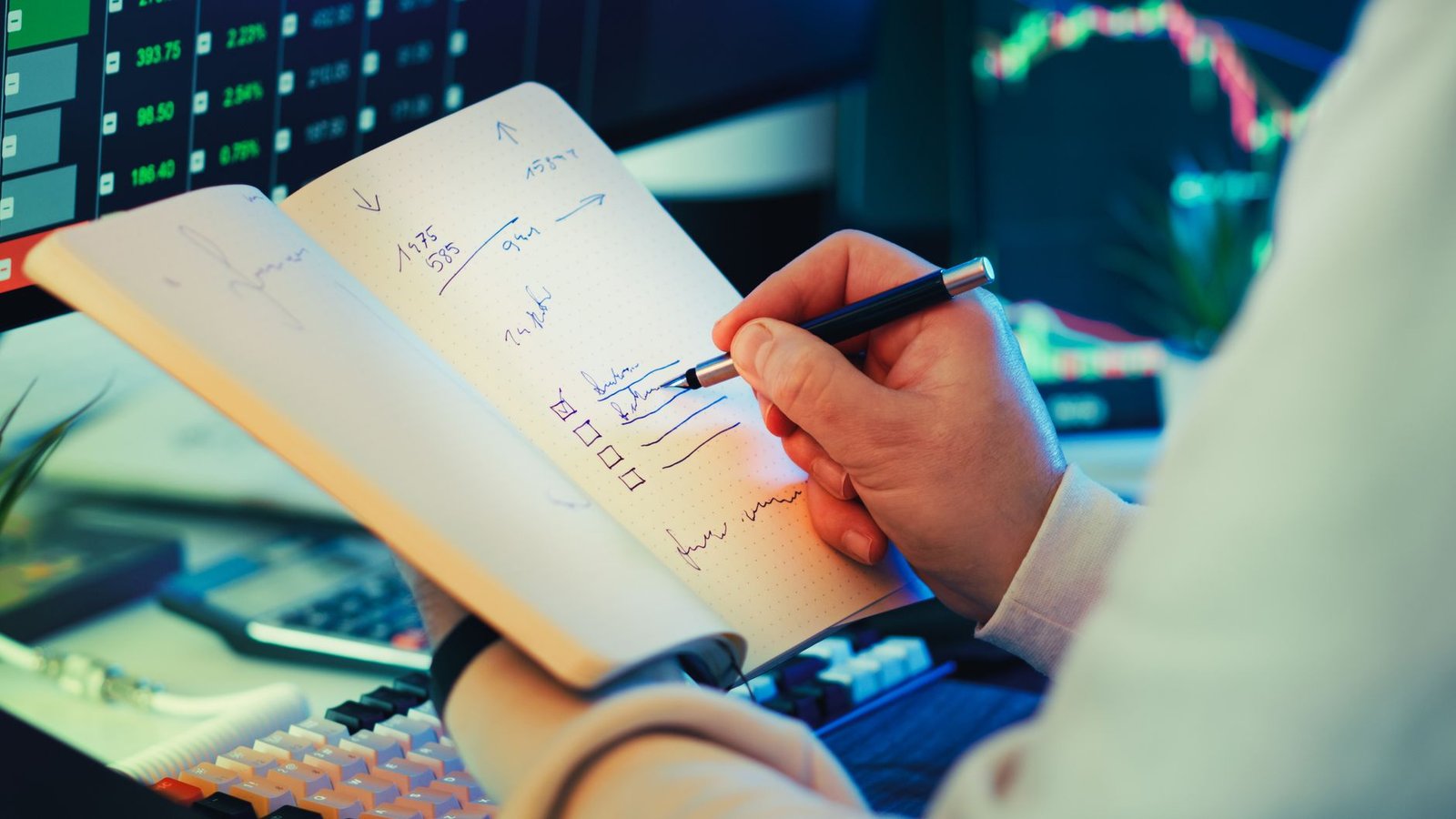
5. Keep a Trading Journal
A trading journal is an invaluable tool for self-assessment. Record every trade, including the rationale, entry/exit points, profit/loss, and your emotional state during the trade. Regularly reviewing your journal helps identify patterns in your behaviour and decision-making, highlighting areas where discipline might be lacking. Many traders find our TradingView indicator features helpful in logging trade data.
6. Simulate and Backtest
Before risking real capital, especially with complex strategies, simulate trades using paper trading accounts or backtest your strategy on historical data. This builds confidence in your plan and helps you experience market dynamics without financial risk. Many platforms offer these simulation tools.
7. Seek Continuous Education
The markets are constantly evolving. Stay updated on market news, economic indicators, and new trading techniques. Understanding market behaviour and the factors influencing it can build confidence and reduce emotional decision-making. Resources from NSE and BSE are excellent starting points.
8. Develop a Healthy Lifestyle
Physical and mental well-being directly impacts trading performance. Ensure adequate sleep, maintain a healthy diet, and engage in regular exercise. Stress and fatigue can impair judgment, making you more susceptible to emotional trading. A clear mind makes for better trading decisions.
Overcoming Common Psychological Pitfalls
Several common psychological traps can derail even the most well-intentioned traders. Recognizing and actively working to overcome these is a critical step towards building a disciplined mindset.
Fear of Missing Out (FOMO)
FOMO often leads traders to jump into trades without proper analysis, fearing they’ll miss potential profits. This usually results in entering at poor prices and taking on excessive risk. Stick to your plan and wait for setups that meet your criteria.
Greed
Greed can manifest as holding onto winning trades too long, hoping for unrealistic profits, or over-leveraging positions. It can also lead to revenge trading after a loss. Define your profit targets beforehand and exit when they are met, or when your stop-loss is triggered.
Overconfidence
A few successful trades can lead to overconfidence, causing traders to abandon their risk management rules or take on larger-than-justified positions. Remember that past success does not guarantee future results. Maintain humility and stick to your strategy.
Confirmation Bias
This is the tendency to seek out information that confirms your existing beliefs while ignoring contradictory evidence. In trading, this might mean only looking at positive news about a stock you own, ignoring warning signs. Strive for objectivity in your analysis.
Loss Aversion
The pain of losing is psychologically more potent than the pleasure of an equivalent gain. This can cause traders to hold onto losing positions for too long, hoping they will turn around, or to exit winning trades too early to lock in small profits. Accepting small losses quickly is often more disciplined than hoping for a comeback.
How to Implement a Disciplined Trading Strategy
- Define Your Edge: Clearly identify what gives you an advantage in the market (e.g., a specific technical pattern, an understanding of a sector).
- Create a Trading Plan: Document your strategy, including entry/exit rules, risk per trade (e.g., 1% of capital), and position sizing.
- Set Strict Stop-Losses: Determine your maximum acceptable loss for each trade before entering it.
- Automate Where Possible: Use order types like stop-loss and take-profit orders to enforce your plan automatically.
- Review Trades Daily: At the end of each trading day, review your trades against your plan.
- Conduct Weekly/Monthly Analysis: Assess your overall performance, identify recurring mistakes, and refine your plan.
- Practice Emotional Detachment: Remind yourself that trades are probabilities, not certainties. Focus on executing your plan, not on the outcome of any single trade.
- Seek Feedback: If possible, discuss your trading with experienced, disciplined traders or mentors.
Frequently Asked Questions
What is the most common mistake disciplined traders avoid?
Disciplined traders consistently avoid emotional decision-making. They stick to their trading plan, manage risk strictly, and don’t let fear or greed dictate their actions, unlike impulsive traders.
How can I control my emotions while trading?
Control emotions by having a clear trading plan, practicing mindfulness, taking breaks when feeling overwhelmed, and focusing on the process rather than individual trade outcomes. Journaling helps track emotional triggers.
Is it possible to become a disciplined trader without a plan?
No, a trading plan is fundamental. It acts as a set of rules that guide decisions, minimise emotional influence, and provide a framework for consistent execution, which is the essence of discipline.
How important is a trading journal for discipline?
A trading journal is critically important. It provides objective feedback on your trading behaviour, highlights emotional biases, and helps identify patterns where discipline was compromised, enabling targeted improvements.
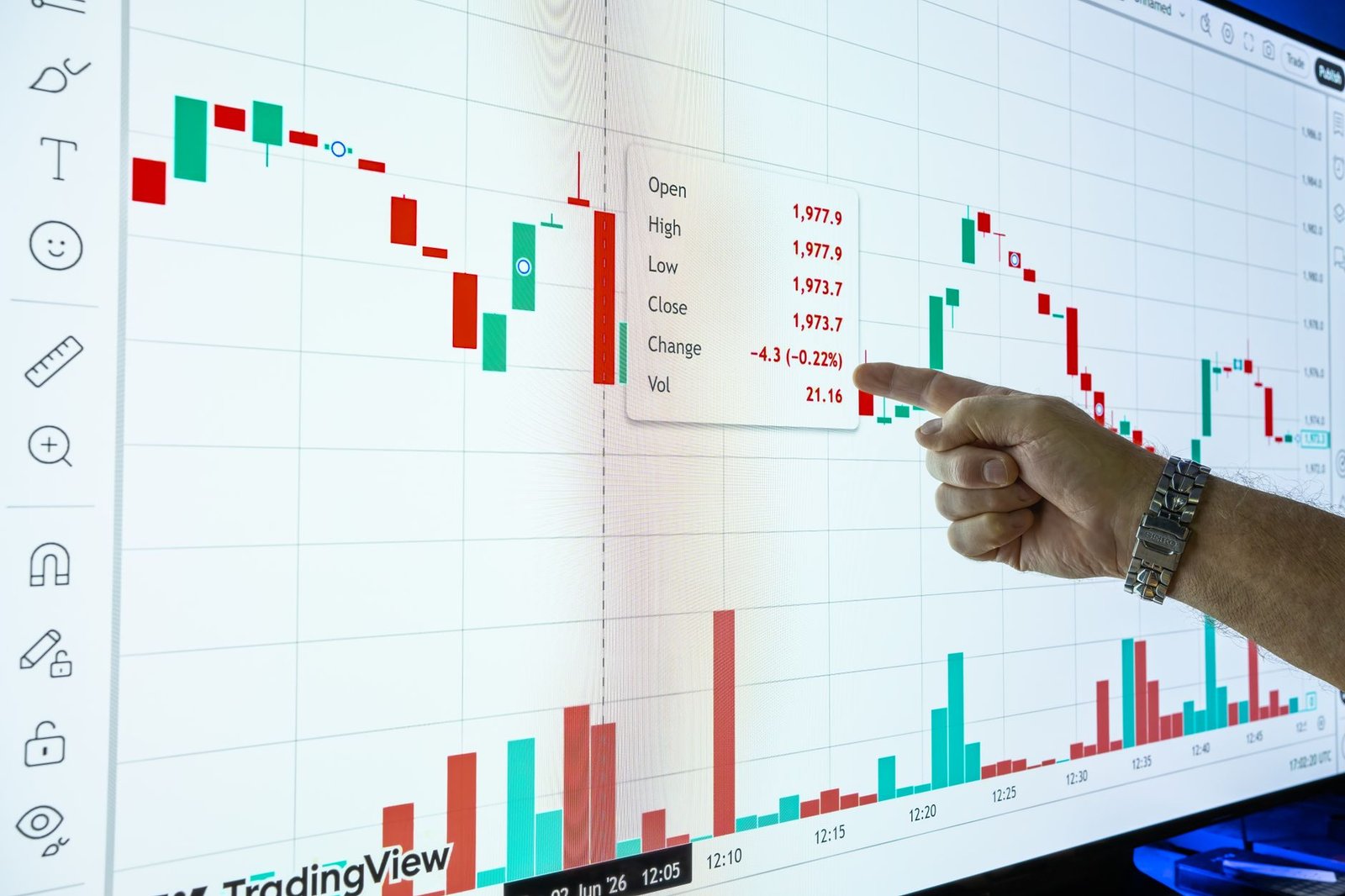
Can I use TradingView indicators to improve my trading discipline?
Yes, while indicators themselves don’t enforce discipline, using them within a structured plan, like our Trend Traders Tool, can help in identifying trade setups objectively and sticking to your strategy consistently.
What role does risk management play in trading discipline?
Risk management is a cornerstone of discipline. It enforces adherence to predefined limits on losses and capital allocation, preventing impulsive decisions driven by greed or fear from wiping out your account.

Key Takeaways
- A disciplined trading mindset is crucial for overcoming emotional biases and achieving consistent profitability in trading.
- A comprehensive trading plan, strict risk management, and patience are the pillars of trading discipline.
- Understanding and managing psychological pitfalls like FOMO, greed, and overconfidence is essential.
- A trading journal is a powerful tool for self-assessment and identifying areas needing improved discipline.
- Continuous learning and maintaining physical/mental well-being support a disciplined trading approach.
- Automating trade execution where possible can help enforce discipline.
- Focus on executing your well-defined strategy rather than obsessing over single trade outcomes.
Trading involves substantial risk of loss and is not suitable for all investors. Invest wisely.



 Finovatives