

TL;DR: The Indian stock market, primarily run by the NSE and BSE and overseen by SEBI, allows retail investors to buy and sell shares of publicly listed companies, with prices driven by supply and demand, company performance, and economic factors.
Key Stats at a Glance:
- Over 4,000 companies listed across NSE and BSE.
- NSE’s daily average trading volume: ₹1.5 Lakh Crore+ (as of recent reports).
- Nifty 50’s historical average annual return: ~12-14%.
- SEBI mandate: Investor protection and market integrity.
- Average mutual fund SIP inflow: ₹17,000 Crore+ per month.
What is the Indian Stock Market?
The Indian stock market is a network of regulated exchanges, primarily the National Stock Exchange (NSE) and the Bombay Stock Exchange (BSE), where shares (equities) of publicly listed companies are bought and sold by investors.
It acts as a platform connecting companies seeking capital with investors looking to grow their wealth. Governed by the Securities and Exchange Board of India (SEBI), it ensures fair practices and transparency. The market operates on principles of supply and demand, where share prices fluctuate based on investor sentiment, company performance, economic news, and global events.
Think of it like a giant marketplace. Companies list their ownership stakes (shares) here to raise money for expansion. Investors, like you and me, can then buy these shares, hoping the company grows and the share price increases, allowing us to sell them later for a profit. Conversely, if the company or market conditions worsen, the price can fall.
How are Shares Traded in India?
Shares in India are traded electronically through stock exchanges like NSE and BSE, facilitated by registered stockbrokers. Investors place buy or sell orders through their broker, which are then matched on the exchange’s trading platform based on price and time priority.
The journey from wanting to buy a share to actually owning it involves several key steps and entities. It’s a digital process now, making it faster and more accessible than ever before. SEBI sets the rules for all these participants to ensure a level playing field.
The Role of Exchanges (NSE & BSE)
The NSE and BSE are the primary marketplaces. The NSE, established in 1992, is the world’s largest by trading volume for many categories and offers a fully automated, screen-based trading system. The BSE, Asia’s oldest, also operates a similar electronic system. They provide the infrastructure for price discovery and transaction execution.
Stockbrokers: Your Gateway
You can’t directly trade on an exchange. You need a stockbroker – a SEBI-registered intermediary. Popular options include full-service brokers offering research and advice, and discount brokers focusing on low transaction costs. They provide trading platforms (web and mobile apps) where you place your orders.
Depository Participants (DPs) and Demat Accounts
Shares today are held in electronic form, not physical certificates. A Demat account, held with a Depository Participant (DP), is essential. The two main depositories in India are NSDL (National Securities Depository Limited) and CDSL (Central Depository Services Limited). Your DP, linked to one of these, manages your Demat account, where your shares are credited upon purchase.
Order Types
When you trade, you use specific order types:
- Market Order: Buy or sell immediately at the best available current market price.
- Limit Order: Buy or sell only at a specific price you set or better. This gives price control but might not execute if the market doesn’t reach your price.
- Stop-Loss Order: An order to sell if the price falls to a certain level (to limit losses) or buy if it rises to a certain level (often used to enter a trade).

What Influences Stock Prices?
Stock prices are dynamic, constantly moving based on a complex interplay of factors. Understanding these drivers is key to making informed investment decisions.
Fundamentally, prices reflect the market’s collective opinion about a company’s future prospects and the overall economic environment.
Company Performance & News
A company’s financial health (profits, revenue, debt) is paramount. Positive results, new product launches, or strong management guidance tend to boost share prices. Conversely, poor performance, scandals, or regulatory issues can cause prices to plummet.
Economic Factors
Broader economic indicators like GDP growth, inflation rates, interest rate changes by the Reserve Bank of India (RBI), and government policies significantly impact the market. A growing economy generally supports higher stock prices, while high inflation or interest rates can put pressure on valuations.
Industry Trends
The performance of the industry a company belongs to also matters. For example, strong demand for electric vehicles might lift the share prices of EV manufacturers and related component suppliers.
Market Sentiment & Investor Psychology
Sometimes, prices move due to widespread investor optimism or pessimism, often amplified by news cycles or social media. This ‘herd mentality’ can create short-term bubbles or crashes, even if underlying fundamentals haven’t changed drastically.
Global Events
Geopolitical events, global economic slowdowns, or major international news can affect even domestic markets, especially for companies with significant international operations or those dependent on global supply chains.
How to Start Investing in the Indian Stock Market
Getting started is simpler than you might think, but requires a systematic approach to manage risk effectively.
- Self-Education: Understand basic investment concepts, risk tolerance, and financial goals. Read financial news and SEBI guidelines.
- Open a Demat & Trading Account: Choose a SEBI-registered stockbroker and complete the KYC process to open your accounts. Many offer user-friendly mobile apps.
- Fund Your Account: Transfer money from your bank account to your trading account.
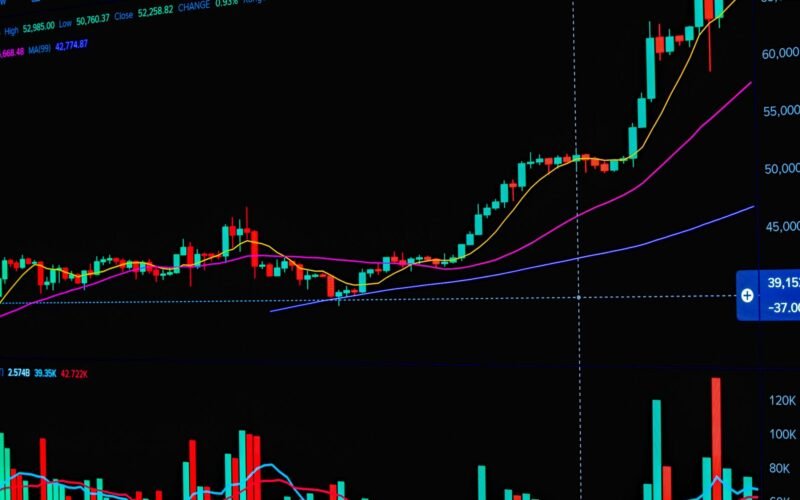
- Research: Identify potential stocks or mutual funds based on your goals and risk profile. Use fundamental and technical analysis tools. Consider exploring a good TradingView indicator for visual analysis.
- Place Your First Order: Decide on the quantity and type of order (Market or Limit). Start with small amounts.
- Monitor Your Investments: Regularly review your portfolio’s performance and stay updated on company and market news.
- Rebalance & Review: Periodically adjust your holdings to align with your goals and changing market conditions.
What are Mutual Funds and ETFs?
For beginners, mutual funds and Exchange Traded Funds (ETFs) offer a simpler way to gain diversified exposure to the stock market without picking individual stocks.
These pooled investment vehicles allow many investors to contribute money, which is then managed by a professional fund manager to invest in a basket of securities.
Mutual Funds
Managed by an Asset Management Company (AMC), mutual funds invest in stocks, bonds, or other assets. You buy units of the fund, and their value (Net Asset Value or NAV) changes daily based on the underlying investments. They can be actively managed (manager tries to beat the market) or passively managed (tracking an index like the Nifty 50).
Exchange Traded Funds (ETFs)
ETFs are similar to mutual funds but trade like stocks on an exchange throughout the day. Most ETFs are passively managed, aiming to replicate the performance of a specific index, commodity, or sector. Their prices fluctuate based on market supply and demand during trading hours.
Frequently Asked Questions
What are the trading hours for the Indian stock market?
The equity market of NSE and BSE typically operates from Monday to Friday, 9:15 AM to 3:30 PM IST. There are pre-opening and closing sessions as well.
Is it safe to invest in the Indian stock market?
The market is regulated by SEBI, offering significant investor protection. However, all investments carry inherent risks, and the value of investments can go down as well as up.
How much money do I need to start investing?
You can start with a small amount, even ₹500-₹1000, especially through mutual funds or by buying fractional shares if available. For direct stocks, the cost depends on the share price.
What is the difference between NSE and BSE?
Both are stock exchanges. NSE is known for its derivatives market and technology, while BSE is older and has more listed companies, though often with lower trading volumes.
What is a ‘bull’ and ‘bear’ market?
A bull market is characterized by rising prices and investor optimism, while a bear market sees falling prices and widespread pessimism.
Should I use a TradingView indicator for analysis?
Yes, tools like TradingView indicators can be very helpful for visualising price trends, identifying patterns, and making more informed technical analysis decisions, especially for active traders.
Key Takeaways:
- The Indian stock market, led by NSE and BSE, connects companies needing capital with investors.
- SEBI regulation ensures a fair and transparent trading environment.
- Opening a Demat and trading account with a SEBI-registered broker is the first step.
- Stock prices are influenced by company performance, economic factors, industry trends, and market sentiment.
- Mutual funds and ETFs offer diversified, easier entry points for beginners.
- Continuous learning and risk management are crucial for successful investing.
Investing in the stock market involves risks, including the potential loss of principal. Consult with a qualified financial advisor before making investment decisions.






 Finovatives