

TL;DR: Successful trading psychology hinges on recognising and managing emotional responses like fear, greed, and overconfidence to ensure rational decision-making and consistent profitability in the Indian stock market.
Key Stats at a Glance:
- Estimated 75% of retail traders lose money due to emotional trading mistakes.
- Nifty 50 experienced an average drawdown of 15-20% during major market corrections in the last decade.
- A study by the Behavioral Finance Association found that overconfident traders tend to take on more risk, leading to larger losses.
- The average holding period for intraday trades in India is mere minutes, often driven by impulse rather than strategy.
- Over 60% of trading decisions can be influenced by psychological biases, according to behavioural finance research.
What is Trading Psychology?
Trading psychology is the study of the mental and emotional factors that influence a trader’s decisions and behaviour in the financial markets.
It’s the bedrock of consistent profitability, moving beyond technical charts and fundamental analysis to address the human element. For Indian retail traders navigating the dynamic NSE and BSE, understanding this psychological landscape is crucial. It’s about transforming reactive impulses driven by fear and greed into proactive, strategic actions guided by discipline and logic. Without a firm grasp of your own mind, even the most sophisticated trading tools can lead to suboptimal outcomes.
How Can Traders Control Emotions?
Traders can control emotions by developing self-awareness, implementing strict trading plans, practicing mindfulness, and learning from every trade, both wins and losses.
The journey to emotional control in trading is an ongoing process, not a destination. It requires a deep dive into self-awareness to understand your personal triggers and biases. Once identified, you can strategically build mental defence mechanisms and implement robust systems that promote discipline. This includes setting predefined exit points, managing risk meticulously, and refraining from impulsive decisions. It’s about creating a consistent framework that shields you from the emotional rollercoaster of market fluctuations.
The Impact of Fear and Greed
Fear and greed are the two most potent emotions that derail trading decisions, leading to missed opportunities or catastrophic losses.
Fear, often manifesting as ‘fear of missing out’ (FOMO) or the terror of losing capital, can cause traders to exit profitable positions prematurely or avoid entering trades altogether. Conversely, greed can lead to excessive risk-taking, holding onto winning trades for too long in the hope of unrealistic gains, or entering trades with oversized positions. Both emotions cloud judgment, turning a well-researched strategy into a gamble. Recognizing these primal urges as they arise is the first step towards mitigating their influence.
Building Discipline and Patience
Discipline and patience are cultivated through rigorous adherence to a trading plan, consistent practice, and a long-term perspective.
Discipline in trading means sticking to your predefined strategy, even when emotions scream otherwise. This involves setting clear entry and exit rules, managing position sizes according to your risk tolerance, and avoiding impulsive trades. Patience, on the other hand, is the ability to wait for the right trading opportunities that align with your strategy, rather than forcing trades out of boredom or anxiety. It’s about understanding that not every moment in the market requires action, and sometimes the best trade is no trade at all.
Overcoming Overconfidence and Frustration
Overcoming overconfidence requires humility and a focus on continuous learning, while frustration is managed by accepting losses as part of the process and adjusting strategies.
Overconfidence, often a byproduct of a few consecutive winning trades, can lead to complacency and a disregard for risk management. It’s crucial to remember that past success doesn’t guarantee future results, especially in volatile markets like India’s. Humility and a commitment to ongoing education are key antidotes. Frustration, typically stemming from losing streaks or unexpected market moves, can lead to revenge trading. Accepting that losses are an inherent part of trading and using them as learning experiences, rather than personal affronts, is vital for mental fortitude.
Developing a Trading Plan
A comprehensive trading plan acts as a roadmap, outlining entry/exit criteria, risk management rules, and emotional control strategies.
A well-defined trading plan is your shield against emotional decision-making. It forces you to think rationally about your strategy before entering a trade. This plan should detail your market analysis methods, the specific conditions under which you will enter and exit trades (both for profit and loss), your position sizing rules, and even how you will manage your emotions during volatile periods. Regularly reviewing and refining your plan based on performance is essential. For those using sophisticated tools, integrating psychological checks within their workflow, perhaps using a custom TradingView indicator for entry signals, can be highly effective.
How to Control Emotions While Trading
- Self-Assessment: Keep a trading journal to meticulously record your trades, including your emotional state before, during, and after each trade. Identify recurring emotional patterns and triggers.
- Develop a Trading Plan: Create a detailed, written trading plan that specifies your entry and exit criteria, risk management rules (stop-loss levels, position sizing), and strategy.
- Strict Adherence: Commit to following your trading plan without deviation, even when faced with strong emotions like fear or greed. Treat your plan as non-negotiable.
- Risk Management First: Always prioritize risk management. Define the maximum amount you are willing to lose on any single trade and in a trading day. This limits the impact of losses and reduces emotional pressure.
- Set Realistic Expectations: Understand that no trader wins every trade. Aim for consistent profitability over the long term rather than seeking quick riches.
- Practice Mindfulness: Engage in mindfulness or meditation techniques to improve focus and emotional regulation. Learn to observe your thoughts and emotions without acting on them impulsively.
- Take Breaks: Step away from the trading screen if you feel overwhelmed, frustrated, or overly excited. Short breaks can help regain perspective and emotional balance.
- Seek Support: Discuss your trading psychology challenges with mentors, fellow traders, or a professional if needed. Sharing experiences can provide valuable insights and encouragement.
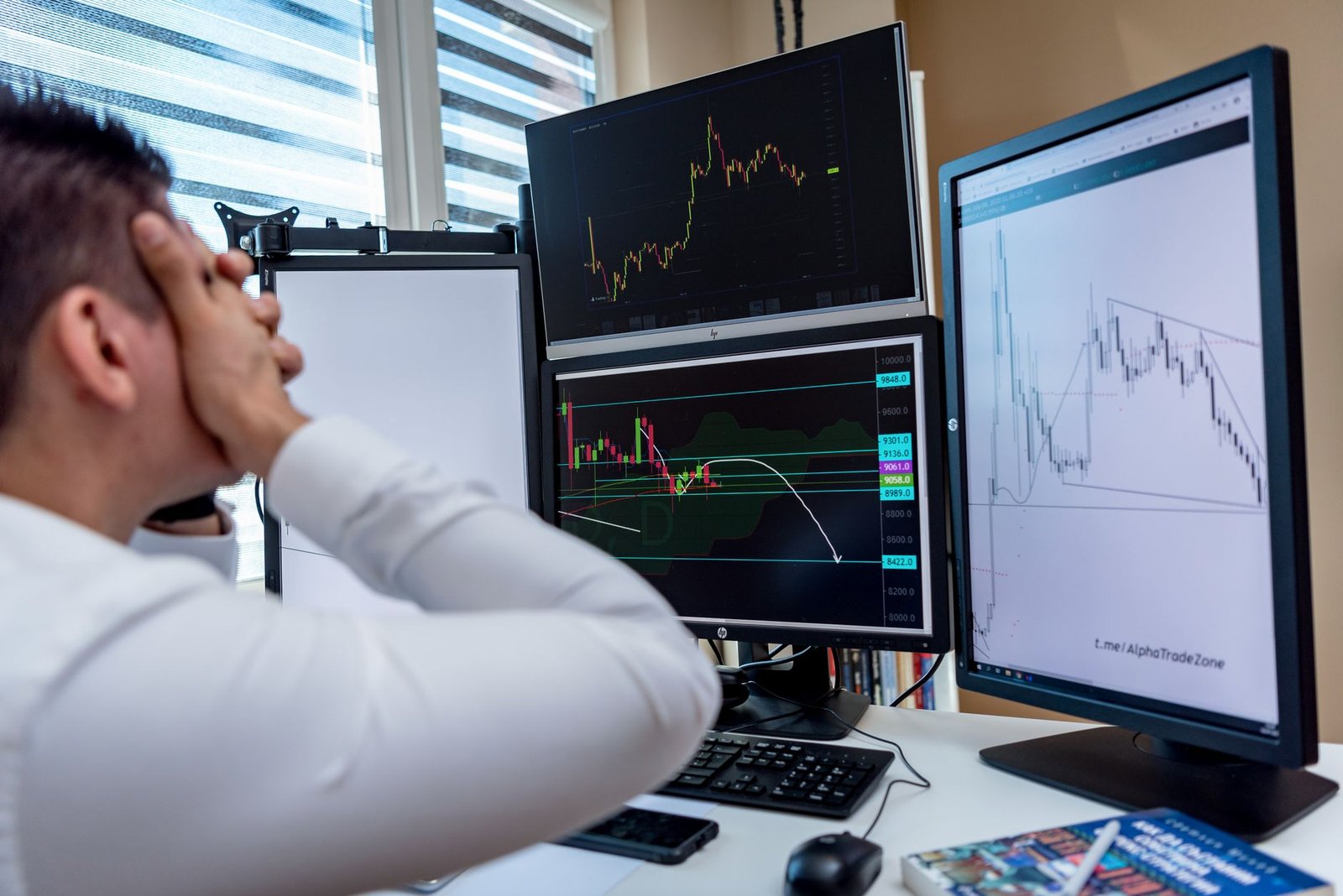
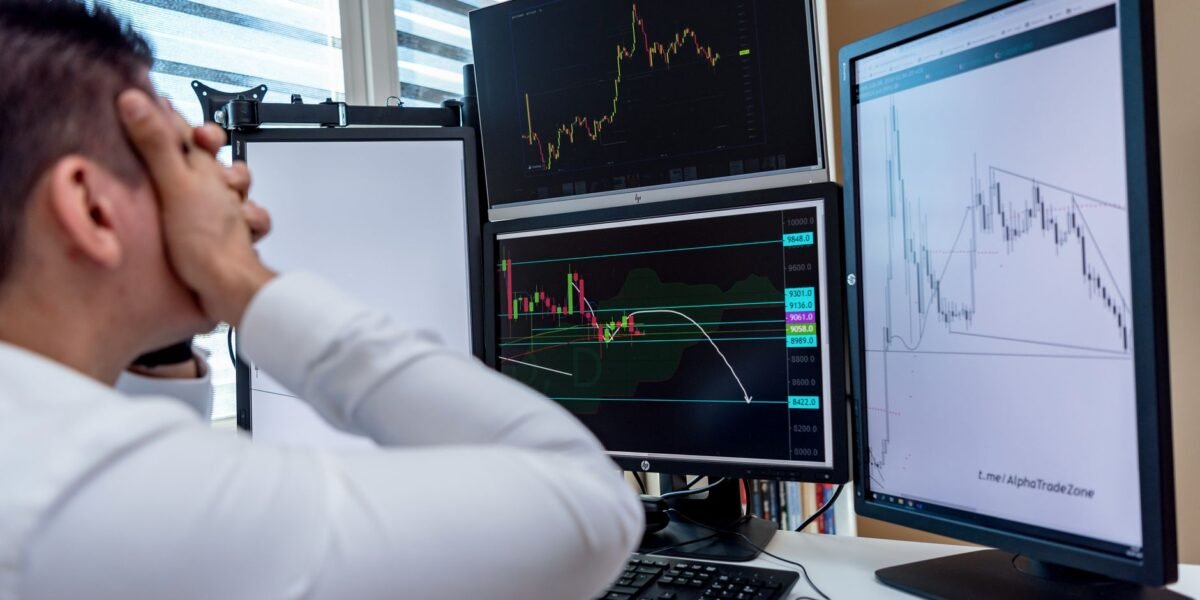
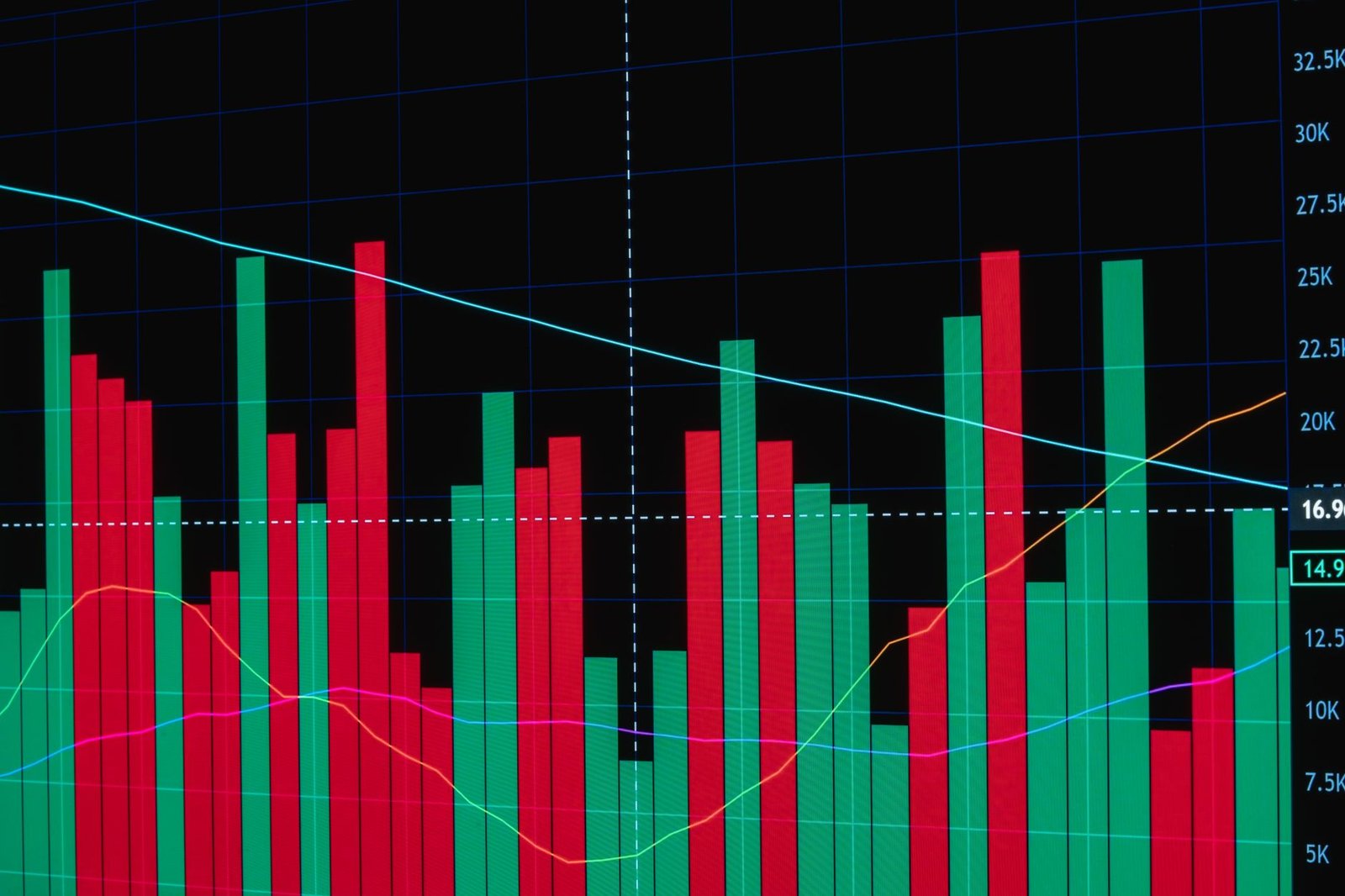
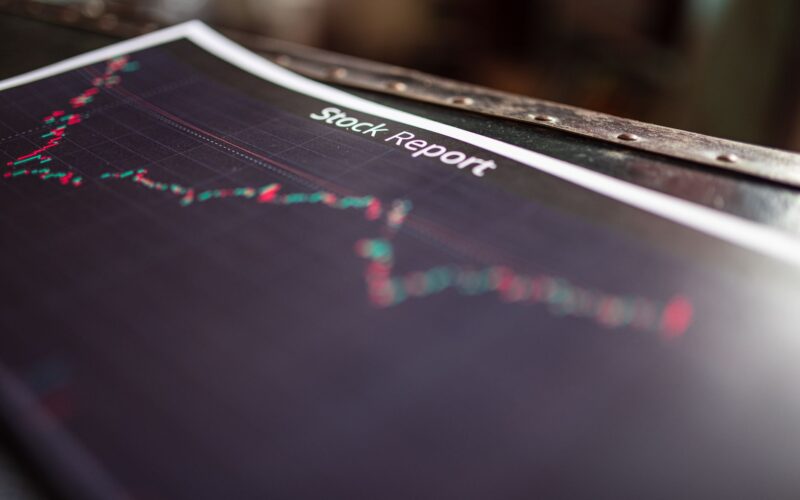
The visual representation of market volatility and the emotional responses it can trigger is a constant reminder of why psychology is paramount.
The Role of a Trading Journal
A trading journal is an indispensable tool for self-reflection, allowing traders to analyse their performance and identify psychological pitfalls.
More than just a record of buy and sell orders, a trading journal is a personal diary of your trading journey. It should document not only the trade details (entry price, exit price, stop-loss, profit/loss) but also the prevailing market conditions, your thought process, and, crucially, your emotional state at the time of the trade. Analyzing this data consistently helps pinpoint patterns where emotions like fear led to premature exits or greed resulted in holding a losing position too long. This reflective practice is the foundation for making objective adjustments to both strategy and mindset.
Analyzing Trade Performance
Objective analysis of trade performance involves looking beyond the profit and loss to understand the decision-making process behind each trade.
It’s easy to get fixated on the monetary outcome of a trade. However, true analysis delves into the ‘why’. Did you follow your plan? Were your entry and exit points based on your strategy or an emotional impulse? Was your position sizing appropriate for your risk tolerance? By dissecting each trade with these questions, you move from being a gambler to a strategic operator. This is where tools like the Trend Traders Tool can help by providing objective, data-backed entry and exit signals, which then allows you to focus on executing your plan without emotional interference.
Learning from Mistakes
Mistakes are inevitable in trading, but learning from them is what separates successful traders from those who struggle.
Every losing trade, and even every suboptimal winning trade, is a data point. The key is to extract the lesson. Was the mistake in your analysis, your execution, or your emotional control? For instance, a trade might be based on sound analysis but executed poorly due to impatience. The lesson isn’t to abandon the analysis but to work on patience during execution. This iterative process of identifying, understanding, and correcting mistakes is fundamental to long-term growth.
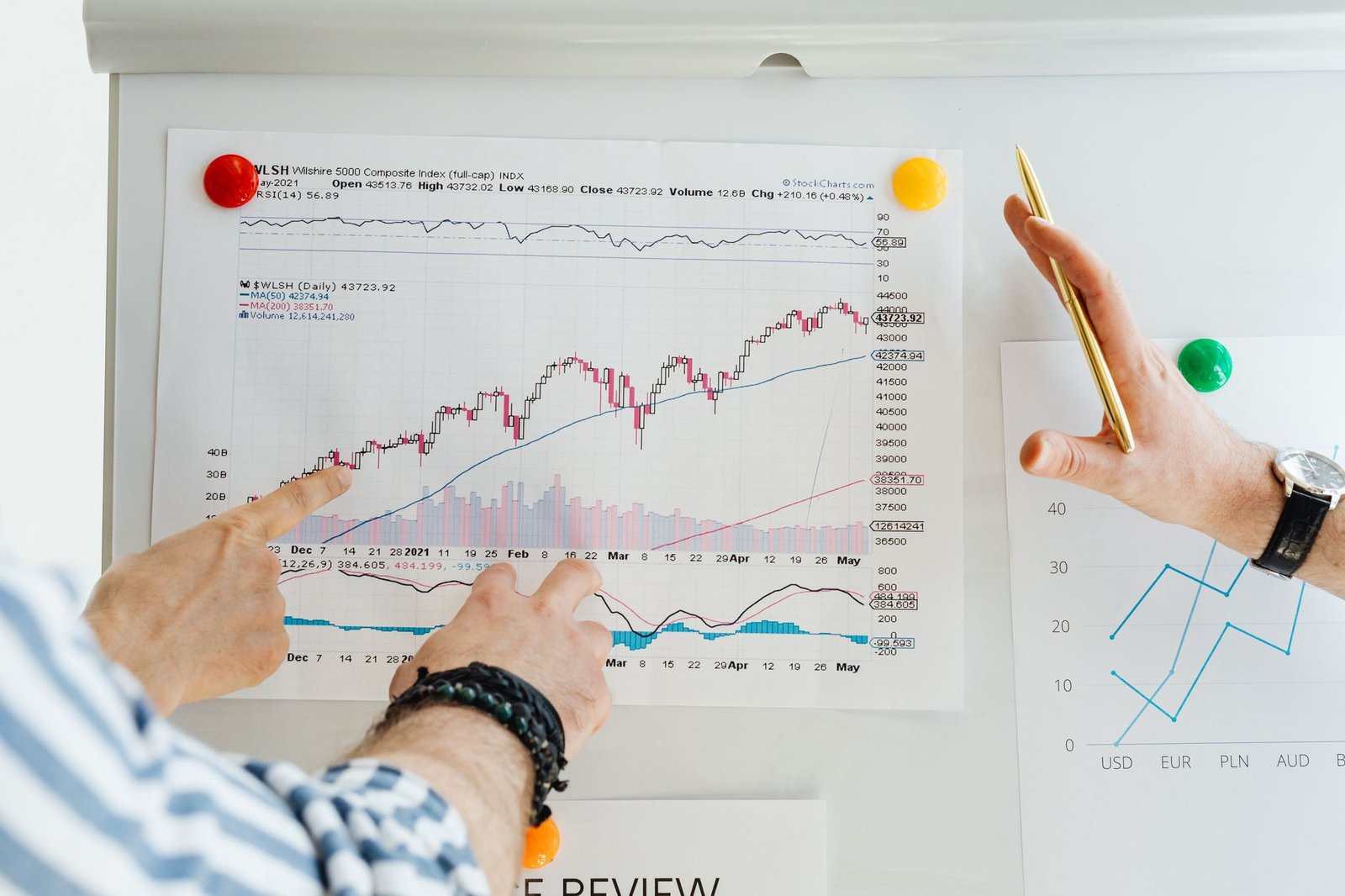
A visual of a trading journal or analytics dashboard would fit here.
Reinforcing Positive Habits
Positive trading habits, such as sticking to the plan and managing risk, are reinforced through consistent practice and positive reinforcement.
Just as negative emotions can create destructive habits, positive actions can build constructive ones. When you successfully execute a trade according to your plan, despite emotional pressure, acknowledge it. This positive reinforcement, even if it’s just a mental note or a congratulatory entry in your journal, strengthens the neural pathways associated with that desired behaviour. Over time, these reinforced actions become more automatic, reducing the cognitive load and the susceptibility to emotional interference.

A calm trader focusing on charts, perhaps with a subtle hint of a disciplined trading setup.
Common Psychological Biases in Trading
Several cognitive biases commonly affect traders, including confirmation bias, anchoring bias, and availability heuristic, leading to flawed decision-making.
Understanding these inherent psychological traps is crucial for any Indian trader aiming for consistent success. Confirmation bias leads individuals to seek out and interpret information that confirms their existing beliefs, ignoring contradictory evidence. Anchoring bias involves relying too heavily on the first piece of information encountered (like an initial price level) when making decisions. The availability heuristic makes traders overestimate the importance of information that is easily recalled, such as recent dramatic market events. Recognizing these biases in your own thinking is the first step to mitigating their impact.
Confirmation Bias
Confirmation bias causes traders to seek and favour information that validates their pre-existing trading ideas.
If a trader believes a particular stock is set to rise, they might actively search for news or analyst reports supporting this view, while dismissing any negative indicators. This selective attention can lead to entering trades with incomplete information and a skewed perception of risk. It’s vital to actively seek out dissenting opinions and evidence that challenges your thesis to ensure a balanced perspective.
Anchoring Bias
Anchoring bias occurs when traders fixate on a specific price point, such as a past high or a perceived support/resistance level, influencing their current decisions.
For example, a trader might refuse to buy a stock below ₹100, even if current market conditions and fundamentals suggest it’s a good entry point at ₹95. This rigid adherence to an ‘anchor’ price can prevent them from capitalizing on opportunities or exiting trades effectively when the market has moved past that anchor.
Availability Heuristic
The availability heuristic leads traders to overemphasize information that is readily available or recently experienced, such as dramatic news events.
A trader might become overly cautious about entering the market after witnessing a significant crash, even if the underlying conditions for new trades are favourable. Conversely, a period of strong gains might make them overconfident, believing such rallies are guaranteed to continue indefinitely. Basing decisions on objective, long-term data rather than recent, emotionally charged events is essential.
A split image showing a trader in distress versus a calm, focused trader.
FAQ
How important is trading psychology for beginners?
Trading psychology is critically important for beginners. It helps establish good habits early, preventing costly emotional mistakes that can lead to significant capital loss and discouragement from the markets.
Can I eliminate emotions from trading entirely?
No, it’s impossible to eliminate emotions entirely. The goal is to manage them effectively so they don’t dictate trading decisions, allowing for rational, strategy-based execution.
What is the best way to practice trading psychology?
The best way is through consistent self-awareness, adherence to a trading plan, rigorous risk management, and continuous journaling to analyze emotional patterns and learn from every trade.
How does fear affect trading decisions?
Fear can cause traders to exit profitable trades too early, avoid entering potentially good trades, or make impulsive decisions to protect capital, often leading to missed opportunities or magnified losses.
How does greed affect trading decisions?
Greed can lead traders to take excessive risks, overtrade, hold onto losing positions for too long hoping for a rebound, or aim for unrealistic profits, often resulting in significant financial losses.
When should a trader seek professional help for trading psychology issues?
A trader should seek professional help if emotional issues consistently lead to poor trading decisions, significant financial losses, or severe stress and anxiety impacting their overall well-being.

A conceptual image representing mental clarity and focus in a trading context.
Key Takeaways:
- Trading psychology is paramount for consistent profitability, focusing on managing emotions rather than eliminating them.
- Fear and greed are the primary emotional drivers that must be recognized and controlled through discipline.
- A robust trading plan serves as a psychological shield, guiding decisions and preventing impulsive actions.
- Self-awareness, cultivated through a trading journal, is key to identifying and mitigating personal emotional triggers and biases.
- Understanding cognitive biases like confirmation bias and anchoring helps in making more objective trading decisions.
- Patience and discipline are built through consistent practice, realistic expectations, and a long-term perspective.
- Mistakes are learning opportunities; analyzing them objectively is crucial for continuous improvement.
Trading involves risk. Past performance is not indicative of future results. Invest at your own risk.



 Finovatives