



TL;DR: Opening a Demat account in India involves choosing a Depository Participant (DP), filling out an application form, submitting KYC documents, and signing agreements, typically completed online within a few hours to a couple of days.
Key Stats at a Glance:
- Number of active Demat accounts in India: Over 100 million (as of early 2024)
- Two main depositories in India: NSDL and CDSL
- Average time to open a Demat account online: 24-48 hours
- SEBI’s regulatory oversight for all DPs
- Minimum age to open a Demat account: 18 years
What is a Demat Account?
A Demat account is a digital repository that holds your securities like shares, bonds, and mutual fund units in an electronic format, eliminating the need for physical share certificates.
Think of it as a bank account for your investments. Just as a bank account holds your money, a Demat account holds your financial instruments. When you buy shares, they are credited to your Demat account; when you sell them, they are debited. This dematerialisation process, mandated by SEBI, simplifies trading and reduces the risk of fraud associated with physical certificates. In India, Demat accounts are maintained by Depository Participants (DPs) registered with either the National Securities Depository Limited (NSDL) or the Central Depository Services Limited (CDSL), the two primary depositories in the country.

Why Do You Need a Demat Account?
You need a Demat account to buy and sell any listed securities on Indian stock exchanges like the NSE and BSE, making it essential for modern investing.
The Indian stock market, regulated by the Securities and Exchange Board of India (SEBI), primarily operates on a T+1 settlement cycle for most trades. This means that after you buy shares, they are credited to your Demat account on the next working day, and if you sell, they are debited. Without a Demat account, participating in this digital ecosystem is impossible. Whether you’re interested in blue-chip stocks on the Nifty 50, mid-cap companies, or even initial public offerings (IPOs), a Demat account is your gateway. It also facilitates corporate actions like stock splits, bonuses, and rights issues directly into your account, making portfolio management significantly easier and more transparent.
How to Open a Demat Account in India
Opening a Demat account is a straightforward process involving selecting a Depository Participant (DP), completing an application, submitting necessary documents for Know Your Customer (KYC) verification, and executing agreements.
The digital revolution has made opening a Demat account more accessible than ever. While traditionally done offline with lengthy paperwork, most leading brokers and banks now offer online account opening. This process is typically integrated with a trading account, allowing you to buy and sell securities seamlessly. Understanding the steps involved will ensure a smooth experience, enabling you to start your investment journey without unnecessary delays. Many platforms offer a free trial of their advanced tools, so exploring options is advisable.
- Choose a Depository Participant (DP): Research and select a DP. These can be stockbroking firms (like Zerodha, Upstox, ICICI Direct) or banks. Consider factors like brokerage charges, services offered, trading platforms, and customer support.
- Gather Required Documents: Prepare your identity proof (PAN card, Aadhaar card), address proof (utility bill, passport, Aadhaar card), income proof (bank statements, salary slips – required for derivatives trading), and bank account details (cancelled cheque or bank statement).
- Fill the Application Form: Complete the Demat and trading account opening form, either online or offline. Ensure all details are accurate and match your supporting documents.
- KYC Verification: Undergo the Know Your Customer (KYC) process. This usually involves uploading scanned copies of your documents and an in-person verification (IPV) via video call or a visit from a DP representative.
- Submit Documents: Submit the duly filled form along with self-attested copies of your documents and photographs.
- Sign Agreements: Review and sign the client-customer agreement, SEBI-mandated disclosures, and other necessary forms.
- Account Activation: Once your application is verified and approved, your Demat and trading accounts will be activated. You will receive your client ID and login credentials.
What Documents Are Needed?
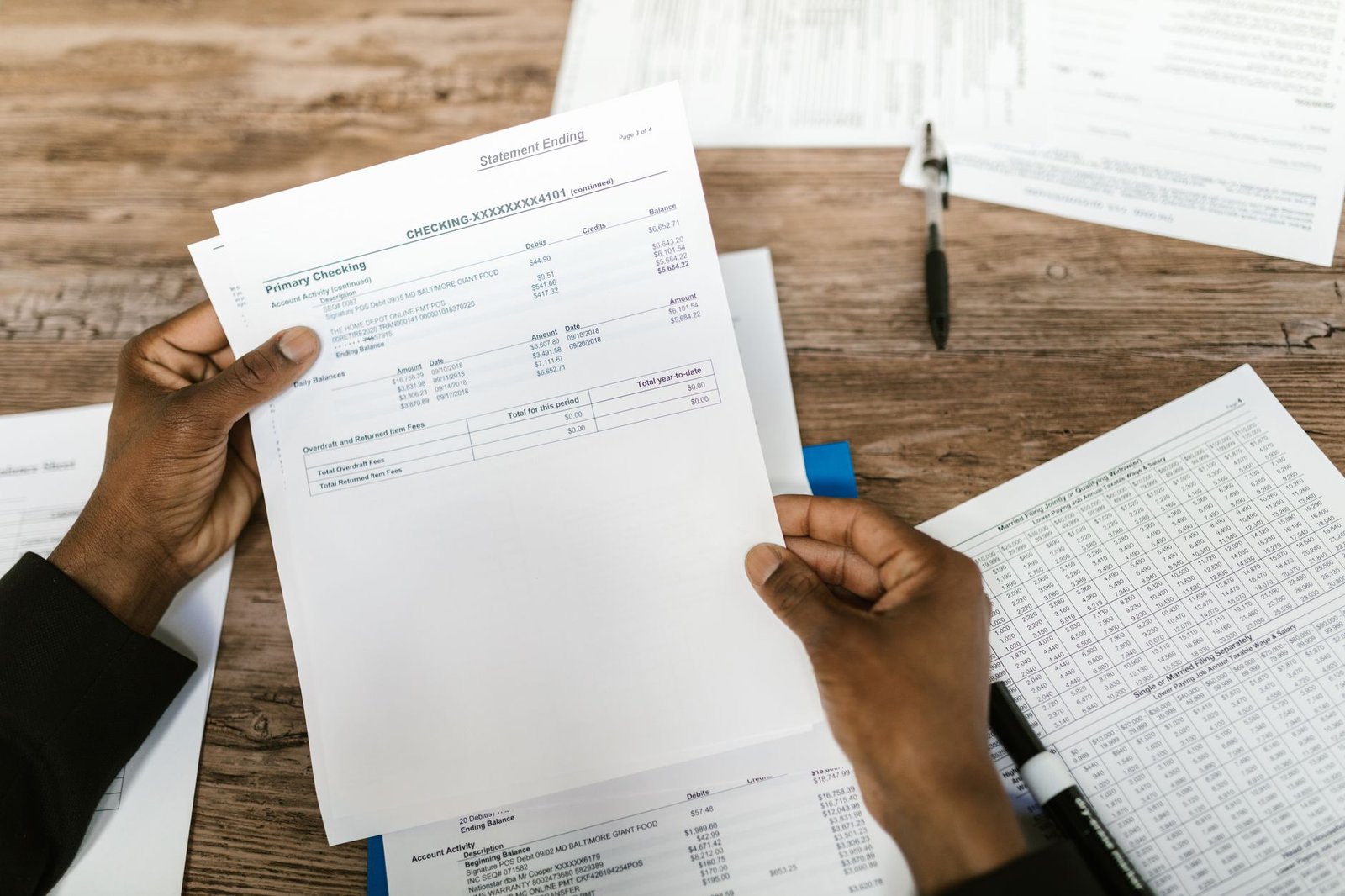
Essential documents for opening a Demat account include identity proof, address proof, PAN card, and bank account details; income proof is mandatory for trading in derivatives.
The Securities and Exchange Board of India (SEBI) mandates strict KYC norms to ensure transparency and prevent fraudulent activities. Your PAN card is a non-negotiable requirement; it serves as the primary identifier for all financial transactions. For identity and address proof, you can typically use your Aadhaar card, passport, voter ID, or driving license. Utility bills (electricity, telephone) not older than three months are also accepted as address proof. If you intend to trade in equity derivatives (futures and options), you must provide proof of income, such as recent salary slips, ITR acknowledgments, or bank statements reflecting a certain net worth, as prescribed by SEBI. This ensures that traders have the financial capacity to undertake higher-risk derivative trading.
Important Considerations for Document Submission
- Ensure all documents are clear, legible, and valid.
- Self-attest all photocopies before submission.
- Your PAN card must be linked with your Aadhaar card.
- For online opening, you’ll need scanned copies and potentially a device with a camera for IPV.
Choosing the Right Depository Participant (DP)
Selecting the right DP involves evaluating brokerage fees, the quality of their trading platform, customer service responsiveness, and the range of investment products offered.
The DP acts as your intermediary with the depositories (NSDL/CDSL). Your choice of DP significantly impacts your trading experience and costs. Full-service brokers offer research, advisory services, and dedicated relationship managers but usually charge higher brokerage. Discount brokers, on the other hand, provide a robust trading platform and lower charges, appealing to active traders. It’s crucial to compare their pricing plans, understand their margins policy if you plan to trade on leverage, and check reviews regarding their technical support and platform stability. Many users find that a good TradingView indicator can be crucial, and some brokers integrate these seamlessly.
Full-Service vs. Discount Brokers
- Full-Service Brokers: Offer a comprehensive suite of services including investment advice, research reports, and relationship management. Examples include ICICI Direct, HDFC Securities, and Sharekhan.
- Discount Brokers: Focus on providing a low-cost trading platform with minimal advisory services. Examples include Zerodha, Upstox, and Angel One.
Account Activation and First Steps
Post-activation, you’ll receive login credentials to your Demat and trading accounts; the next steps involve linking your bank account, funding it, and exploring the trading platform.
Once your Demat and trading accounts are active, you’re ready to start trading. The first crucial step is linking your primary bank account. This is typically done during the application process but can be updated later. Ensure the bank account details are correct, as all fund transfers for trading and payouts from selling investments will happen through this account. Next, you’ll need to fund your trading account. You can do this via net banking, UPI, or other methods provided by your broker. Familiarise yourself with the trading platform, its features, order types (market, limit, stop-loss), and how to place your first trade. Many platforms offer virtual trading or paper trading features, which are excellent for practice.
Frequently Asked Questions
What is the difference between a Demat account and a trading account?
A Demat account holds your securities electronically, while a trading account is used to place buy and sell orders on the stock exchange. They work in tandem; you need both for investing.
Can I open a Demat account online?
Yes, most Depository Participants (DPs) in India now offer a fully online process for opening Demat and trading accounts, making it quick and convenient.
Is there a minimum balance required for a Demat account?
Generally, there is no minimum balance requirement for a Demat account itself. However, your broker might have specific charges or require funds in your trading account to execute trades.
What are the charges associated with a Demat account?
Common charges include annual maintenance charges (AMC), account opening fees, transaction charges, DP charges, and stamp duty. These vary significantly between brokers.
How long does it take to open a Demat account?
Online account opening typically takes 24-48 hours after successful verification of documents and the IPV process.
Key Takeaways
- A Demat account is essential for holding securities electronically in India.
- It is opened through Depository Participants (DPs) registered with NSDL or CDSL.
- Key documents include PAN, Aadhaar, address proof, and bank details.
- KYC verification is mandatory, often done online via video call.
- Choosing a DP involves comparing brokerage, platform, and services.
- Online account opening is fast, efficient, and the most common method today.
- Always ensure your investments align with your risk tolerance.
Investing in the stock market involves risks. Please consult with a qualified financial advisor before making any investment decisions.






 Finovatives