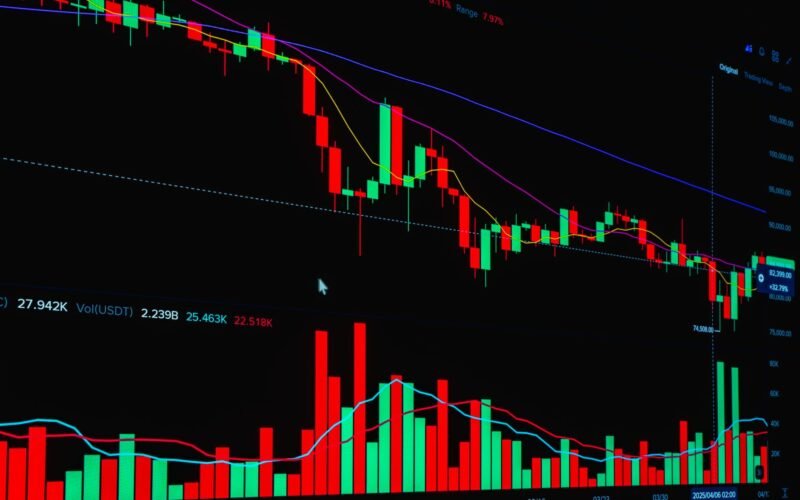



TL;DR: Market orders execute immediately at the best available price, Limit orders allow you to set a specific buy/sell price or better, and Stop Loss orders help you limit potential losses by triggering a market or limit order when a certain price level is reached.
Key Stats at a Glance:
- NSE listed companies: Over 2,500+
- BSE listed companies: Over 5,000+
- Average daily trading volume on NSE: Over ₹1 lakh crore (as of early 2024)
- SEBI mandates risk management for all trading members.
What are Order Types in Stock Trading?
Order types are specific instructions given to your broker to buy or sell a financial instrument like stocks, futures, or options at a particular price or condition. They dictate how your trade will be executed on the exchange, playing a critical role in managing entry points, exit strategies, and risk control for Indian retail traders.
What is a Market Order?
A Market Order is an instruction to buy or sell a security at the best currently available price in the market. It prioritizes speed of execution over price certainty, ensuring your order is filled almost instantaneously, but potentially at a slightly different price than you anticipated, especially in volatile conditions.
Understanding Market Order Execution
When you place a market order to buy, the exchange will match it with the lowest available sell order. Conversely, a market order to sell will be matched with the highest available buy order. This is crucial for traders who need to enter or exit a position immediately, regardless of minor price fluctuations. However, in fast-moving markets, the price you see might not be the exact price your order gets executed at; this difference is known as slippage.

When to Use a Market Order
Market orders are best suited for situations where immediate execution is paramount and the potential for slippage is acceptable. This often includes:
- Entering a position when you believe a significant price move is imminent and you don’t want to miss the opportunity.
- Exiting a position quickly to cut losses or book profits when you can’t afford to wait for a specific price.
- Trading in highly liquid stocks where the bid-ask spread is very narrow, minimizing slippage risk.
Pros and Cons of Market Orders
Pros:
- Guaranteed execution (as long as there are buyers/sellers).
- Fastest way to enter or exit a trade.
Cons:
- No control over the execution price.
- Potential for significant slippage in volatile or illiquid markets.
What is a Limit Order?
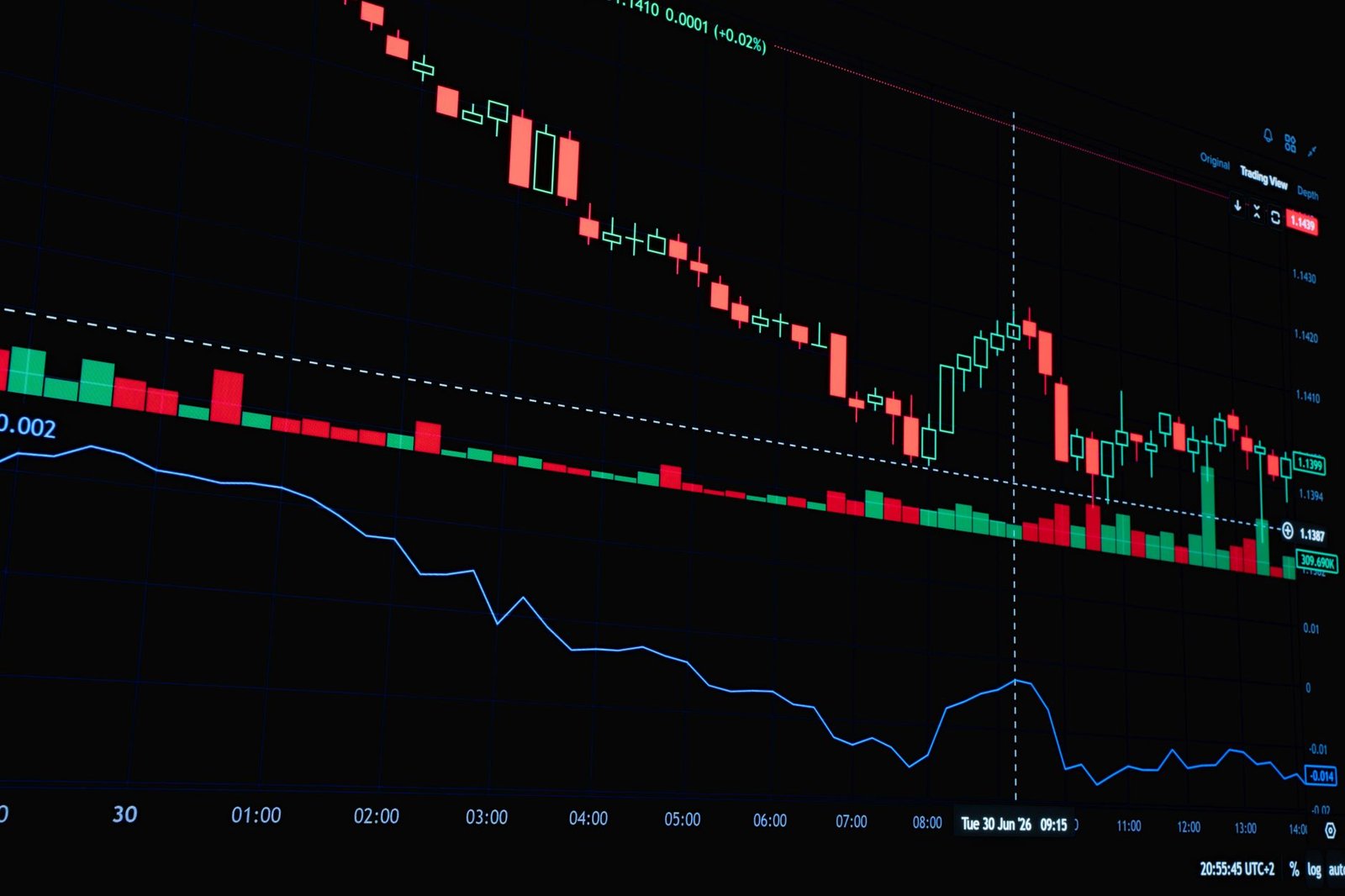
A Limit Order is an instruction to buy or sell a security at a specific price or a better price. For a buy limit order, it will only execute at your specified price or lower. For a sell limit order, it will only execute at your specified price or higher, giving you greater control over the price you pay or receive.
Understanding Limit Order Execution
When you place a buy limit order at ₹100, your order will only be executed if the stock’s price drops to ₹100 or below. Similarly, a sell limit order at ₹100 will only execute if the stock’s price rises to ₹100 or above. The order will remain open in the order book until it is either filled at your limit price or better, or until you cancel it. This ensures you never pay more than you intend to buy for, or sell for less than you want.
When to Use a Limit Order
Limit orders are ideal for traders who have a specific target price in mind and are not in a rush to execute. Common scenarios include:
- Buying a stock when it dips to a technically supported level.
- Selling a stock when it reaches a predetermined resistance or profit target.
- Entering or exiting positions in less liquid stocks where market orders might lead to substantial slippage.
Pros and Cons of Limit Orders
Pros:
- Control over the execution price.
- Avoids paying more than your limit price when buying, or selling for less than your limit price.
Cons:
- No guarantee of execution; your order might not fill if the market never reaches your limit price.
- Potential to miss out on a trade if the price moves away from your limit quickly.
What is a Stop Loss Order?
A Stop Loss Order is an order placed with a broker to buy or sell a security when it reaches a certain price, intended to limit an investor’s loss on a security position. It acts as a safety net, automatically triggering a market or limit order once the stop price is breached.
How Does a Stop Loss Order Work?
For a stock you own, you would place a sell stop loss order below the current market price. If the stock price falls to your stop price, the stop loss order becomes a market order (or a limit order if you specify a stop-limit order) and is executed at the next available price to prevent further losses. Conversely, a buy stop loss order is placed above the current market price, typically used to limit potential losses on a short-selling position or to enter a long position once a certain resistance level is broken, indicating upward momentum.

Stop Loss vs. Stop-Limit Orders
It’s important to distinguish between a stop loss order and a stop-limit order. A standard stop loss order, when triggered, becomes a market order. A stop-limit order, when triggered, becomes a limit order. This means a stop-limit order has a trigger price and a limit price. If the stock price hits the trigger price, the order becomes a limit order, but it will only execute at the limit price or better. If the market moves past the limit price before the order can be filled, the order may not be executed, potentially leaving you with the loss you aimed to limit.
How to Use Stop Loss Orders Effectively
Implementing stop-loss orders is a fundamental risk management technique. Consider these points:
- Determine your maximum acceptable loss per trade. This forms the basis for setting your stop price.
- Set the stop price at a logical technical level. For example, below a support level for a long position or above a resistance level for a short position. Avoid setting it too tight, which could lead to premature exits due to normal market fluctuations.
- Choose between Market or Limit trigger. A stop-loss that triggers a market order guarantees execution but risks slippage. A stop-limit order offers price control but risks non-execution.
- Review and adjust stops regularly. As the market or your position changes, re-evaluate your stop loss levels. Trailing stops can be useful to protect profits as a trade moves in your favour.
- Do not move your stop loss further away. Once set, resist the temptation to widen your stop loss to accommodate a losing trade; this defeats the purpose of risk management.
Pros and Cons of Stop Loss Orders
Pros:
- Protects capital by limiting potential losses.
- Removes emotional decision-making during adverse price movements.
- Automates exit strategy.
Cons:
- Can be triggered by temporary price volatility, causing premature exit from a profitable trade (especially with tight stops).
- Execution price is not guaranteed with a stop-market order (slippage).
- Stop-limit orders may not execute if the market moves too quickly past the limit price.
Choosing the Right Order Type for Your Strategy
The choice of order type depends heavily on your trading strategy, risk tolerance, and market conditions. For instance, a day trader focused on quick entries and exits might favour market orders in liquid stocks, while a swing trader looking to buy at a specific dip might use limit orders. A long-term investor using a Trend Traders Tool to identify entry points might place a buy limit order at a key support level, and simultaneously set a stop-loss to protect their downside.

Market vs. Limit vs. Stop Loss: A Comparative Overview
To summarise:
- Market Order: Prioritises speed. Good for immediate entry/exit, but price is variable.
- Limit Order: Prioritises price. Good for precise entry/exit at your desired price, but execution is not guaranteed.
- Stop Loss Order: Prioritises risk management. Good for limiting potential losses, but execution price can vary (market trigger) or may not occur (limit trigger).
Frequently Asked Questions
What is the difference between a market order and a limit order?
A market order executes immediately at the best available price, while a limit order executes only at your specified price or better, giving you price control but no execution guarantee.
When should I use a stop loss order?
Use a stop loss order whenever you enter a trade to define your maximum acceptable loss and protect your capital from significant downside moves, especially if you cannot constantly monitor the market.
Can a limit order guarantee my trade will fill?
No, a limit order only guarantees that you will not pay more than your limit price when buying, or receive less than your limit price when selling. If the market never reaches your price, the order will not fill.
What is slippage in trading?
Slippage is the difference between the expected price of a trade and the price at which it is actually executed. It commonly occurs with market orders during periods of high volatility or low liquidity.
Is a stop loss order always executed at the stop price?
Not necessarily. A stop-loss that becomes a market order will execute at the next available price, which may be different from the stop price due to market fluctuations. A stop-limit order will only execute at the limit price or better.
What is a trailing stop loss?
A trailing stop loss is a type of stop-loss order that is set at a fixed amount or percentage below the market price. As the price of the security moves in your favour, the trailing stop moves with it, helping to lock in profits while still providing downside protection.
Key Takeaways
- Market orders offer speed but lack price certainty.
- Limit orders provide price control but risk non-execution.
- Stop loss orders are essential for risk management, limiting potential losses.
- Understanding the nuances of each order type is crucial for effective trading.
- The best order type depends on your strategy, risk tolerance, and current market conditions.
- Always consider using stop-loss orders to protect your trading capital.
Investing in the securities market involves inherent risks. Please consult with your financial advisor before making any investment decisions.





 Finovatives