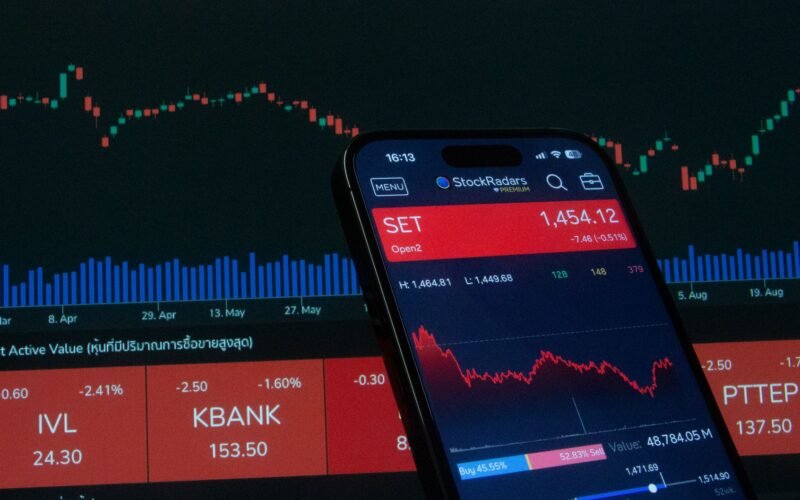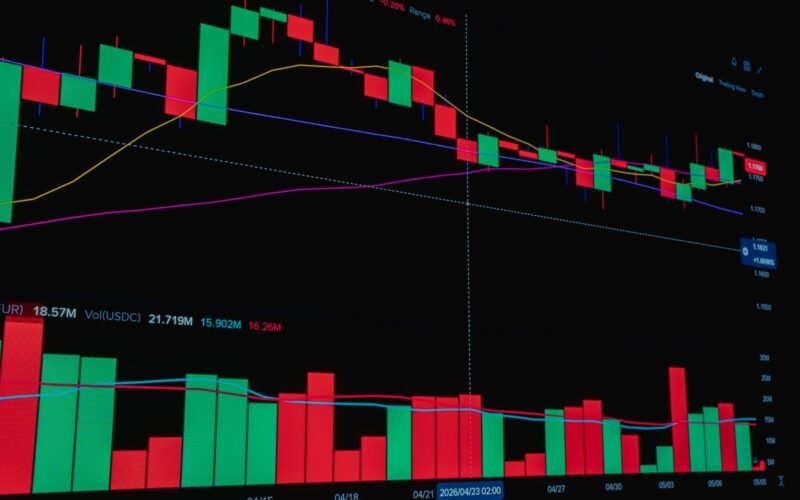



TL;DR: Mastering trading psychology means controlling emotions like fear and greed through discipline, realistic expectations, and a well-defined strategy, enabling rational decision-making for consistent profits in the Indian stock market.
Key Stats at a Glance:
- Nifty 50’s average daily volatility: Approx. 0.8% – 1.2% (fluctuates based on market conditions)
- SEBI mandates risk disclosure for all investment products, highlighting the importance of risk awareness.
- Studies suggest over 80% of retail traders lose money, often due to psychological errors.
- The Indian stock market saw over 10 crore new investor accounts opened by March 2024.
- Average holding period for intraday traders is often minutes to hours, requiring rapid emotional control.
What is Trading Psychology?
Trading psychology is the study of how the emotional and mental states of traders affect their decision-making processes and overall trading performance in financial markets.
It delves into the intricate interplay between an individual’s thought processes, emotional reactions, and their subsequent actions when faced with market opportunities and risks. For Indian retail traders, understanding this is paramount, as emotions like fear, greed, hope, and regret can easily derail even the most well-researched trading plans. The Indian stock market, with its dynamic nature and potential for rapid gains or losses, presents a fertile ground for psychological biases to manifest.
Factors influencing trading psychology include personality traits, past experiences, stress levels, and external life events. Recognizing these internal and external pressures is the first step towards building a resilient trading mindset. It’s not just about picking winning stocks; it’s about managing yourself through the inevitable ups and downs.
Ultimately, successful trading hinges as much on mental fortitude as it does on technical analysis or fundamental research. The ability to remain objective, disciplined, and patient, even when faced with significant market swings, is the hallmark of a seasoned trader.

The Challenge of Emotional Trading
Emotional trading, driven by impulses rather than logic, is a primary reason why many traders, especially beginners, fail to achieve consistent profitability. The allure of quick riches can amplify greed, while the fear of losing capital can lead to premature exits or missed opportunities.
Consider the common scenario: a trader buys a stock at ₹100, and it drops to ₹90. Fear might prompt an immediate sale, locking in a loss, even if the fundamentals suggest a rebound. Conversely, the same trader might hold onto a losing stock far too long, hoping for a miraculous recovery, driven by regret or a reluctance to accept a loss. On the flip side, a rapidly rising stock can trigger greed, leading to chasing prices higher than justified, only to face a sharp correction.
These emotional reactions are often subconscious, making them difficult to combat. They lead to impulsive decisions that contradict a pre-defined trading strategy. The fast-paced nature of modern trading, especially with mobile access to trading platforms, can exacerbate these tendencies, as decisions are made under pressure and with limited time for reflection.
How to Control Emotions While Trading?
Controlling emotions in trading involves a combination of self-awareness, strategic planning, and disciplined execution.
The journey begins with acknowledging that emotions are a natural part of trading, but they must be managed, not eliminated. This requires developing a robust trading plan and sticking to it religiously, even when instincts scream otherwise. Developing mental resilience through practice and continuous learning is key. Implementing risk management techniques, such as setting stop-losses and position sizing, also provides a psychological safety net, reducing the emotional impact of individual losses.
Strategies for Emotional Control
1. Develop a Comprehensive Trading Plan
A trading plan is your roadmap. It outlines your objectives, risk tolerance, entry and exit criteria, and money management rules. Having a clear plan reduces the need for on-the-spot decisions driven by emotion. Before every trade, review your plan. After a trade, review your performance against the plan.
2. Set Realistic Expectations
Understand that trading is not a get-rich-quick scheme. Consistent, sustainable profits are built over time through disciplined trading and risk management. Avoid the temptation to chase unrealistic returns, which often leads to excessive risk-taking driven by greed.
3. Practice Risk Management
Never risk more than you can afford to lose on a single trade. Use stop-loss orders to limit potential losses and position sizing to control the amount of capital exposed. This provides a psychological buffer, as you know your downside is pre-defined.
4. Keep a Trading Journal
Record every trade, including your rationale, entry/exit points, and emotional state during the trade. Reviewing your journal helps identify patterns of emotional decision-making and allows you to learn from both your successes and failures. This process fosters self-awareness.
5. Take Breaks and Stay Objective
If you feel overwhelmed by emotions, step away from the screen. Take a walk, meditate, or engage in an activity unrelated to trading. Returning with a clear head allows for more objective analysis and decision-making. Avoid revenge trading after a loss.
6. Continuous Learning and Self-Reflection
The market is constantly evolving, and so should your knowledge. Stay updated on market trends, economic news, and trading strategies. Dedicate time to reflect on your trading performance, focusing on the psychological aspects. This could involve reading books on trading psychology or even seeking guidance from experienced traders or mentors.
Understanding Common Trading Biases
Emotional trading often stems from deeply ingrained psychological biases that affect judgment. Recognizing these biases is the first step toward mitigating their impact.
These cognitive shortcuts can lead to systematic errors in judgment. For instance, confirmation bias might lead a trader to only seek information that supports their existing trade idea, ignoring contradictory evidence. Overconfidence bias, often fueled by a few early successes, can lead to taking on excessive risk. Awareness of these biases, as highlighted by SEBI’s investor education initiatives, is crucial.
Key Trading Biases to Watch Out For:
- Fear of Missing Out (FOMO): Jumping into a trade simply because the price is rapidly rising, fearing you’ll miss potential profits.
- Loss Aversion: The tendency to prefer avoiding losses over acquiring equivalent gains. This can lead to holding losing positions too long or selling winning positions too early.
- Confirmation Bias: Seeking out or interpreting information in a way that confirms one’s pre-existing beliefs or hypotheses.
- Overconfidence Bias: An unwarranted belief in one’s own abilities or the accuracy of their predictions, leading to excessive risk-taking.
- Anchoring Bias: Relying too heavily on the first piece of information offered (the ‘anchor’) when making decisions, such as a purchase price.
Mitigating these biases requires conscious effort, a disciplined approach, and adherence to a well-structured trading plan.
How to Build Discipline in Trading
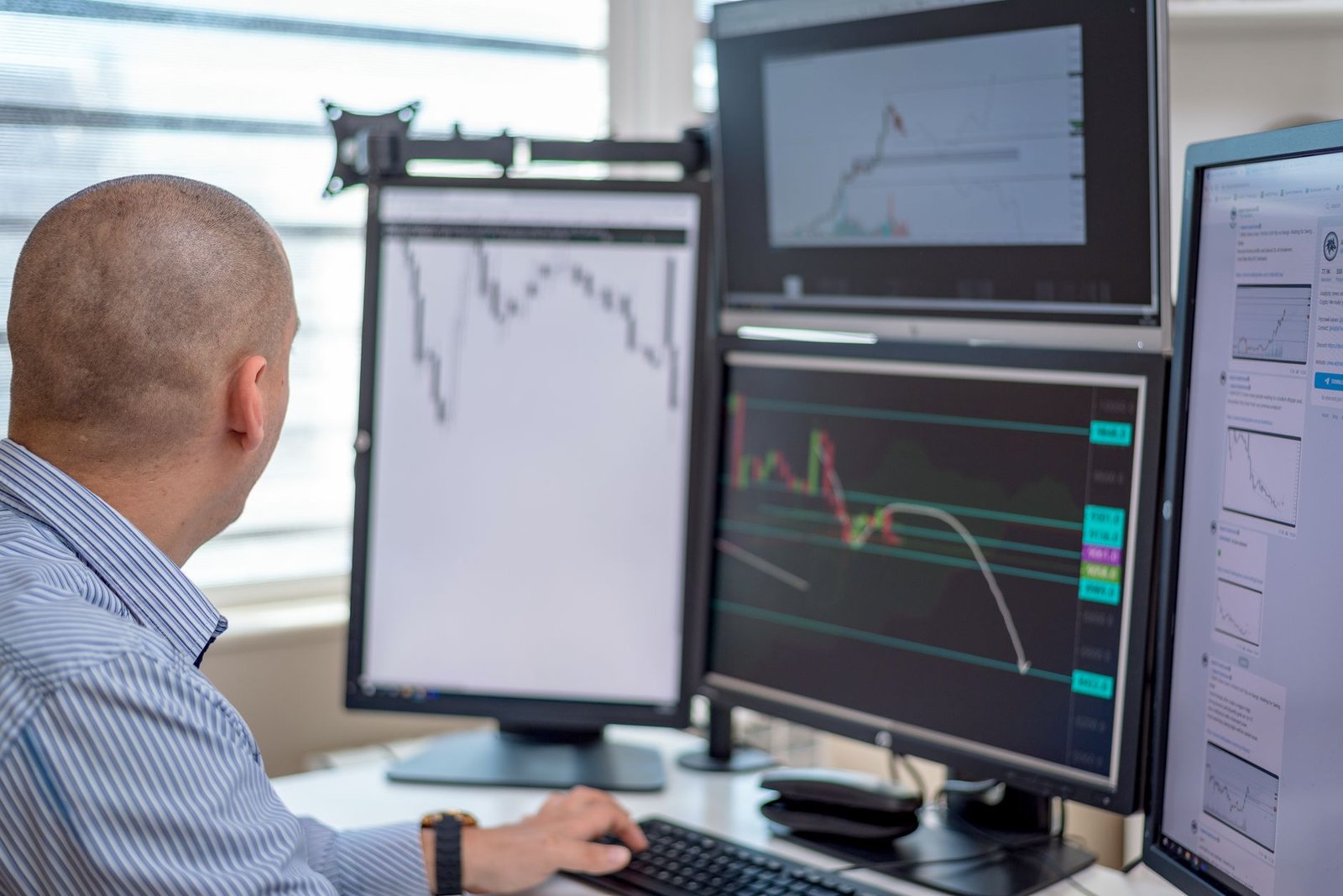
Building trading discipline is a continuous process that strengthens your ability to execute your trading plan consistently, irrespective of emotional influences.
Discipline in trading is the unwavering commitment to follow your rules and strategies, even when external pressures or internal emotions tempt you to deviate. It’s the bedrock of long-term success in the volatile Indian stock market. It requires practice, patience, and a strong sense of self-awareness. Implementing systems and routines can significantly aid in cultivating this essential trait.
How to Build Trading Discipline:
- Automate Where Possible: Use trading platform features like alerts and pre-set orders to reduce manual intervention and impulsive actions.
- Strictly Adhere to Your Trading Plan: Treat your trading plan as a non-negotiable set of rules. Every trade decision must align with it.
- Practice Patience: Wait for the right setups that meet your criteria. Don’t force trades out of boredom or impatience.
- Embrace Small Losses: Accept that losses are part of trading. Cutting them short with stop-losses is a sign of discipline, not weakness.
- Review and Recommit: Regularly review your trading journal and your commitment to your plan. Reaffirm your dedication to disciplined execution.
- Develop a Pre-Trade Routine: Establish a ritual before each trading session (e.g., reviewing news, checking your watchlist, confirming your plan) to get into a focused, disciplined mindset.
- Seek Accountability: Share your goals and progress with a trading buddy or mentor who can help keep you on track.
The Role of a Trading Mentor or Coach
A trading mentor or coach can provide invaluable guidance in navigating the psychological challenges of trading.
An experienced mentor offers objective insights, shares their own struggles and successes, and helps traders identify and correct detrimental psychological patterns. They can provide personalized feedback, challenge flawed assumptions, and reinforce disciplined behaviour, significantly accelerating a trader’s growth and helping them avoid costly mistakes common among novice traders.
Mentors can help refine trading strategies, but more importantly, they act as a sounding board for emotional responses and decision-making processes. They provide accountability and a structured approach to learning, which is often missing when traders try to learn solely through books or online resources. Finding a reputable mentor, perhaps one with experience in the specific markets you trade (like NSE or BSE), can be a game-changer.

Frequently Asked Questions
What is the biggest emotional challenge for traders?
The biggest emotional challenge is managing the interplay of fear and greed. Fear can cause panic selling or missed opportunities, while greed can lead to excessive risk-taking and holding onto positions too long.
How does fear impact trading decisions?
Fear often leads to irrational decisions like selling a good stock at a loss due to market dips, or avoiding entering potentially profitable trades altogether due to the perceived risk.
How can I overcome the fear of losing money?
Overcome this by implementing strict risk management, using stop-losses, and understanding that losses are a normal part of trading. Focus on process, not just outcomes.
Is it possible to completely eliminate emotions from trading?
No, it’s not possible or even desirable to eliminate emotions entirely. The goal is to recognize them, understand their triggers, and manage them so they don’t dictate trading decisions.
How important is a trading journal for psychology?
A trading journal is crucial for psychological development. It helps identify emotional trading patterns, biases, and triggers, enabling self-awareness and correction over time.
What is ‘revenge trading’?
Revenge trading is attempting to immediately recoup losses from a previous trade by entering a new, often impulsive, trade without proper analysis. It’s driven by frustration and ego.
Key Takeaways
- Trading psychology is critical for sustained profitability; mastering emotions like fear and greed is essential.
- A well-defined trading plan, realistic expectations, and strict risk management are key to emotional control.
- Recognizing and mitigating common trading biases (FOMO, loss aversion, etc.) prevents irrational decision-making.
- Building discipline requires consistent practice, patience, and adherence to trading rules.
- Trading journals and mentors can provide invaluable support in developing a strong trading mindset.
- Focus on managing yourself and your reactions, as much as on market analysis.
Trading involves substantial risk and may not be suitable for all investors. Past performance is not indicative of future results. Invest wisely after thorough research and consultation with a financial advisor.




 Finovatives