



TL;DR: Gap trading strategies in Indian markets focus on exploiting price discrepancies (gaps) that occur between a stock’s closing price one day and its opening price the next, offering potential profit opportunities if managed correctly.
Key Stats at a Glance:
- Nifty 50 Index Average Daily Trading Volume: Over ₹10,000 Crores (as of recent data)
- NSE Futures & Options Segment: Millions of contracts traded daily
- Average Gap Size (Select Mid-Cap Stocks): Can range from 0.5% to 3% of stock price
- Indian Equity Market Capitalisation: Exceeds $4 trillion
- Pre-Market Session: Typically runs from 9:00 AM to 9:15 AM IST on NSE/BSE
What is Gap Trading?
Gap trading is a strategy that aims to profit from price ‘gaps’ that appear on a stock chart, typically between the closing price of one trading session and the opening price of the next.
Defining a Price Gap
A price gap occurs when there is a significant jump or drop in a stock’s price from one trading period to the next, without any trading occurring in between. This usually happens due to overnight news, corporate announcements, or major market sentiment shifts that influence trading before the market officially opens.
Types of Price Gaps
Understanding the different types of gaps is crucial for effective gap trading. These include common gaps, breakaway gaps, runaway gaps, and exhaustion gaps, each having distinct implications for price movement.
- Common Gaps: These are the most frequent and often insignificant gaps. They tend to fill quickly as trading resumes, meaning the price often retraces back to cover the gap area.
- Breakaway Gaps: These gaps signal the start of a new trend. They occur when a stock breaks out of a consolidation or trading range, often accompanied by high volume.
- Runaway (Continuation) Gaps: Appearing within an established trend, these gaps suggest the trend is likely to continue with strong momentum. They often occur mid-trend.
- Exhaustion Gaps: These gaps appear at the end of a strong trend and signal that the momentum is fading. They typically get filled quickly, often reversing the prior trend.
Why Gaps Matter in Indian Markets
The Indian stock market, with its dynamic nature and exposure to global events, frequently exhibits price gaps. Events like quarterly earnings announcements, RBI policy changes, or geopolitical developments can create substantial overnight price movements, presenting distinct trading opportunities.
Common Gap Trading Strategies
Several strategies can be employed to trade price gaps, each suited to different market conditions and risk appetites.
The Gap and Go Strategy
This is an aggressive strategy where traders enter a position immediately at the market open, anticipating that the gap will continue in the direction it opened. It’s often used with breakaway or runaway gaps.
Gap Filling Strategy
This strategy assumes that most gaps will eventually be filled. Traders look for opportunities to short a stock after an upward gap or buy after a downward gap, expecting the price to move back towards the previous day’s close.
Trading Gaps with Support and Resistance
Combining gap analysis with traditional technical analysis tools like support and resistance levels can enhance strategy effectiveness. A gap occurring near a strong support or resistance level might offer a more reliable trading signal.
Trading Gaps with Volume Analysis
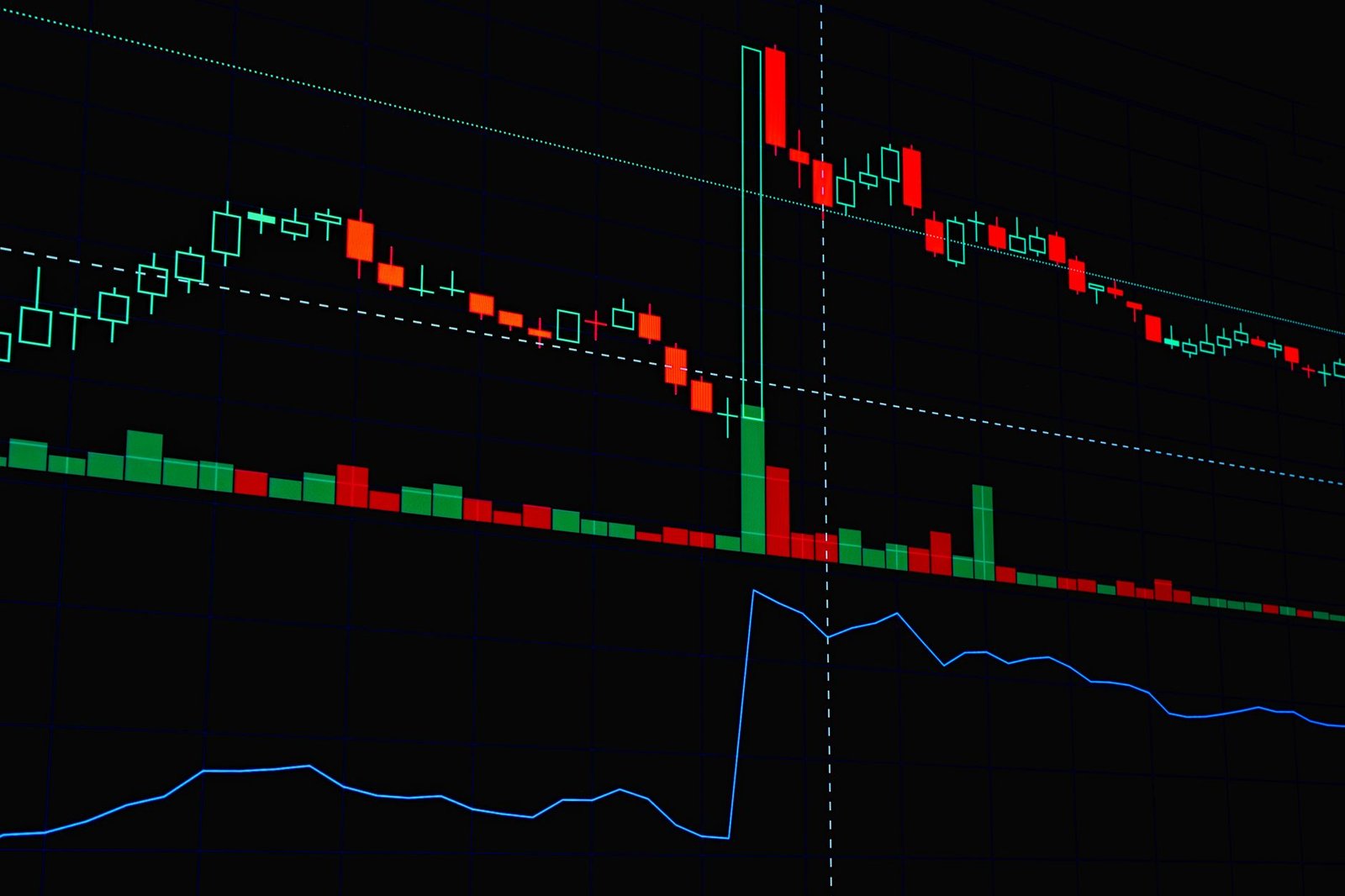
Volume is a critical confirmation tool for gap trading. Gaps accompanied by significantly higher than average trading volumes are generally considered more significant and reliable indicators of potential price movement.
How to Implement a Gap Trading Strategy
Successfully trading gaps requires a systematic approach, from identification to risk management.
- Identify Potential Gaps: Scan the market at the open for stocks with significant price differences from their previous close. Look for gaps in pre-market or early morning trading sessions.
- Analyse the Gap Type: Determine if the gap is common, breakaway, runaway, or exhaustion by observing its size, volume, and context within the existing price trend.
- Confirm with Technical Indicators: Use other technical indicators like moving averages, RSI, or MACD to confirm the potential direction and strength of the move initiated by the gap. Our Trend Traders Tool can be particularly useful here.
- Define Entry and Exit Points: Set clear entry points based on your chosen strategy (e.g., at the open for ‘Gap and Go’, or on a pullback for ‘Gap Filling’). Define stop-loss levels to limit potential losses.
- Set Profit Targets: Establish realistic profit targets, often based on previous support/resistance levels or a predetermined risk-reward ratio.
- Manage Risk: Always use stop-loss orders to protect your capital. Never risk more than a small percentage of your trading capital on any single trade.
- Review and Adapt: After each trade, review its outcome. Learn from both winning and losing trades to refine your strategy over time.

Key Considerations for Indian Retail Traders
Trading gaps in the Indian market presents unique challenges and opportunities that retail traders must navigate.
Volatility and Liquidity
Indian equities, especially mid-cap and small-cap stocks, can be highly volatile. While this volatility creates gaps, it also necessitates robust risk management. High liquidity in large-cap stocks like those in the Nifty 50 can make gap trading more predictable.
Market Hours and News Impact
The timing of news releases relative to market hours is crucial. Overnight news can cause significant pre-market gaps. Understanding how events like RBI monetary policy announcements or major corporate earnings reports impact specific sectors is vital.
Regulatory Environment
Traders must be aware of SEBI regulations, particularly regarding insider trading and market manipulation, ensuring all trades are conducted ethically and legally.
Leverage and Margin
While leverage can amplify profits, it also magnifies losses, especially in volatile gap scenarios. Retail traders should exercise extreme caution when using margin for gap trading.
Cost of Trading
Brokerage, taxes, and other transaction costs can eat into profits, particularly for strategies involving frequent entries and exits like some gap trading methods. Consider the impact of these costs when setting profit targets.
When to Avoid Gap Trading
Not every gap is a trading opportunity. Certain conditions warrant caution or complete avoidance of gap trading.
Low Volume Gaps
Gaps occurring on unusually low trading volumes are less likely to represent significant market shifts and may simply be noise. These are often the first to fill.
Choppy or Sideways Markets
In markets lacking clear direction (choppy or sideways trends), gaps are less reliable. Breakaway gaps are unlikely, and gap-filling trades may face resistance or support from multiple levels within the range.
Overextended Gaps
If a stock has gapped up significantly multiple times in a short period without substantial pullbacks, the subsequent gap might be an exhaustion gap signaling a potential reversal rather than continuation.
Frequently Asked Questions
What is the best time frame for gap trading?
Gap trading can be applied across various timeframes, from intraday charts (5-minute, 15-minute) to daily or even weekly charts, depending on the strategy and the trader’s preference for short-term or longer-term plays.
How do I identify a gap?
A gap is identified on a price chart when the high of one candlestick is below the low of the previous candlestick (a downward gap) or the low of one candlestick is above the high of the previous candlestick (an upward gap).
Are gaps always filled?
No, gaps are not always filled. While many gaps tend to fill over time, breakaway and runaway gaps, especially those occurring on high volume and confirming a strong trend, may never be filled.
What are the risks of gap trading?
The primary risks include rapid price reversals against your position, larger-than-expected price movements causing stop-outs, and the possibility of gaps not filling as anticipated, leading to losses.
How can I improve my gap trading success rate?
Improvement comes from rigorous analysis, confirming gaps with volume and other indicators, strictly adhering to risk management rules, and continuous learning from trading experiences.
Key Takeaways
- Gap trading capitalises on price differences between trading sessions, offering unique opportunities in Indian markets.
- Understanding common, breakaway, runaway, and exhaustion gaps is fundamental to the strategy.
- Confirmation with volume and other technical indicators significantly enhances trade reliability.
- Risk management, including strict stop-loss usage, is paramount due to potential volatility.
- The ‘Gap and Go’ and ‘Gap Filling’ strategies are popular but require different approaches and risk assessments.
- Retail traders must consider Indian market specifics like volatility, news impact, and regulatory factors.
- Avoid trading gaps in low-volume scenarios or highly choppy market conditions.
Trading in the securities market is subject to market risks. Read all the related documents carefully before investing. The content provided here is for informational and educational purposes only and should not be considered as investment advice.





 Finovatives