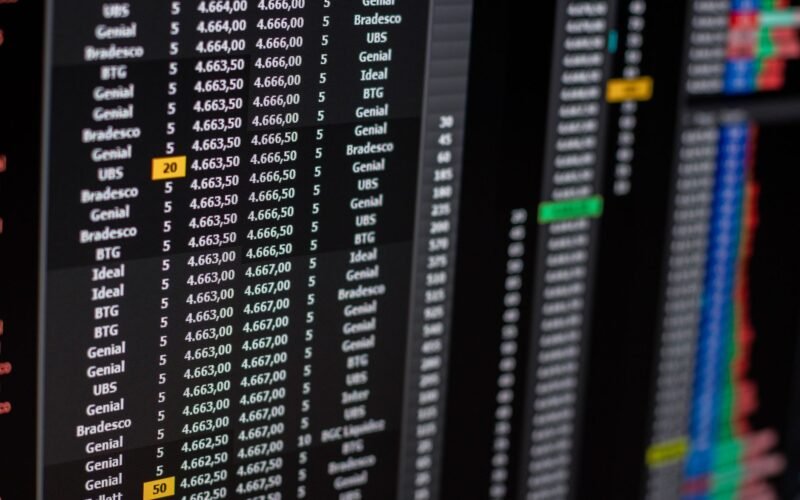



TL;DR: Market orders execute immediately at the best available price, Limit orders ensure a specific price or better, and Stop Loss orders help manage risk by triggering a trade at a set price to limit potential losses.
Key Stats at a Glance:
- NSE average daily trading volume: Over ₹1 Lakh Crore (as of recent data).
- BSE has over 7,000 listed companies.
- Most retail trades are executed within seconds.
- Stop Loss orders can prevent catastrophic losses during sharp market downturns.
What are Order Types in Stock Trading?
Order types are instructions given to a broker to buy or sell a security. They define how and when your trade should be executed, influencing the price you get and the certainty of execution.
What is a Market Order?
A market order is an instruction to buy or sell a security at the best available current price. It prioritizes speed of execution over price certainty, making it suitable for highly liquid securities where the bid-ask spread is narrow.
Understanding Market Order Execution
When you place a market order, your broker immediately attempts to fill it using the best available buy (bid) or sell (ask) price in the order book. For liquid stocks on exchanges like NSE and BSE, this usually means a price very close to the last traded price. However, in fast-moving markets or for less liquid stocks, the executed price might differ significantly from what you saw when placing the order. This is known as slippage.

When to Use a Market Order
Market orders are best used when the certainty of execution is more important than the exact price. This is often the case for intraday traders who need to enter or exit positions quickly to capture momentum or cut losses before the market closes. They are also useful for highly liquid stocks where slippage is typically minimal.
What is a Limit Order?
A limit order is an instruction to buy or sell a security at a specific price or better. For a buy limit order, the price must be at or below your specified limit price; for a sell limit order, it must be at or above your specified limit price. This type of order prioritizes price control over immediate execution.
Buy Limit vs. Sell Limit Orders
A buy limit order is placed when you want to buy a stock, but only if its price drops to a certain level you find attractive. For example, if a stock is trading at ₹105, and you want to buy it at ₹100, you would place a buy limit order at ₹100. Your order will only execute if the stock price falls to ₹100 or below.
A sell limit order is placed when you want to sell a stock, but only if its price rises to a certain level you find acceptable. For instance, if a stock is trading at ₹105, and you want to sell it at ₹110, you would place a sell limit order at ₹110. Your order will only execute if the stock price rises to ₹110 or above.
The Trade-off: Price vs. Execution
The main advantage of a limit order is the price control it offers. You are guaranteed to get your specified price or a better one. However, the trade-off is that your order might not be executed at all if the market price never reaches your limit. This is particularly relevant in rapidly moving markets.
What is a Stop Loss Order?
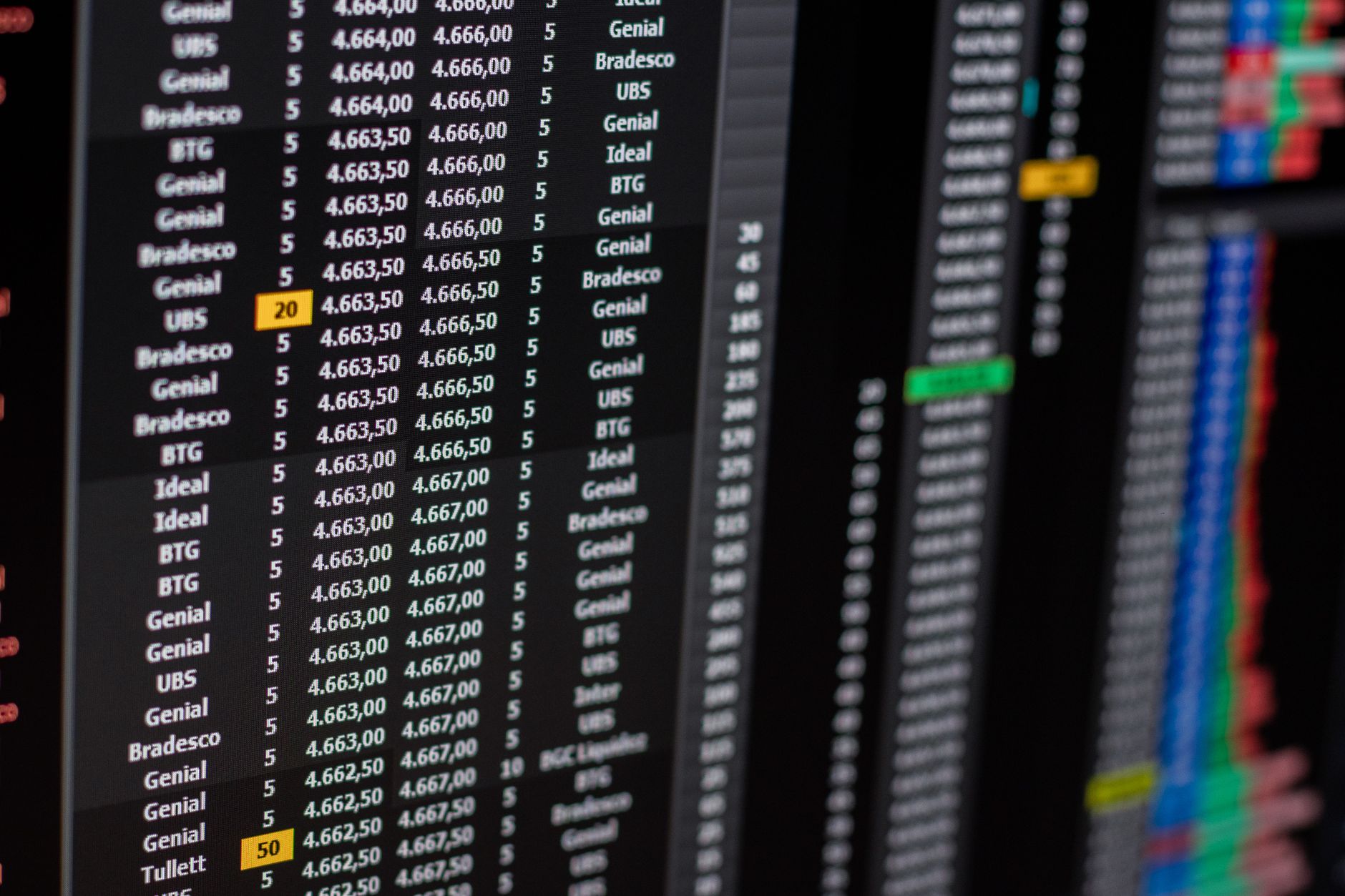
A stop loss order is a risk-management tool designed to limit an investor’s potential loss on a security. It is an order to buy or sell a security that becomes a market order once a specified price (the stop price) is reached or passed. Stop loss orders are crucial for protecting capital.
How Stop Loss Orders Work
When you hold a stock and want to limit your potential downside, you place a stop loss order below the current market price. If the stock price falls to or below your stop price, the stop loss order is triggered and automatically converted into a market order, selling your shares at the best available price. Conversely, a stop loss buy order can be used to limit losses on a short position.
Stop Loss vs. Stop Limit Orders
It’s important to distinguish between a stop loss order and a stop limit order. A stop loss order, once triggered, becomes a market order, executing at the best available price (which could be worse than your stop price in a fast market). A stop limit order, once triggered, becomes a limit order. This means it will only execute at your specified limit price or better, but it carries the risk of not executing if the price moves too quickly past your limit.
Implementing a Stop Loss Strategy
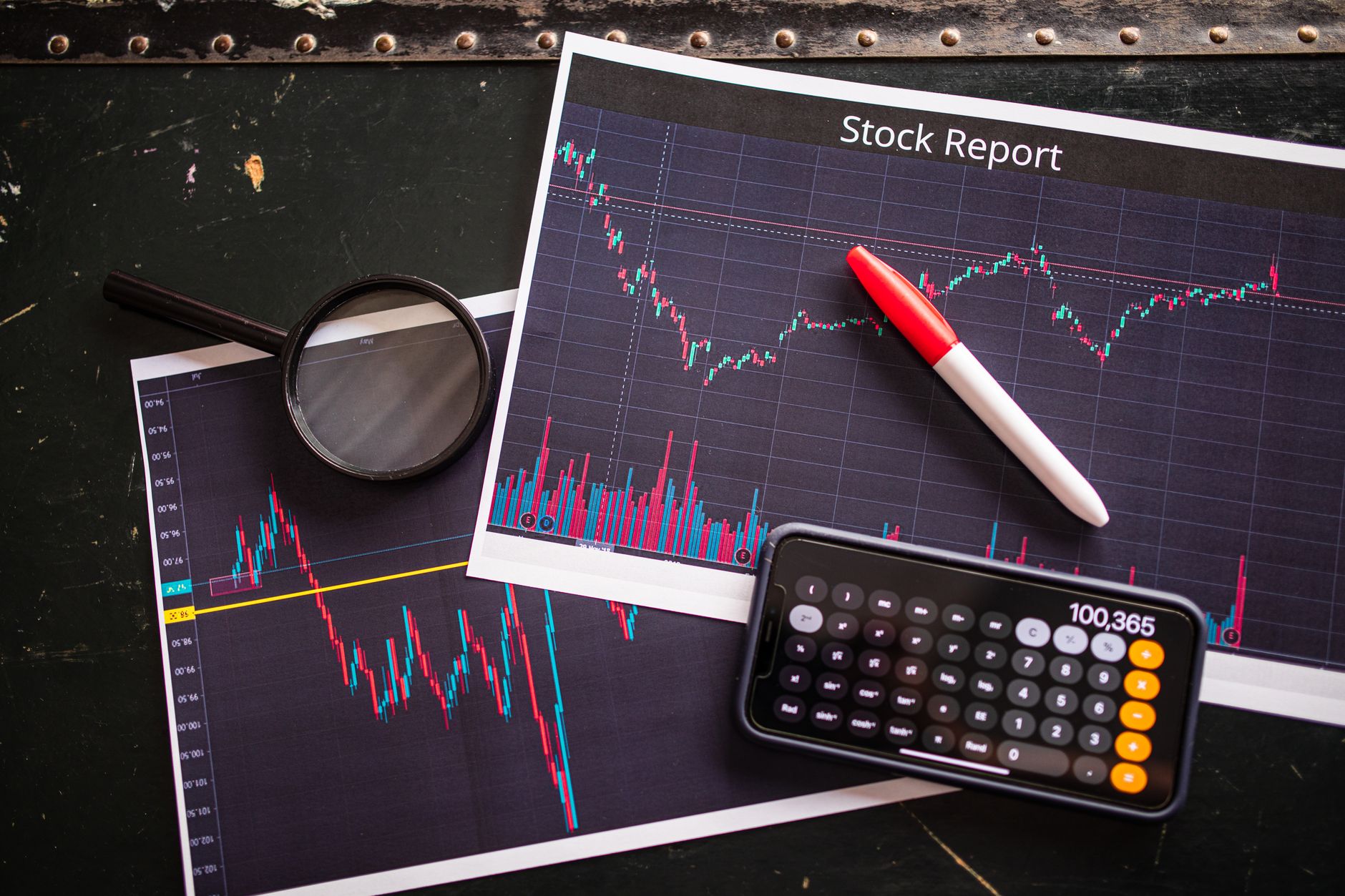
A common strategy is to set a stop loss at a percentage below the purchase price (e.g., 5-10%) or at a technical support level. This pre-determined exit point helps remove emotion from trading decisions and ensures discipline. Many traders use a TradingView indicator to help identify optimal stop loss levels. Remember that stop loss orders are not foolproof and can be triggered by temporary price fluctuations.
How to Place Different Order Types on Your Trading Platform
- Log in to your trading account: Access your broker’s trading platform or mobile app.
- Select the stock: Navigate to the desired stock you wish to buy or sell.
- Initiate an order: Click on the ‘Buy’ or ‘Sell’ button.
- Choose the order type: From the dropdown menu, select ‘Market’, ‘Limit’, or ‘Stop Loss’ (or ‘Stop Limit’).
- Enter quantity: Specify the number of shares you want to trade.
- Set price (for Limit/Stop Loss): If using a Limit or Stop Loss order, enter your desired price. For a Stop Loss order, you’ll typically enter a ‘Stop Price’ and sometimes a ‘Limit Price’ if using a ‘Stop Limit’ order.
- Review and confirm: Double-check all order details, including the order type, quantity, and price.
- Place the order: Submit your order to the exchange.
When to Use Which Order Type?
The choice of order type depends heavily on your trading strategy, market conditions, and risk tolerance. For quick entries or exits where price is secondary, a market order is often used. If you must enter or exit at a specific price or better, a limit order is the way to go. To protect your capital from significant losses, a stop loss order is indispensable.
Market Volatility and Order Execution
During periods of high market volatility, market orders can experience significant slippage, potentially leading to unfavorable execution prices. In such scenarios, limit orders or stop limit orders might be more appropriate if price control is paramount, though they carry the risk of non-execution. Stop loss orders, while essential for risk management, can also be subject to slippage when triggered in a rapidly falling market.
Frequently Asked Questions
What is the difference between a market order and a limit order?
A market order guarantees execution at the best available price, prioritizing speed. A limit order guarantees the price (or better) but doesn’t guarantee execution, prioritizing price control.
Is a stop loss order guaranteed to execute at the stop price?
No. A stop loss order becomes a market order once triggered. It will execute at the best available price, which could be different from the stop price, especially in fast-moving markets.
When should I use a limit order instead of a market order?
Use a limit order when you want to ensure you buy or sell at a specific price or better, and you are willing to risk the order not being filled if the market doesn’t reach your price.
What is slippage in trading?
Slippage is the difference between the expected price of a trade and the price at which it is actually executed. It often occurs in volatile markets or with less liquid securities.
Are stop loss orders mandatory for traders?
While not mandatory by regulation for all trades, stop loss orders are highly recommended as a fundamental risk management tool for all traders to protect capital.
Can I set a stop loss on a limit order?
You can set a stop limit order. This order type triggers a limit order once a specified stop price is reached, giving you price control but no execution guarantee.
Key Takeaways:
- Market orders ensure swift execution but offer no price guarantee.
- Limit orders provide price certainty but may not get filled.
- Stop loss orders are critical for managing risk and limiting potential losses.
- Understanding slippage is key, especially in volatile markets.
- Choosing the right order type depends on your trading strategy and market conditions.
- Always review your order details before submission.
Investing in the securities market is subject to market risks. Read all the related documents carefully before investing.




 Finovatives